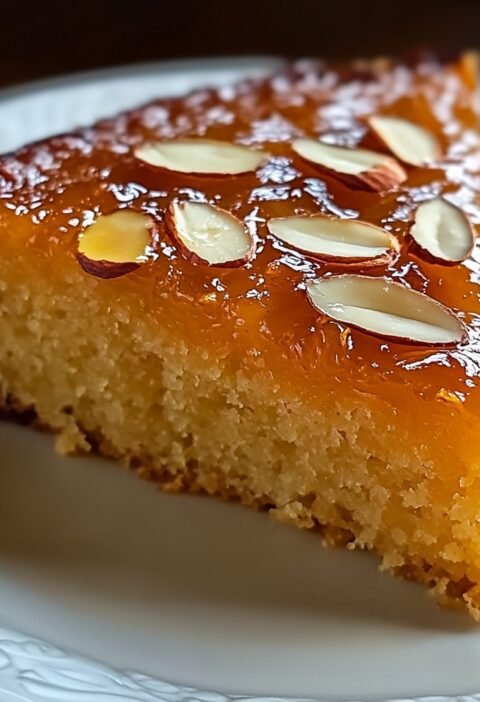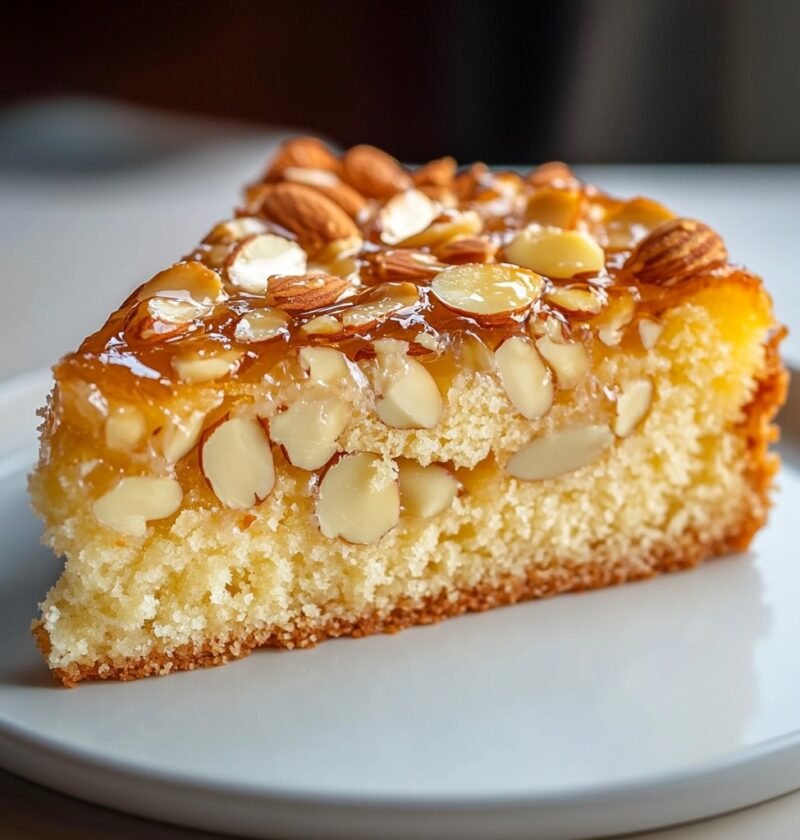
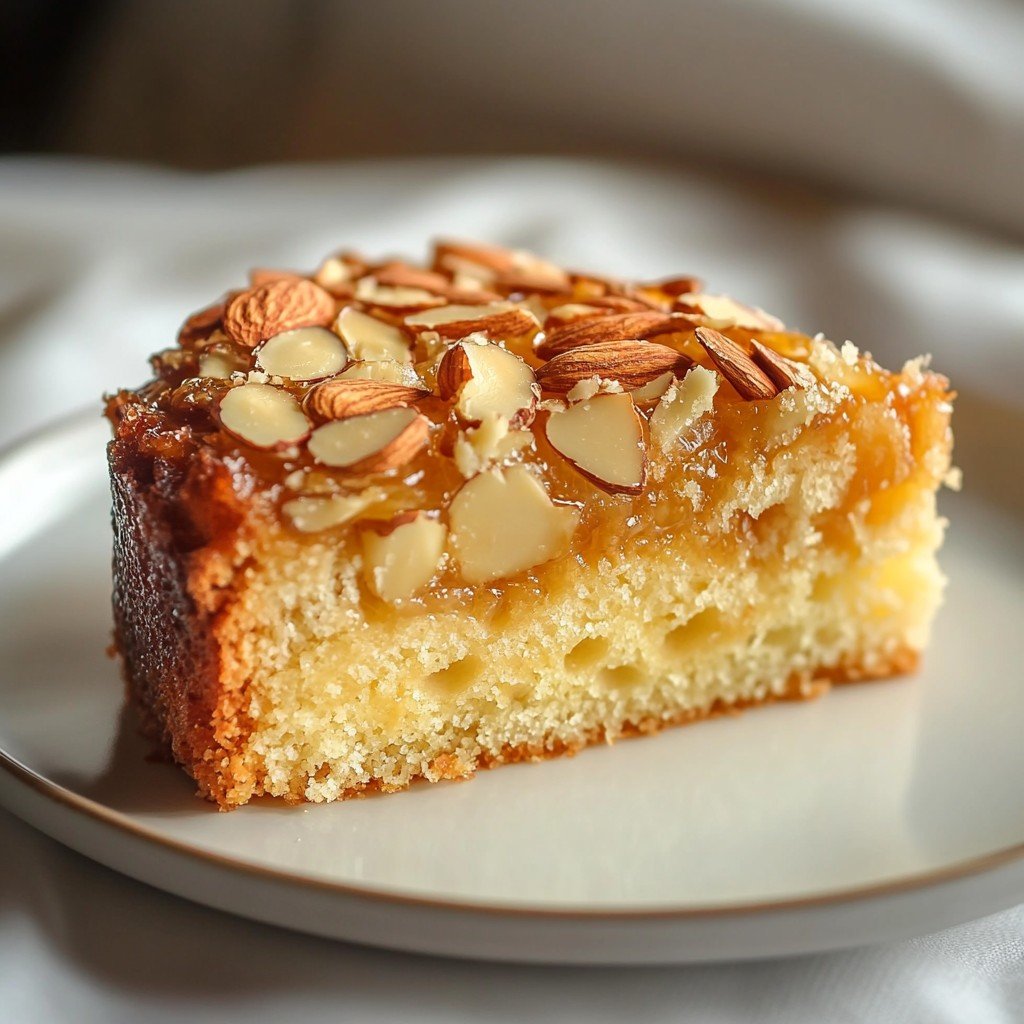
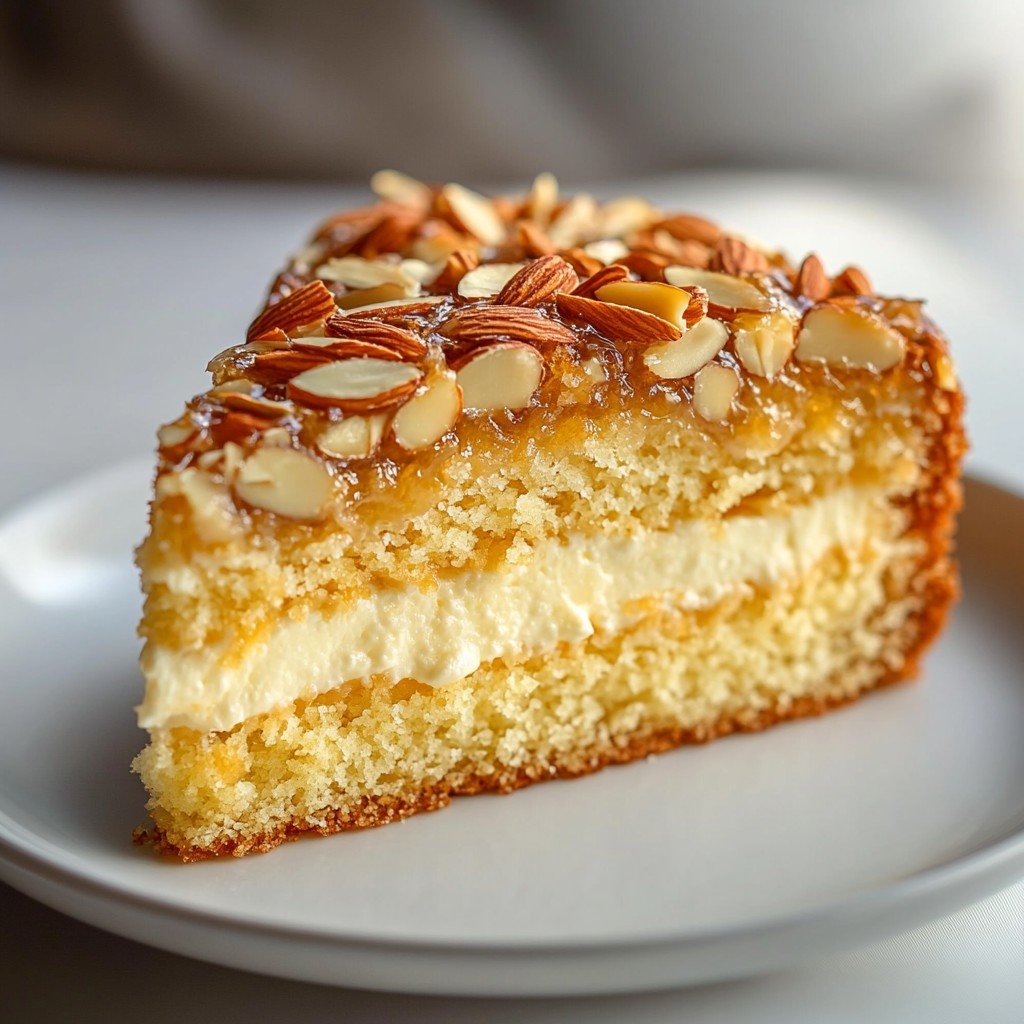
The 3-Step German Bee Sting Cake Dessert, known as Bienenstich in Germany, is a beloved classic layered cake that brings together a light, yeasted dough, a creamy filling, and a buttery, honey-almond topping.
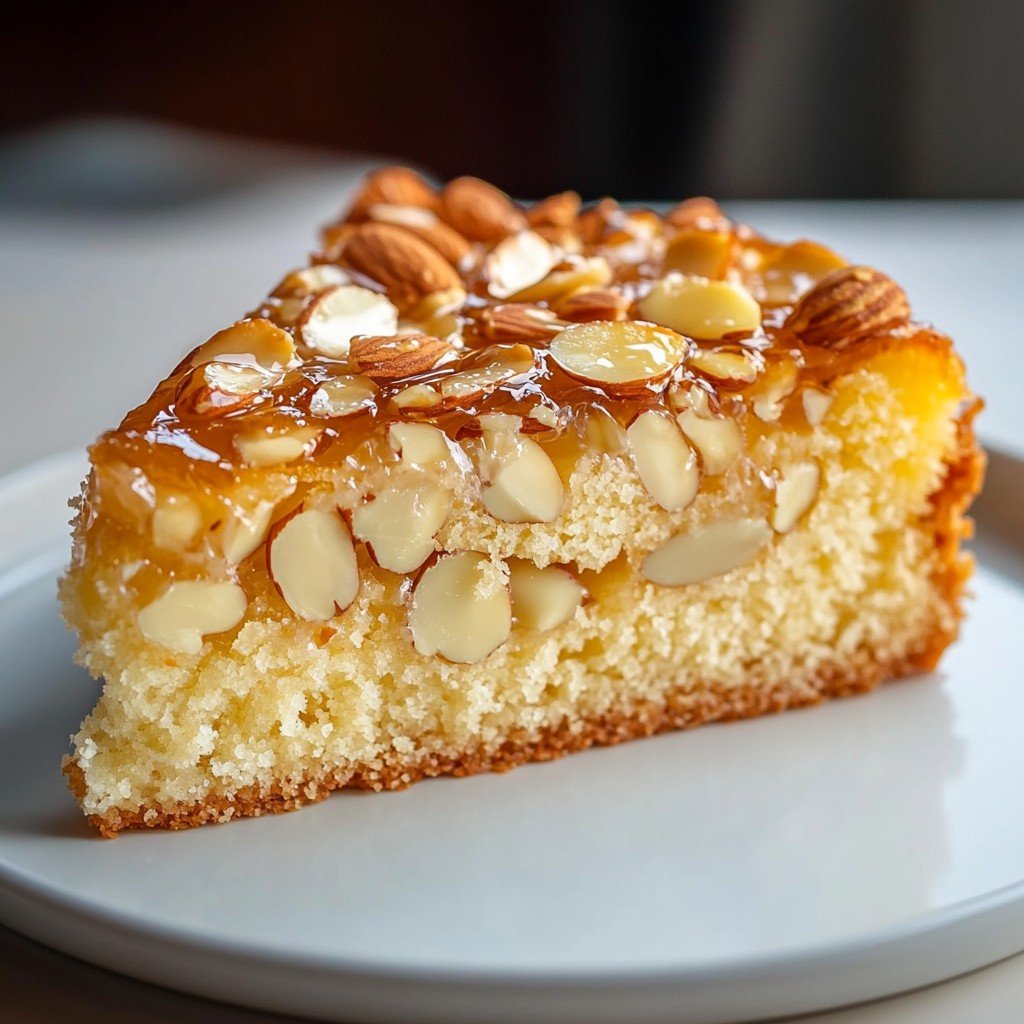
Traditionally, this cake has been enjoyed in German households for generations, frequently served during coffee breaks or special family gatherings.
Its intriguing name, 'bee sting,' is said to be inspired by the honey used in the glaze or perhaps a centuries-old legend about a baker who was stung by a bee while making the cake.
The soft, pillowy dough paired with the crunchy, caramelized almond topping creates a sensational texture contrast, while the rich vanilla custard or whipped cream inside ensures decadence with every bite. Today, this cake transcends borders, delighting dessert lovers worldwide with its unique flavor and simplicity. The best part?
You can recreate this authentic treat right at home using an easy, three-step process. This recipe is not only perfect for those who are new to baking but also ideal for anyone seeking a sweet, memorable dessert to round out a special meal.
Stay tuned as we delve into this foolproof recipe for a 3-Step German Bee Sting Cake Dessert that will soon become a staple in your kitchen.
Ingredients
- 2 cups all-purpose flour
- 1/3 cup granulated sugar
- 1/4 teaspoon salt
- 1 packet (2 1/4 teaspoons) active dry yeast
- 2/3 cup lukewarm milk
- 1/4 cup unsalted butter, melted
- 2 large eggs
- 1 teaspoon pure vanilla extract
- 3/4 cup sliced almonds
- 1/3 cup honey
- 3 tablespoons unsalted butter (for topping)
- 1/4 cup granulated sugar (for topping)
- 2 cups whole milk (for custard filling)
- 1/2 cup granulated sugar (for custard filling)
- 1/4 cup cornstarch
- 1 large egg yolk
- 2 teaspoons pure vanilla extract (for custard filling)
- 1/4 cup unsalted butter (for custard filling)
Instructions
- Prepare the Yeast Dough: In a large mixing bowl, blend together flour, sugar, and salt. In a separate cup, dissolve yeast in lukewarm milk and let it sit for 5 minutes until foamy. Add melted butter, eggs, and vanilla extract to the dry mixture, then stir in the yeast mixture. Knead into a smooth, elastic dough, then cover and let it rise until doubled in size, about 60 minutes.
- Make the Almond-Honey Topping: While the dough rises, prepare the topping by melting 3 tablespoons butter in a saucepan. Stir in honey and 1/4 cup sugar, then add sliced almonds. Cook for 2-3 minutes until slightly thickened. Set aside to cool. Once the dough has risen, press it into a greased 9-inch springform pan, spread the almond-honey mixture evenly on top, and let it rest 15 minutes. Bake in a preheated oven at 350°F (175°C) for 25-30 minutes, or until golden. Cool completely.
- Prepare the Custard Filling & Assemble: For the filling, heat 2 cups milk in a saucepan. In a bowl, whisk together 1/2 cup sugar, egg yolk, cornstarch, and vanilla. Slowly pour hot milk over this mixture, whisking constantly. Return to saucepan and cook until thickened, then stir in 1/4 cup butter. Cool and chill custard. Slice the cooled cake horizontally and spread the custard filling evenly over the bottom layer. Replace the top with the almond-honey side facing up, and gently press. Refrigerate for at least 1 hour before serving.
Nutritional Information
German Bee Sting Cake may look indulgent, but when enjoyed in moderation, it can fit into a balanced diet. Each slice of this 3-Step German Bee Sting Cake Dessert contains approximately 340 to 380 calories, depending on topping thickness and filling.
A typical serving provides about 17 grams of fat, with a mix of healthy fats from almonds and some saturated fats from butter. Protein content is moderate, owing to eggs and milk, at around 6 grams per serving.
Carbohydrates land between 40 and 45 grams, primarily from refined sugars, flour, and honey. The almond topping delivers a subtle boost of vitamin E, while dairy elements supply calcium and vitamin D.
Although this dessert is not low-sugar or gluten-free, it is free from artificial additives and can be modified with lower-sugar options or plant-based milk. As always, mindful portion sizes are key, and enjoying Bee Sting Cake as an occasional treat can easily be part of a wholesome eating plan.
Pair it with a bowl of fresh berries for a splash of color and a fiber boost, rounding out your dessert experience.
Wine and Beverage Pairings
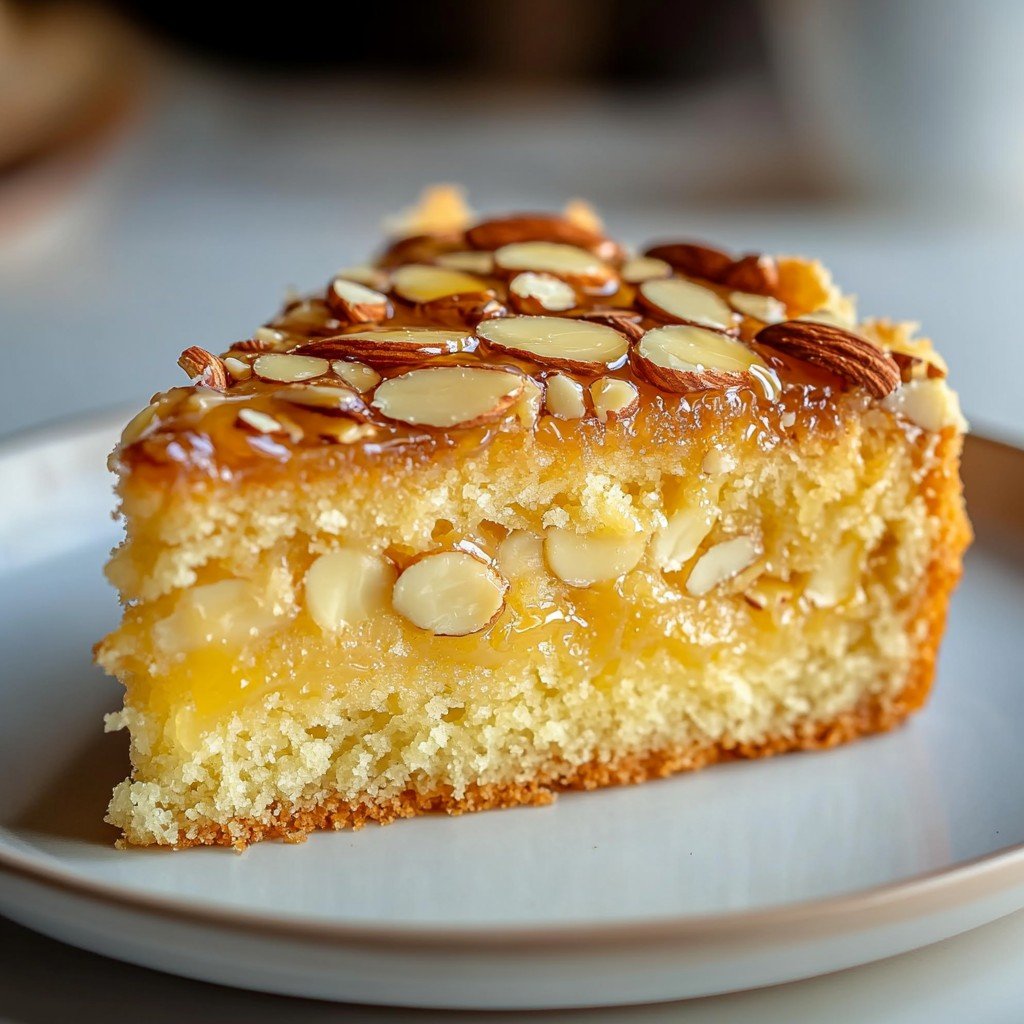
The rich flavors and textures of the 3-Step German Bee Sting Cake Dessert call for a thoughtful beverage pairing. A medium-bodied Riesling, either off-dry or slightly sweet, harmonizes beautifully with the honey-almond top notes and creamy filling, balancing the dessert's sweetness.
For coffee lovers, a strong cup of robust German-style coffee or a creamy cappuccino is an ideal match, cutting through the richness and enhancing the cake’s aromatic depth. Herbal teas, especially those with floral undertones like chamomile or elderflower, offer a gentle contrast and help cleanse the palate between bites.
If you prefer non-alcoholic options, consider a chilled glass of almond or vanilla-flavored milk, which echoes the cake's own nutty and sweet vanilla notes.
Cooking Tips and Variations
Crafting the perfect 3-Step German Bee Sting Cake Dessert is all about precision and patience. Start by ensuring your yeast is fresh and your milk is only lukewarm—not too hot, or you risk killing the yeast and impacting the cake’s rise.
When mixing the dough, a stand mixer with a dough hook makes kneading much easier, but you can knead by hand if needed, aiming for a soft, springy texture.
For the classic topping, use quality honey for a deep, floral flavor, but feel free to experiment with orange blossom or acacia honey for unique twists. Toasting the almond slices briefly before mixing them with the honey can deepen their flavor and add crunch.
The custard filling can be swapped with whipped cream or a vanilla pudding mix in a pinch if you’re short on time. For a lighter version, use low-fat milk and reduce the sugar in the filling to taste.
If you want to get creative, fold in a spoonful of raspberry or apricot preserves over the custard for a fruity surprise.
Gluten-free flour blends also work well in the dough for those with dietary restrictions—just monitor the consistency and add a little more liquid if the dough is too dry. For a bit of zest, add a touch of grated lemon peel to the custard.
Remember, this cake tastes best after chilling, so don’t rush the resting period after assembly.
Serving Suggestions
The 3-Step German Bee Sting Cake Dessert is a show-stopping centerpiece, ideal for afternoon teas, celebrations, and family gatherings. Serve it chilled, sliced into handsome wedges, using a sharp serrated knife to keep the almond topping intact.
For a festive touch, present the slices on a tiered cake platter garnished with edible flowers or a scattering of extra almond flakes. Pair each slice with a dollop of lightly whipped cream or a scoop of vanilla bean ice cream to amplify its creamy filling.
For a seasonal flourish, add fresh berries or a fruit compote on the side, which lends tartness to contrast the cake’s sweetness. This cake is best enjoyed within 24 hours of assembly, as the topping remains crisp and the filling firm.
If serving at a party, prepare the cake in advance and refrigerate until just before serving; allow it to sit at room temperature for 10 minutes so the flavors fully unfold. Individual plates with decorative forks or cake servers elevate the dessert’s aesthetic, making your guests’ experience truly memorable.
For leftover slices, store them in an airtight container in the refrigerator to maintain their texture and taste.
Health Benefits
Although the 3-Step German Bee Sting Cake Dessert is a sweet treat, it does come with some nutritional perks, primarily due to its almonds and dairy components.
Almonds are a powerhouse of healthy monounsaturated fats, vitamin E, and essential minerals such as magnesium, contributing to heart health and offering antioxidant properties. Eggs and milk supply quality protein and essential amino acids, important for muscle repair and overall wellness.
The cake’s honey element, while adding sweetness, also brings antibacterial and anti-inflammatory benefits compared to refined sugars. For those looking to make it a bit healthier, using whole-grain flour or reducing sugar in the filling can help manage calorie intake and increase fiber.
Incorporating a side of fresh fruit can help round out the meal’s nutritional profile. As with all desserts, moderation is key—enjoy this cake as an occasional indulgence alongside a balanced diet, taking advantage of the beneficial nutrients within its wholesome ingredients.
Frequently Asked Questions
Yes, it’s best made a day ahead. Assemble the cake, cover, and refrigerate. The flavors meld beautifully overnight, while the topping remains crisp.
While the baked cake base and topping freeze well for up to two months, it’s best to assemble with the custard filling after thawing, as the filling can change texture in the freezer.
Absolutely! Swapping in whipped cream, pastry cream, or even a flavored pudding is a great way to vary the cake based on your preferences.
Use a sharp, serrated knife and cut in a gentle sawing motion. Chilling the cake before slicing also helps keep the almond topping intact.
Yes, substitute the flour with a reliable gluten-free baking blend. Check the package for proportions and monitor the dough texture for best results.
The 3-Step German Bee Sting Cake Dessert is the perfect fusion of tradition, simplicity, and indulgence. Its tender, yeasted cake, luscious vanilla custard, and crisp honey-almond topping come together in an irresistible treat that is sure to impress family and friends. Not only is this recipe approachable for both novice and experienced bakers, but its adaptable nature invites creativity and personalization. Whether you enjoy it with coffee, tea, or a glass of wine, this dessert delivers both comfort and celebration in every bite. With the valuable tips, serving ideas, and FAQs provided here, you’re ready to bring a true taste of Germany into your kitchen—no passport required.
Ingredients
- 2 cups all-purpose flour
- 1/3 cup granulated sugar
- 1/4 teaspoon salt
- 1 packet (2 1/4 teaspoons) active dry yeast
- 2/3 cup lukewarm milk
- 1/4 cup unsalted butter, melted
- 2 large eggs
- 1 teaspoon pure vanilla extract
- 3/4 cup sliced almonds
- 1/3 cup honey
- 3 tablespoons unsalted butter (for topping)
- 1/4 cup granulated sugar (for topping)
- 2 cups whole milk (for custard filling)
- 1/2 cup granulated sugar (for custard filling)
- 1/4 cup cornstarch
- 1 large egg yolk
- 2 teaspoons pure vanilla extract (for custard filling)
- 1/4 cup unsalted butter (for custard filling)
Instructions
-
1Prepare the Yeast Dough: In a large mixing bowl, blend together flour, sugar, and salt. In a separate cup, dissolve yeast in lukewarm milk and let it sit for 5 minutes until foamy. Add melted butter, eggs, and vanilla extract to the dry mixture, then stir in the yeast mixture. Knead into a smooth, elastic dough, then cover and let it rise until doubled in size, about 60 minutes.
-
2Make the Almond-Honey Topping: While the dough rises, prepare the topping by melting 3 tablespoons butter in a saucepan. Stir in honey and 1/4 cup sugar, then add sliced almonds. Cook for 2-3 minutes until slightly thickened. Set aside to cool. Once the dough has risen, press it into a greased 9-inch springform pan, spread the almond-honey mixture evenly on top, and let it rest 15 minutes. Bake in a preheated oven at 350°F (175°C) for 25-30 minutes, or until golden. Cool completely.
-
3Prepare the Custard Filling & Assemble: For the filling, heat 2 cups milk in a saucepan. In a bowl, whisk together 1/2 cup sugar, egg yolk, cornstarch, and vanilla. Slowly pour hot milk over this mixture, whisking constantly. Return to saucepan and cook until thickened, then stir in 1/4 cup butter. Cool and chill custard. Slice the cooled cake horizontally and spread the custard filling evenly over the bottom layer. Replace the top with the almond-honey side facing up, and gently press. Refrigerate for at least 1 hour before serving.
Approximate Information for One Serving
Nutrition Disclaimers
Number of total servings shown is approximate. Actual number of servings will depend on your preferred portion sizes.
Nutritional values shown are general guidelines and reflect information for 1 serving using the ingredients listed, not including any optional ingredients. Actual macros may vary slightly depending on specific brands and types of ingredients used.
To determine the weight of one serving, prepare the recipe as instructed. Weigh the finished recipe, then divide the weight of the finished recipe (not including the weight of the container the food is in) by the desired number of servings. Result will be the weight of one serving.
Did you make this recipe?
Please consider Pinning it!