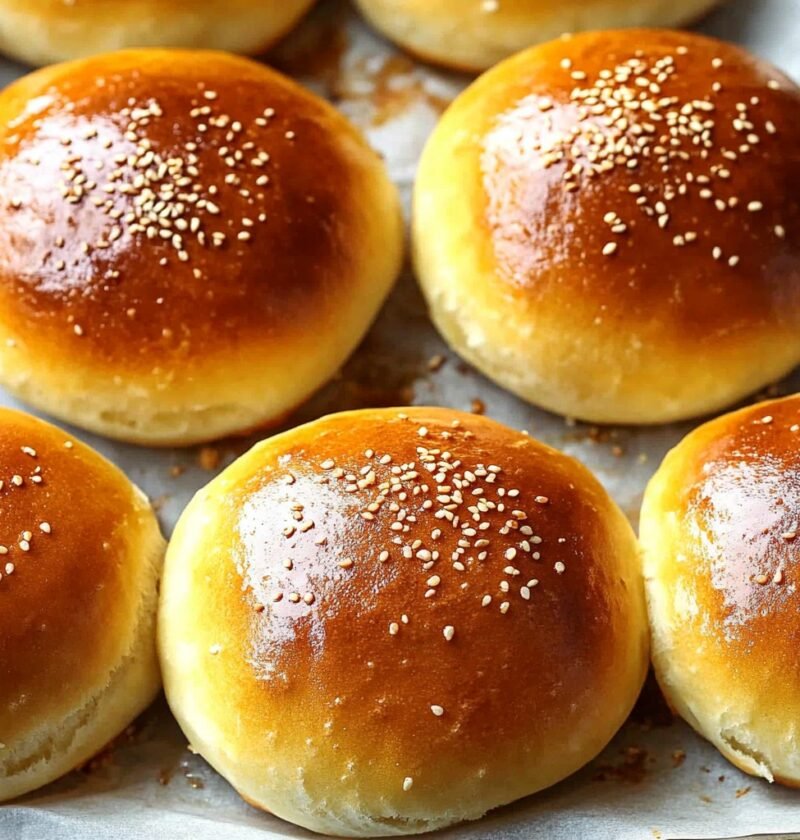
There is something truly special about homemade bread, and hamburger buns are no exception. With the rise of home baking, especially among beginners, simplicity and minimal ingredients have become highly desirable.
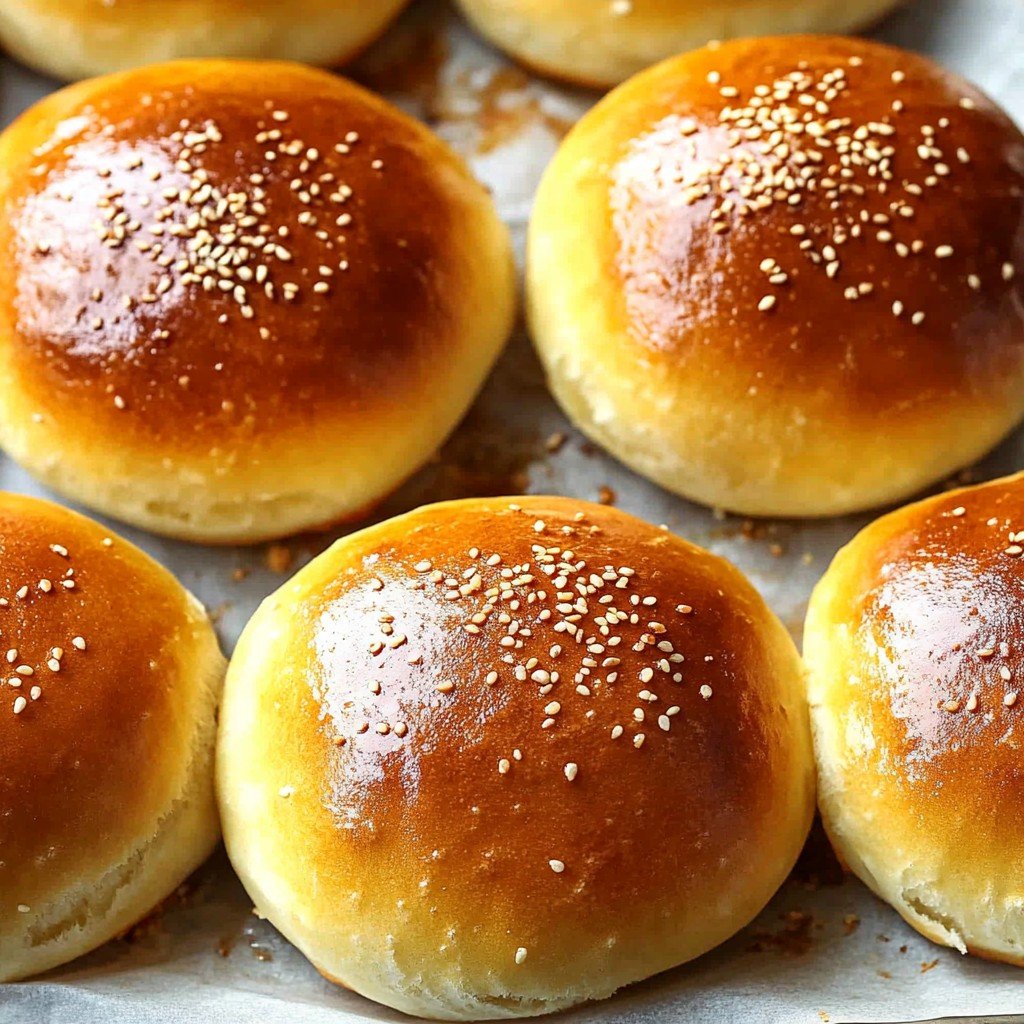
The '5-Ingredient Easy Homemade Bread for Beginners Hamburger Buns' recipe is designed with these priorities in mind, blending traditional flavors with modern convenience.
Hamburger buns, originally gaining popularity in the early 20th century alongside the rise of burgers in American cuisine, have become a staple for backyard barbecues, family gatherings, and quick weeknight meals.
Traditionally, making bread could seem intimidating with complex steps and hard-to-find ingredients, but this recipe simplifies the process without sacrificing flavor or texture. Using flour, yeast, sugar, salt, and water, anyone—from seasoned bakers to first-time cooks—can create soft, fluffy buns perfect for hamburgers or sandwiches.
Achieving fresh, homemade burger buns without additives or preservatives means you control every ingredient, supporting a healthier lifestyle. This recipe cuts through the confusion, ensuring even absolute beginners achieve bakery-quality results.
Whether you’re hosting a party, meal prepping for the week, or simply craving a homemade touch to your burger, these buns will elevate your meal and impress your guests.
With tips on customization, serving, and health benefits, this comprehensive guide is all you need for mastering '5-Ingredient Easy Homemade Bread for Beginners Hamburger Buns.'
Ingredients
- 3 1/2 cups all-purpose flour
- 2 1/4 teaspoons active dry yeast (1 standard packet)
- 2 tablespoons granulated sugar
- 1 1/4 teaspoons salt
- 1 1/4 cups warm water (110°F/43°C)
Instructions
- In a large mixing bowl, combine the warm water, sugar, and yeast. Stir gently and let the mixture sit for 5-10 minutes until it becomes frothy, indicating the yeast is active.
- Add the flour and salt to the bowl. Stir with a wooden spoon or dough hook until a shaggy dough forms.
- Turn the dough out onto a lightly floured surface and knead for about 8-10 minutes until the dough is smooth and elastic.
- Place the kneaded dough in a lightly greased bowl, cover it with a clean towel or plastic wrap, and let it rise in a warm, draft-free place for approximately 1 to 1.5 hours, or until doubled in size.
- Punch down the risen dough to release excess air, then divide it into 8 equal pieces for large buns (or 10-12 pieces for smaller buns).
- Shape each piece into a smooth ball by pulling the edges under and pinching them together. Place the shaped balls onto a parchment-lined baking sheet, spacing them a few inches apart.
- Gently flatten each ball with your palm to form a classic hamburger bun shape.
- Cover the shaped buns loosely with a towel and let them rise again for 30-40 minutes until puffy.
- Preheat your oven to 375°F (190°C) while the buns perform their second rise.
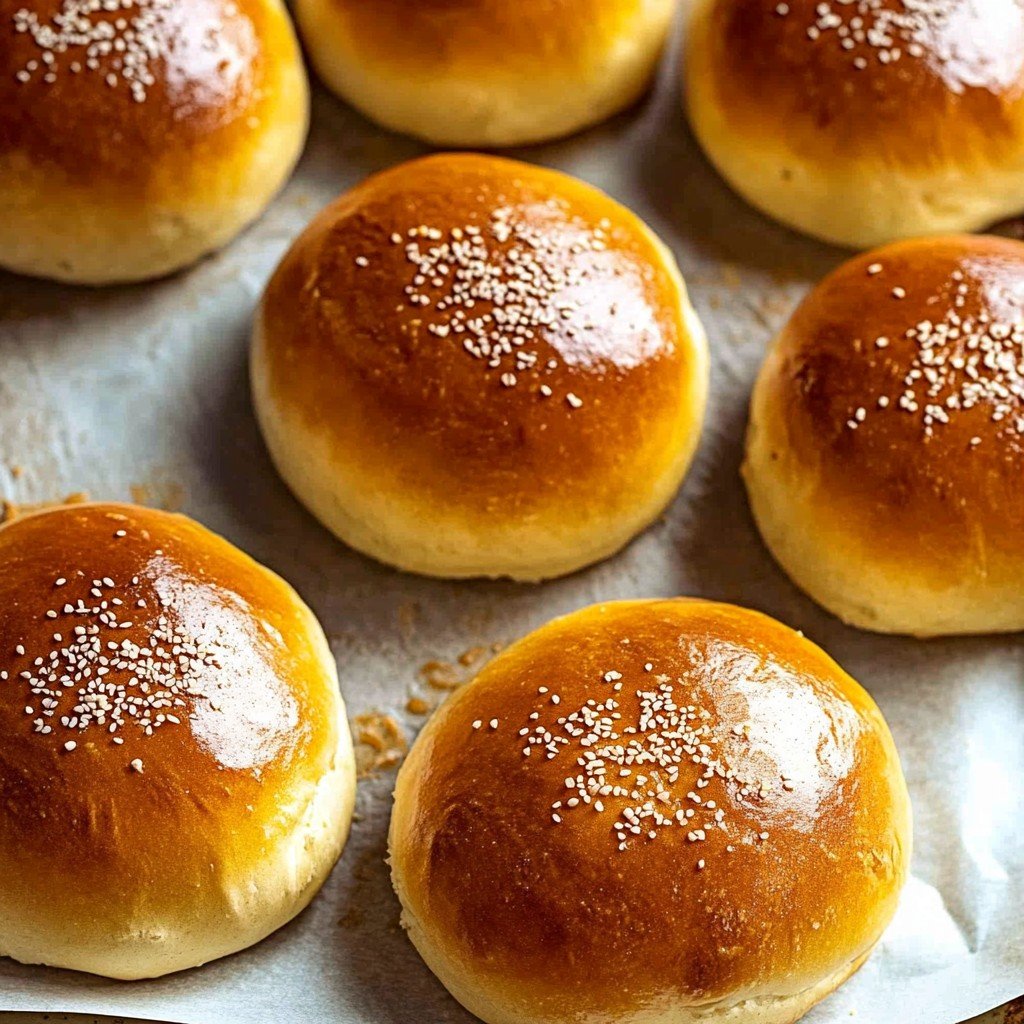
- Bake the buns in the preheated oven for 15-18 minutes, or until the tops are golden brown and the buns sound hollow when tapped.
- Remove the buns from the oven and let them cool on a wire rack before slicing and serving.
Nutritional Information
Each homemade hamburger bun, made with basic ingredients, is generally lower in preservatives and artificial additives compared to store-bought varieties. On average, one bun contains approximately 170-190 calories, 37 grams of carbohydrates, 5 grams of protein, and less than 1 gram of fat.
The sodium content is manageable, particularly since you control the amount of salt used in the recipe. Homemade buns also offer small but beneficial amounts of iron and B-vitamins, deriving from the flour used.
Since no eggs, milk, or butter is added, these buns are naturally dairy-free and vegan-friendly (provided your yeast is vegan), making them suitable for a wide range of diets.
While these buns are a source of carbohydrates—fueling your body’s energy needs—they can be enjoyed in moderation as part of a balanced meal. Pairing the buns with lean meats, plant-based patties, fresh lettuce, tomato, and other vegetables boosts the overall nutritional value.
If you wish to increase the fiber and micronutrient content, consider substituting a portion of all-purpose flour with whole wheat flour. This easy, five-ingredient recipe proves that homemade can be both healthy and delicious, empowering you to make informed choices about what you eat.

Wine and Beverage Pairings
A classic pairing for these homemade hamburger buns would be a refreshing iced tea, homemade lemonade, or a light, crisp lager if you prefer beer with your meal.
For wine enthusiasts, a youthful and fruity red wine such as a Beaujolais or Pinot Noir works harmoniously with the savory flavors of a burger, providing balance without overpowering the palate. For non-alcoholic choices, sparkling water infused with citrus or berry flavors adds a festive, thirst-quenching touch.
Children and adults alike will enjoy a homemade fruit punch or smoothie as a wholesome, vitamin-rich complement. When serving these buns with veggie burgers or lighter fillings, a chilled white wine like Sauvignon Blanc or a dry rosé can be particularly delightful.
Ultimately, the perfect beverage pairing will depend on the burger toppings and side dishes you serve with your homemade buns.
Cooking Tips and Variations
To get the most out of your 5-Ingredient Easy Homemade Bread for Beginners Hamburger Buns recipe, pay attention to a few crucial tips and creative variations.
First, ensure your yeast is active and alive by allowing it to froth properly in the sugar-water mixture; expired or inactive yeast can result in dense, heavy buns. Temperature matters—use water that's warm, not hot, as overly hot water can kill the yeast.
For a softer crust, consider brushing the buns with a little water or dairy-free milk just before baking. For a golden sheen, brush with a beaten egg, though this will add an extra ingredient and make the buns non-vegan.
If you want to infuse extra flavor, optional add-ins can include dried herbs such as rosemary, thyme, or oregano, or a sprinkle of sesame or poppy seeds on top.
For whole grain buns, substitute up to half of the all-purpose flour with whole wheat flour, keeping in mind that whole wheat absorbs more water and may require slight adjustment. You can also make slider-size buns by dividing the dough into smaller portions.
For faster rising, place the dough in a slightly warm (but turned-off) oven to speed up proofing. Finally, these buns freeze well—simply allow them to cool completely, then store in an airtight bag or container for up to three months.
With these adaptable techniques, even beginner bakers can customize the buns to suit personal tastes or diet preferences.
Serving Suggestions
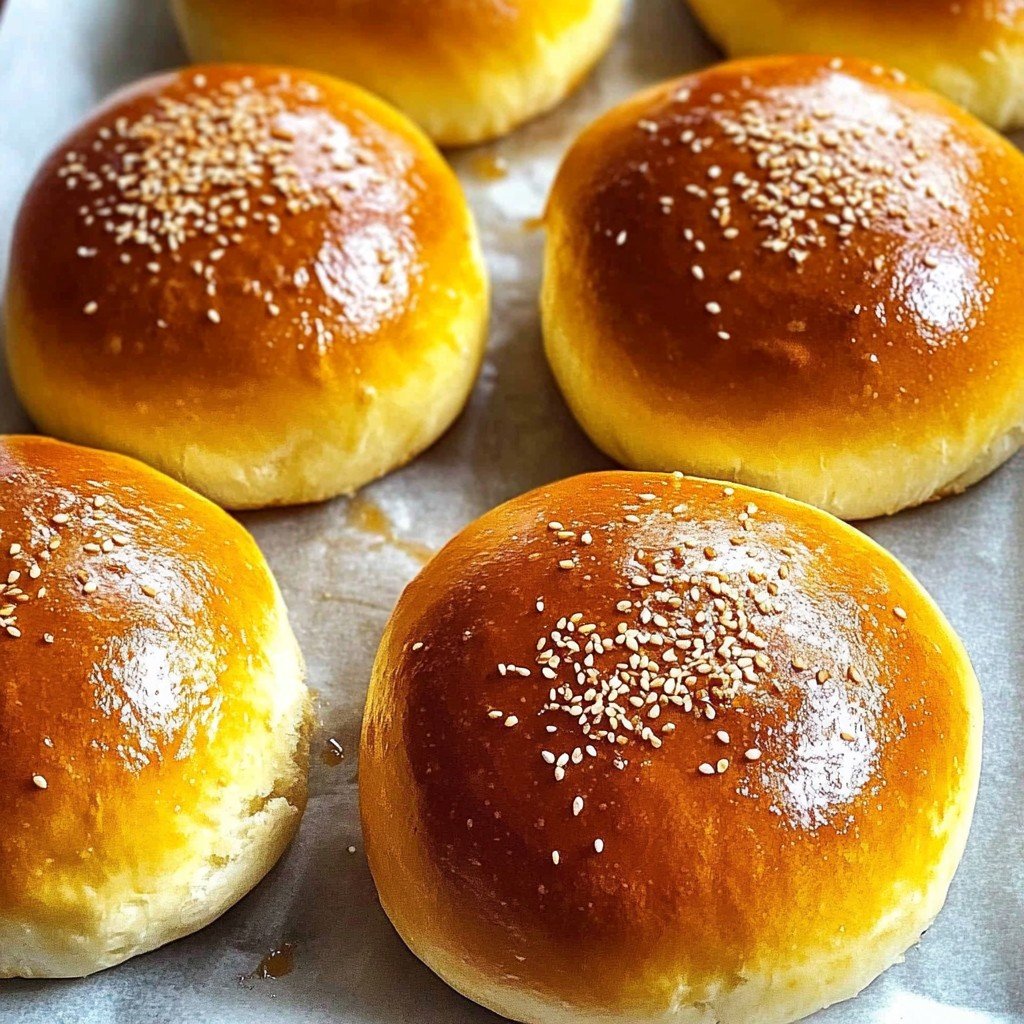
The best part about 5-Ingredient Easy Homemade Bread for Beginners Hamburger Buns is their versatility at the table. These buns are the ultimate foundation for classic hamburgers, whether you're grilling juicy beef patties, chicken breasts, or plant-based alternatives.
After allowing the buns to cool completely, carefully slice them horizontally to create a perfect canvas for your burger creations. For optimal texture and flavor, consider toasting the sliced buns lightly in a skillet or under a broiler before adding your fillings.
Beyond burgers, these homemade buns can serve as bases for breakfast sandwiches, pulled pork sliders, and even mini pizzas—a testament to their adaptability. Serve them warm alongside homemade soups and salads for a hearty, comforting meal, or use them to craft picnic sandwiches for outdoor outings.
Toppings and condiments can be as traditional or creative as you desire—think crisp lettuce, garden-fresh tomatoes, sliced pickles, creamy avocado, and a variety of cheeses. Accompany your burgers with classic sides like baked fries, coleslaw, or grilled corn on the cob for a satisfying meal fit for any occasion.
Whether you’re preparing a casual family dinner or hosting a weekend barbecue, these easy homemade buns make every meal feel special.
Health Benefits
The simple ingredient list of 5-Ingredient Easy Homemade Bread for Beginners Hamburger Buns provides distinct health advantages, especially when compared to many store-bought options laden with additives and preservatives. By making your own buns at home, you ensure each portion is free from unnecessary chemicals and excess sugars.
The recipe is egg-free and dairy-free, making it a good fit for those with allergies or dietary restrictions such as vegetarians and vegans. Whole wheat flour substitutions can further increase dietary fiber, supporting digestive health and providing longer-lasting satiety.
By controlling the sodium content, you help maintain healthy blood pressure levels. The carbohydrates in the buns provide a steady source of energy, particularly beneficial as part of an active lifestyle.
Homemade bread also encourages mindful eating, as preparing and baking from scratch can foster greater awareness of portion sizes and ingredients. Paired with lean protein, fresh greens, and colorful vegetables, these buns can be a wholesome part of a balanced diet.
Moderation is key, but enjoying homemade bread with proper nutrition in mind adds to both the pleasure and the healthfulness of your meals.
Frequently Asked Questions
Yes, you can substitute the all-purpose flour with a reliable one-to-one gluten-free flour blend designed for bread baking. Keep in mind that gluten-free doughs may be stickier and may not rise as much, so follow the flour manufacturer’s recommendations and check for texture.
Allow the buns to cool completely before placing them in an airtight container or resealable bag. Store at room temperature for up to 2 days or in the refrigerator for up to 5 days. For longer storage, freeze the cooled buns for up to 3 months.
Absolutely! Before baking, you can lightly brush the shaped dough with water or a beaten egg and sprinkle on sesame seeds, poppy seeds, or dried herbs for extra flavor and texture.
There are several potential reasons, including expired or inactive yeast, water that was too hot or too cold, or not enough rising time. Always ensure your yeast is fresh and the water is warm (not hot), and allow sufficient time for both rises.
Yes, a stand mixer fitted with a dough hook can be used to knead the dough, making the process even easier. Knead on medium speed until the dough is smooth and elastic, usually around 6 to 8 minutes.
With only five essential pantry staples, the 5-Ingredient Easy Homemade Bread for Beginners Hamburger Buns recipe empowers everyone to make bakery-quality buns right at home. Its simplicity removes the intimidation often associated with bread baking, making fresh, delicious results accessible to all. Not only are these buns soft, flavorful, and customizable, but they also support a healthier lifestyle by allowing control of all the ingredients. Whether you’re a beginner looking to master your first bread recipe or a seasoned cook seeking convenience without compromising quality, these buns will become a staple in your kitchen. Paired with your favorite toppings and sides, they transform any meal from ordinary to extraordinary. Embrace the creativity that homemade baking allows and make every gathering memorable with these easy, satisfying hamburger buns.
Ingredients
- 3 1/2 cups all-purpose flour
- 2 1/4 teaspoons active dry yeast (1 standard packet)
- 2 tablespoons granulated sugar
- 1 1/4 teaspoons salt
- 1 1/4 cups warm water (110°F/43°C)
Instructions
-
1In a large mixing bowl, combine the warm water, sugar, and yeast. Stir gently and let the mixture sit for 5-10 minutes until it becomes frothy, indicating the yeast is active.
-
2Add the flour and salt to the bowl. Stir with a wooden spoon or dough hook until a shaggy dough forms.
-
3Turn the dough out onto a lightly floured surface and knead for about 8-10 minutes until the dough is smooth and elastic.
-
4Place the kneaded dough in a lightly greased bowl, cover it with a clean towel or plastic wrap, and let it rise in a warm, draft-free place for approximately 1 to 1.5 hours, or until doubled in size.
-
5Punch down the risen dough to release excess air, then divide it into 8 equal pieces for large buns (or 10-12 pieces for smaller buns).
-
6Shape each piece into a smooth ball by pulling the edges under and pinching them together. Place the shaped balls onto a parchment-lined baking sheet, spacing them a few inches apart.
-
7Gently flatten each ball with your palm to form a classic hamburger bun shape.
-
8Cover the shaped buns loosely with a towel and let them rise again for 30-40 minutes until puffy.
-
9Preheat your oven to 375°F (190°C) while the buns perform their second rise.
-
10Bake the buns in the preheated oven for 15-18 minutes, or until the tops are golden brown and the buns sound hollow when tapped.
-
11Remove the buns from the oven and let them cool on a wire rack before slicing and serving.
Approximate Information for One Serving
Nutrition Disclaimers
Number of total servings shown is approximate. Actual number of servings will depend on your preferred portion sizes.
Nutritional values shown are general guidelines and reflect information for 1 serving using the ingredients listed, not including any optional ingredients. Actual macros may vary slightly depending on specific brands and types of ingredients used.
To determine the weight of one serving, prepare the recipe as instructed. Weigh the finished recipe, then divide the weight of the finished recipe (not including the weight of the container the food is in) by the desired number of servings. Result will be the weight of one serving.
Did you make this recipe?
Please consider Pinning it!