

Swedish Pancakes, internationally celebrated for their delicate texture and subtly sweet flavor, are a Scandinavian culinary treasure enjoyed by families for generations. Known locally as 'Svenska pannkakor,' these pancakes are remarkably different from their thicker American counterparts and more closely resemble French crêpes in their appearance and lightness.

Swedish Pancakes have a rich history that dates back several centuries in Sweden, commonly made to use up dairy and eggs, especially during celebratory occasions and holidays. This delightful breakfast treat is characterized by its paper-thin consistency, soft, buttery layers, and the unmistakable taste that makes them stand apart.
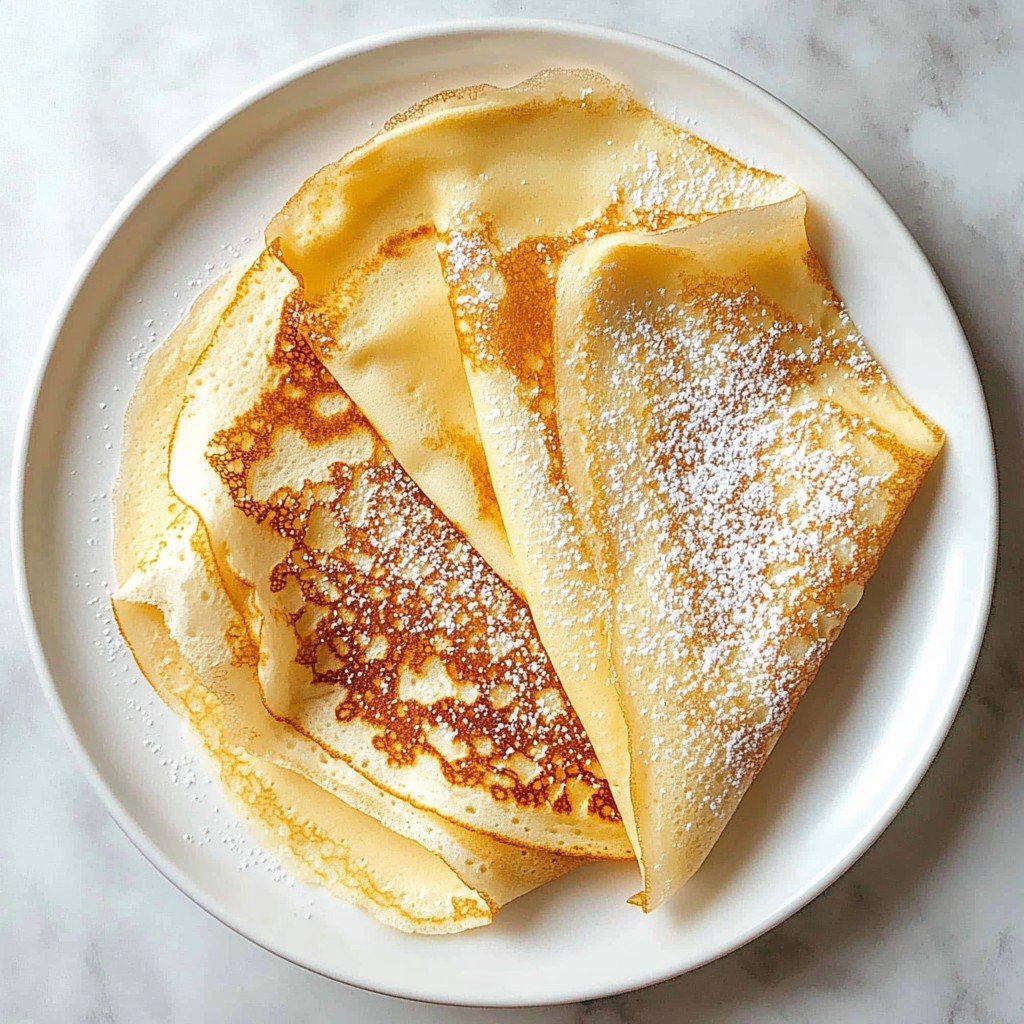
Traditionally served with a dollop of lingonberry jam and a dusting of powdered sugar or fresh whipped cream, Swedish Pancakes have solidified their position not only as a comforting breakfast but also as a festive dessert.
The method for making Swedish pancakes involves creating a thin, smooth batter, pouring it into a lightly greased hot pan, and cooking until just barely golden. The results are pancakes so light and tender that they almost melt in your mouth.
Whether enjoyed at Midsummer, Christmas, or simply as a weekend breakfast indulgence, learning how to make Swedish Pancakes connects you to a long history of Swedish hospitality, warmth, and culinary excellence.
In this guide, you will discover an easy-to-follow recipe using everyday ingredients along with creative serving ideas, nutrition information, and helpful tips to ensure your pancakes turn out perfect every time. Let the delicious tradition of Swedish Pancakes brighten your table and bring a taste of Sweden into your home.
Ingredients
- 1 cup all-purpose flour
- 1 1/2 cups whole milk
- 3 large eggs
- 2 tablespoons granulated sugar
- 1/4 teaspoon salt
- 3 tablespoons unsalted butter, melted (plus more for the pan)
- 1 teaspoon pure vanilla extract (optional)
- Lingonberry jam, for serving
- Powdered sugar, for dusting
- Fresh whipped cream, for serving (optional)
Instructions
- In a medium mixing bowl, whisk together the all-purpose flour, granulated sugar, and salt.
- In a separate large mixing bowl, combine the eggs, milk, and melted butter. Add the vanilla extract if desired and whisk until well blended.
- Slowly add the dry ingredients to the wet mixture, whisking continuously to avoid lumps. Continue to mix until the batter is completely smooth and fluid.
- Let the batter rest for 10-20 minutes. This step helps the flour fully absorb the liquid, resulting in smoother pancakes.
- Heat a nonstick or well-seasoned skillet or crepe pan over medium heat. Add a small amount of butter and swirl to coat the surface.
- Pour about 1/4 cup of batter into the center of the hot pan. Immediately tilt and rotate the pan to spread the batter into a thin, even layer.
- Cook for 1–2 minutes, or until the edges begin to lift and the bottom is lightly golden. Gently flip the pancake with a spatula and cook for another 30–45 seconds on the other side.
- Transfer the cooked pancake to a plate. Repeat with the remaining batter, adding more butter to the pan as needed, and stacking the pancakes as you go.
- Serve warm with lingonberry jam, powdered sugar, and a dollop of fresh whipped cream if desired.
Nutritional Information
Swedish Pancakes are a delicately balanced breakfast, offering a pleasing combination of protein, carbohydrates, and healthy fats. Each pancake contains roughly 110 calories, primarily due to the milk, eggs, and a modest amount of sugar in the batter.
A standard serving of Swedish pancakes (three pancakes) delivers approximately 330 calories, providing about 10 grams of protein, 36 grams of carbohydrates, and 16 grams of fat.
The pancakes are a good source of calcium, thanks to the milk, and provide essential vitamins like B12 and D, as well as iron and potassium from the eggs. These pancakes are naturally low in sodium and can be further reduced by omitting the added salt if desired.
While Swedish Pancakes are often served with lingonberry jam and whipped cream, choosing lighter toppings such as fresh berries, Greek yogurt, or a sprinkle of cinnamon can keep the meal lower in sugar and fat.
By using whole wheat flour as a substitute, you can add extra fiber, making them more filling and improving digestive health.
Swedish Pancakes can be adapted to meet various dietary needs and can easily be made gluten-free using suitable flour alternatives, ensuring everyone can enjoy this delicious and nutritious Scandinavian dish.

Wine and Beverage Pairings
Swedish Pancakes pair beautifully with a variety of beverages to complement their delicate sweetness. For a classic Swedish touch, serve with a robust cup of freshly brewed coffee, much like the Swedes do during 'fika'—the traditional coffee break.
For an alcohol-free brunch, a light fruit tea or sparkling berry lemonade enhances the pancakes’ fruity accompaniments. If you wish to elevate breakfast to brunch or dinner, a crisp, dry sparkling wine such as Prosecco or a fruity Riesling harmonizes with the sweet and tart notes of lingonberry jam.
For a more traditional beverage, try serving alongside chilled Swedish fruit soup or even a mild, non-alcoholic glögg for a cozy winter treat.
Cooking Tips and Variations
Perfecting Swedish Pancakes is easier with a few insider secrets and some adaptability in the kitchen. To achieve the characteristically thin and soft texture, it is essential to use a thinner batter than typical American pancake recipes.
Resting the batter for at least 10–20 minutes allows the gluten to relax and the flour to fully absorb the liquid, which minimizes lumps and gives a smoother consistency.
Cooking at moderate heat is critical—too high a temperature can brown the pancakes too quickly without cooking them through, while too low will prevent the pancakes from crisping lightly at the edges.
Use a well-nonstick skillet or seasoned crepe pan, and remember to butter the pan lightly before each new pancake to impart that signature flavor and avoid sticking. If you prefer sweeter pancakes, a few extra teaspoons of sugar can be added to the batter.
For a dairy-free or gluten-free option, substitute the milk and flour with your preferred alternatives; almond or oat milk and a gluten-free all-purpose blend work remarkably well. Fillings and toppings are another area for creative expression—try seasonal fruits, apple compote, or even savory options like cream cheese and smoked salmon.
The pancakes can be made ahead and reheated gently in a low oven, making them an excellent option for entertaining or meal prep.
Serving Suggestions
Swedish Pancakes are delightfully versatile and look stunning when styled with simple yet elegant garnishes. Traditionally, they are served stacked or rolled, folded into quarters, and placed on a warm platter.
Offer a selection of toppings to let guests personalize their experience—classic lingonberry jam, a dusting of powdered sugar, and a generous dollop of lightly sweetened whipped cream are essential.
For additional color and fresh flavor, add bowls of fresh berries such as strawberries, raspberries, or blueberries, and perhaps a sprig of mint for an aromatic finish.
Swedish Pancakes make an inviting centerpiece for a leisurely weekend breakfast, a celebratory brunch, or even as the sweet finale to a family dinner.
For a Scandinavian-inspired presentation, arrange the pancakes on rustic wooden boards with bowls of jams and creams, or serve them buffet-style with both sweet and savory accompaniments. In Sweden, pancakes are often enjoyed during special occasions like birthdays and holidays, making them suitable for festive gatherings.
Swedish Pancakes are also perfect for entertaining, as you can prepare them in advance and keep them warm in a low oven, freeing you up to enjoy your guests’ company. Serve with freshly brewed coffee, tea, or your choice of sparkling beverage for a welcoming and memorable meal.
Health Benefits
Swedish Pancakes offer several health-conscious options and benefits, making them a sensible choice for a wide audience. With their foundational ingredients of milk, eggs, and a modest amount of flour and sugar, they provide a well-rounded breakfast with essential nutrients such as protein, calcium, and vitamin D.
By adjusting the recipe to use low-fat or plant-based milk, as well as whole wheat or gluten-free flour, Swedish Pancakes can easily be tailored to various dietary requirements including lactose intolerance and gluten sensitivity.
Compared to traditional American pancakes, Swedish Pancakes are thinner and require less oil and sugar, which helps reduce the overall calorie and fat content per serving. Adding fresh fruits as a natural sweetener instead of sugary jams boosts the antioxidant and fiber content, supporting digestive and heart health.
If served with plain yogurt or low-fat cottage cheese, they can also provide probiotics and additional protein. Overall, Swedish Pancakes fit well within a balanced diet and are easily modified for both light and indulgent occasions, blending comfort food with health-conscious choices.

Frequently Asked Questions
Swedish Pancakes are much thinner and more delicate than American pancakes, with a higher ratio of eggs and milk to flour. This gives them a soft, crepe-like texture, while American pancakes are thicker, fluffier, and more cake-like.
Yes, Swedish Pancakes can be made ahead. Stack them between sheets of parchment paper, cover, and refrigerate for up to 2 days. Warm gently in a low oven or microwave before serving.
The classic recipe calls for all-purpose flour, but Swedish Pancakes can easily be made gluten-free by substituting with a good quality gluten-free flour blend. The texture will remain similar to the traditional version.
Lingonberry jam and powdered sugar are classic toppings, often served with a dollop of fresh whipped cream. Other favorites include fresh berries, honey, or a spoonful of yogurt.
A nonstick or well-seasoned skillet is recommended to prevent sticking, but well-buttered cast iron pans can also be used with great results. Ensure the surface is evenly heated before pouring in the batter.
Swedish Pancakes, with their thin, tender layers and subtly sweet flavor, embody the warmth and simplicity of Scandinavian home cooking. This classic dish, enjoyed for generations across Sweden, brings elegance and comfort to breakfast tables around the world. With a straightforward ingredient list, adaptable dietary options, and endless opportunities for delicious toppings, Swedish Pancakes invite creativity and celebration into any meal. Whether served for a festive brunch or a quiet morning at home, these pancakes delight the senses and connect all who enjoy them to the cherished traditions of Swedish cuisine. Embrace the joy of making and sharing Swedish Pancakes and create memorable moments with this beloved recipe.
Ingredients
- 1 cup all-purpose flour
- 1 1/2 cups whole milk
- 3 large eggs
- 2 tablespoons granulated sugar
- 1/4 teaspoon salt
- 3 tablespoons unsalted butter, melted (plus more for the pan)
- 1 teaspoon pure vanilla extract (optional)
- Lingonberry jam, for serving
- Powdered sugar, for dusting
- Fresh whipped cream, for serving (optional)
Instructions
-
1In a medium mixing bowl, whisk together the all-purpose flour, granulated sugar, and salt.
-
2In a separate large mixing bowl, combine the eggs, milk, and melted butter. Add the vanilla extract if desired and whisk until well blended.
-
3Slowly add the dry ingredients to the wet mixture, whisking continuously to avoid lumps. Continue to mix until the batter is completely smooth and fluid.
-
4Let the batter rest for 10-20 minutes. This step helps the flour fully absorb the liquid, resulting in smoother pancakes.
-
5Heat a nonstick or well-seasoned skillet or crepe pan over medium heat. Add a small amount of butter and swirl to coat the surface.
-
6Pour about 1/4 cup of batter into the center of the hot pan. Immediately tilt and rotate the pan to spread the batter into a thin, even layer.
-
7Cook for 1–2 minutes, or until the edges begin to lift and the bottom is lightly golden. Gently flip the pancake with a spatula and cook for another 30–45 seconds on the other side.
-
8Transfer the cooked pancake to a plate. Repeat with the remaining batter, adding more butter to the pan as needed, and stacking the pancakes as you go.
-
9Serve warm with lingonberry jam, powdered sugar, and a dollop of fresh whipped cream if desired.
Approximate Information for One Serving
Nutrition Disclaimers
Number of total servings shown is approximate. Actual number of servings will depend on your preferred portion sizes.
Nutritional values shown are general guidelines and reflect information for 1 serving using the ingredients listed, not including any optional ingredients. Actual macros may vary slightly depending on specific brands and types of ingredients used.
To determine the weight of one serving, prepare the recipe as instructed. Weigh the finished recipe, then divide the weight of the finished recipe (not including the weight of the container the food is in) by the desired number of servings. Result will be the weight of one serving.
Did you make this recipe?
Please consider Pinning it!