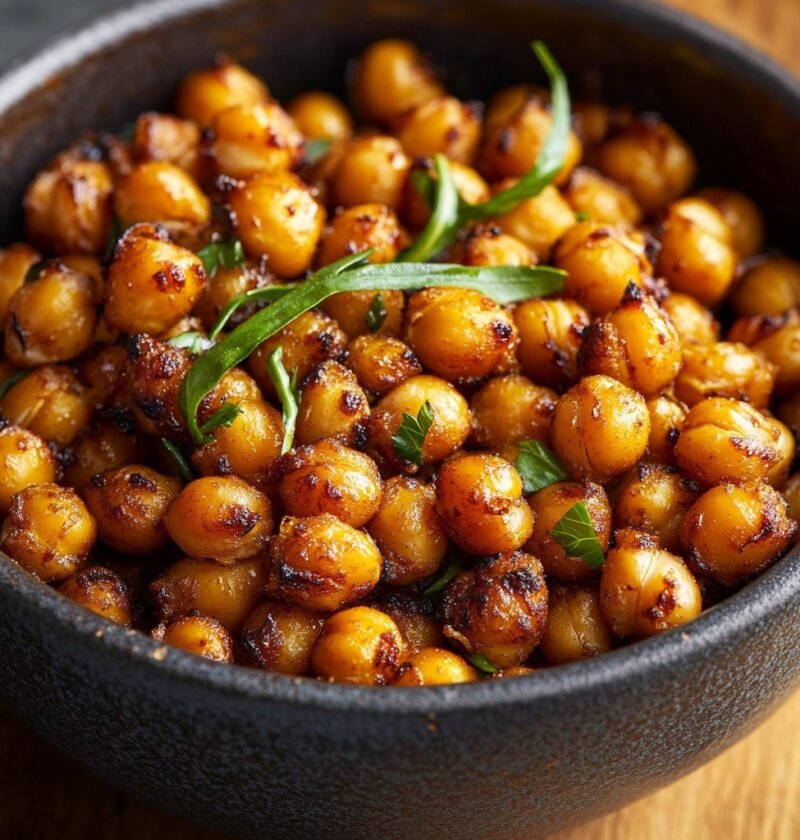
Anti-inflammatory curried chickpeas are quickly becoming a staple in kitchens worldwide, combining delectable flavor with powerhouse health benefits. As plant-based diets gain in popularity, recipes like anti-inflammatory curried chickpeas shine for their rich taste and ability to support overall wellness.
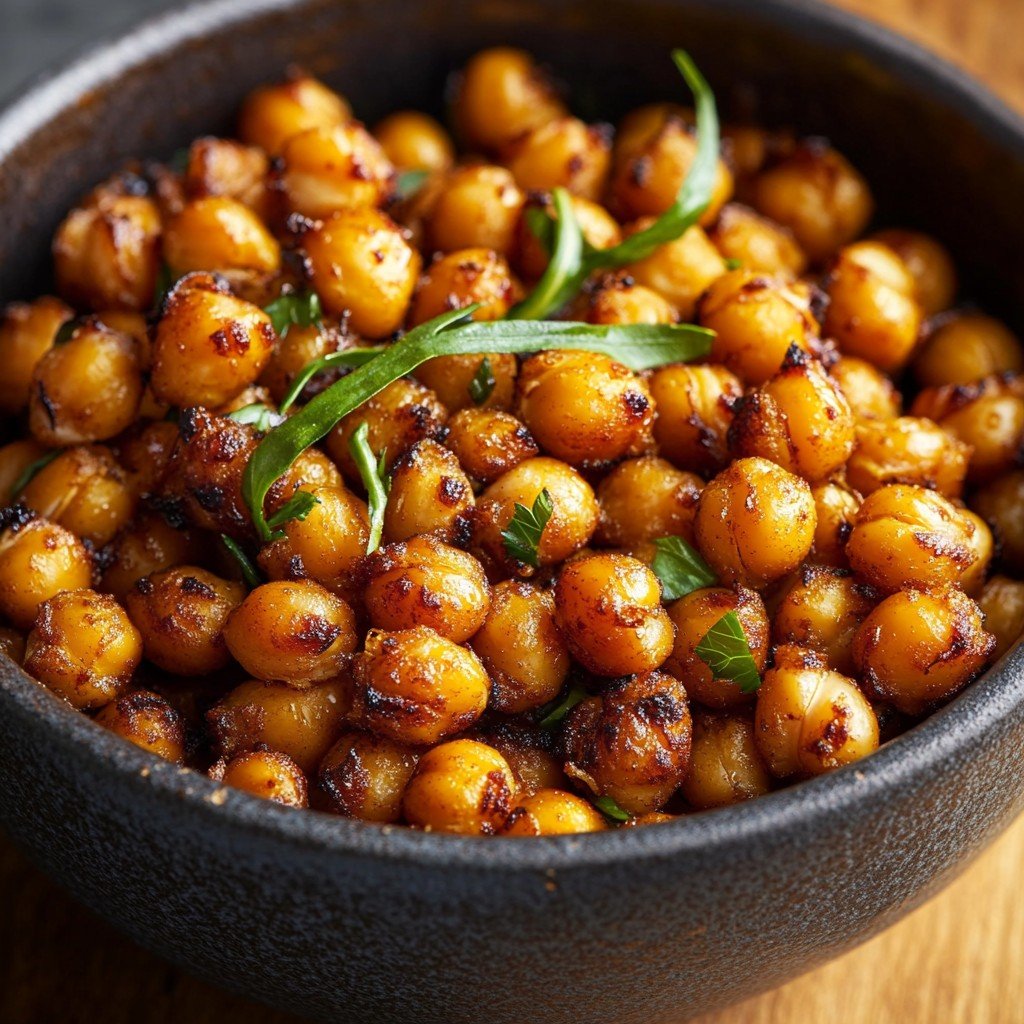
This dish merges the centuries-old traditions of South Asian cuisine with modern nutritional wisdom, making it ideal for anyone seeking both comfort and healing from their food.
The origins of chickpeas can be traced back thousands of years to the Middle East, and the use of anti-inflammatory spices like turmeric and ginger has a long-standing history in Ayurvedic and traditional medicines.
By combining chickpeas, spices, tomatoes, and immune-boosting ingredients, this recipe offers a satisfying, hearty meal that fits perfectly into a vegan, gluten-free, or health-conscious lifestyle. Not only does this dish come together quickly, but it also utilizes ingredients that are affordable and widely accessible.
Whether you are seeking to reduce inflammation, boost your plant protein intake, or simply enjoy a vibrant, aromatic meal, anti-inflammatory curried chickpeas will deliver on all fronts.
With the right balance of flavors and nutrients, this recipe stands out as a delicious and practical solution for busy weeknights, meal prepping, or impressing guests at the dinner table. Let’s explore what makes this flavorful creation so special and how you can effortlessly prepare it at home.
Ingredients
- 2 tablespoons extra-virgin olive oil or coconut oil
- 1 medium yellow onion, finely chopped
- 3 garlic cloves, minced
- 1 tablespoon fresh ginger, grated
- 1 tablespoon curry powder (mild or medium, to taste)
- 1 teaspoon ground turmeric
- 1 teaspoon ground cumin
- 1/2 teaspoon ground coriander
- 1/2 teaspoon smoked paprika
- 1/4 teaspoon ground black pepper
- 1/4 teaspoon cayenne pepper (optional, for heat)
- 2 cans (15 ounces each) chickpeas, drained and rinsed
- 1 can (14 ounces) diced tomatoes, with juices
- 1 cup coconut milk (full fat or light)
- 1/2 cup vegetable broth
- 1 medium carrot, diced
- 1 red bell pepper, diced
- 2 cups fresh spinach or kale, chopped
- 1 tablespoon fresh lemon juice
- Salt to taste
- Fresh cilantro, chopped, for garnish
Instructions
- In a large skillet or Dutch oven, heat the olive oil over medium heat. Add the onion and sauté for 3-4 minutes until translucent.
- Add the minced garlic and grated ginger, stirring for 1 minute until fragrant.
- Sprinkle in the curry powder, turmeric, cumin, coriander, smoked paprika, black pepper, and cayenne (if using). Stir constantly for about 1 minute to toast the spices and enhance their flavors.
- Mix in the diced carrot and red bell pepper, sautéing for an additional 2-3 minutes until they begin to soften.
- Add the rinsed chickpeas, diced tomatoes (with juices), coconut milk, and vegetable broth. Stir well to combine all ingredients.
- Bring the mixture to a gentle simmer, cover, and cook for 12-15 minutes, stirring occasionally, until the vegetables are tender and the flavors meld.
- Stir in the chopped spinach or kale and cook for 2-3 minutes, just until wilted.
- Remove from heat, squeeze in fresh lemon juice, and season with salt as needed.
- Serve hot, garnished with chopped fresh cilantro. Enjoy over brown rice, quinoa, or with warm flatbread.
Nutritional Information
Anti-inflammatory curried chickpeas are not only flavorful but remarkably nourishing. This recipe is an excellent source of complete plant-based protein, with each serving delivering around 12-15 grams of protein due to the combination of chickpeas and vegetables.
The fiber content is also impressive, with about 8-10 grams per serving, which supports digestive health and keeps you feeling full longer. Additionally, the coconut milk provides healthy fats, predominantly medium-chain triglycerides (MCTs), which are known for their rapid energy conversion and potential benefits to brain health.
The array of spices—especially turmeric and ginger—contributes potent anti-inflammatory and antioxidant compounds that may help regulate inflammatory pathways in the body. When prepared as directed, anti-inflammatory curried chickpeas are relatively low in saturated fat and contain no cholesterol, making them ideal for heart health.
Furthermore, this meal offers significant amounts of vitamins A, C, and K from vegetables, along with essential minerals such as potassium, magnesium, and iron. The total calorie count per serving generally ranges from 320-380 calories, depending on the type and amount of coconut milk used and any accompaniments.
To sum up, this recipe makes it easy to meet nutritional goals while savoring a comforting and health-promoting vegan dish.
Wine and Beverage Pairings
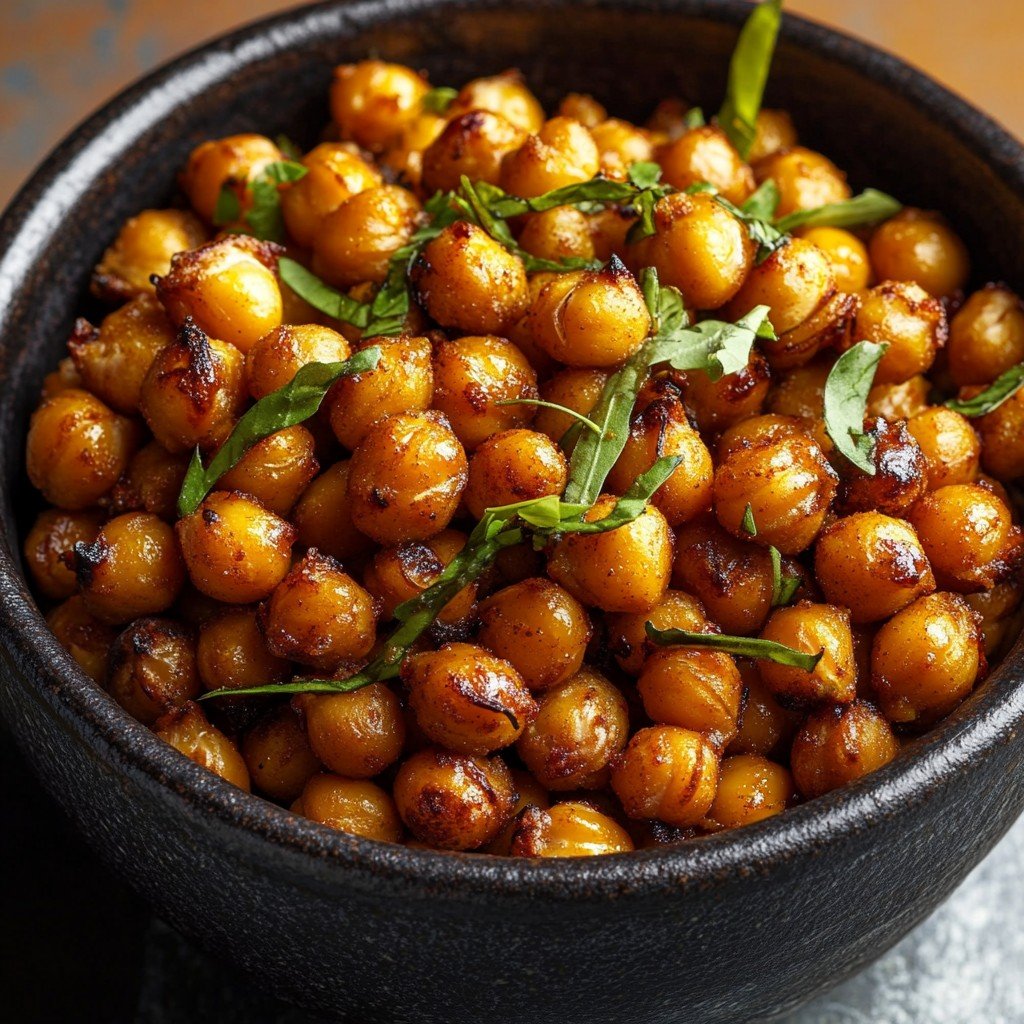
For beverage pairings, consider a refreshing option that will balance the warming spices of anti-inflammatory curried chickpeas. An aromatic Riesling or a lightly chilled Pinot Grigio offers mild sweetness and floral notes that complement the earthy curry flavors.
Those who prefer non-alcoholic drinks can enjoy a mango lassi or coconut water, both of which provide cooling relief and additional nutrition. Ginger tea, with its natural anti-inflammatory properties, harmonizes perfectly with the dish and further enhances its wellness quotient.
A sparkling water infused with cucumber or mint is also a revitalizing choice if you want something light and palate-cleansing.
Cooking Tips and Variations
To perfect your anti-inflammatory curried chickpeas recipe, pay attention to the freshness of your spices. Fresh, high-quality spices amplify both flavor and anti-inflammatory benefits, especially turmeric, as its potency diminishes over time.
For a richer, creamier texture, opt for full-fat coconut milk, but if you prefer a lighter version, light coconut milk also works well.
Adjust the heat level by increasing or decreasing the cayenne pepper, keeping in mind that not all curry powders are of equal strength—start mild and add more as desired.
If you wish to boost the vegetable content, feel free to stir in diced zucchini, chopped sweet potatoes, or green peas, which blend beautifully with the recipe. For a nutty flavor, add a tablespoon of almond or cashew butter while simmering.
Those who avoid oil can sauté their vegetables in vegetable broth as an oil-free alternative. Store any leftovers in an airtight container in the refrigerator for up to four days—the flavors deepen as it sits, making it fantastic for meal prepping.
This curried chickpea recipe is also freezer-friendly: simply cool completely and freeze up to three months. When reheating, add a splash of water or broth to restore its creamy consistency.
Finally, don’t hesitate to try it in a wrap, grain bowl, or even as a hearty soup by adding more broth.
Serving Suggestions
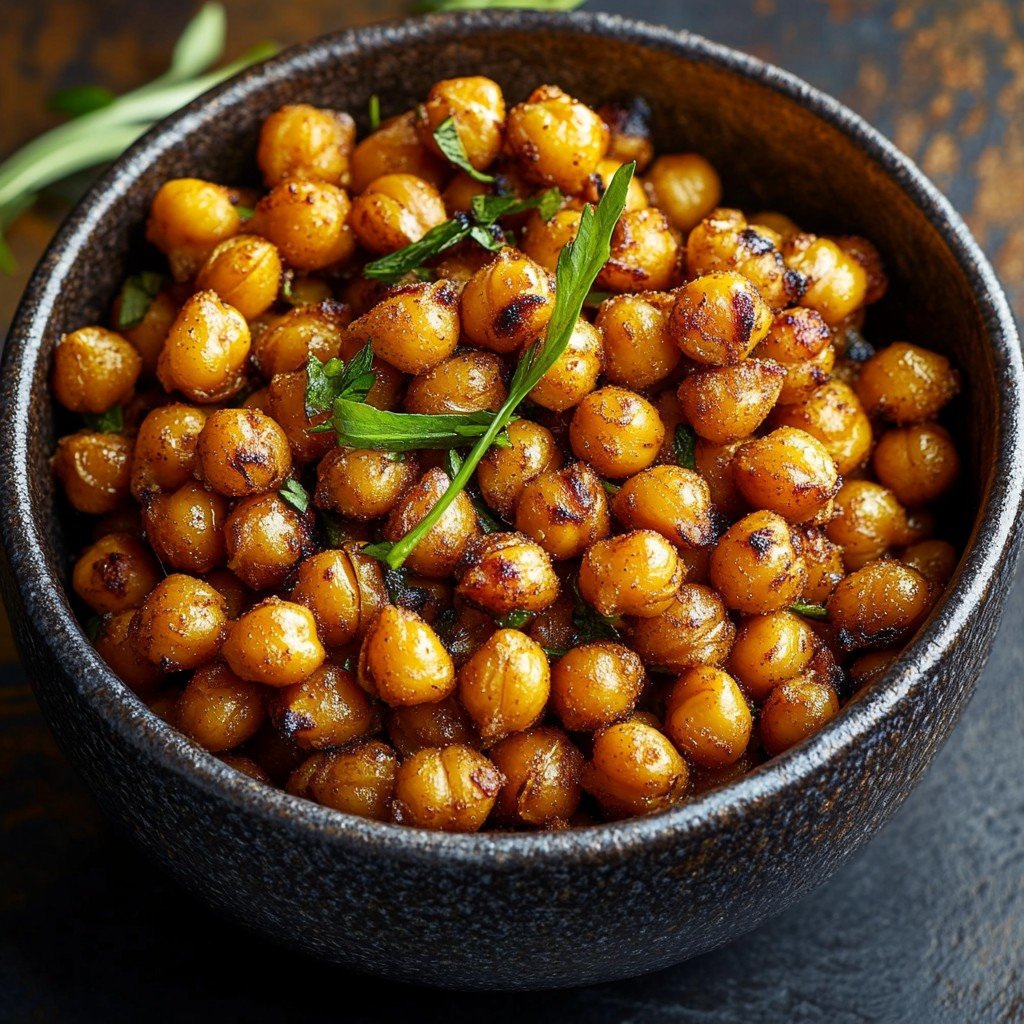
Anti-inflammatory curried chickpeas are as versatile in serving as they are flavorful. For a complete meal, serve them atop a bed of fluffy brown rice, nutty quinoa, or aromatic basmati rice—each grain provides a complementary texture and added nutrients.
You might also choose to serve these curried chickpeas with warm whole-grain flatbread or pita for scooping up the rich, spiced sauce.
For a lighter style, spoon the curried chickpeas over fresh leafy greens as a hearty salad, perhaps with a dollop of plant-based yogurt for extra creaminess and contrasting coolness.
When entertaining, serve the dish as part of a Mediterranean or Middle Eastern spread alongside hummus, tabbouleh, and roasted vegetables for a colorful and diverse table. For a weeknight dinner or easy lunch, pack the curried chickpeas into meal prep containers with steamed broccoli, roasted sweet potatoes, or sautéed greens.
The recipe is forgiving and adaptable, making it perfect for lunchboxes or freezer meals to enjoy throughout the week. Garnish generously with chopped fresh cilantro, microgreens, or a scatter of toasted seeds for extra texture and nutritional benefits.
Health Benefits
One of the standout features of anti-inflammatory curried chickpeas is their impressive array of health benefits. The recipe prominently features chickpeas, a legume rich in plant-based protein, dietary fiber, and micronutrients like iron and magnesium—all vital for muscle, nerve, and overall metabolic health.
The anti-inflammatory profile is elevated by turmeric and ginger, both of which contain active compounds (curcumin and gingerol) scientifically shown to combat inflammation, reduce oxidative stress, and potentially lower the risk of chronic diseases such as heart disease and arthritis.
Garlic and onions offer sulfur-containing compounds that further fight inflammation and support immune strength. Coconut milk supplies healthy fats that help absorb fat-soluble vitamins and provide sustained energy, while the array of vegetables offer antioxidants, vitamins, and minerals that contribute to a strong immune system and promote digestive health.
Eating anti-inflammatory foods regularly, like those found in this curried chickpea dish, supports long-term health goals including maintaining a healthy weight, managing blood sugar, and promoting heart health. This recipe, by excluding major allergens and animal products, is accessible to a wide range of dietary preferences.
Frequently Asked Questions
Yes, you can use dried chickpeas. Simply soak 1 cup of dried chickpeas overnight, then cook them until tender before using as directed in the recipe.
Absolutely. Allow the curried chickpeas to cool fully before transferring to freezer-safe containers. They will keep for up to 3 months.
Yes, replace the oil with a few tablespoons of vegetable broth when sautéing the vegetables and spices.
Increase the amount of cayenne pepper or add freshly sliced green chilies to ramp up the heat to your preference.
If avoiding nuts, simply rely on coconut milk for creaminess or stir in a few tablespoons of unsweetened soy yogurt at the very end.
Anti-inflammatory curried chickpeas stand out as both a flavor-packed and health-promoting choice, bringing together elements of global cuisine with the science of nutrition. Whether you are looking to reduce inflammation, follow a plant-based diet, or simply enjoy a comforting meal, this recipe provides everything you need. The straightforward cooking process, flexible ingredient options, and robust flavors make it a staple dish suitable for any season or occasion. With its powerful blend of spices, nutrient-dense chickpeas, and colorful vegetables, anti-inflammatory curried chickpeas will quickly become a favorite in your recipe repertoire. Serve with your favorite sides, enjoy leftovers throughout the week, and feel good knowing you’re fueling your body with every bite. Give this wholesome recipe a try, and experience firsthand the exceptional taste and wellness benefits it brings to your table.