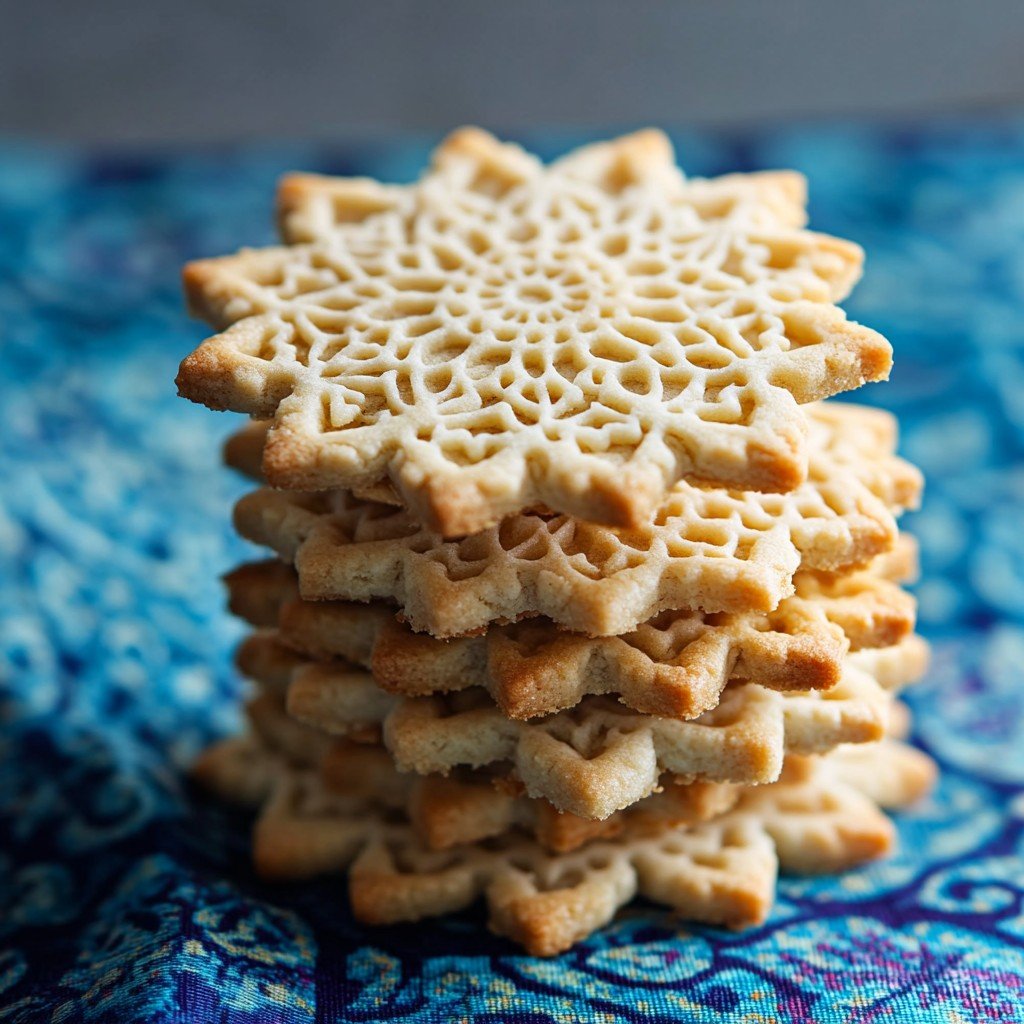
Almond Flour Sugar Cookies are revolutionizing the way we enjoy classic holiday treats, especially for those seeking gluten-free, grain-free, or simply healthier alternatives. These delectable cookies are crafted with finely ground almond flour, which not only adds a subtly sweet and nutty flavor but also delivers a light, melt-in-your-mouth texture.

Sugar cookies have their origins in 18th-century Pennsylvania, where they were originally made with basic pantry staples. Over time, sugar cookies became synonymous with celebrations, particularly during Christmas and special occasions. The modern twist of using almond flour caters to the growing demand for nutritious, allergy-friendly, and guilt-free desserts.
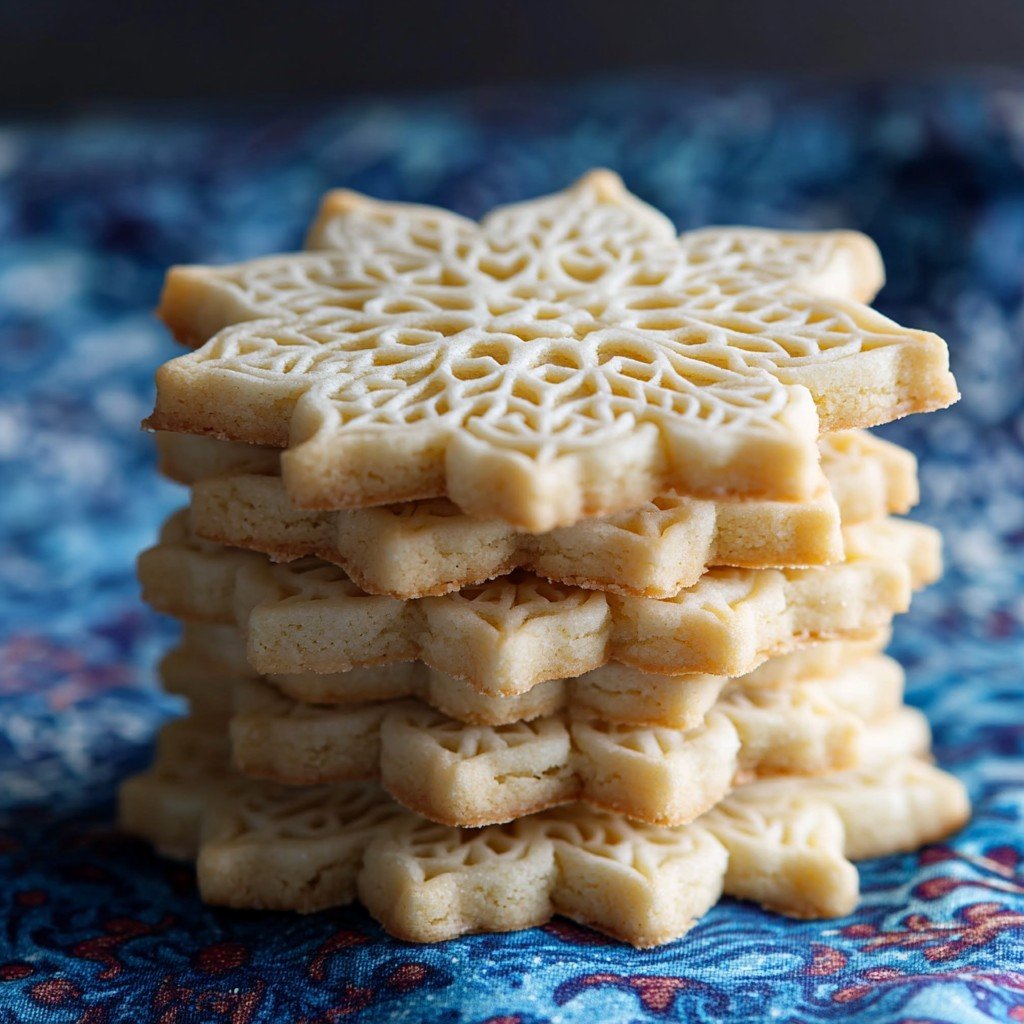
Almond Flour Sugar Cookies are quick to prepare, require only a handful of ingredients, and boast a tender crumb that rivals any traditional sugar cookie. Their versatility is part of their charm: they can be cut into festive shapes, enjoyed plain, or dressed up with icing and sprinkles.
Using almond flour also brings nutritional benefits, including higher protein and fiber content, healthy fats, and a pleasant, moist consistency.
Whether you are pursuing a gluten-free lifestyle or simply want a cookie that’s healthier and just as delicious, Almond Flour Sugar Cookies are an excellent choice for families, holiday celebrations, or everyday indulgence.
Ingredients
- 2 cups blanched almond flour
- 1/2 cup granulated sugar or coconut sugar
- 1/4 teaspoon fine sea salt
- 1/4 teaspoon baking soda
- 1/4 cup unsalted butter, room temperature (or coconut oil for dairy-free)
- 1 large egg, room temperature
- 1 teaspoon pure vanilla extract
- Optional: 1/2 teaspoon almond extract
- Optional: sanding sugar or sprinkles for decorating
Instructions
- Preheat your oven to 350°F (175°C) and line a baking sheet with parchment paper.
- In a medium bowl, whisk together the almond flour, sugar, salt, and baking soda until well combined.
- In a separate large bowl, cream the butter until smooth. Beat in the egg, vanilla extract, and almond extract if using.
- Gradually add the dry ingredients to the wet ingredients, mixing until a soft dough forms. The dough should be moist and easy to handle.
- If desired, wrap the dough in plastic wrap and chill for 20-30 minutes for easier rolling and cleaner shapes.
- On a lightly floured surface (using additional almond flour), roll the dough to about 1/4-inch thickness.
- Cut out shapes using cookie cutters and carefully transfer the cookies to the prepared baking sheet.
- Decorate with sanding sugar or sprinkles if desired.
- Bake for 8-11 minutes, or until the edges are just turning golden. Keep a close eye, as almond flour cookies can brown quickly.
- Let the cookies cool on the baking sheet for 5 minutes before transferring them to a wire rack to cool completely.
- Store Almond Flour Sugar Cookies in an airtight container at room temperature for up to 5 days.
Nutritional Information
Almond Flour Sugar Cookies provide a more nutrient-dense alternative to traditional sugar cookies. Almond flour is naturally higher in protein and healthy monounsaturated fats, helping to keep you satisfied longer.
A single cookie (assuming the batch makes 24 cookies) provides around 90-100 calories, with about 3 grams of protein, 7 grams of fat, and only 5-6 grams of net carbohydrates per serving. The lower carbohydrate content makes these cookies suitable for those following low-carb or keto-friendly diets.
Almond flour is also rich in vitamin E, magnesium, and dietary fiber, which can support heart health and digestion. Using coconut sugar as an alternative sweetener further reduces the glycemic index compared to regular white sugar.
When baked with coconut oil or grass-fed butter, the cookies offer additional healthy fats that are good for brain health and energy.
There is no refined flour, and, when made with the dairy-free option, these cookies can accommodate a variety of dietary preferences and restrictions, including gluten-free, paleo, and dairy-free needs.
Keep in mind that toppings like icing or colored sprinkles may increase sugar content, so use them sparingly if you’re aiming for a lower-sugar treat. Overall, Almond Flour Sugar Cookies offer a deliciously satisfying sweet that doesn’t compromise on nutrition.
Wine and Beverage Pairings
Pair Almond Flour Sugar Cookies with a wide range of beverages for a satisfying treat. For non-alcoholic options, a hot cup of herbal tea such as chamomile, a rich chai, or a velvety latte works beautifully with these subtly sweet cookies.
Coffee lovers will appreciate how the nutty flavor of almond flour complements both bold espressos and creamy cappuccinos. If you prefer a refreshing cold drink, consider pairing with lightly sweetened iced tea or cold almond milk.
For a celebratory touch, a glass of sparkling wine or a fruity Riesling pairs wonderfully, balancing the sweet and nutty notes of the cookies. For a unique twist, try serving with a chilled glass of amaretto liqueur or a dessert wine to echo the almond essence.
For kids, a simple glass of milk or hot cocoa is a classic combination for dipping these soft cookies.
Cooking Tips and Variations
For the best Almond Flour Sugar Cookies, use finely blanched almond flour, as coarse almond meal can result in grainy cookies. Chilling the dough before rolling and cutting can prevent sticking and help the cookies retain their shape during baking.
If you prefer a dairy-free version, substitute coconut oil for butter, but ensure it is solid, not melted, for the right texture. Add a hint of almond extract for a stronger almond flavor profile, or sprinkle freshly grated lemon or orange zest into the dough for a citrusy twist.
If you like your cookies chewier, slightly underbake them and let them set on the tray. For crispier edges, bake a minute or two longer, but watch closely as almond flour browns quickly.
You can also press the dough balls gently with a fork or the bottom of a glass for simple round cookies. Enhance the appearance by brushing baked cookies with egg white and dusting with extra almond flour or finely ground nuts.
For variations, fold in mini dark chocolate chips, dried cranberries, or chopped toasted nuts for extra texture and flavor. These Almond Flour Sugar Cookies can also serve as a base for sandwich cookies by filling them with nut butter, jam, or chocolate ganache.
Experiment with food coloring for festive themes or add spices such as cinnamon, cardamom, or nutmeg for seasonal flair.
Serving Suggestions
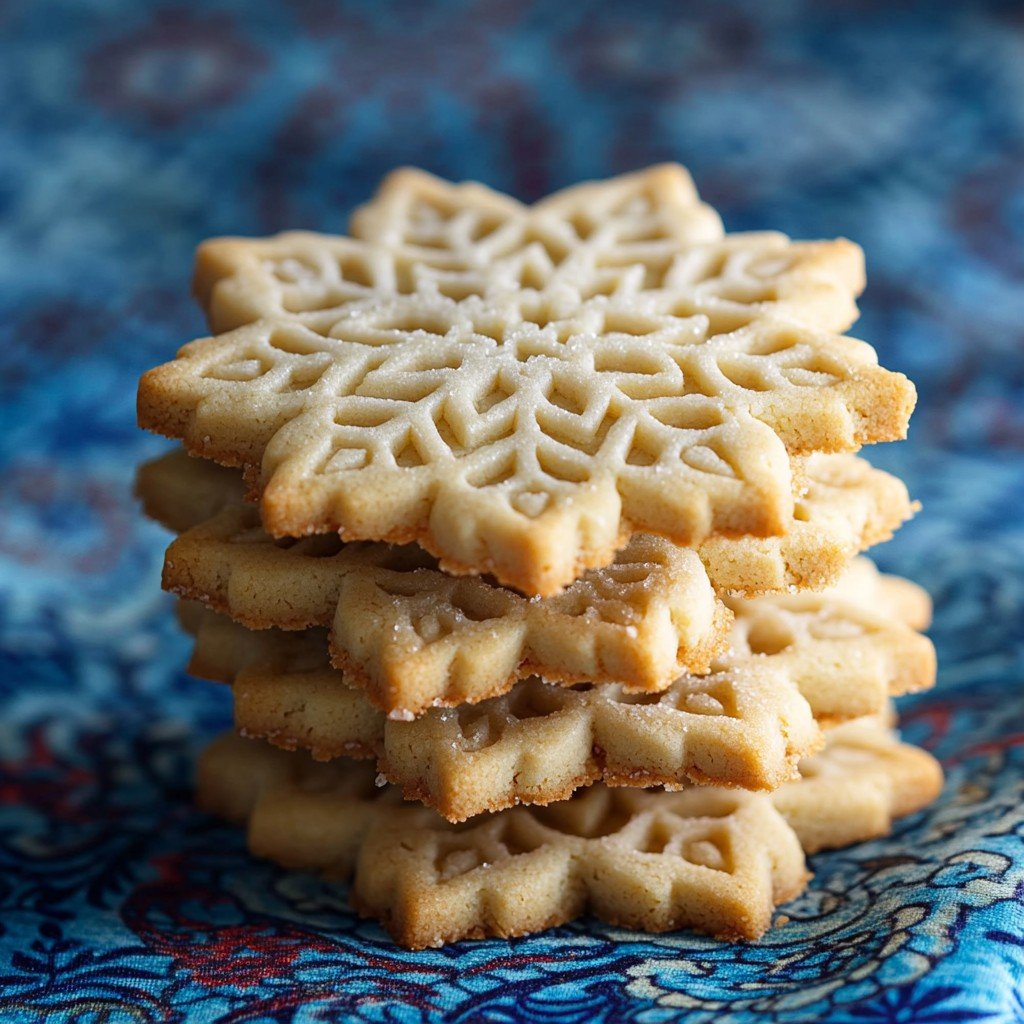
Almond Flour Sugar Cookies are a delightful addition to any table and can be served in a variety of creative and festive ways. Arrange them on a decorative plate as the centerpiece of your holiday dessert spread, alongside other gluten-free treats for a thoughtful touch.
These cookies are ideal for gift-giving: layer them in a cellophane bag tied with a ribbon, or stack them neatly in a decorative tin to surprise neighbors, teachers, or friends.
For tea parties or brunch, pair the cookies with fresh berries or a selection of dried fruits to add color and texture. When used as edible holiday ornaments, simply poke a small hole in the top of each cookie before baking and thread with a ribbon after cooling.
Almond Flour Sugar Cookies can also double as a creative dessert base—spread them with lemon curd, soft cheese, or a dollop of whipped cream and top with fresh fruit for a sophisticated treat.
For special occasions, decorate the cookies with themed icing or sprinkles that fit the celebration, such as pastels for Easter, vibrant shapes for birthdays, or reds and greens for Christmas. At parties, create a cookie buffet with an assortment of shapes, sizes, and toppings.
For a relaxing indulgence, enjoy these cookies with your favorite beverage as an afternoon snack or after-dinner dessert. Their light sweetness and delicate flavor ensure they complement any gathering and bring a smile to every guest.
Health Benefits
Almond Flour Sugar Cookies deliver significant health benefits compared to traditional cookies made with refined white flour. Almond flour is naturally gluten-free, making these cookies a safe indulgence for individuals with celiac disease or gluten sensitivities.
Additionally, almonds are rich in vitamin E, an antioxidant that protects cells from oxidative stress and supports healthy skin. The monounsaturated fats present in almond flour improve heart health by supporting healthy cholesterol levels and reducing inflammation.
Almonds are also a good source of plant-based protein and dietary fiber, promoting satiety and aiding digestion. Using alternative sweeteners like coconut sugar can lower the glycemic impact, helping to maintain stable blood sugar levels for those with diabetes or insulin resistance.
These cookies are free from trans fats, and if made with coconut oil instead of butter, they become suitable for dairy-free and paleo diets. The simple list of ingredients means there are no artificial additives, preservatives, or excess processing.
For those watching their sugar intake, reducing the sweetener or using a sugar substitute is an easy modification. Enjoying Almond Flour Sugar Cookies as part of a balanced diet allows you to satisfy your sweet tooth without compromising your wellness goals.
Frequently Asked Questions
Yes, you can make these cookies vegan by replacing the egg with a flaxseed or chia egg (mix 1 tablespoon ground flaxseed or chia seeds with 3 tablespoons water and let sit until gelled). Use coconut oil instead of butter for a completely plant-based version.
Almond Flour Sugar Cookies typically spread less than cookies made with wheat flour. To maintain their shape, chill the dough before cutting or baking, and avoid over-softening your fat (butter or coconut oil).
Absolutely. Wrap the dough tightly in plastic and freeze for up to 2 months. Baked cookies can be frozen in an airtight container for up to 3 months. Thaw at room temperature before serving.
Almond Flour Sugar Cookies are lower in carbs than regular cookies. To make them suitable for a strict keto diet, use a keto-approved sweetener such as erythritol or monk fruit in place of sugar.
To avoid crumbly cookies, measure the almond flour properly, use a room-temperature egg, and avoid overbaking. Chilling the dough and handling the cookies gently after baking helps them set perfectly.
Almond Flour Sugar Cookies are a modern twist on a classic treat, combining simplicity, health benefits, and irresistible flavor. With their tender texture, delicate nutty sweetness, and nutritional advantages, these cookies can be enjoyed by virtually everyone, including those following gluten-free, grain-free, or dairy-free diets. Easy to customize and a joy to prepare, Almond Flour Sugar Cookies are perfect for celebrations, gifts, or a wholesome snack paired with your favorite beverage. Try this recipe today to experience a healthier way to indulge your sweet tooth and enjoy the timeless pleasure of homemade sugar cookies made with almond flour.
Ingredients
- 2 cups blanched almond flour
- 1/2 cup granulated sugar or coconut sugar
- 1/4 teaspoon fine sea salt
- 1/4 teaspoon baking soda
- 1/4 cup unsalted butter, room temperature (or coconut oil for dairy-free)
- 1 large egg, room temperature
- 1 teaspoon pure vanilla extract
- Optional: 1/2 teaspoon almond extract
- Optional: sanding sugar or sprinkles for decorating
Instructions
-
1Preheat your oven to 350°F (175°C) and line a baking sheet with parchment paper.
-
2In a medium bowl, whisk together the almond flour, sugar, salt, and baking soda until well combined.
-
3In a separate large bowl, cream the butter until smooth. Beat in the egg, vanilla extract, and almond extract if using.
-
4Gradually add the dry ingredients to the wet ingredients, mixing until a soft dough forms. The dough should be moist and easy to handle.
-
5If desired, wrap the dough in plastic wrap and chill for 20-30 minutes for easier rolling and cleaner shapes.
-
6On a lightly floured surface (using additional almond flour), roll the dough to about 1/4-inch thickness.
-
7Cut out shapes using cookie cutters and carefully transfer the cookies to the prepared baking sheet.
-
8Decorate with sanding sugar or sprinkles if desired.
-
9Bake for 8-11 minutes, or until the edges are just turning golden. Keep a close eye, as almond flour cookies can brown quickly.
-
10Let the cookies cool on the baking sheet for 5 minutes before transferring them to a wire rack to cool completely.
-
11Store Almond Flour Sugar Cookies in an airtight container at room temperature for up to 5 days.
Approximate Information for One Serving
Nutrition Disclaimers
Number of total servings shown is approximate. Actual number of servings will depend on your preferred portion sizes.
Nutritional values shown are general guidelines and reflect information for 1 serving using the ingredients listed, not including any optional ingredients. Actual macros may vary slightly depending on specific brands and types of ingredients used.
To determine the weight of one serving, prepare the recipe as instructed. Weigh the finished recipe, then divide the weight of the finished recipe (not including the weight of the container the food is in) by the desired number of servings. Result will be the weight of one serving.
Did you make this recipe?
Please consider Pinning it!