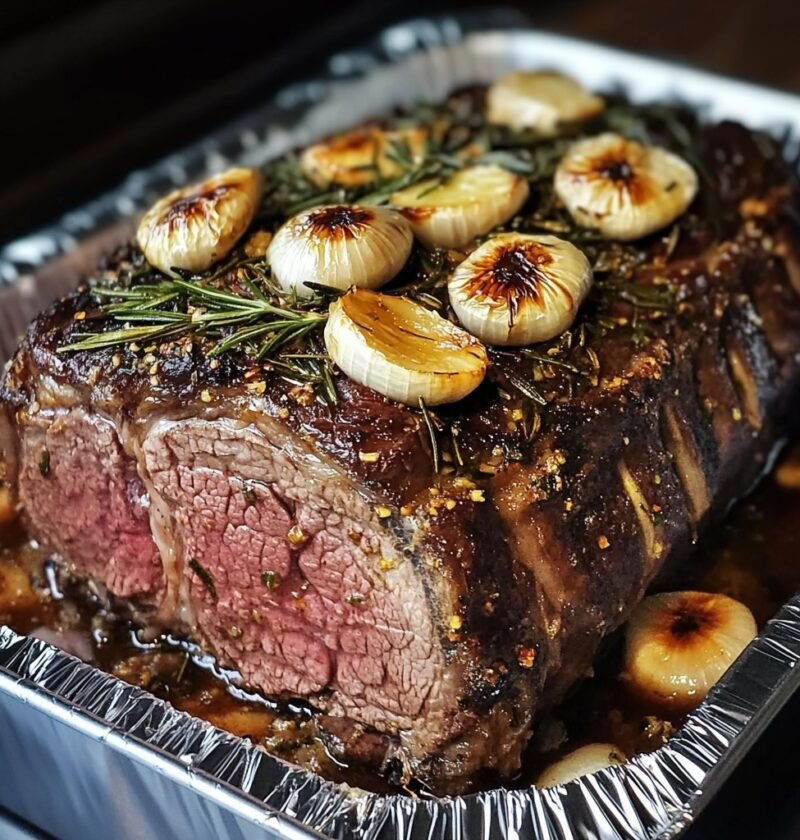
The Garlic Rosemary Rib Roast stands as a timeless centerpiece for festive gatherings and family celebrations. Renowned for its rich flavors and succulent texture, this dish has earned its place as a classic in both home kitchens and fine dining establishments.
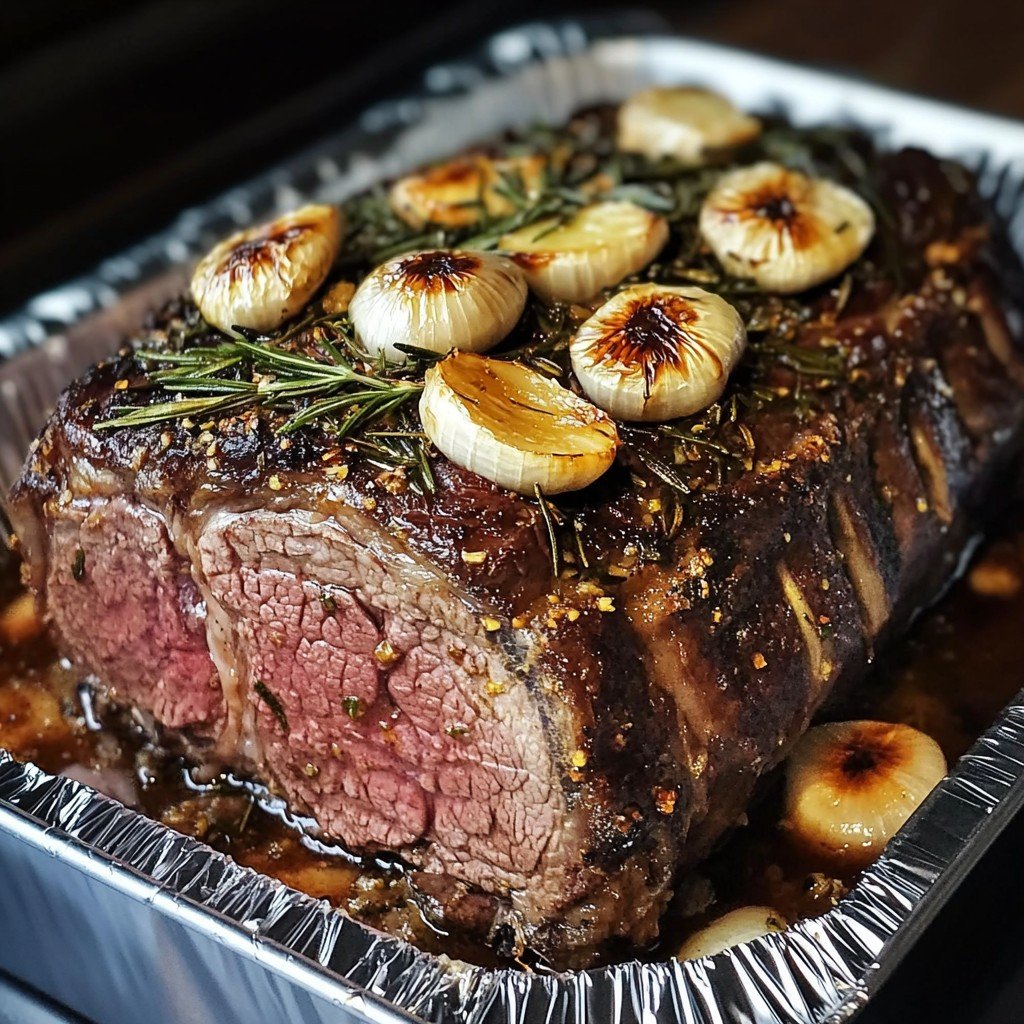
Historically, rib roast has been a symbol of indulgence and hospitality, often gracing tables during holidays and special occasions. The addition of garlic and rosemary infuses the roast with aromatic depth, enhancing the natural marbling and tenderness of the prime rib cut.
Garlic, with its pungent warmth, and rosemary, known for its piney fragrance, create a harmonious blend that elevates every bite. Over generations, home cooks have perfected techniques for roasting rib cuts to juicy perfection, and the inclusion of herbs and aromatics has become a hallmark of European-influenced cuisine.
The Garlic Rosemary Rib Roast recipe expertly marries tradition with modern culinary sensibilities, ensuring a memorable meal for both novice and experienced chefs.
Whether you are seeking a showstopping dish for a holiday table or simply wish to impress dinner guests with a restaurant-quality roast, this recipe for Garlic Rosemary Rib Roast delivers on every front.
Discover the secrets to a perfect rib roast in this comprehensive guide, from ingredient selection and preparation to serving and wine pairing. Let the mouthwatering aroma of garlic and rosemary fill your kitchen and gather your loved ones for a meal to remember.
Ingredients
- 1 (6-8 pound) bone-in beef rib roast, trimmed
- 8 cloves garlic, minced
- 3 tablespoons fresh rosemary, finely chopped
- 2 tablespoons fresh thyme, finely chopped
- 1/4 cup olive oil
- 2 teaspoons kosher salt
- 1 teaspoon freshly ground black pepper
- 1 tablespoon Dijon mustard
- 1 teaspoon smoked paprika
- Zest of 1 lemon
- Optional: 1 cup low-sodium beef broth (for pan juice)
Instructions
- Remove the rib roast from the refrigerator and let it sit at room temperature for at least 1 hour. This ensures even cooking.
- Preheat your oven to 450°F (232°C).
- In a small bowl, mix together the minced garlic, chopped rosemary, thyme, olive oil, salt, pepper, Dijon mustard, smoked paprika, and lemon zest to form a thick paste.
- Pat the rib roast dry with paper towels. Rub the paste generously over the entire roast, ensuring all sides, including the ends, are coated evenly.
- Place the rib roast, bone side down, in a large roasting pan fitted with a rack. For extra flavor, pour 1 cup beef broth into the pan if you desire a rich pan juice.
- Roast the beef in the preheated oven for 20 minutes to develop a flavorful crust.
- Reduce oven temperature to 325°F (163°C) without opening the oven door. Continue roasting for 1.5 to 2.5 hours, depending on roast size and desired doneness. Use a meat thermometer to check the internal temperature: 120°F (49°C) for rare, 130°F (54°C) for medium-rare, or 140°F (60°C) for medium.
- Once desired doneness is reached, remove the roast from the oven, tent loosely with foil, and let rest for at least 20-30 minutes.
- To serve, carve between the bones to create thick slices. Spoon pan juices over the meat for added flavor.
Nutritional Information
The Garlic Rosemary Rib Roast is a delectable indulgence, rich in flavor and nutrition. A standard 6-ounce serving of rib roast provides approximately 450-500 calories, primarily from protein and fat. This cut is known for its natural marbling, which contributes to both the tenderness and the calorie content.
The beef is a robust source of complete protein, supplying essential amino acids necessary for muscle repair and immune health. In addition to protein, rib roast is also high in saturated fat. While moderation is key, this fat enhances the juiciness and flavor profile of the finished dish.
The roast provides vital nutrients such as iron, which supports oxygen transport in the blood; zinc, important for immune system function; and B-vitamins, especially B12, which is essential for nerve health and energy metabolism.
The garlic used in the recipe contains allicin, known for its possible cholesterol-lowering and immune-boosting properties, while rosemary delivers antioxidants that may combat inflammation. To balance the nutrient profile, pair the rib roast with fiber-rich vegetables and whole grain sides.
If you’re tracking nutrient intake, consider enjoying the roast as part of a balanced meal, with portion control in mind. Those watching sodium intake may reduce the salt slightly or increase fresh herbs for flavor.
This Garlic Rosemary Rib Roast is perfect as an occasional splurge that also offers wholesome nutrients, capturing the essence of celebratory cooking.
Wine and Beverage Pairings
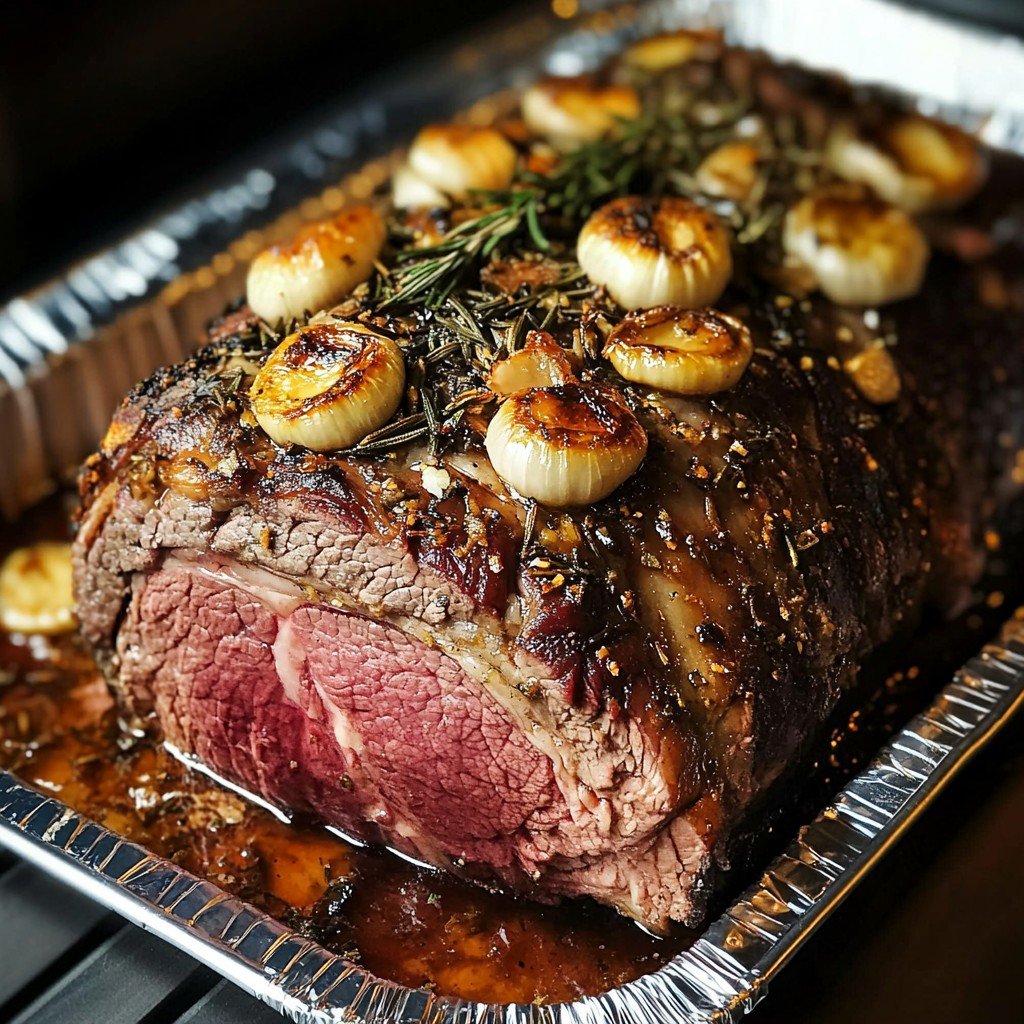
The Garlic Rosemary Rib Roast pairs exceptionally well with full-bodied red wines that complement the dish's robust flavors. A classic Cabernet Sauvignon is a favored choice, with its tannic structure and notes of dark fruits that cut through the richness of the beef.
Bordeaux blends and Syrah/Shiraz also offer excellent pairings, providing herbaceous undertones that echo the rosemary in the roast. For a unique twist, try a Malbec or a red Zinfandel, both of which provide a spicy, fruity backdrop.
If you prefer non-alcoholic options, strong black tea or sparkling cranberry juice helps cleanse the palate between bites. As for cocktails, a classic Manhattan or an Old Fashioned makes a sophisticated accompaniment. Ultimately, choose a beverage that enhances your enjoyment and matches the festive mood.
Cooking Tips and Variations
Preparing the perfect Garlic Rosemary Rib Roast is both a science and an art. Here are essential tips to ensure your roast turns out moist and flavorful every time.
Always start with a quality bone-in rib roast; the bones add depth to the flavor and help insulate the meat during roasting, resulting in tender slices. Allow the roast to reach room temperature before cooking to promote even heat penetration.
For the herb crust, use fresh garlic and rosemary for a brighter, more pronounced aroma. When seasoning, press the herb mixture firmly onto the roast for a thick, flavorful crust. Utilize a roasting rack to lift the meat above any rendered fat and juices, ensuring even browning all around.
To check doneness, invest in a reliable meat thermometer and insert it into the thickest part, away from the bone. Resting after roasting is crucial; it allows juices to redistribute, yielding moist and succulent meat.
For variations, consider adding other herbs such as sage or parsley, or include a splash of red wine in the pan. If you prefer a smoky profile, substitute smoked salt or finish the roast with a high-heat broil for the last 5 minutes.
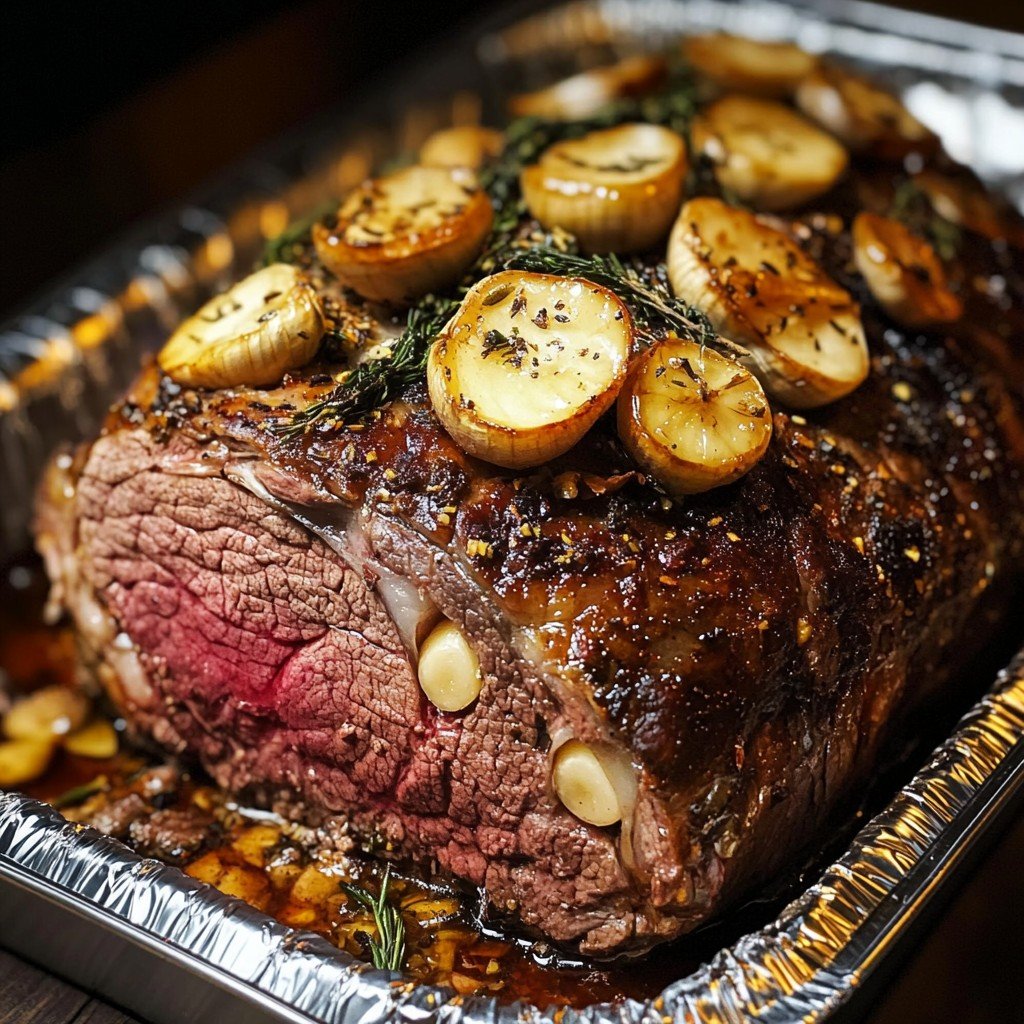
For a garlic-forward roast, insert slivers of fresh garlic directly into small incisions in the meat before seasoning. Leftovers can be sliced for gourmet sandwiches or added to hearty soups. Customizing the herb blend and experimenting with rub ingredients can make every Garlic Rosemary Rib Roast uniquely yours.
Serving Suggestions
Presenting your Garlic Rosemary Rib Roast is an opportunity to impress and delight your guests. Begin by letting the roast rest adequately before carving; this locks in juices and ensures every slice is tender.
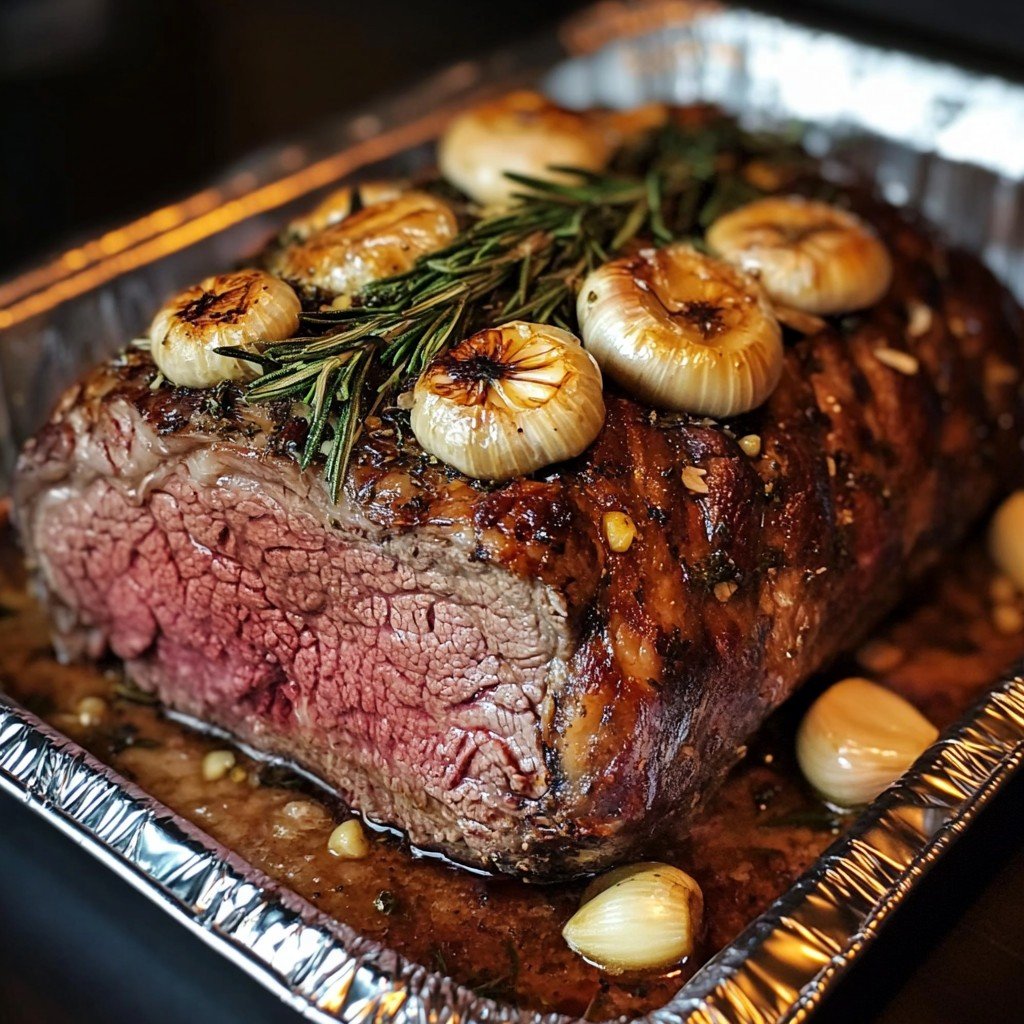
Arrange the roast on a large serving platter, garnished with fresh rosemary sprigs and roasted garlic bulbs for a touch of elegance. Carve the roast into generous, bone-in slices and spoon warm pan juices over each piece to impart extra moisture and flavor.
For a complete meal, accompany the roast with classic sides such as creamy mashed potatoes, roasted root vegetables, or sautéed green beans. A horseradish cream or a simple au jus made from the pan drippings provides a zesty contrast to the savory meat.
For a festive spread, offer artisan bread, a crisp salad with vinaigrette, and seasonal sides. To elevate your presentation, serve each plate with a wedge of lemon for brightness. The rib roast makes an impressive centerpiece at holiday buffets, weddings, or special dinners with loved ones.
Its aroma and appearance invite guests to gather and savor the experience, making every occasion memorable. For an intimate dinner, pair with your favorite wine and dim the lights to create an inviting atmosphere.
The key is to let the Garlic Rosemary Rib Roast shine, complemented by thoughtful, harmonious sides and garnishes.
Health Benefits
Despite its reputation as a luxurious cut, the Garlic Rosemary Rib Roast offers several health benefits when enjoyed in moderation. Beef rib roast is an outstanding source of high-quality protein, essential for building and repairing tissues, maintaining muscle mass, and supporting metabolic health.
The zinc content boosts immune function, while iron found in beef is highly bioavailable, promoting healthy red blood cells and preventing anemia. The inclusion of garlic adds a powerful dose of antioxidants and may support cardiovascular health, help reduce blood pressure, and bolster immune defenses.
Rosemary contains compounds shown to have anti-inflammatory and digestive benefits, as well as antioxidants that protect against oxidative stress. By trimming excess fat before cooking and opting for leaner slices when serving, you can reduce saturated fat intake.
Pairing the rib roast with vegetable-rich side dishes increases the fiber and micronutrient content of the meal, supporting overall health. While rib roast is calorie-dense, its satisfaction and nutrient profile make it a prudent choice for special occasions.
With mindful portions and balanced accompaniments, the Garlic Rosemary Rib Roast can be part of a wholesome, celebratory meal.
Frequently Asked Questions
The best way to ensure your roast is cooked to perfection is by using a meat thermometer. For rare, aim for an internal temperature of 120°F (49°C); medium-rare is 130°F (54°C); and medium is 140°F (60°C). Always let your roast rest after cooking, as it will continue to cook slightly while resting.
Yes, you can season and refrigerate the roast up to 24 hours in advance. Allow the roast to return to room temperature before roasting. This advance prep enhances the depth of flavor and makes hosting easier.
If rib roast is unavailable, you can use bone-in or boneless prime rib, or substitute with a beef sirloin roast. Cooking times may vary, so monitor with a meat thermometer.
Store any leftover Garlic Rosemary Rib Roast in an airtight container in the refrigerator for up to 3-4 days. For longer storage, wrap tightly and freeze for up to 2 months. Reheat gently to maintain juiciness.
Absolutely. Resting the roast for at least 20-30 minutes allows juices to redistribute throughout the meat, ensuring each slice is moist and flavorful.
The Garlic Rosemary Rib Roast is an exceptional choice for elevating any festive gathering or special meal. Combining classic flavors with modern techniques, this recipe guarantees a succulent roast with an irresistible aroma. From selecting premium ingredients to applying a fragrant herb crust, each step is designed to create a memorable dining experience. Whether served with elegant wine or surrounded by comforting sides, the Garlic Rosemary Rib Roast is a celebration in itself—bringing people together and making every occasion extraordinary.
Ingredients
- 1 (6-8 pound) bone-in beef rib roast, trimmed
- 8 cloves garlic, minced
- 3 tablespoons fresh rosemary, finely chopped
- 2 tablespoons fresh thyme, finely chopped
- 1/4 cup olive oil
- 2 teaspoons kosher salt
- 1 teaspoon freshly ground black pepper
- 1 tablespoon Dijon mustard
- 1 teaspoon smoked paprika
- Zest of 1 lemon
- Optional: 1 cup low-sodium beef broth (for pan juice)
Instructions
-
1Remove the rib roast from the refrigerator and let it sit at room temperature for at least 1 hour. This ensures even cooking.
-
2Preheat your oven to 450°F (232°C).
-
3In a small bowl, mix together the minced garlic, chopped rosemary, thyme, olive oil, salt, pepper, Dijon mustard, smoked paprika, and lemon zest to form a thick paste.
-
4Pat the rib roast dry with paper towels. Rub the paste generously over the entire roast, ensuring all sides, including the ends, are coated evenly.
-
5Place the rib roast, bone side down, in a large roasting pan fitted with a rack. For extra flavor, pour 1 cup beef broth into the pan if you desire a rich pan juice.
-
6Roast the beef in the preheated oven for 20 minutes to develop a flavorful crust.
-
7Reduce oven temperature to 325°F (163°C) without opening the oven door. Continue roasting for 1.5 to 2.5 hours, depending on roast size and desired doneness. Use a meat thermometer to check the internal temperature: 120°F (49°C) for rare, 130°F (54°C) for medium-rare, or 140°F (60°C) for medium.
-
8Once desired doneness is reached, remove the roast from the oven, tent loosely with foil, and let rest for at least 20-30 minutes.
-
9To serve, carve between the bones to create thick slices. Spoon pan juices over the meat for added flavor.
Approximate Information for One Serving
Nutrition Disclaimers
Number of total servings shown is approximate. Actual number of servings will depend on your preferred portion sizes.
Nutritional values shown are general guidelines and reflect information for 1 serving using the ingredients listed, not including any optional ingredients. Actual macros may vary slightly depending on specific brands and types of ingredients used.
To determine the weight of one serving, prepare the recipe as instructed. Weigh the finished recipe, then divide the weight of the finished recipe (not including the weight of the container the food is in) by the desired number of servings. Result will be the weight of one serving.
Did you make this recipe?
Please consider Pinning it!