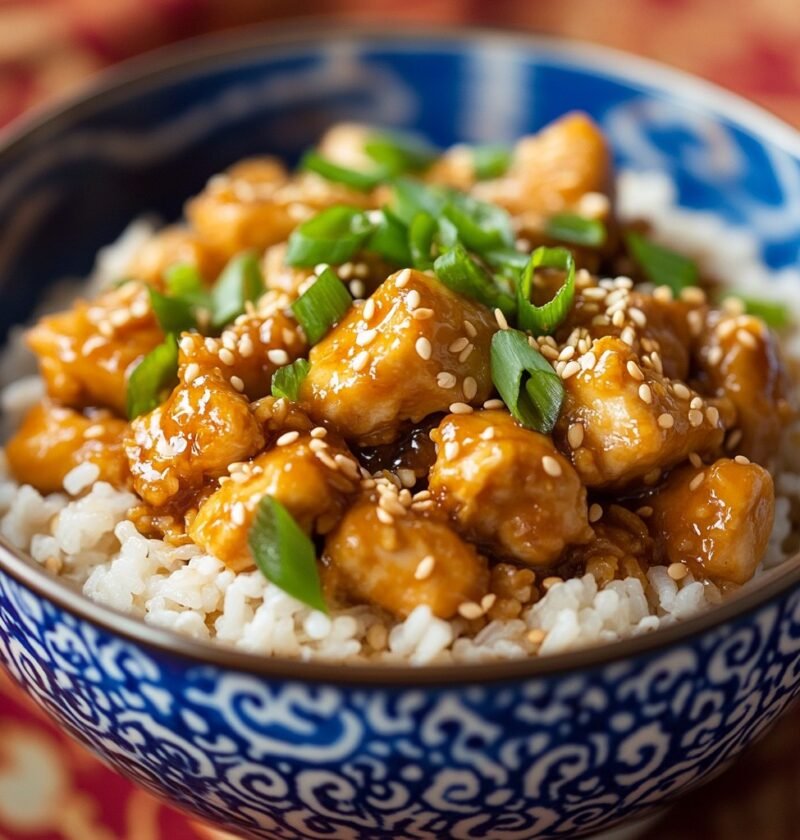
4-Step High-Protein Asian Chicken Fried Rice is a vibrant and nutritious twist on traditional fried rice, celebrated for its speedy preparation and powerful protein content. Originating from classic Asian culinary roots, fried rice has been a staple across various cultures—especially China, Thailand, and Japan—for centuries.
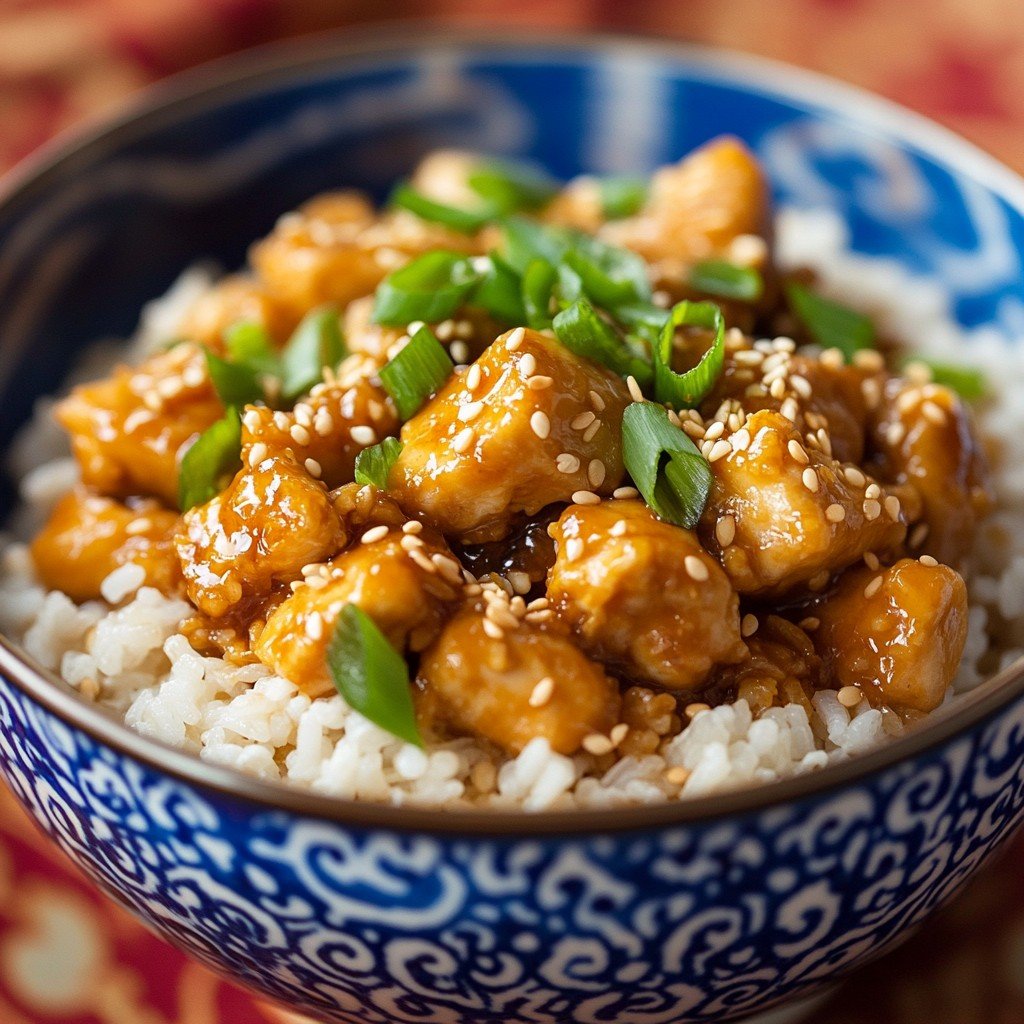
It began as an inventive way to utilize leftover rice and a mix of vegetables or meats, quickly stir-fried in a hot wok. Over generations, it has evolved and been adapted to fit dietary needs while maintaining that irresistible umami flavor profile.
In this modern version, we focus on boosting the protein level by using lean chicken breast, eggs, and even the addition of protein-rich vegetables like edamame, making it ideal for anyone seeking a filling, muscle-supporting meal.
Popular amongst fitness enthusiasts and families alike, this main dish is much more than a quick fix—it offers a balanced fusion of taste, texture, and nutrition.
Whether you are searching for a post-workout meal or a healthy weeknight dinner option, this recipe delivers both tradition and healthful innovation in one satisfying bowl.
Throughout this article, the focus remains on helping you master the 4-Step High-Protein Asian Chicken Fried Rice and discover how easily it can fit into your regular meal rotation.
Ingredients
- 2 cups cooked jasmine or long-grain rice (preferably a day old)
- 2 large boneless, skinless chicken breasts (about 400g), diced
- 2 large eggs, lightly beaten
- 1 cup frozen edamame (shelled)
- 1 cup diced carrots
- 1 cup chopped bell pepper (red, yellow, or green)
- 3 green onions, sliced
- 2 tablespoons low-sodium soy sauce
- 1 tablespoon oyster sauce
- 1 tablespoon sesame oil
- 2 teaspoons vegetable oil or olive oil
- 3 cloves garlic, minced
- 1 thumb-sized piece fresh ginger, minced
- Salt and black pepper to taste
- Optional: chili flakes, for heat
- Optional: chopped fresh cilantro for garnish
- Optional: lime wedges for serving
Instructions
- Heat one teaspoon of vegetable oil in a large wok or non-stick skillet over medium-high heat. Add the diced chicken breast, season with salt and pepper, and cook for 4-5 minutes until fully cooked and lightly browned. Remove the chicken from the pan and set aside.
- Return the wok to the heat and add another teaspoon of oil. Add minced garlic and ginger, sautéing for 30 seconds until fragrant. Add diced carrots, bell pepper, and edamame, cooking for 2-3 minutes until just tender yet still crisp. Push vegetables to one side and pour the lightly beaten eggs onto the empty side. Scramble the eggs until just set, then mix with the vegetables.
- Add the cooked rice to the pan, breaking up any clumps with a wooden spoon. Pour in the soy sauce, oyster sauce, and sesame oil, stirring everything together to ensure the rice is well-coated. Return the cooked chicken to the wok and continue stir-frying for another 2-3 minutes, ensuring the mixture is heated through.
- Stir in the sliced green onions and adjust seasoning with salt, pepper, and optional chili flakes. Serve immediately, garnished with cilantro and lime wedges if desired.
Nutritional Information
4-Step High-Protein Asian Chicken Fried Rice stands out not just for its satisfying flavor, but also for its impressive nutritional profile. Each serving provides a remarkable balance of macronutrients necessary for a healthy lifestyle, with emphasis on high protein content to support muscle repair and satiety.
A typical serving (about one-fourth of the recipe) contains approximately 370-420 calories, 28-32 grams of protein, 7-10 grams of fat, and 45-50 grams of complex carbohydrates. The primary source of protein is lean chicken breast, complemented by edamame and eggs that add both quality protein and essential amino acids.
The vegetable mix offers an excellent dose of dietary fiber, vitamins A and C, iron, and antioxidants, helping support immune function and overall well-being. Using low-sodium soy sauce and moderate oil keeps the sodium and cholesterol levels in check, making this dish suitable for individuals following heart-healthy diets.
The use of jasmine or long-grain rice supplies complex carbohydrates for sustained energy release. Those watching their calorie intake can moderate portion sizes or adapt the recipe with brown rice for added fiber.
Overall, this meal is markedly balanced, nutrient-dense, and perfect for fueling active lifestyles, weight management, or simply enjoying a delicious dinner without nutritional compromise.
Wine and Beverage Pairings
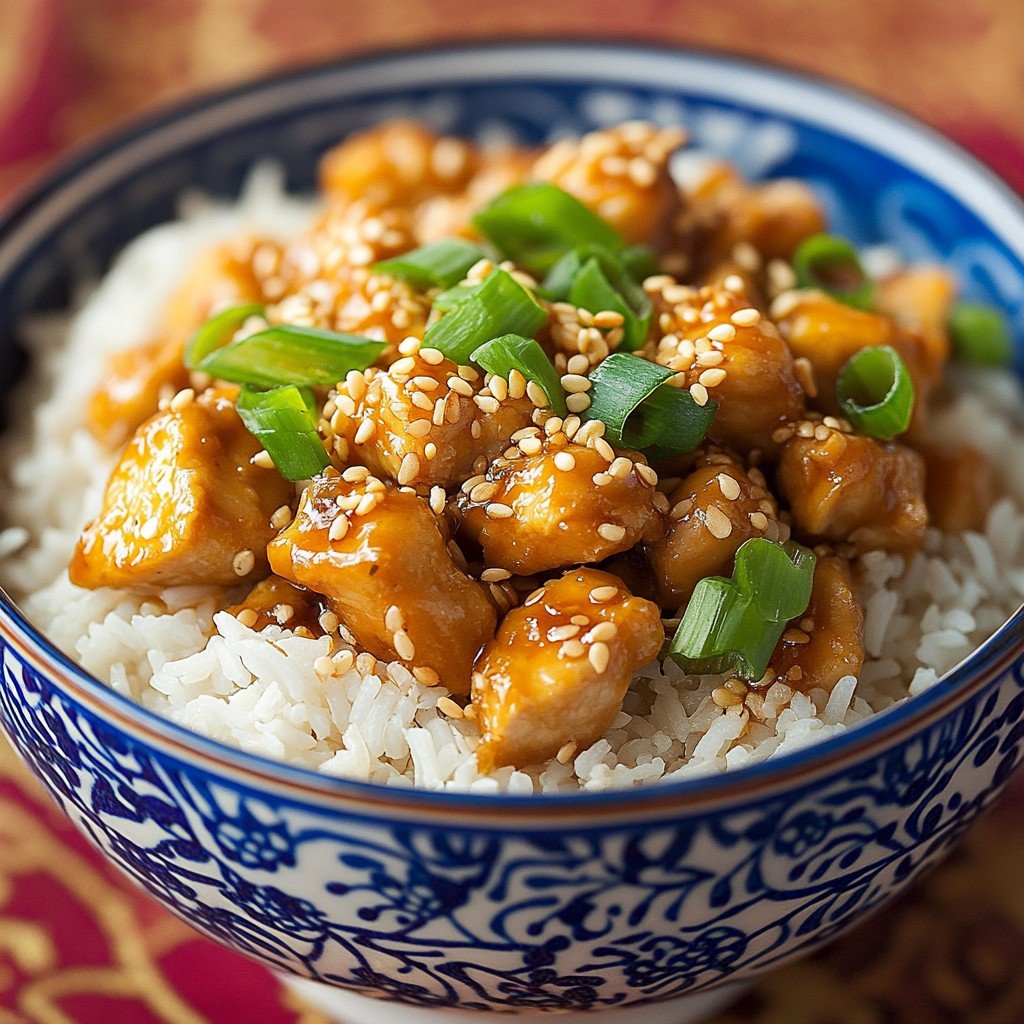
To complement the rich flavors of 4-Step High-Protein Asian Chicken Fried Rice, consider pairing it with a light, refreshing beverage. A chilled glass of dry Riesling or Sauvignon Blanc offers crisp acidity that cuts through the umami of soy and oyster sauce.
For non-alcoholic options, iced green tea or jasmine tea are fantastic choices, providing subtle floral notes that enhance the dish's freshness. If you enjoy beer, a light lager or pilsner works well, balancing the savory profile of the meal.
Avoid overly sweet or heavy drinks, as they may overwhelm the balanced flavors. For a festive touch, sparkling water infused with lime or ginger adds a celebratory flair and complements the Asian elements of the recipe.
Regardless of your choice, keep beverages chilled to provide a palate-cleansing effect alongside this hearty fried rice.
Cooking Tips and Variations
To ensure your 4-Step High-Protein Asian Chicken Fried Rice turns out perfectly every time, consider a few essential tips and creative variations. First, using cold, day-old rice is key for achieving that signature separated, slightly chewy texture; fresh rice can turn mushy under high heat.
If preparing the dish with fresh rice, spread it out on a tray and cool it in the fridge for at least 30 minutes before use. Cutting chicken and vegetables into uniform, bite-sized pieces ensures even cooking and better overall presentation.
For more flavor, marinate diced chicken briefly in a teaspoon of soy sauce and a pinch of pepper beforehand. Don't overcook the vegetables; keeping them slightly crisp preserves nutrients and adds a pleasant crunch.
If you enjoy extra heat, add some chopped chili peppers or a drizzle of sriracha during the final stir. For those seeking even more protein, toss in additional egg whites or substitute half the rice with cauliflower rice.
Vegetarian options can replace chicken with firm tofu or tempeh, easily adapting the dish for plant-based diets. Finally, experiment with veggies on hand like snap peas, baby corn, or mushrooms to suit your flavor preferences and maximize nutrition. This high-protein meal is endlessly customizable while retaining its Asian-inspired flair.
Serving Suggestions
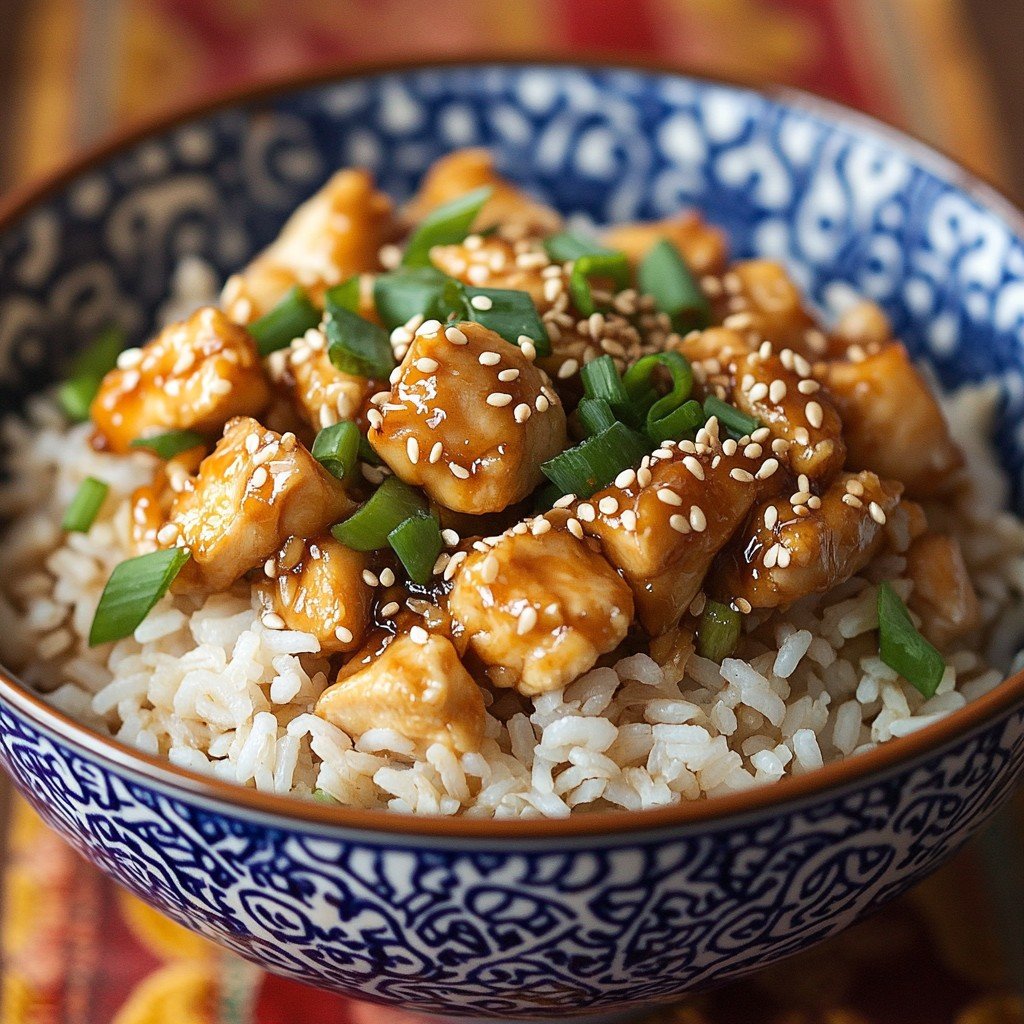
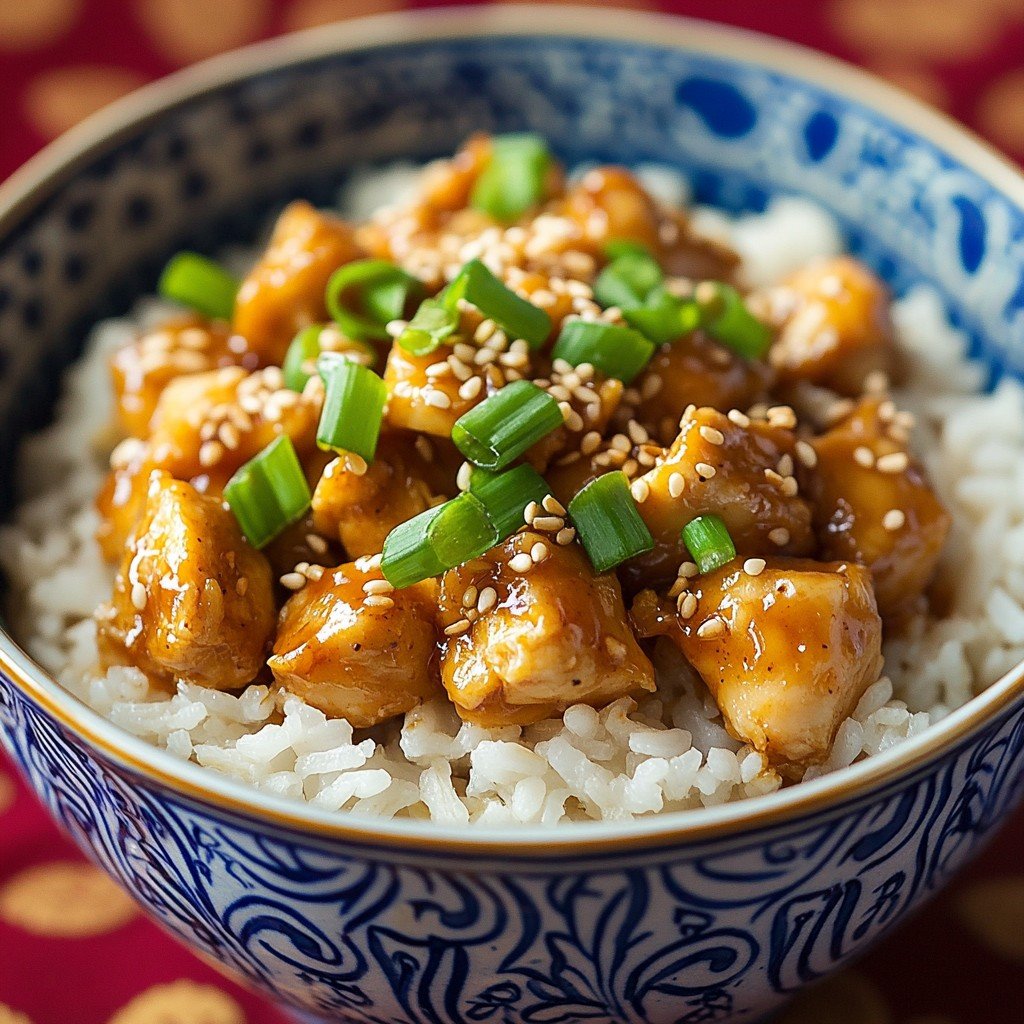
When it comes to serving 4-Step High-Protein Asian Chicken Fried Rice, presentation can elevate an already delightful meal. Dish up the rice onto a wide dinner plate or into shallow bowls that showcase the array of vibrant vegetables and tender chicken.
Garnish generously with fresh cilantro and a few thinly sliced green onions for a pop of color and aromatic freshness. Lime wedges on the side allow guests to squeeze bright acidity over their rice, enhancing flavors and adding a zesty lift.
If serving as a primary entrée for a casual dinner, pair with a crisp, leafy green salad or a side of lightly steamed Asian vegetables for a complete, balanced meal.
For a more elaborate spread, accompany with small bowls of pickled vegetables, kimchi, or a simple miso soup to round out the dining experience. This fried rice also works beautifully as a lunchbox staple; simply allow it to cool and portion into airtight containers for convenient meal-prepping.
Offering chopsticks and a dessert of fresh sliced fruit keeps the theme fresh and authentic, making every bite of your 4-Step High-Protein Asian Chicken Fried Rice both an aesthetic and gastronomic pleasure.
Health Benefits
Enjoying 4-Step High-Protein Asian Chicken Fried Rice empowers you to meet your health goals while enjoying a satisfying meal.
The high protein content from chicken, eggs, and edamame aids in muscle growth, repair, and maintenance, making it especially beneficial for active individuals, athletes, and anyone looking to manage weight by feeling fuller longer.
The eggs contribute to eye health through lutein and zeaxanthin, while the colorful vegetables add fiber, antioxidants, and key vitamins for immune support, gut health, and cellular repair. Using lean chicken breast keeps saturated fat and cholesterol lower than red meats.
Incorporating edamame introduces plant-based protein, especially valuable for boosting overall nutrition, while the use of low-sodium soy sauce helps regulate blood pressure. The recipe is naturally gluten-free when tamari is substituted for soy sauce, and it adapts easily to dairy-free and vegetarian diets.
In short, this meal is a nutritious, balanced choice ideal for anyone seeking to enjoy classic Asian flavor while supporting optimal health and a well-rounded diet.
Frequently Asked Questions
Absolutely! Brown rice is a great substitute for added fiber and a nutty flavor. Just ensure it is cooked and cooled before using.
Swap the chicken for cubed tofu or tempeh and use plant-based oyster sauce or extra soy sauce to maintain flavor and protein content.
Yes, you can freeze portions in airtight containers for up to two months. Thaw overnight and reheat in a skillet to preserve texture.
Try tossing in additional egg whites, cooked shrimp, or even a handful of roasted peanuts for a protein boost and added texture.
Yes, substitute half or all of the rice with riced cauliflower to reduce carbohydrates while keeping the protein content high.
4-Step High-Protein Asian Chicken Fried Rice is a modern culinary gem that effectively combines convenience, nutrition, and authentic flavor. With just four simple steps and a blend of wholesome ingredients, it delivers a hearty meal that fits effortlessly into any healthy lifestyle. Whether you are new to Asian cooking or an experienced home chef, this recipe will satisfy cravings for takeout-style fried rice while providing a superior nutritional profile. With flexible variations and easy meal prep potential, you will find this dish becomes a go-to favorite. Embrace the balance of taste and health by making 4-Step High-Protein Asian Chicken Fried Rice a regular feature in your kitchen—and relish each flavorful bite.
Ingredients
- 2 cups cooked jasmine or long-grain rice (preferably a day old)
- 2 large boneless, skinless chicken breasts (about 400g), diced
- 2 large eggs, lightly beaten
- 1 cup frozen edamame (shelled)
- 1 cup diced carrots
- 1 cup chopped bell pepper (red, yellow, or green)
- 3 green onions, sliced
- 2 tablespoons low-sodium soy sauce
- 1 tablespoon oyster sauce
- 1 tablespoon sesame oil
- 2 teaspoons vegetable oil or olive oil
- 3 cloves garlic, minced
- 1 thumb-sized piece fresh ginger, minced
- Salt and black pepper to taste
- Optional: chili flakes, for heat
- Optional: chopped fresh cilantro for garnish
- Optional: lime wedges for serving
Instructions
-
1Heat one teaspoon of vegetable oil in a large wok or non-stick skillet over medium-high heat. Add the diced chicken breast, season with salt and pepper, and cook for 4-5 minutes until fully cooked and lightly browned. Remove the chicken from the pan and set aside.
-
2Return the wok to the heat and add another teaspoon of oil. Add minced garlic and ginger, sautéing for 30 seconds until fragrant. Add diced carrots, bell pepper, and edamame, cooking for 2-3 minutes until just tender yet still crisp. Push vegetables to one side and pour the lightly beaten eggs onto the empty side. Scramble the eggs until just set, then mix with the vegetables.
-
3Add the cooked rice to the pan, breaking up any clumps with a wooden spoon. Pour in the soy sauce, oyster sauce, and sesame oil, stirring everything together to ensure the rice is well-coated. Return the cooked chicken to the wok and continue stir-frying for another 2-3 minutes, ensuring the mixture is heated through.
-
4Stir in the sliced green onions and adjust seasoning with salt, pepper, and optional chili flakes. Serve immediately, garnished with cilantro and lime wedges if desired.
Approximate Information for One Serving
Nutrition Disclaimers
Number of total servings shown is approximate. Actual number of servings will depend on your preferred portion sizes.
Nutritional values shown are general guidelines and reflect information for 1 serving using the ingredients listed, not including any optional ingredients. Actual macros may vary slightly depending on specific brands and types of ingredients used.
To determine the weight of one serving, prepare the recipe as instructed. Weigh the finished recipe, then divide the weight of the finished recipe (not including the weight of the container the food is in) by the desired number of servings. Result will be the weight of one serving.
Did you make this recipe?
Please consider Pinning it!