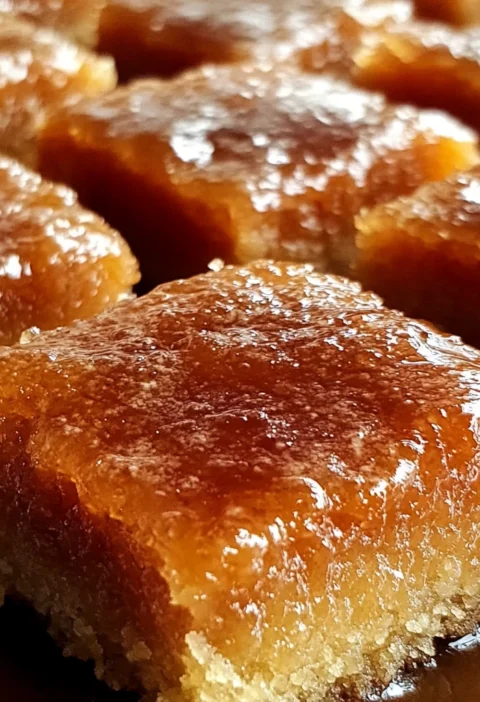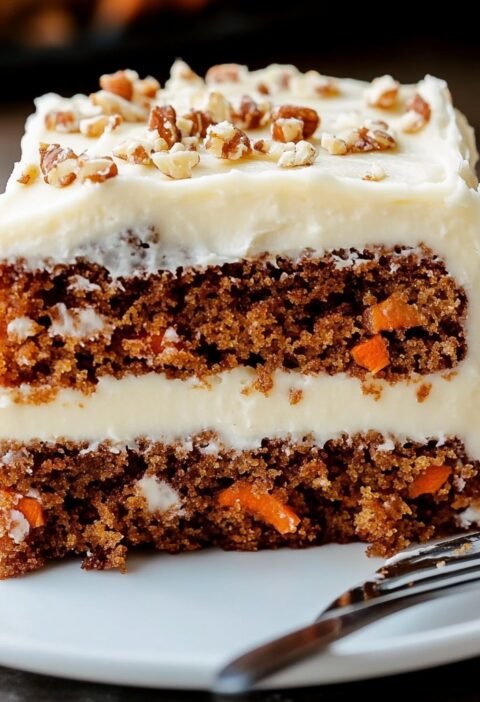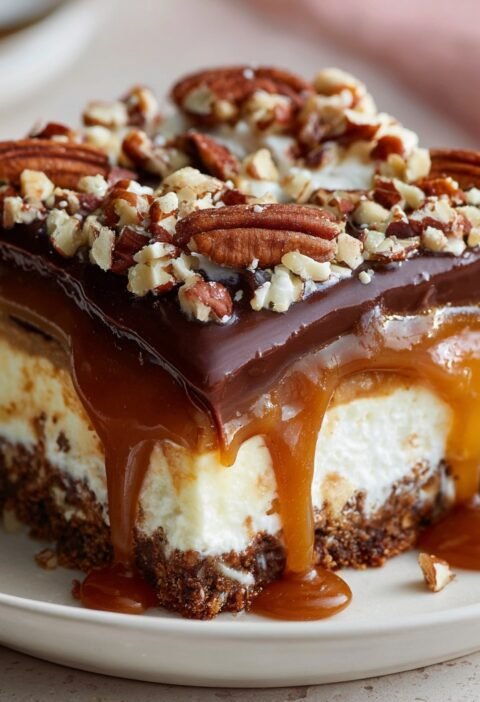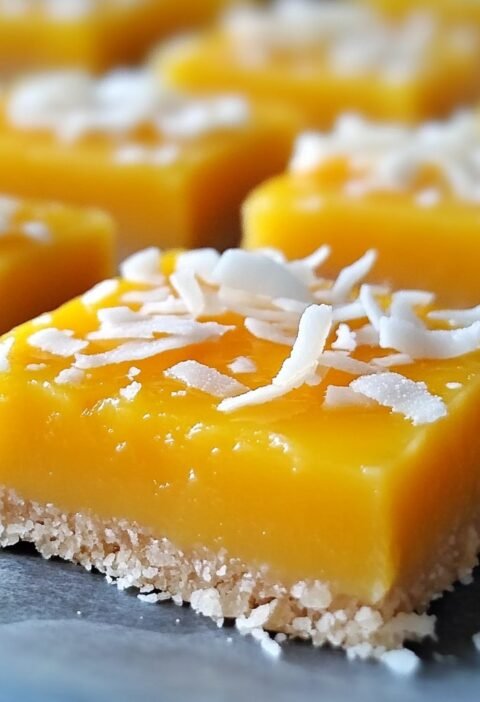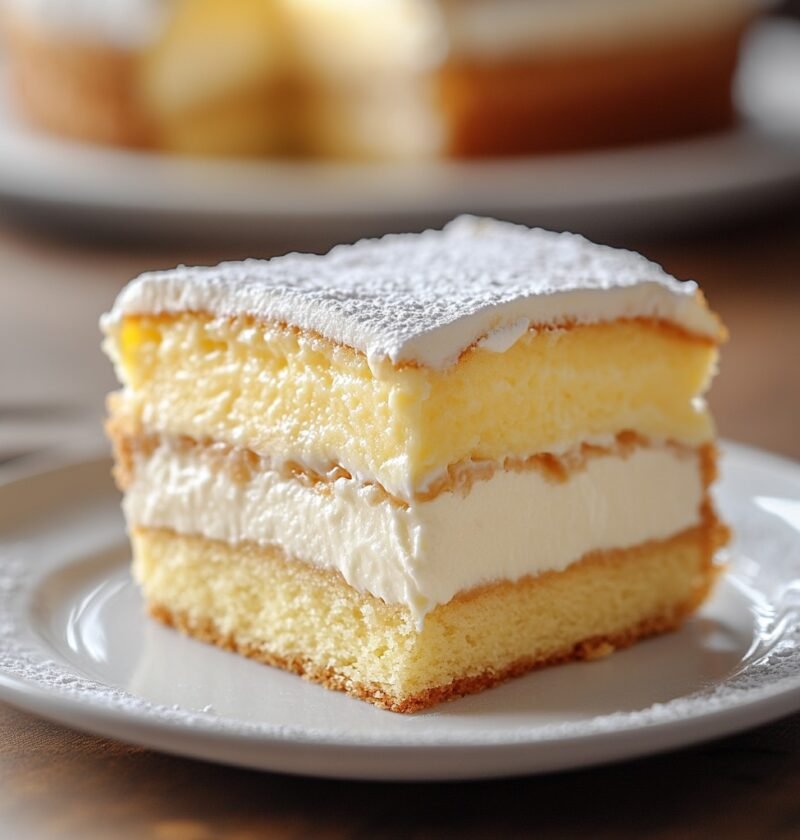
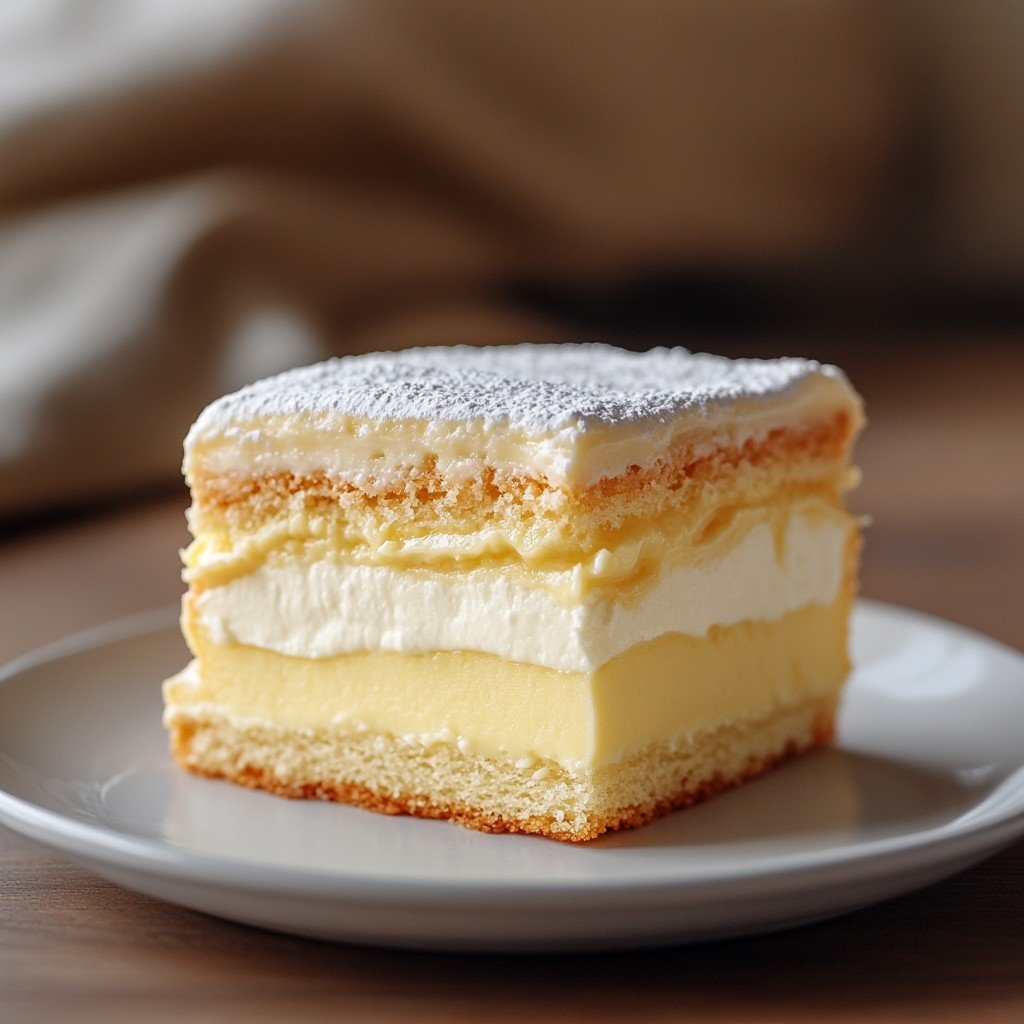
Church Cake has a cherished place in the world of classic baked desserts, known for its simplicity, versatility, and heartwarming flavor. With origins deeply rooted in community gatherings and celebrations, the Church Cake earned its name by being a beloved staple at church events, potlucks, and family reunions.
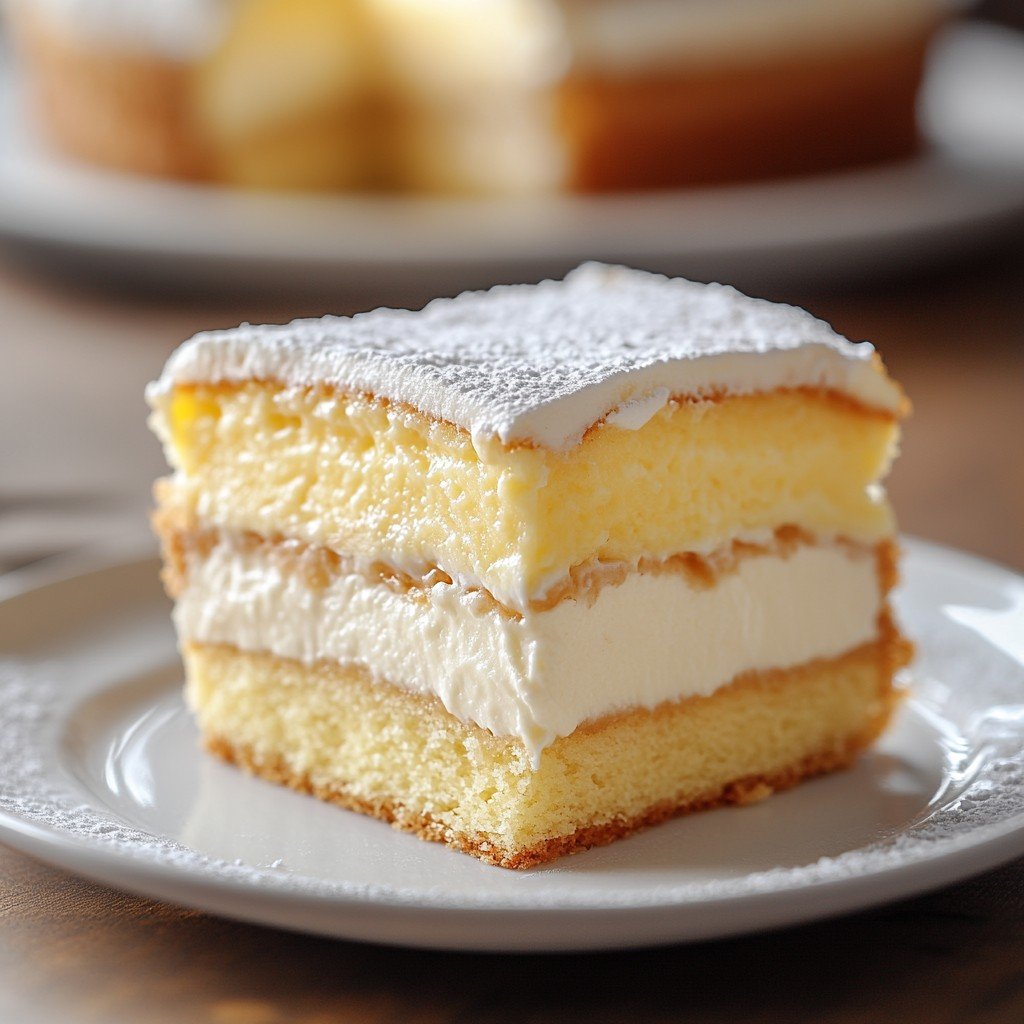
This timeless recipe offers a moist, tender crumb, and is often paired with a creamy frosting that complements its subtle sweetness. As people gathered for fellowship, the Church Cake symbolized unity, sharing, and comfort, becoming a centerpiece for meaningful occasions.
Today, the Church Cake remains a popular choice for bakers looking for an easy yet crowd-pleasing treat. Its straightforward ingredients make it accessible, while its delightful taste ensures everyone returns for seconds.
Whether you know it as a simple sheet cake adorned with a classic glaze or a layered masterpiece topped with rich buttercream, Church Cake adapts effortlessly to preferences and traditions.
This guide provides a comprehensive, step-by-step recipe to help you recreate this beloved cake for your own celebrations, ensuring soft texture, delicious flavor, and a beautiful presentation every time. Discover the secrets to perfecting Church Cake and learn why this recipe is a treasured favorite across generations.
Ingredients
- 2 1/2 cups all-purpose flour
- 2 cups granulated sugar
- 1 cup unsalted butter, softened
- 4 large eggs, at room temperature
- 1 cup whole milk, at room temperature
- 1 tablespoon baking powder
- 1/2 teaspoon salt
- 1 tablespoon pure vanilla extract
- 1/2 teaspoon almond extract (optional)
- For Frosting:
- 1/2 cup unsalted butter, softened
- 4 cups powdered sugar, sifted
- 1/4 cup whole milk or heavy cream
- 1 teaspoon pure vanilla extract
- Pinch of salt
Instructions
- Preheat your oven to 350°F (175°C). Grease and flour a 9×13-inch baking pan or two 8-inch round cake pans.
- In a large mixing bowl, cream together the softened butter and granulated sugar until light and fluffy, about 3-5 minutes.
- Add eggs one at a time, beating well after each addition to ensure a smooth, well-integrated batter.
- In a separate bowl, sift together the all-purpose flour, baking powder, and salt.
- Alternately add the dry ingredients and milk to the creamed mixture, beginning and ending with the dry ingredients. Mix on low speed after each addition just until combined.
- Add pure vanilla extract and almond extract (if using). Mix just until incorporated. Do not overmix.
- Pour the batter into the prepared pan(s) and smooth the top with a spatula.
- Bake in the preheated oven for 30-35 minutes, or until a toothpick inserted in the center comes out clean.
- Remove from the oven and allow the cake to cool in the pan for 10 minutes before transferring to a wire rack to cool completely.
- For the frosting: In a large bowl, beat the softened butter until creamy. Gradually add sifted powdered sugar, alternating with milk or cream, and beat until smooth and fluffy. Stir in vanilla extract and a pinch of salt.
- Once the cake is completely cool, frost the top (and sides, if desired) with the prepared buttercream frosting. Decorate as desired, slice, and serve.
Nutritional Information
A traditional Church Cake offers a delightful blend of carbohydrates, proteins, and fats, making it a comforting treat for any occasion. For a standard slice (1/16th of a 9×13-inch cake with frosting), you can expect approximately 320-360 calories.
Each serving contains around 5-6 grams of protein, 15 grams of fat (primarily from butter and eggs), and about 48 grams of carbohydrates, largely from flour and sugar.
While Church Cake is not a low-calorie dessert, it’s a cherished choice enjoyed during gatherings and special events for its satisfying sweetness and moist texture. It also provides trace amounts of calcium and iron from the enriched flour and eggs.
The high sugar content means it’s best enjoyed in moderation, particularly for those monitoring their blood sugar. For those seeking to reduce calories, consider substituting a portion of the sugar with a sugar alternative or opting for a lighter glaze instead of rich buttercream.
Incorporating whole grain flour or reducing the amount of butter slightly can also make the recipe a bit healthier without compromising flavor. Enjoy the comfort and nostalgia of Church Cake as an occasional indulgence within a balanced diet.
Wine and Beverage Pairings
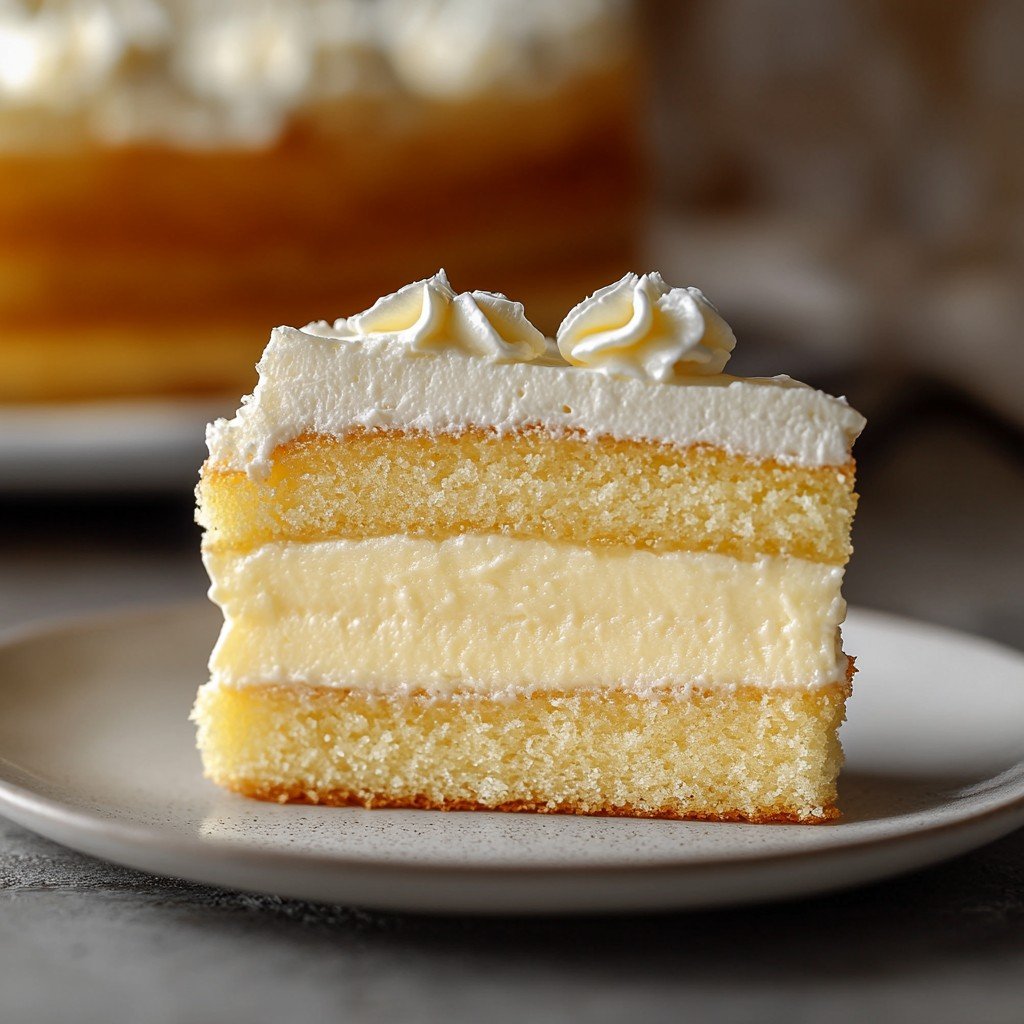
Church Cake pairs beautifully with both hot and cold beverages that complement its mellow sweetness and moist texture. Classic choices include freshly brewed coffee or a fragrant black tea, both of which balance the cake’s richness.
For a festive touch, consider serving Church Cake with sparkling apple cider, which provides a refreshing counterpoint. Wine lovers might enjoy a lightly sweet Moscato d’Asti or a late harvest Riesling, which harmonize with the vanilla notes of the cake and bring out subtle flavors in the frosting.
For special occasions, a celebratory glass of Champagne or Prosecco adds elegance and effervescence, making the experience feel truly special. Non-alcoholic pairings such as cold milk or a vanilla latte also highlight the cake’s buttery flavor.
Ultimately, Church Cake is a versatile dessert easily enjoyed with your favorite drinks, whether robust or delicate.
Cooking Tips and Variations
Achieving the perfect Church Cake involves careful attention to a few baking fundamentals. Always use room temperature ingredients, as this ensures even mixing and a uniform crumb. When creaming butter and sugar, aim for a light, airy texture; this step is crucial for a tender cake.
Don’t rush the sifting process: properly aerated flour and dissolved leavening agents prevent dense or uneven areas in the cake. For those who prefer a more decadent flavor, experiment by adding a touch of lemon zest or replacing part of the milk with buttermilk for extra tang.
If you love texture, gently fold in a handful of toasted nuts, coconut flakes, or dried fruit before baking. For variations, try substituting almond extract with orange or lemon extract, or spread a layer of fruit preserves between cake layers before frosting.
If you desire a more rustic finish, use a simple powdered sugar glaze poured over the warm cake, allowing sweet syrup to seep into the crumb. The basic Church Cake recipe is incredibly adaptable—make it your own by playing with flavors and decorations, from sprinkles to piped rosettes.
Remember, baking at the correct temperature is vital; cakes that brown too quickly on the outside but remain undercooked inside benefit from tenting the pan loosely with foil for the final minutes. Lastly, take care not to overbake, as this can dry out your cake.
With these tips, creating an exceptional Church Cake is both easy and rewarding.
Serving Suggestions
When it comes to serving Church Cake, presentation is as important as flavor. For gatherings or potlucks, slice the cake into neat squares or rectangles and arrange them on a decorative platter for communal enjoyment.
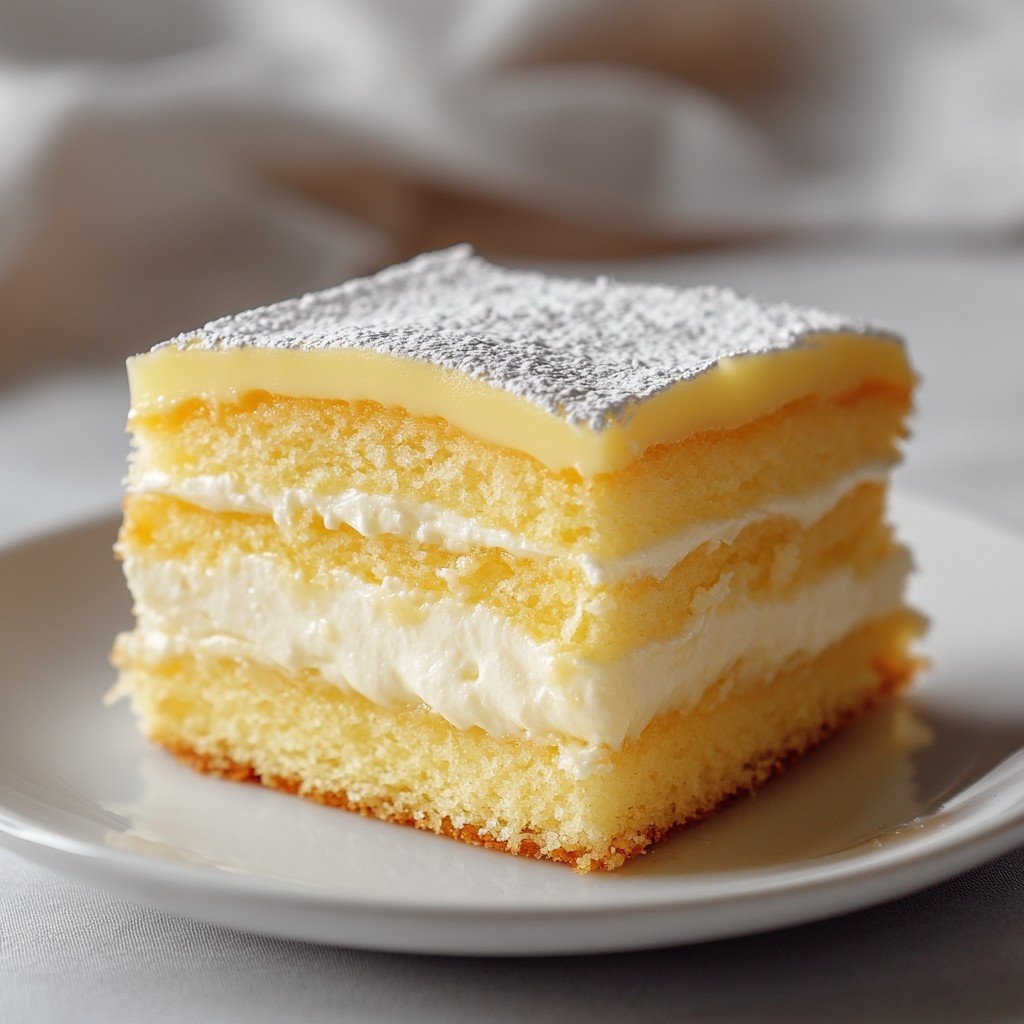
If prepared as a layer cake, use a serrated knife to ensure clean, even slices that showcase the cake’s fluffy texture and creamy frosting.
Garnish each piece with a simple twist—like a sprinkle of chopped nuts, a scattering of edible flowers, or a light dusting of powdered sugar—to enhance visual appeal.
For individual servings, consider pairing each slice with fresh berries, a dollop of whipped cream, or a drizzle of fruit coulis for added elegance. During celebrations, Church Cake can be centerpiece-worthy when adorned with piped rosettes or colorful sprinkles.
Plan to serve the cake at room temperature, as this allows the flavors and textures to shine. Store any leftovers in an airtight container at room temperature for up to 2 days, or in the refrigerator for a longer shelf life.
If you anticipate serving a crowd, baking ahead is possible: simply wrap the cooled, unfrosted cake and freeze, thawing just before your event and frosting fresh.
Church Cake’s universal appeal makes it ideal for church luncheons, birthday parties, family dinners, or casual coffee breaks—sharing this cake is a surefire way to bring joy to any gathering.
Health Benefits
While Church Cake is primarily an indulgent dessert, it can fit into a balanced diet when enjoyed in moderation. The eggs and milk in the recipe provide high-quality protein and essential nutrients such as vitamin D, vitamin B12, and calcium, which support bone and muscle health.
The use of whole eggs contributes beneficial choline, vital for brain health and cell function. Though traditional recipes rely on all-purpose flour and sugar, health-conscious bakers can experiment with incorporating whole wheat flour for added fiber, which aids digestion and can help maintain healthy cholesterol levels.
Reducing the amount of sugar or using natural sweeteners like honey or stevia can lower the overall glycemic impact, making the cake a better option for those watching their sugar intake.
Church Cake is free from saturated fats found in shortening-heavy desserts, and by using unsalted butter, you can control sodium content. Adding nuts or seeds can introduce healthy fats and micronutrients.
While Church Cake is not intended as a health food, small, mindful portions—prepared with wholesome ingredients—ensure that this beloved dessert can be enjoyed as part of a health-conscious lifestyle.
Frequently Asked Questions
Yes, you can prepare the cake a day or two in advance. Bake the cake, let it cool completely, wrap tightly, and store at room temperature. Frost just before serving for best texture.
Absolutely! Wrap the unfrosted cake in plastic wrap and foil, then freeze for up to 2 months. Thaw at room temperature before frosting and serving.
Traditionally, a 9×13-inch rectangular pan works best, but you can also use two 8-inch round pans for a layered cake. Adjust baking time as needed.
The cake is ready when a toothpick inserted into the center comes out clean or with a few moist crumbs. Avoid overbaking to keep the texture moist.
Yes! Substitute plant-based butter for regular butter and use your favorite non-dairy milk. The result will still be moist and flavorful.
Church Cake remains a beloved classic for good reason: it’s moist, fluffy, and versatile, perfectly suited for celebrations both big and small. Whether you stick with tradition or explore delicious variations, this recipe invites creativity and sharing. Its roots in community and fellowship make every slice a testament to connection and comfort. With its straightforward method and universally loved flavor, Church Cake is sure to become a requested favorite in your home. Enjoy this timeless treat and let it bring a touch of joy to your next gathering or quiet afternoon.
Ingredients
- 2 1/2 cups all-purpose flour
- 2 cups granulated sugar
- 1 cup unsalted butter, softened
- 4 large eggs, at room temperature
- 1 cup whole milk, at room temperature
- 1 tablespoon baking powder
- 1/2 teaspoon salt
- 1 tablespoon pure vanilla extract
- 1/2 teaspoon almond extract (optional)
- For Frosting:
- 1/2 cup unsalted butter, softened
- 4 cups powdered sugar, sifted
- 1/4 cup whole milk or heavy cream
- 1 teaspoon pure vanilla extract
- Pinch of salt
Instructions
-
1Preheat your oven to 350°F (175°C). Grease and flour a 9×13-inch baking pan or two 8-inch round cake pans.
-
2In a large mixing bowl, cream together the softened butter and granulated sugar until light and fluffy, about 3-5 minutes.
-
3Add eggs one at a time, beating well after each addition to ensure a smooth, well-integrated batter.
-
4In a separate bowl, sift together the all-purpose flour, baking powder, and salt.
-
5Alternately add the dry ingredients and milk to the creamed mixture, beginning and ending with the dry ingredients. Mix on low speed after each addition just until combined.
-
6Add pure vanilla extract and almond extract (if using). Mix just until incorporated. Do not overmix.
-
7Pour the batter into the prepared pan(s) and smooth the top with a spatula.
-
8Bake in the preheated oven for 30-35 minutes, or until a toothpick inserted in the center comes out clean.
-
9Remove from the oven and allow the cake to cool in the pan for 10 minutes before transferring to a wire rack to cool completely.
-
10For the frosting: In a large bowl, beat the softened butter until creamy. Gradually add sifted powdered sugar, alternating with milk or cream, and beat until smooth and fluffy. Stir in vanilla extract and a pinch of salt.
-
11Once the cake is completely cool, frost the top (and sides, if desired) with the prepared buttercream frosting. Decorate as desired, slice, and serve.
Approximate Information for One Serving
Nutrition Disclaimers
Number of total servings shown is approximate. Actual number of servings will depend on your preferred portion sizes.
Nutritional values shown are general guidelines and reflect information for 1 serving using the ingredients listed, not including any optional ingredients. Actual macros may vary slightly depending on specific brands and types of ingredients used.
To determine the weight of one serving, prepare the recipe as instructed. Weigh the finished recipe, then divide the weight of the finished recipe (not including the weight of the container the food is in) by the desired number of servings. Result will be the weight of one serving.
Did you make this recipe?
Please consider Pinning it!