Few sandwiches have achieved legendary status quite like the Philly Cheesesteak Sandwich. This iconic creation hails from the vibrant city of Philadelphia and has become a centerpiece of American comfort food.
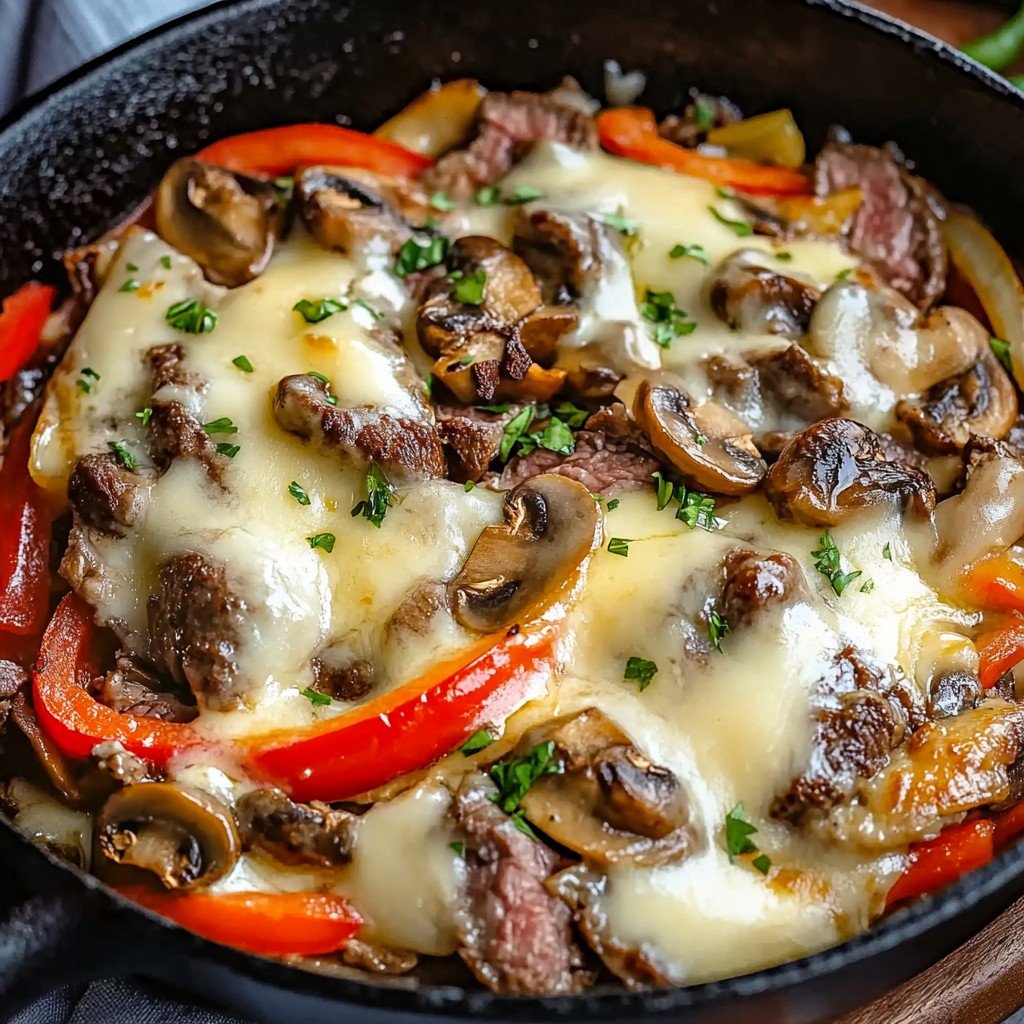
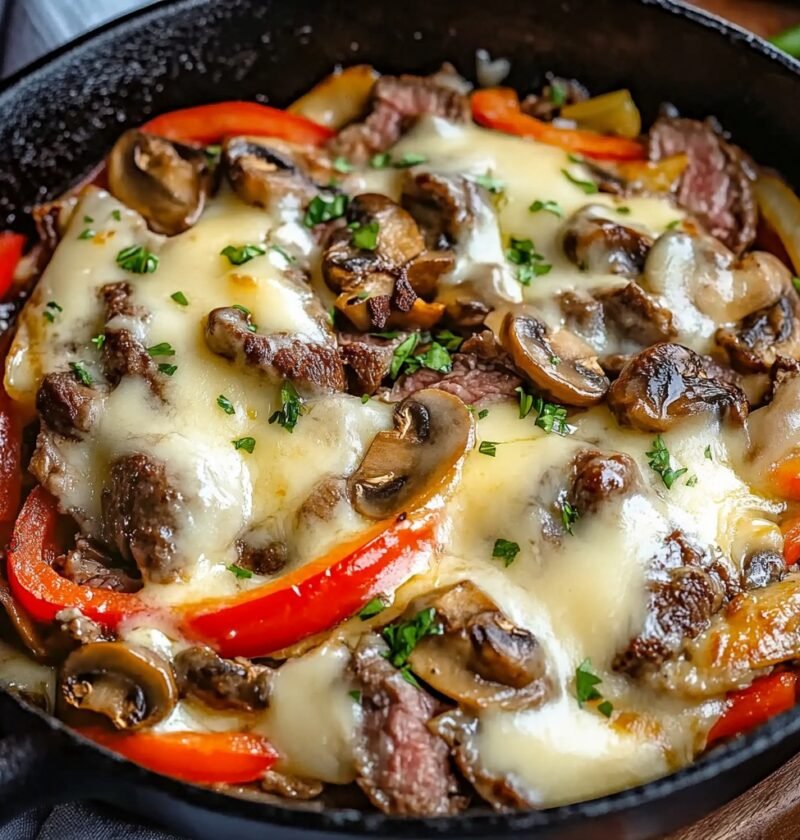
The Philly Cheesesteak Sandwich blends thinly sliced, high-quality ribeye beef, caramelized onions, and gooey melted cheese, all nestled in a soft, crusty long roll.
Its roots trace back to the early 1930s when Pat and Harry Olivieri first put grilled beef and onions onto an Italian roll, eventually giving birth to this beloved sandwich.
Over the decades, the Philly Cheesesteak Sandwich has evolved, with debates between provolone, American, or Cheez Whiz, and endless arguments over the best toppings. One thing remains unchanged: the irresistible combination of savory flavors and satisfying textures.
Learning to make a Philly Cheesesteak Sandwich at home ensures you’ll capture that mouthwatering taste in your own kitchen, customizing every detail according to your preference.
Whether you’re a longtime fan or a newcomer eager to discover this classic, this recipe will walk you through every step, from ingredient selection to serving ideas, to guarantee an authentic Philly Cheesesteak Sandwich experience.
Dive into this epic journey of flavor, history, and culinary tradition, and soon you’ll master the art of crafting this legendary sandwich.
Ingredients
- 1 lb ribeye steak (or substitute sirloin), thinly sliced
- 1 tablespoon vegetable oil (or canola oil)
- 1 large yellow onion, thinly sliced
- 1 green bell pepper, thinly sliced (optional)
- 4 hoagie rolls or long sandwich rolls, split
- 8 slices provolone cheese (or American cheese/Cheez Whiz)
- Salt and black pepper to taste
- Butter for toasting rolls (optional)
Instructions
- Place the ribeye steak in the freezer for 30-45 minutes to firm it up for easier slicing. Remove and slice it as thinly as possible against the grain.
- Heat the vegetable oil in a large skillet or griddle over medium-high heat.
- Add the sliced onions (and bell peppers if using) to the skillet. Cook, stirring frequently, until softened and slightly caramelized, about 5-7 minutes. Remove the veggies from the pan and set aside.
- Increase the heat to high. Add the thinly sliced steak to the pan in a single layer. Season lightly with salt and pepper. Cook quickly, stirring frequently, until browned and just cooked through, about 2-3 minutes.
- Return the onions and peppers to the skillet and mix with the meat. Lower the heat to medium.
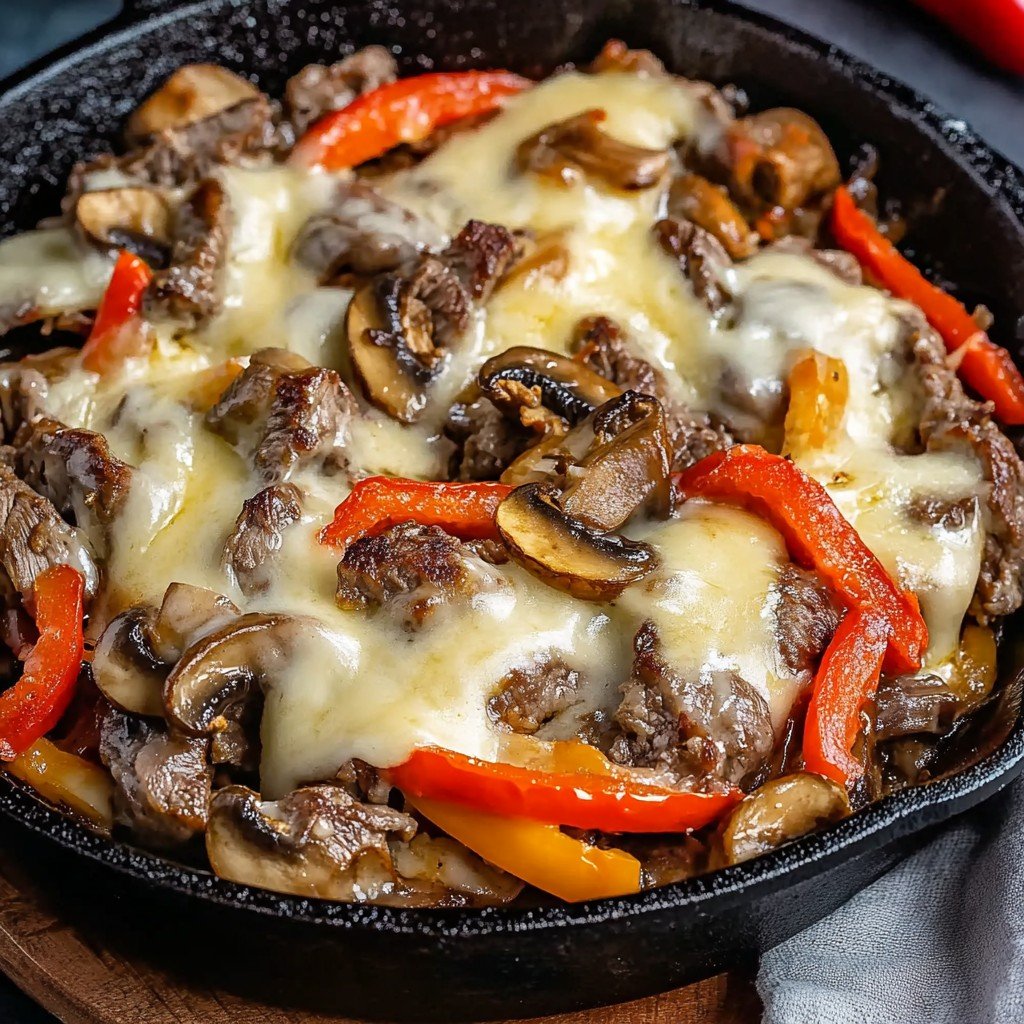
- Divide the meat and vegetable mixture into four even piles in the pan.
- Place 2 slices of provolone cheese (or desired cheese) over each pile. Let the cheese melt for about 1 minute.
- If desired, lightly butter and toast the hoagie rolls on a clean skillet or griddle until golden.
- Using a spatula, scoop each portion of the cheesesteak filling with melted cheese onto a toasted hoagie roll.
- Serve immediately while hot, and enjoy your homemade Philly Cheesesteak Sandwich.
Nutritional Information
The Philly Cheesesteak Sandwich is a hearty meal, offering a balance of protein, carbohydrates, and fat. A single sandwich (approximate serving with provolone cheese, onions, and a standard hoagie roll) contains about 650-750 calories, depending on the size of the roll and the amount of cheese used.
It provides 35-40 grams of protein thanks to the steak and cheese, making it a satisfying option for those seeking muscle support and long-lasting energy. Total fat content is typically around 30-35 grams per sandwich, with saturated fat accounting for roughly 12-15 grams due to the cheese and beef.
Carbohydrates range from 45-50 grams per serving, primarily from the hoagie roll, making it a hearty choice for those seeking post-workout recovery or a substantial lunch.
Sodium levels can be moderately high, coming mainly from the cheese and bread; reducing added salt or opting for low-sodium cheese may lower this figure. The sandwich also offers a good source of calcium, iron, and B vitamins.
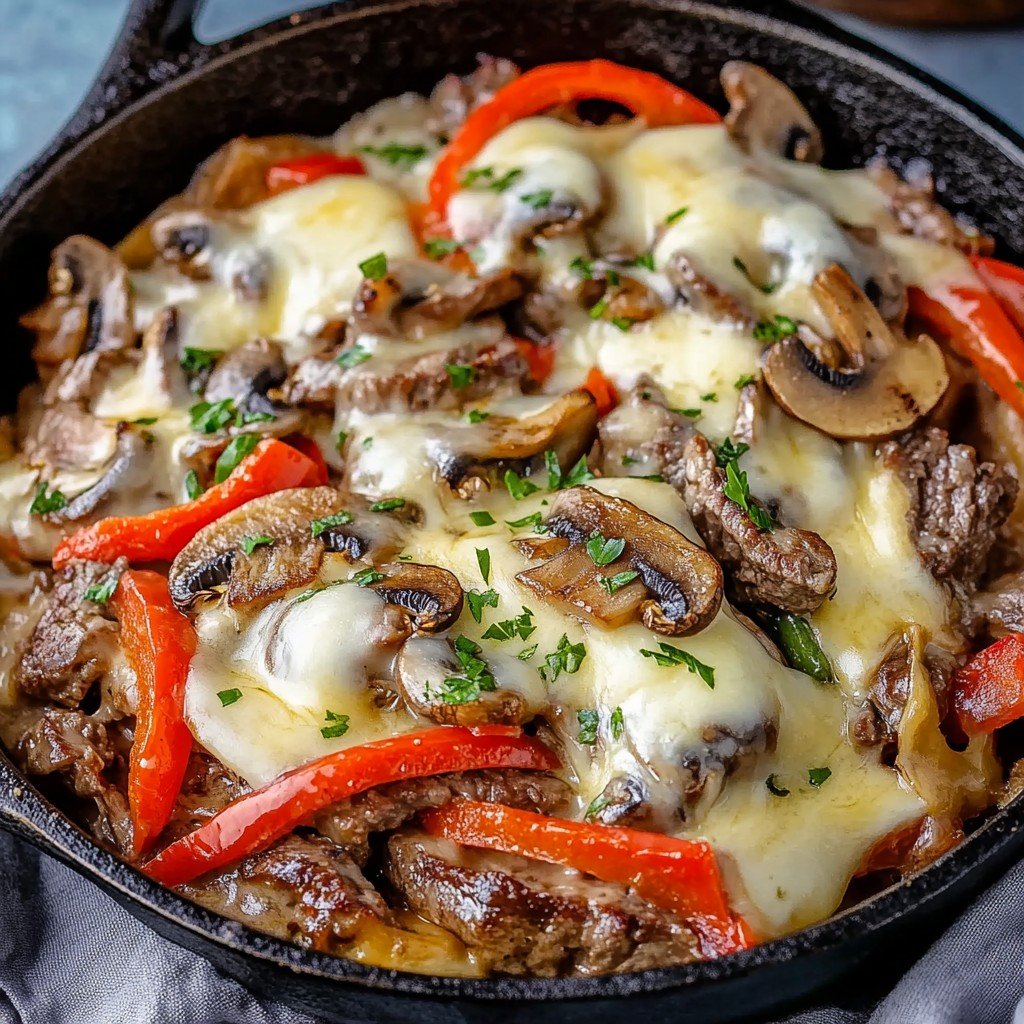
Adding vegetables like peppers and mushrooms can increase the fiber and micronutrient content, supporting overall health. While the Philly Cheesesteak Sandwich is indulgent as designed, thoughtful ingredient choices can enhance its nutritional profile to better align with your dietary goals.
Wine and Beverage Pairings
The rich and savory flavors of a Philly Cheesesteak Sandwich pair beautifully with a variety of beverages. For a classic choice, serve with a cold American lager or pilsner, which cuts through the richness of the steak and cheese.
If you prefer wine, a medium-bodied red such as Syrah or Merlot offers complementary notes without overwhelming the sandwich. For non-alcoholic options, a crisp lemon iced tea, lightly sweetened soda, or even a root beer balances the robust flavors and refreshes the palate.
For something lighter, a sparkling water with a twist of lime provides a clean, effervescent counterpoint.
Cooking Tips and Variations
Crafting the perfect Philly Cheesesteak Sandwich at home requires simple attention to detail and room for creative twists. For the best results, use ribeye steak; it’s prized for its marbling and tenderness.
Place the steak in the freezer for about 30-45 minutes before slicing to make it easier to cut into ultra-thin strips, which cook quickly and maintain tenderness. A hot griddle or cast-iron skillet delivers the best sear, creating those flavorful browned bits.
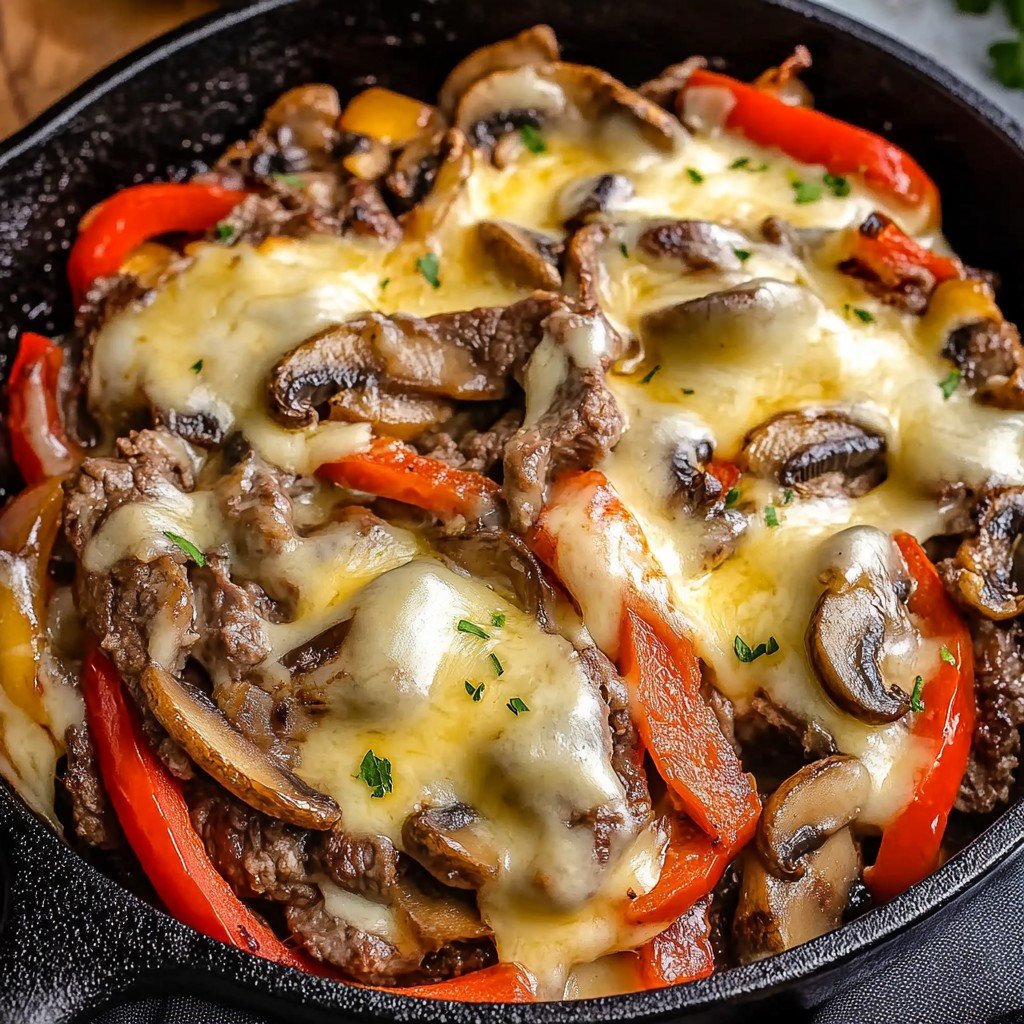
Onion is a must, but consider adding mushrooms, green bell pepper, or even jalapeños for more depth or heat. Cheese choice is highly personal—provolone delivers a mild, creamy melt, American cheese is super gooey, and Cheez Whiz pays homage to classic Philly takeout.
For a lighter version, leaner beef cuts, reduced-fat cheese, or whole-wheat rolls work beautifully. Toasting the rolls with a touch of butter brings out extra flavor and shields the bread from becoming soggy. If you’re feeding a crowd, prepare all fillings ahead and assemble sandwiches fresh for the best texture.
Finally, variations abound: try chicken, portobello mushroom, or even tofu for an alternative spin. With a few adjustments, every home cook can personalize the Philly Cheesesteak Sandwich to suit their taste and dietary needs.
Serving Suggestions
Serving the Philly Cheesesteak Sandwich is about more than just assembling ingredients; it’s about creating a memorable meal that delights the senses.
The ideal sandwich is generously filled but not overstuffed—aim for each roll to be packed with plenty of melting cheese and juicy steak, yet still manageable to eat by hand. For casual gatherings or game day, serve sandwiches on wax paper or parchment for an authentic Philadelphia experience.
Complement your Philly Cheesesteak Sandwich with classic sides such as crispy French fries, kettle chips, or a simple green salad. For a lighter touch, opt for a cucumber-tomato salad or oven-roasted vegetables to balance out the richness.
Pickles, banana peppers, or giardiniera offer tang and crunch, cutting through the beefy richness. For a full meal, consider offering a trio of dipping sauces like garlic aioli, spicy ketchup, or classic hot sauce.
When entertaining, create a build-your-own cheesesteak bar, letting guests select their preferred toppings and cheese for a personalized touch. For a Philly-themed meal, round out your spread with soft pretzels and finish with a sweet treat like Italian water ice or cheesecake.
Whatever the occasion, the Philly Cheesesteak Sandwich remains the star—satisfying, indulgent, and loaded with flavor.
Health Benefits
While the Philly Cheesesteak Sandwich is a delicious and indulgent choice, it can fit into a balanced diet when enjoyed in moderation. The primary health benefit lies in its high-quality protein content, which supports muscle repair, growth, and satiety.
Using lean beef or trimming excess fat helps reduce saturated fat, making the sandwich heart-friendlier. The beef and cheese provide essential nutrients like iron, zinc, calcium, and B vitamins—key for energy production and bone health.
Vegetables such as onions and peppers add fiber, antioxidants, and phytonutrients, supporting immune function and digestive health. Opting for whole-wheat bread increases fiber content, aiding in blood sugar control and satiety. For a healthier version, consider low-fat cheese, extra veggies, and less oil for cooking.
Reducing portion size or sharing the sandwich makes it more calorie-conscious. Enjoying the Philly Cheesesteak Sandwich as part of an overall balanced meal ensures both taste and nutritional value, proving you don’t have to sacrifice flavor for better health.
Frequently Asked Questions
Ribeye steak is the traditional and most popular choice for a Philly Cheesesteak Sandwich due to its tenderness and marbling. Sirloin or top round can be used as more budget-friendly alternatives.
While they are best when freshly made, you can prepare the steak, onions, and peppers in advance. Assemble and melt the cheese just before serving to maintain the sandwich’s fresh, melty texture.
Provolone, American cheese, and Cheez Whiz are all considered authentic choices. The preference largely depends on tradition or personal taste.
Use lean beef, less cheese, and add extra vegetables. Choose whole-grain rolls and limit the use of oil and butter for a lighter version.
Yes, use thinly sliced portobello mushrooms or plant-based meat substitutes as the filling, and proceed with the rest of the recipe as written.
The Philly Cheesesteak Sandwich is a timeless favorite that encapsulates the energy and warmth of Philadelphia. With its irresistible blend of tender steak, melty cheese, and perfectly toasted roll, it’s no wonder this sandwich has earned a place in the hearts of food lovers everywhere. By mastering this recipe, you can recreate the magic of an authentic Philly Cheesesteak Sandwich in your own home, customizing each bite to match your personal preferences. Whether you’re preparing lunch for the family, hosting a game day gathering, or simply indulging in a delicious treat, this sandwich will always impress. Experiment with toppings and cheeses, share with friends, and enjoy a taste of Philadelphia no matter where you are.
Ingredients
- 1 lb ribeye steak (or substitute sirloin), thinly sliced
- 1 tablespoon vegetable oil (or canola oil)
- 1 large yellow onion, thinly sliced
- 1 green bell pepper, thinly sliced (optional)
- 4 hoagie rolls or long sandwich rolls, split
- 8 slices provolone cheese (or American cheese/Cheez Whiz)
- Salt and black pepper to taste
- Butter for toasting rolls (optional)
Instructions
-
1Place the ribeye steak in the freezer for 30-45 minutes to firm it up for easier slicing. Remove and slice it as thinly as possible against the grain.
-
2Heat the vegetable oil in a large skillet or griddle over medium-high heat.
-
3Add the sliced onions (and bell peppers if using) to the skillet. Cook, stirring frequently, until softened and slightly caramelized, about 5-7 minutes. Remove the veggies from the pan and set aside.
-
4Increase the heat to high. Add the thinly sliced steak to the pan in a single layer. Season lightly with salt and pepper. Cook quickly, stirring frequently, until browned and just cooked through, about 2-3 minutes.
-
5Return the onions and peppers to the skillet and mix with the meat. Lower the heat to medium.
-
6Divide the meat and vegetable mixture into four even piles in the pan.
-
7Place 2 slices of provolone cheese (or desired cheese) over each pile. Let the cheese melt for about 1 minute.
-
8If desired, lightly butter and toast the hoagie rolls on a clean skillet or griddle until golden.
-
9Using a spatula, scoop each portion of the cheesesteak filling with melted cheese onto a toasted hoagie roll.
-
10Serve immediately while hot, and enjoy your homemade Philly Cheesesteak Sandwich.
Approximate Information for One Serving
Nutrition Disclaimers
Number of total servings shown is approximate. Actual number of servings will depend on your preferred portion sizes.
Nutritional values shown are general guidelines and reflect information for 1 serving using the ingredients listed, not including any optional ingredients. Actual macros may vary slightly depending on specific brands and types of ingredients used.
To determine the weight of one serving, prepare the recipe as instructed. Weigh the finished recipe, then divide the weight of the finished recipe (not including the weight of the container the food is in) by the desired number of servings. Result will be the weight of one serving.
Did you make this recipe?
Please consider Pinning it!