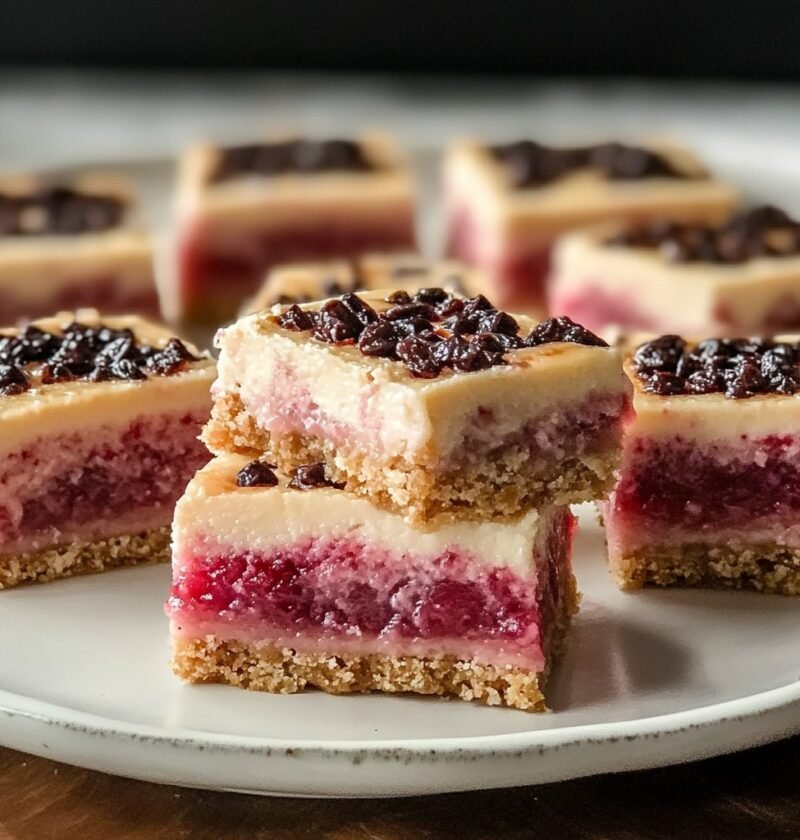
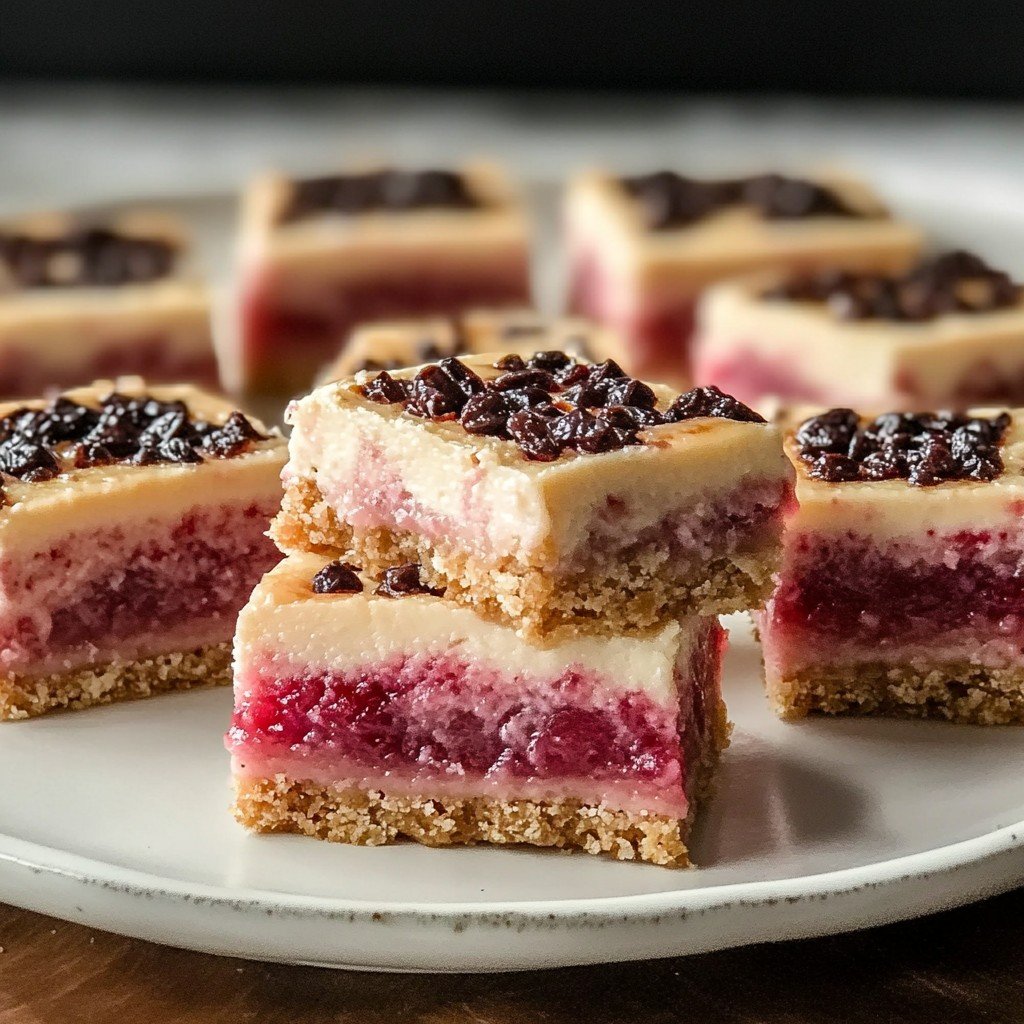
Rhubarb Cheesecake Squares Spring Baking brings together the best of seasonal ingredients and classic dessert favorites. Perfect for spring gatherings, these delightful squares transform the tart, flavorful bite of fresh rhubarb into an irresistible sweet treat, perfectly paired with smooth, creamy cheesecake and a tender shortbread crust.
Rhubarb has long been cherished in spring recipes thanks to its distinctive sharpness and vibrant color. As one of the first plants to appear in gardens after winter, rhubarb represents a fresh start and a promise of sunny days to come.
Cheesecake, beloved around the world for its creamy, tangy base, dates back in some form to Ancient Greece. In America, cheesecake evolved into many forms, with bars and squares emerging as a convenient, shareable dessert for potlucks and parties.
Rhubarb Cheesecake Squares Spring Baking, as a recipe, combines this historical love of cheesecake with the unique character of rhubarb – a tart vegetable often paired with sugar to tame its assertiveness.
In this recipe, rhubarb is gently roasted and combined with a hint of vanilla, then layered atop a velvety cheesecake mixture, all nestled in a buttery, crumbly base.
The result is a seasonal dessert that is both traditional and innovative, perfect for spring celebrations, picnics, or simply enjoying the abundance of rhubarb at its peak. In every bite, you'll taste the balance of flavors and textures, making it a go-to choice for baking this season.
Learn how to prepare these scrumptious Rhubarb Cheesecake Squares Spring Baking and impress your friends and family with a dessert that celebrates the joys of spring.
Ingredients
- 1 cup fresh rhubarb, chopped into 1/2 inch pieces
- 1/3 cup granulated sugar, for rhubarb
- 1 teaspoon vanilla extract
- 1 1/2 cups all-purpose flour
- 1/2 cup powdered sugar
- 1/2 teaspoon salt
- 3/4 cup unsalted butter, cold and cubed
- 16 ounces cream cheese, softened to room temperature
- 2/3 cup granulated sugar, for cheesecake
- 2 large eggs
- 2 tablespoons lemon juice
- 1 tablespoon lemon zest
- 1 teaspoon vanilla extract, for cheesecake
- 1/4 cup sour cream
Instructions
- Preheat your oven to 350°F (175°C). Line a 9×9 inch baking pan with parchment paper, leaving an overhang on the sides for easy removal.
- Toss the chopped rhubarb with 1/3 cup granulated sugar and 1 teaspoon vanilla extract in a medium bowl. Let it rest while you prepare the base.
- In a mixing bowl, combine the flour, powdered sugar, and salt. Add the cold, cubed butter and use a pastry cutter or your fingers to work the butter into the dry ingredients until the mixture resembles coarse crumbs.
- Press the crust mixture evenly into the bottom of the prepared baking pan. Bake the crust for 15 minutes until lightly golden.
- While the base is baking, prepare the cheesecake filling. In a large bowl, beat the cream cheese until smooth and fluffy. Add 2/3 cup granulated sugar and beat again, scraping the sides of the bowl as needed.
- Beat in the eggs, one at a time, mixing well after each addition. Add lemon juice, lemon zest, 1 teaspoon vanilla extract, and sour cream. Mix until fully combined and silky.
- Pour the cheesecake mixture over the pre-baked crust, smoothing the top with a spatula.
- Evenly distribute the sugared rhubarb over the cheesecake layer, gently pressing it in.
- Return the pan to the oven and bake for 35-40 minutes, or until the center is just set and a slight jiggle remains.
- Allow the pan to cool to room temperature, then refrigerate for at least 3 hours, or overnight for best results.
- Remove the cheesecake from the pan using the parchment overhang. Cut into squares with a sharp knife, wiping the blade between cuts for clean edges.
- Serve chilled, and enjoy your Rhubarb Cheesecake Squares Spring Baking!
Nutritional Information
A typical serving of Rhubarb Cheesecake Squares Spring Baking consists of one square, assuming the pan is cut into 16 pieces. Each square offers an indulgent balance of flavors and textures, but it's also useful to be aware of what you're consuming nutritionally.
Each serving contains approximately 220 calories, mainly from the creamy cheesecake layer and the buttery crust.
You will also find roughly 14 grams of fat per square, with 8 grams coming from saturated fats due to the use of butter and cream cheese, providing rich flavor and that desirable creamy mouthfeel.
The carbohydrates amount to about 21 grams per piece, primarily sourced from the sugars and flour. While the recipe features sugar, it's balanced by the tartness of the rhubarb, which itself adds dietary fiber and Vitamin K.
Protein content approaches about 3 grams per serving, derived mainly from the eggs and cream cheese. Sodium content is moderate, around 120 mg per square, making it suitable even if you're keeping an eye on your salt intake.
These nutrition facts help you understand how Rhubarb Cheesecake Squares Spring Baking fit into your overall diet. To lighten the dessert, consider using lower-fat dairy products or reducing the sugar content, though this may affect taste and texture. As with any treat, moderation is key.
The presence of real fruit ingredients in these cheesecake squares means you also benefit from the vitamins and minerals found naturally in rhubarb, supporting your springtime wellness goals.
Wine and Beverage Pairings
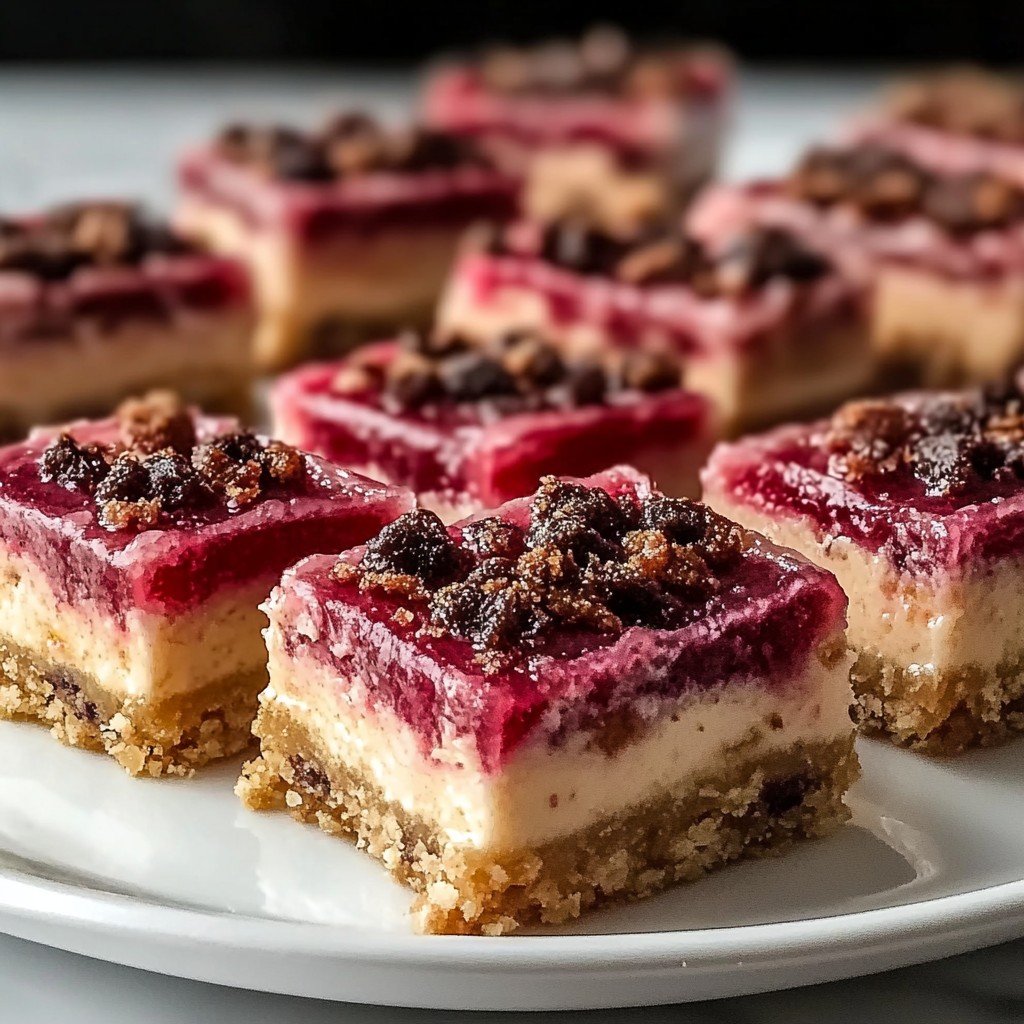
The flavor profile of Rhubarb Cheesecake Squares Spring Baking lends itself beautifully to a range of beverage pairings. For an afternoon teatime treat, a cup of lightly sweetened herbal tea such as chamomile or hibiscus will complement the tang of rhubarb while providing floral, refreshing notes.
If you prefer wine, a young, slightly sweet white wine such as a Moscato d'Asti or a Riesling balances the tartness and creamy texture of the cheesecake.
For those looking for something non-alcoholic, a sparkling lemonade or fruit punch echoes the dessert’s springtime vibe, offering a crisp and bright contrast on the palate.
Coffee lovers will enjoy an espresso or a cappuccino with these squares, as the bitterness of coffee beautifully offsets the sweet, creamy filling and sharp rhubarb topping.
Aim to select a beverage with a mild acidity or a subtle, fruity profile so as not to overpower the delicate flavors of your Rhubarb Cheesecake Squares Spring Baking.
Cooking Tips and Variations
Rhubarb Cheesecake Squares Spring Baking can be adapted to suit a range of tastes and occasions. For those who enjoy a crunchier texture, try adding a handful of chopped walnuts or pecans to the crust mixture before baking.
If you prefer a gluten-free dessert, substitute the all-purpose flour for your favorite gluten-free blend. To make the squares a bit healthier, consider swapping regular cream cheese for a reduced-fat version or using Greek yogurt in place of sour cream to add protein without extra fat.
Experiment with flavors by stirring a pinch of ground ginger or cardamom into the rhubarb before layering it onto the cheesecake. If you love an extra tang, increase the lemon zest slightly for a more pronounced citrus flavor.
When using rhubarb, always trim away any leafy tops, as they are not edible.
If rhubarb is especially tart, you may want to increase the sugar in the rhubarb mixture by another tablespoon or pair the rhubarb with a handful of juicy strawberries for a classic spring combination that will sweeten and balance the dessert.
When slicing your squares, dip your knife in hot water and wipe it clean between cuts for neat, professional-looking edges. Rhubarb Cheesecake Squares Spring Baking keep well refrigerated for up to five days, making them a great make-ahead treat for parties or family gatherings.
Serving Suggestions
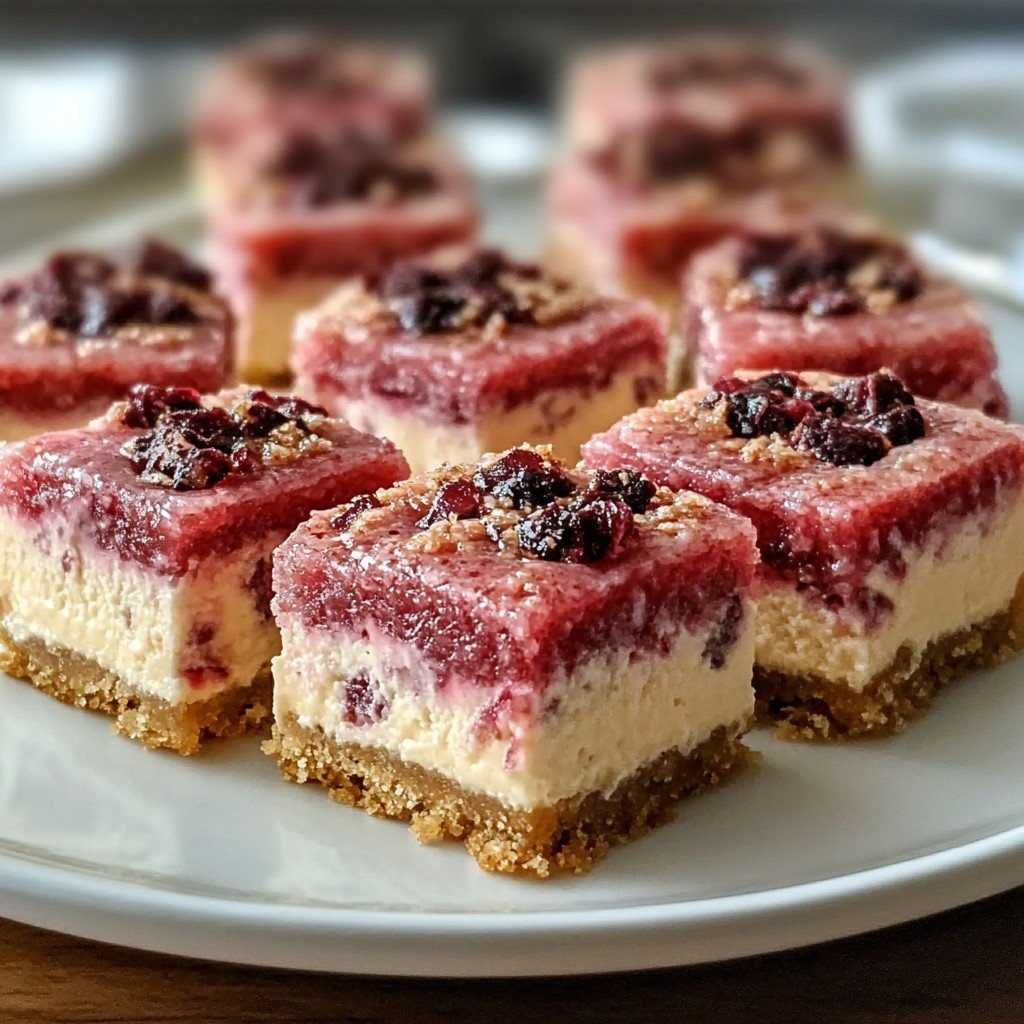
Serving Rhubarb Cheesecake Squares Spring Baking is as much about presentation as it is about taste. Once chilled and sliced into neat squares, consider arranging them on a white or pastel-colored platter to highlight the vibrant pink tones of the rhubarb.
For elegant gatherings, garnish each square with a thin strip of fresh lemon zest or a gentle dusting of powdered sugar for extra visual appeal.
If hosting a spring party or brunch, pair these cheesecake squares with a side of fresh, seasonal berries such as strawberries, raspberries, or blueberries to add color and variety to your dessert tray.
They also work beautifully as part of a dessert buffet, where their manageable size and eye-catching color make them a favorite choice. When serving at picnics or potlucks, transport the squares in their baking pan and slice them just before serving to maintain their shape and freshness.
These treats are best enjoyed slightly chilled, as this enhances the creamy texture of the cheesecake and ensures the base stays firm. If desired, a generous dollop of whipped cream or a drizzle of berry coulis can further elevate each serving for special occasions.
Whether shared at a family table or as a standout contribution to a spring celebration, Rhubarb Cheesecake Squares Spring Baking always deliver on both flavor and presentation, making every serving memorable.
Health Benefits
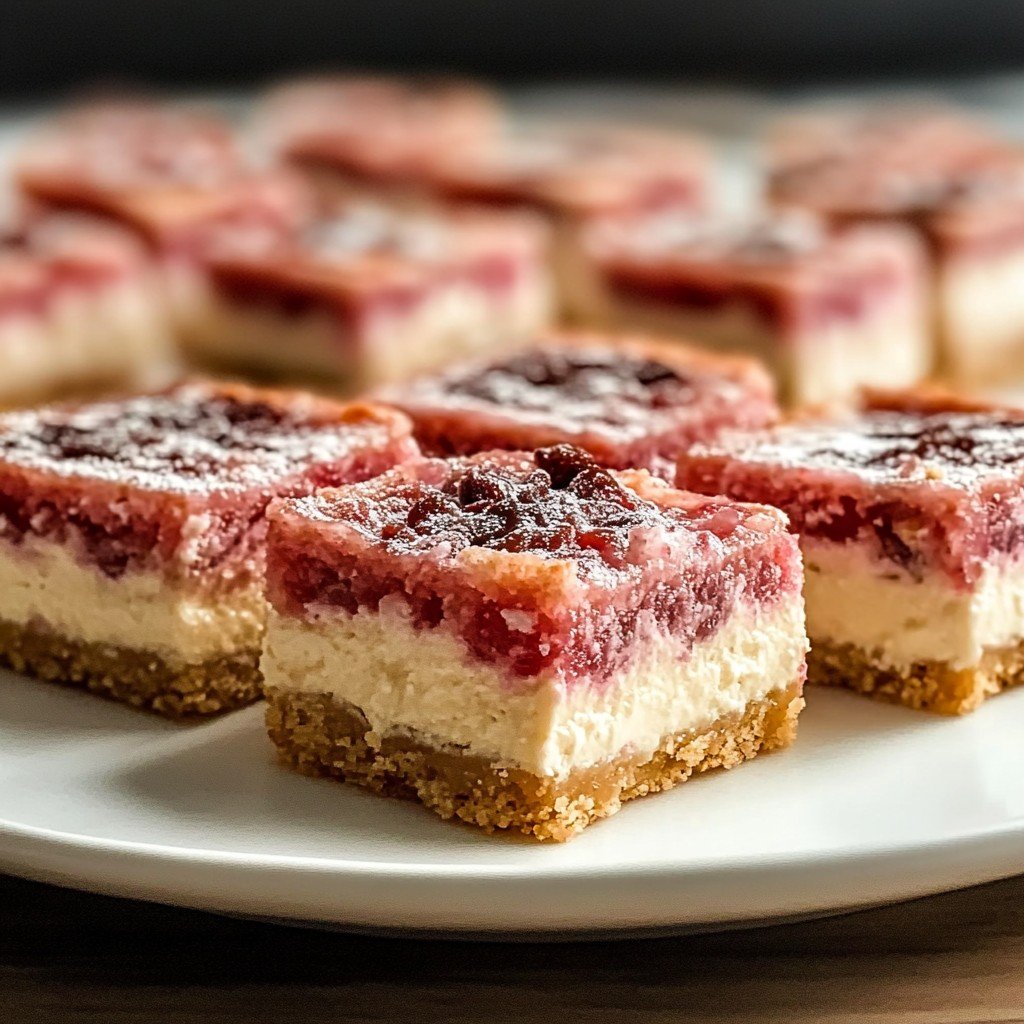
Rhubarb Cheesecake Squares Spring Baking are not only delicious but can also offer some health benefits when enjoyed in moderation. Rhubarb itself is a low-calorie vegetable, high in dietary fiber, vitamin K, and calcium, contributing to bone health and aiding digestion.
The inclusion of eggs and dairy in the cheesecake filling supports protein intake, which is essential for muscle maintenance and overall cell function. Using fresh rhubarb provides antioxidants that help combat oxidative stress in the body.
For those conscious about sugar and fat, substitutions such as light cream cheese, reduced added sugar, or incorporating Greek yogurt instead of sour cream can reduce the calorie content while preserving a similar creamy texture.
Because the base includes butter for flavor and structure, mindful portion control allows you to savor the treat without significantly impacting your daily nutrient intake.
Additionally, making desserts like Rhubarb Cheesecake Squares Spring Baking at home lets you control ingredient quality and adjust for dietary preferences, ensuring a fresher and possibly healthier result compared to store-bought options.
Enjoy this seasonal delight as part of a balanced diet to reap the nutritional benefits of rhubarb and the satisfaction of homemade baking.
Frequently Asked Questions
Yes, frozen rhubarb can be used. Thaw it completely and drain excess liquid before using to prevent sogginess in the dessert.
The squares keep well in the refrigerator for up to five days when stored in an airtight container. Serve chilled for best results.
Absolutely. Substitute the all-purpose flour in the crust with your favorite gluten-free flour blend for a gluten-free version.
Yes, adding strawberries or raspberries can balance the tartness of rhubarb and offer a complementary flavor.
Chilling allows the cheesecake to set fully, making it easier to cut into clean squares while enhancing texture and flavor.
Rhubarb Cheesecake Squares Spring Baking is a delightful way to welcome the warmer months, blending classic cheesecake with the vibrant, tart flavors of fresh rhubarb. This recipe stands out for its perfect mix of textures—the crisp base, creamy cheesecake, and juicy rhubarb topping—all harmonizing for a balanced, memorable bite. Whether shared at a special event or enjoyed with an afternoon cup of tea, these squares evoke the freshness and promise of spring. With options to adapt the recipe for various diets and personal tastes, Rhubarb Cheesecake Squares Spring Baking are sure to become a seasonal staple in your home. Try them for your next gathering and experience the joy of baking with one of spring's most beloved harvests.
Ingredients
- 1 cup fresh rhubarb, chopped into 1/2 inch pieces
- 1/3 cup granulated sugar, for rhubarb
- 1 teaspoon vanilla extract
- 1 1/2 cups all-purpose flour
- 1/2 cup powdered sugar
- 1/2 teaspoon salt
- 3/4 cup unsalted butter, cold and cubed
- 16 ounces cream cheese, softened to room temperature
- 2/3 cup granulated sugar, for cheesecake
- 2 large eggs
- 2 tablespoons lemon juice
- 1 tablespoon lemon zest
- 1 teaspoon vanilla extract, for cheesecake
- 1/4 cup sour cream
Instructions
-
1Preheat your oven to 350°F (175°C). Line a 9×9 inch baking pan with parchment paper, leaving an overhang on the sides for easy removal.
-
2Toss the chopped rhubarb with 1/3 cup granulated sugar and 1 teaspoon vanilla extract in a medium bowl. Let it rest while you prepare the base.
-
3In a mixing bowl, combine the flour, powdered sugar, and salt. Add the cold, cubed butter and use a pastry cutter or your fingers to work the butter into the dry ingredients until the mixture resembles coarse crumbs.
-
4Press the crust mixture evenly into the bottom of the prepared baking pan. Bake the crust for 15 minutes until lightly golden.
-
5While the base is baking, prepare the cheesecake filling. In a large bowl, beat the cream cheese until smooth and fluffy. Add 2/3 cup granulated sugar and beat again, scraping the sides of the bowl as needed.
-
6Beat in the eggs, one at a time, mixing well after each addition. Add lemon juice, lemon zest, 1 teaspoon vanilla extract, and sour cream. Mix until fully combined and silky.
-
7Pour the cheesecake mixture over the pre-baked crust, smoothing the top with a spatula.
-
8Evenly distribute the sugared rhubarb over the cheesecake layer, gently pressing it in.
-
9Return the pan to the oven and bake for 35-40 minutes, or until the center is just set and a slight jiggle remains.
-
10Allow the pan to cool to room temperature, then refrigerate for at least 3 hours, or overnight for best results.
-
11Remove the cheesecake from the pan using the parchment overhang. Cut into squares with a sharp knife, wiping the blade between cuts for clean edges.
-
12Serve chilled, and enjoy your Rhubarb Cheesecake Squares Spring Baking!
Approximate Information for One Serving
Nutrition Disclaimers
Number of total servings shown is approximate. Actual number of servings will depend on your preferred portion sizes.
Nutritional values shown are general guidelines and reflect information for 1 serving using the ingredients listed, not including any optional ingredients. Actual macros may vary slightly depending on specific brands and types of ingredients used.
To determine the weight of one serving, prepare the recipe as instructed. Weigh the finished recipe, then divide the weight of the finished recipe (not including the weight of the container the food is in) by the desired number of servings. Result will be the weight of one serving.
Did you make this recipe?
Please consider Pinning it!