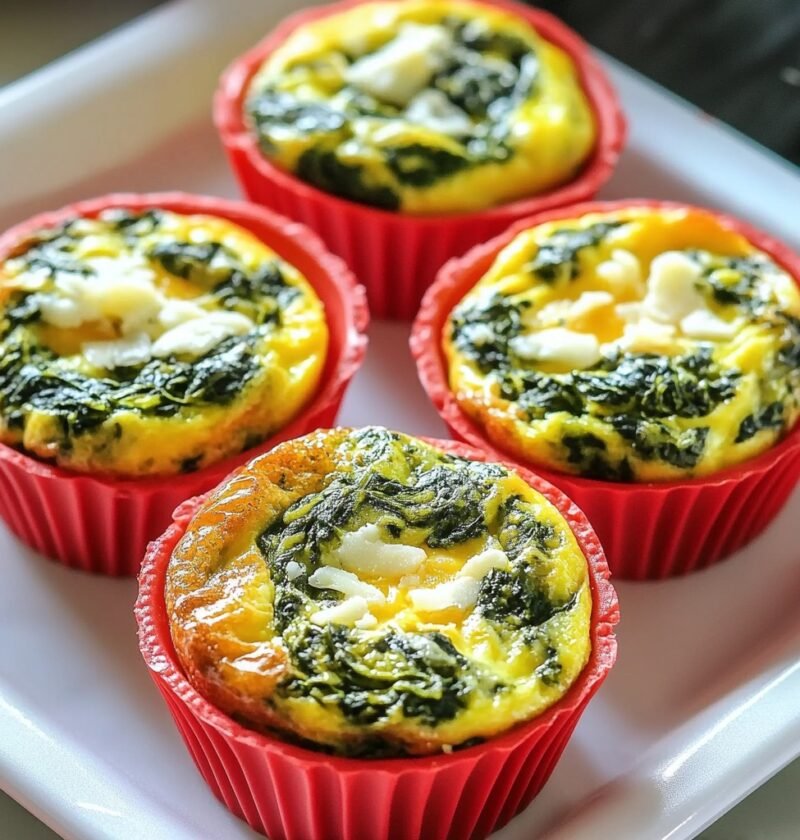
Baked Egg Cups (Brunch) have soared in popularity over recent years and for good reason. This delightful, protein-rich breakfast is both versatile and simple, making it a favorite among busy families, meal preppers, and brunch enthusiasts alike.
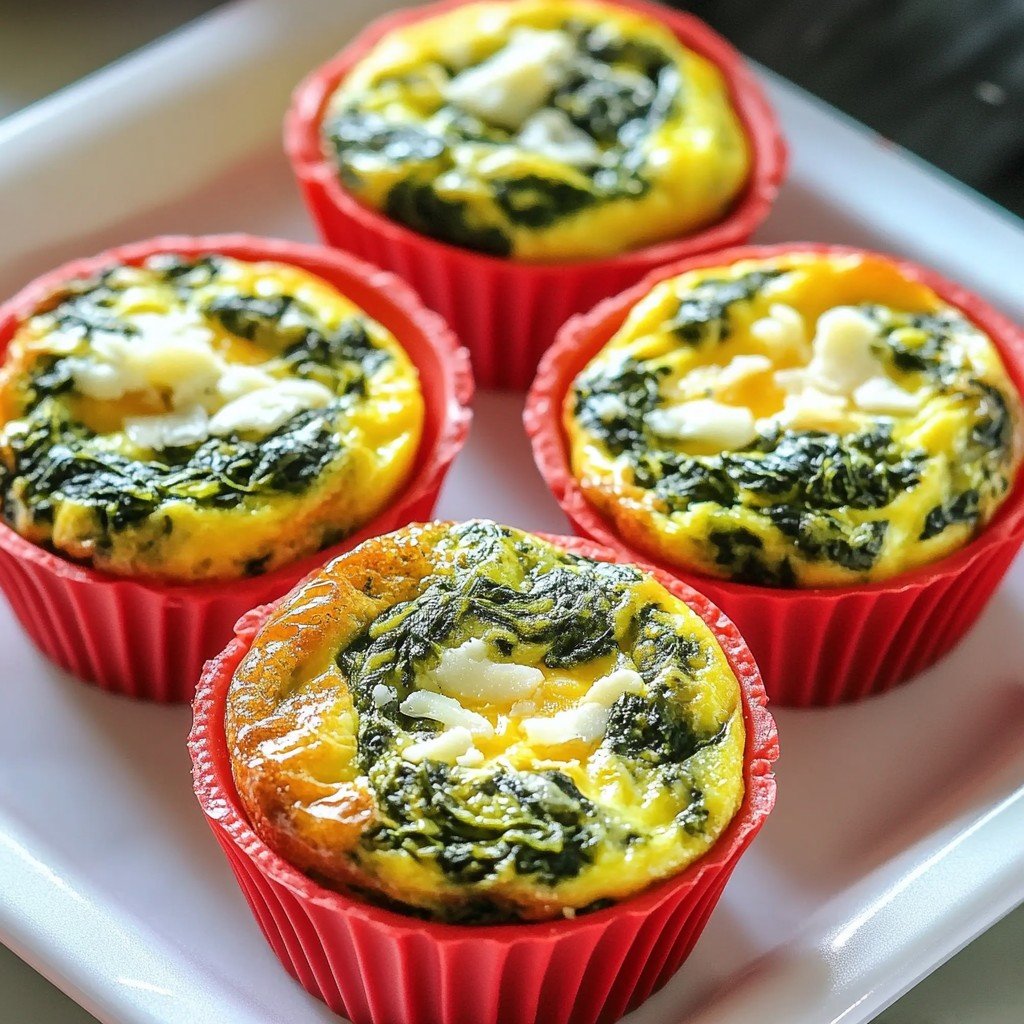
The beauty of Baked Egg Cups (Brunch) lies in their customizable nature; you can adapt the recipe to fit nearly any taste preference or dietary need.
Whether you favor classic ham and cheese, a vegetarian medley of sautéed vegetables, or a spicy southwest twist, there’s a baked egg cup variation for you. Historically, individual egg bakes trace their roots to early European cuisine, where eggs have long served as a central ingredient in quick, nourishing meals.
Over time, the concept of baking eggs in muffin tins developed as a practical approach to preparing multiple portions at once, perfect for family breakfasts, potlucks, or hosting brunch gatherings.
In recent years, Baked Egg Cups (Brunch) have gained traction as a make-ahead, healthy alternative to traditional scrambled eggs or omelets. They are tidy, portable, and can be enjoyed both warm and cold, fitting seamlessly into busy modern lifestyles.
Packed with essential nutrients, these egg cups also offer a protein boost to start your day right. Their appeal lies not just in their simplicity and nutritional value, but in their ability to bring people together—whether enjoyed around the breakfast table with family or shared at festive brunch occasions.
Discover how to master this beloved recipe and treat yourself to a delicious, home-cooked brunch staple.
Ingredients
- 6 large eggs
- 1/2 cup milk (dairy or plant-based)
- 1/2 cup shredded cheese (cheddar, mozzarella, or your choice)
- 1/2 cup diced ham or cooked bacon (optional)
- 1/2 red bell pepper, diced
- 1/4 cup spinach, chopped
- 2 green onions, sliced
- Salt and pepper, to taste
- 1/4 teaspoon garlic powder (optional)
- Non-stick cooking spray or oil for greasing muffin tin
Instructions
- Preheat your oven to 375°F (190°C) and lightly grease a 6-cup muffin tin with non-stick spray or oil.
- Crack the eggs into a medium-sized mixing bowl. Add the milk, salt, pepper, and garlic powder if using, then whisk until well combined.
- Distribute the diced bell pepper, ham or bacon, spinach, and green onions evenly among the muffin cups.
- Pour the egg mixture evenly over the fillings in each muffin cup, filling each about 3/4 full.
- Sprinkle shredded cheese evenly over each cup.
- Bake in the preheated oven for 18-22 minutes, or until the centers are set and the tops are lightly golden.
- Remove from the oven and allow the egg cups to cool for 2-3 minutes before running a spatula or knife around the edges to release them.
- Serve warm, or allow them to cool completely before storing in an airtight container for meal prep.
Nutritional Information
Baked Egg Cups (Brunch) offer an excellent balance of protein, healthy fats, and a modest dose of carbohydrates, making them a highly nutritious start to your day.
One serving (one egg cup, assuming the recipe yields six) typically contains about 120-140 calories, with approximately 9-10 grams of protein, 8 grams of fat (mainly from the eggs and cheese), and around 2 grams of carbohydrates. This balance helps keep you feeling fuller for longer, reducing mid-morning snacking.
The eggs provide a significant amount of vitamin B12, choline, and selenium, supporting nerve and brain health. Adding spinach or bell pepper increases the vitamin C, vitamin A, and fiber content, further enhancing the health profile of these brunch cups. Cheese contributes added calcium, crucial for strong bones and teeth.
The recipe can also be easily modified to be lower in fat or dairy-free by using a lighter cheese or omitting it altogether. Those following low-carb or ketogenic diets will find Baked Egg Cups (Brunch) to be an ideal meal.
Their portion-controlled nature also makes it easier to keep track of caloric intake. Savor both the nutritional benefits and the convenience of these delicious baked egg cups, knowing that each bite supports your overall well-being.
Wine and Beverage Pairings
The versatile flavors of Baked Egg Cups (Brunch) pair wonderfully with a wide array of beverages. For a classic brunch, enjoy your egg cups with a glass of freshly squeezed orange juice or a robust cup of coffee.
If you’re hosting a special occasion brunch, a light sparkling wine such as Prosecco or Champagne complements the savory flavors beautifully, adding an elegant touch to your meal.
For a non-alcoholic option, try a vegetable juice blend or an herbal tea like chamomile or mint, which offers a refreshing contrast to the protein-rich baked egg cups. Those who prefer bold flavors might enjoy a lightly spiced Bloody Mary, which matches well with the savoriness of eggs and cheese.
For kids or those seeking a nutritious start, pair with a fruit smoothie made from banana and berries, providing natural sweetness and additional vitamins.
When choosing your beverage, consider the style and mix-ins of your egg cups—for example, serve with tomato juice for Italian-style cups filled with basil and sun-dried tomatoes, or opt for a mimosa if your recipe includes smoked salmon or chives.
Cooking Tips and Variations
To ensure your Baked Egg Cups (Brunch) are consistently moist and flavorful, evenly distribute your mix-ins among the muffin tins before adding the egg mixture; this ensures each cup is loaded with delicious bites in every forkful.
If you prefer a lighter, fluffier texture, opt for whisking your eggs and milk until slightly frothy before pouring them into the tins. For those who want to save time on busy mornings, the egg cups can be prepared in advance and reheated in the microwave or oven.
Try different variations such as using cooked sausage, sun-dried tomatoes, or even a touch of pesto for extra flavor. Swap the cheese for your favorite type, or use dairy-free cheese if you’re sensitive to lactose.
For added spice, sprinkle in some crushed red pepper flakes or a dash of hot sauce. If sticking to a vegetarian meal, leave out the meat and add more vegetables, such as mushrooms, zucchini, or kale.
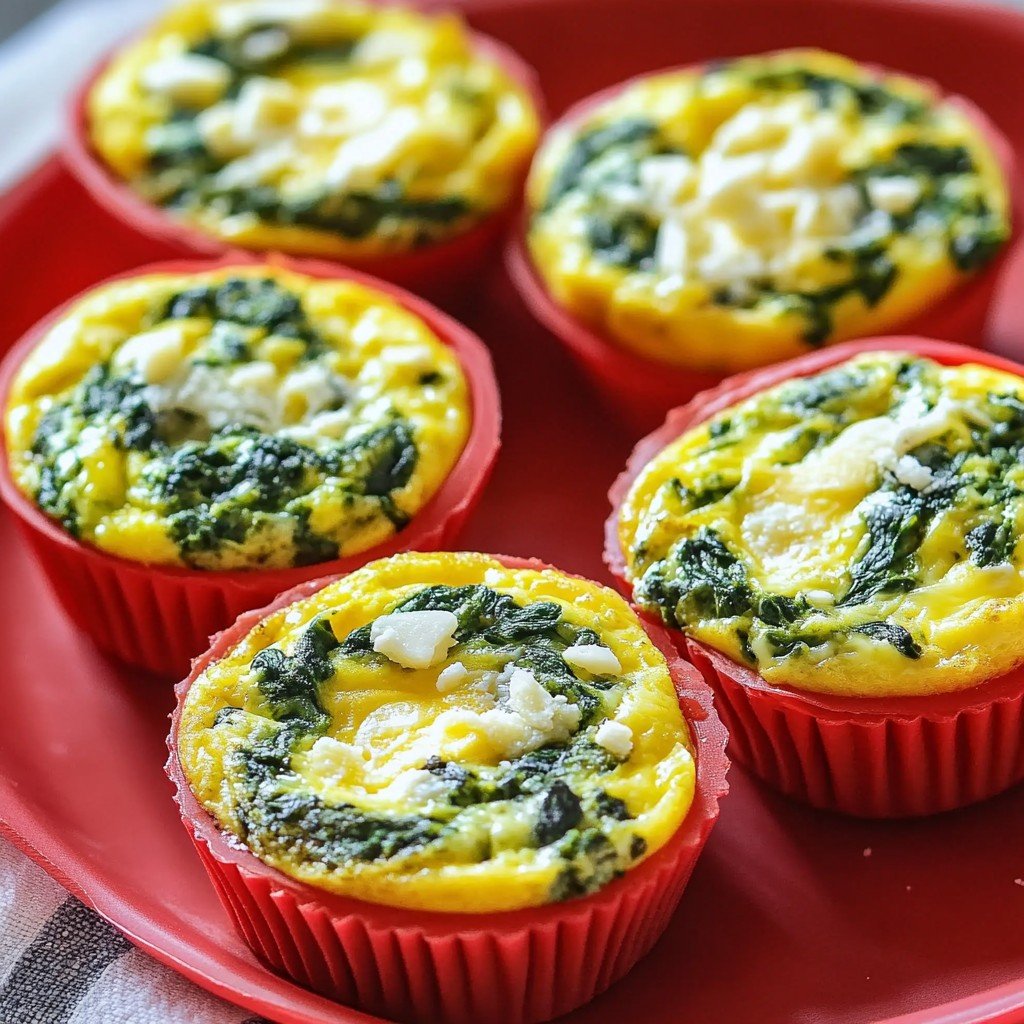
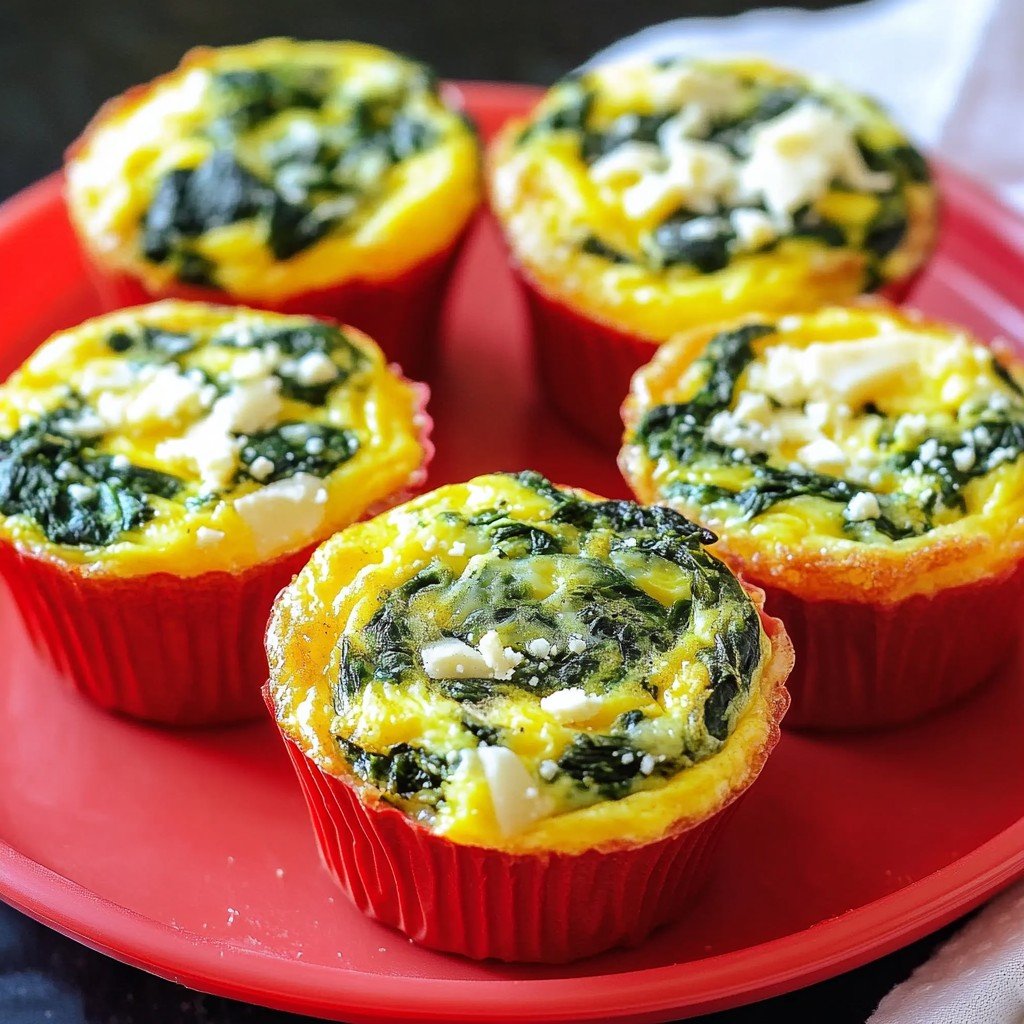
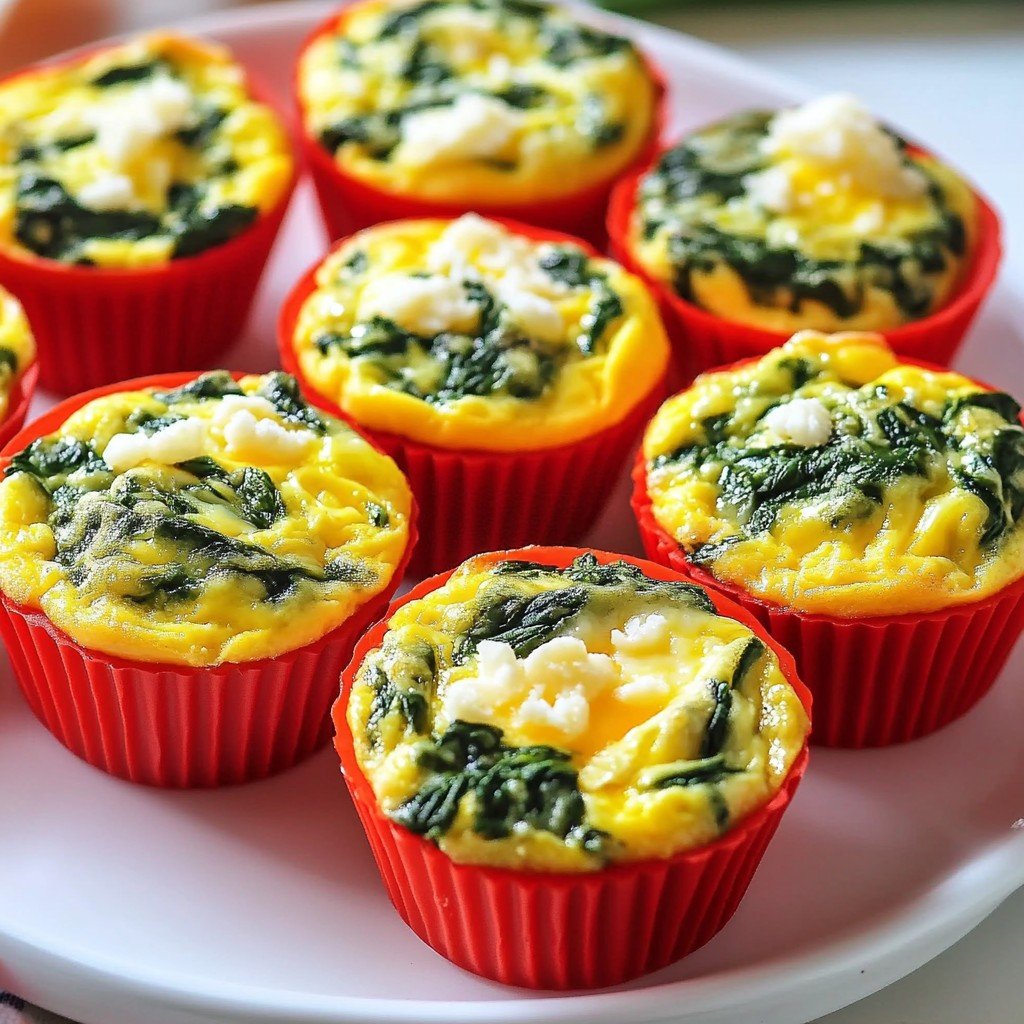
If your egg cups often stick to the pan, silicone muffin trays are a life-saver and make removal easy. Always allow the egg cups to cool slightly before taking them out of the tin to help them firm up and hold their shape.
Freeze batches for up to two months; just thaw in the refrigerator overnight and reheat as needed for an easy grab-and-go breakfast or brunch.
Serving Suggestions
Baked Egg Cups (Brunch) are versatile and can be served in countless ways to suit any occasion, making them a great centerpiece for your morning meal. For a casual breakfast at home, serve the egg cups fresh from the oven alongside crisp toast, sliced avocado, and a colorful fruit salad.
If you’re prepping for a brunch gathering with friends or family, present them on a platter lined with leafy greens and fresh herbs to enhance their visual appeal. They work particularly well as part of a brunch buffet, where guests can help themselves to different flavors and combinations.
For a heartier plate, arrange them with roasted breakfast potatoes, grilled asparagus, or sautéed mushrooms on the side. If packing egg cups to-go, tuck them into a bento box with baby carrots, cherry tomatoes, and apple slices for a balanced meal.
They are also a wonderful addition to picnic baskets or potlucks due to their portability. To elevate your presentation, top each egg cup with a dollop of Greek yogurt or a sprinkle of fresh chives just before serving.
If you enjoy international flavors, serve with salsa, hummus, or a tapenade as a dipping option. Whether enjoyed hot or at room temperature, these egg cups remain delicious long after baking, making them perfect for make-ahead meal prep or leisurely weekend breakfasts.
Health Benefits
Baked Egg Cups (Brunch) not only satisfy your taste buds but also offer notable health benefits that make them a smart choice for breakfast or brunch. Eggs are an excellent source of lean protein, which helps support muscle maintenance and satiety.
They are rich in important micronutrients such as choline, which is vital for brain and liver health, and vitamin D, crucial for calcium absorption and immune function.
When mixed with vegetables like spinach, peppers, or onions, the recipe adds a bonus of vitamins A and C, iron, antioxidants, and dietary fiber, supporting eye health and digestion.
The portion-controlled nature of Baked Egg Cups (Brunch) makes it easier to stick to balanced eating habits, especially for those aiming for weight loss or blood sugar control.
Choosing low-fat or reduced-sodium cheese, using lean protein sources, and increasing the vegetable content are easy ways to adapt the recipe to dietary needs. Additionally, they can easily be made gluten-free and vegetarian, making them inclusive for a wide variety of diets.
The absence of refined grains and added sugars gives Baked Egg Cups (Brunch) an advantage over more traditional pastry-based breakfast options, making them a wholesome choice to help power your day.
Frequently Asked Questions
Yes, Baked Egg Cups (Brunch) are excellent for meal prep. Store them in an airtight container in the refrigerator for up to 4 days, or freeze for up to 2 months. Reheat in the microwave or oven before serving.
Absolutely! Substitute six whole eggs with 1 1/2 cups of liquid egg whites to reduce cholesterol or calories. The cups will still bake up nicely and remain rich in protein.
Egg cups can stick if the tin isn’t greased well. Use a generous amount of non-stick spray, oil, or opt for a silicone muffin tray, which makes removal much easier.
Try vegetables such as mushrooms, zucchini, cherry tomatoes, roasted red peppers, broccoli, or artichoke hearts. Fresh herbs like parsley, basil, or dill also add wonderful flavor.
Yes, simply multiply all ingredients by two or three to make as many Baked Egg Cups (Brunch) as needed, adjusting baking time slightly if filling the oven with multiple trays.
Baked Egg Cups (Brunch) bring together ease, nutrition, and flavor in a convenient package—making them a staple for breakfasts and brunches everywhere. Whether you are feeding a crowd, prepping meals for the week, or treating yourself to a weekend delight, these egg cups shine with their customizable appeal and make healthy eating both simple and delicious. Try out new ingredient combinations, serve them in creative ways, and enjoy the numerous health benefits packed into every golden bite. Make Baked Egg Cups (Brunch) your go-to dish for mornings that deserve a little something special.
Ingredients
- 6 large eggs
- 1/2 cup milk (dairy or plant-based)
- 1/2 cup shredded cheese (cheddar, mozzarella, or your choice)
- 1/2 cup diced ham or cooked bacon (optional)
- 1/2 red bell pepper, diced
- 1/4 cup spinach, chopped
- 2 green onions, sliced
- Salt and pepper, to taste
- 1/4 teaspoon garlic powder (optional)
- Non-stick cooking spray or oil for greasing muffin tin
Instructions
-
1Preheat your oven to 375°F (190°C) and lightly grease a 6-cup muffin tin with non-stick spray or oil.
-
2Crack the eggs into a medium-sized mixing bowl. Add the milk, salt, pepper, and garlic powder if using, then whisk until well combined.
-
3Distribute the diced bell pepper, ham or bacon, spinach, and green onions evenly among the muffin cups.
-
4Pour the egg mixture evenly over the fillings in each muffin cup, filling each about 3/4 full.
-
5Sprinkle shredded cheese evenly over each cup.
-
6Bake in the preheated oven for 18-22 minutes, or until the centers are set and the tops are lightly golden.
-
7Remove from the oven and allow the egg cups to cool for 2-3 minutes before running a spatula or knife around the edges to release them.
-
8Serve warm, or allow them to cool completely before storing in an airtight container for meal prep.
Approximate Information for One Serving
Nutrition Disclaimers
Number of total servings shown is approximate. Actual number of servings will depend on your preferred portion sizes.
Nutritional values shown are general guidelines and reflect information for 1 serving using the ingredients listed, not including any optional ingredients. Actual macros may vary slightly depending on specific brands and types of ingredients used.
To determine the weight of one serving, prepare the recipe as instructed. Weigh the finished recipe, then divide the weight of the finished recipe (not including the weight of the container the food is in) by the desired number of servings. Result will be the weight of one serving.
Did you make this recipe?
Please consider Pinning it!