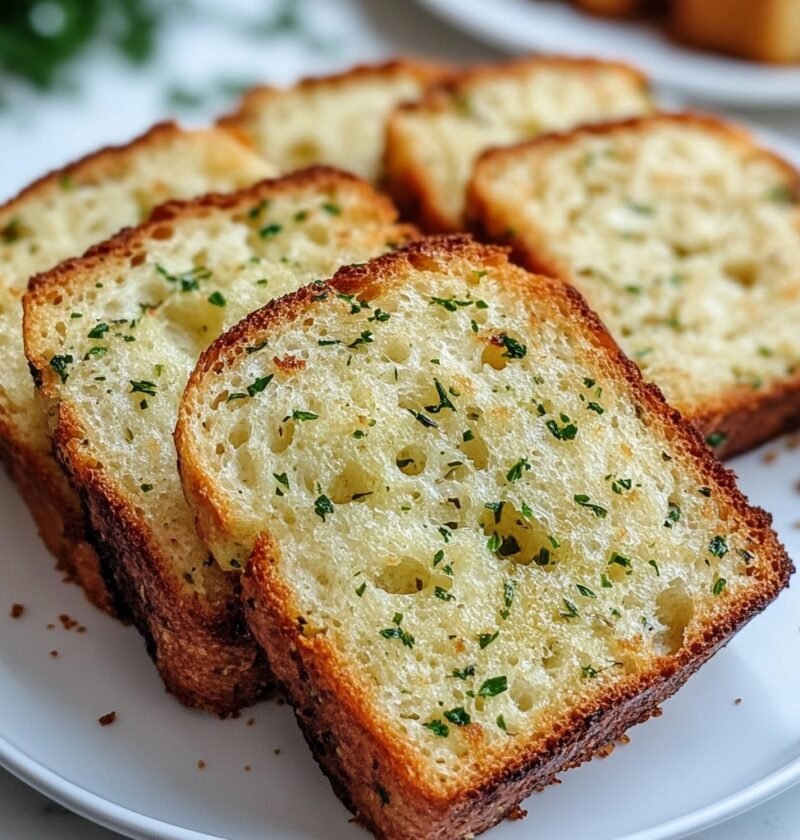
The Best Parmesan Herb Keto Bread is your perfect kitchen companion for a low-carb lifestyle without sacrificing flavor or texture. This savory, cheese-infused bread is ideal for anyone on a ketogenic or low-carb diet, offering a delicious alternative to traditional wheat-based breads.
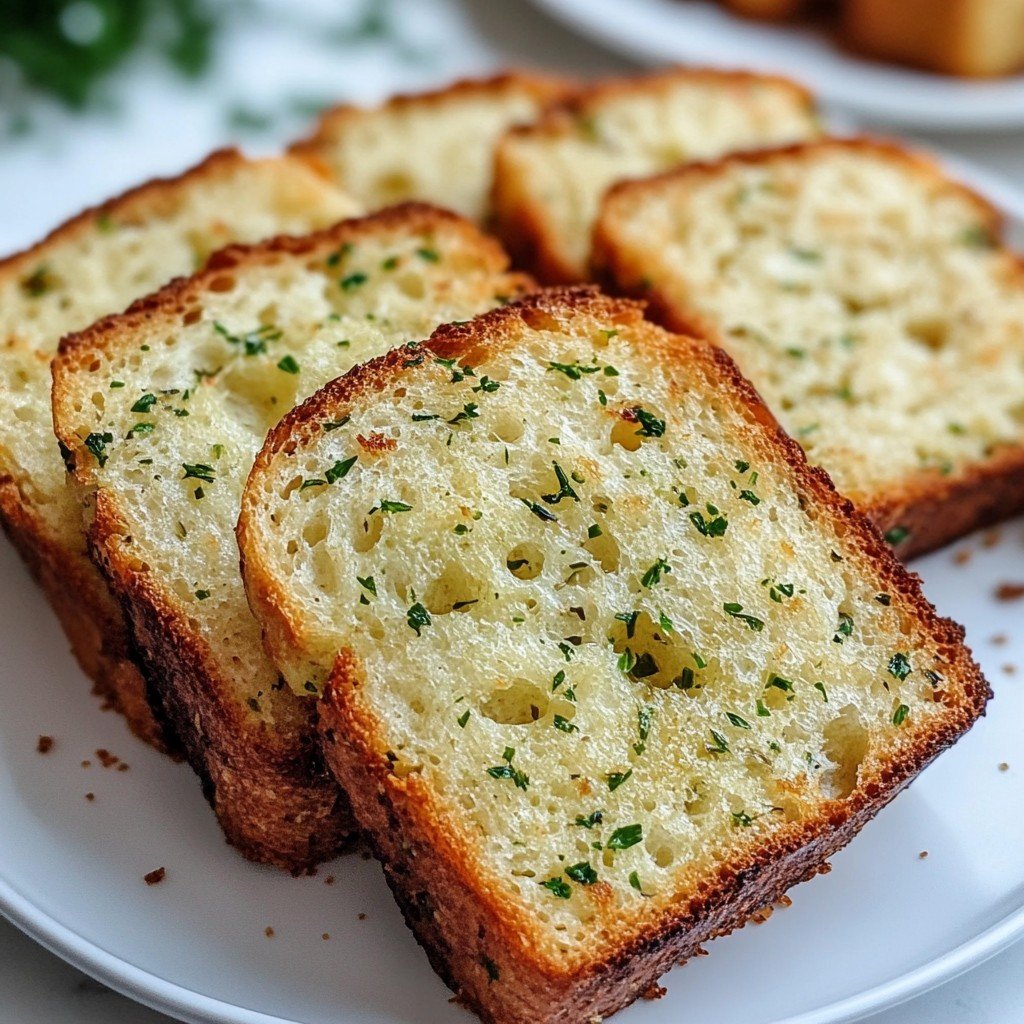
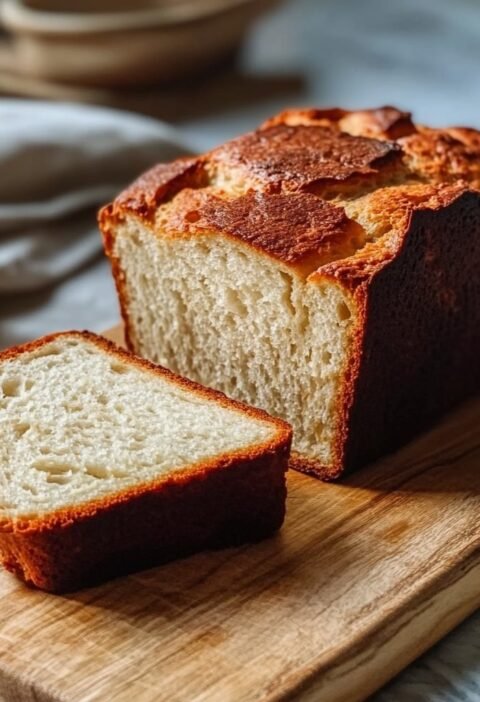
Rooted in the evolution of low-carb baking, this recipe combines a delightfully golden crust with a fluffy, moist interior—and thanks to the blend of parmesan cheese and fragrant herbs, each slice bursts with flavor.
The rise in keto and gluten-free diets has inspired many chefs and home bakers to experiment with innovative, healthy alternatives to conventional bread. Almond flour and coconut flour feature prominently in keto bread recipes due to their naturally lower carb counts and higher fiber content.
It is this careful mix—infused with Italian-inspired herbs like rosemary, oregano, and basil, and complemented by the sharp, nutty notes of Parmesan—that distinguishes the Best Parmesan Herb Keto Bread from the rest.
Whether you’re meal prepping for the week, aiming to control your carb intake, need a gluten-free substitute, or simply crave a flavorful homemade loaf, this recipe is tailored to suit various dietary needs.
The Best Parmesan Herb Keto Bread can be served as part of breakfast, topped with creamy avocado, enjoyed alongside hearty soups, or as a standalone snack. It’s a testament to how thoughtful ingredient choices can transform daily staples into mouthwatering, guilt-free pleasures.
Let’s dive into making the Best Parmesan Herb Keto Bread that is wholesome, satisfying, and sure to become a repeat in your recipe rotation.
Ingredients
- 1 1/2 cups almond flour
- 1/4 cup coconut flour
- 1/2 cup freshly grated Parmesan cheese
- 1 tablespoon baking powder
- 1 teaspoon garlic powder
- 1/2 teaspoon dried basil
- 1/2 teaspoon dried oregano
- 1/2 teaspoon dried rosemary
- 1/2 teaspoon salt
- 1/4 teaspoon black pepper
- 5 large eggs
- 1/4 cup unsalted butter, melted (or coconut oil for dairy-free)
- 1/4 cup unsweetened almond milk
- 1 tablespoon apple cider vinegar
- Optional: 2 tablespoons chopped fresh parsley or chives
Instructions
- Preheat your oven to 350°F (175°C). Line a 9×5-inch loaf pan with parchment paper or grease thoroughly.
- In a large mixing bowl, combine the almond flour, coconut flour, grated Parmesan, baking powder, garlic powder, dried basil, oregano, rosemary, salt, and black pepper. Stir until evenly mixed.
- In a separate bowl, whisk together the eggs, melted unsalted butter (or coconut oil), unsweetened almond milk, and apple cider vinegar until fully combined.
- Pour the wet ingredients into the bowl with the dry ingredients. Stir with a spatula or wooden spoon until a thick batter forms. If using fresh herbs, gently fold them in at this stage.
- Transfer the batter to the prepared loaf pan. Smooth the top using the back of a spoon or spatula.
- Bake in the preheated oven for 35 to 40 minutes, or until the bread is golden brown and a toothpick inserted into the center emerges clean.
- Allow the bread to cool in the pan for about 10 minutes. Then, carefully lift it out using the parchment paper or turn it onto a wire rack to cool completely.
- Slice and serve fresh, or store in an airtight container in the refrigerator for up to one week.
Nutritional Information
The Best Parmesan Herb Keto Bread is not just flavorful; it’s also carefully crafted to support nutritional goals, especially for those pursuing low-carb, ketogenic, or gluten-free diets.
On average, a single slice (based on 12 slices per loaf) provides about 160 calories, 5 grams of protein, 13 grams of healthy fats, and only 2 grams of net carbohydrates.
This impressive macronutrient profile comes primarily from the almond and coconut flours, which supply satiating healthy fats and fiber, keeping net carbs at a minimum. The Parmesan cheese contributes both savory flavor and an extra protein boost.
While this bread is free from any refined flour and added sugars, it also delivers essential micronutrients such as vitamin E, magnesium, and calcium from the almond flour and cheese.
The high fiber content aids in digestion and helps maintain stable blood sugar levels, making it an excellent option for those watching their glycermic intake. Additionally, using fresh herbs enhances both the antioxidant content and the overall health benefits of each slice.
Ultimately, each bite of this bread is both satisfying and nutritionally smart, ensuring you remain on track with your dietary goals.
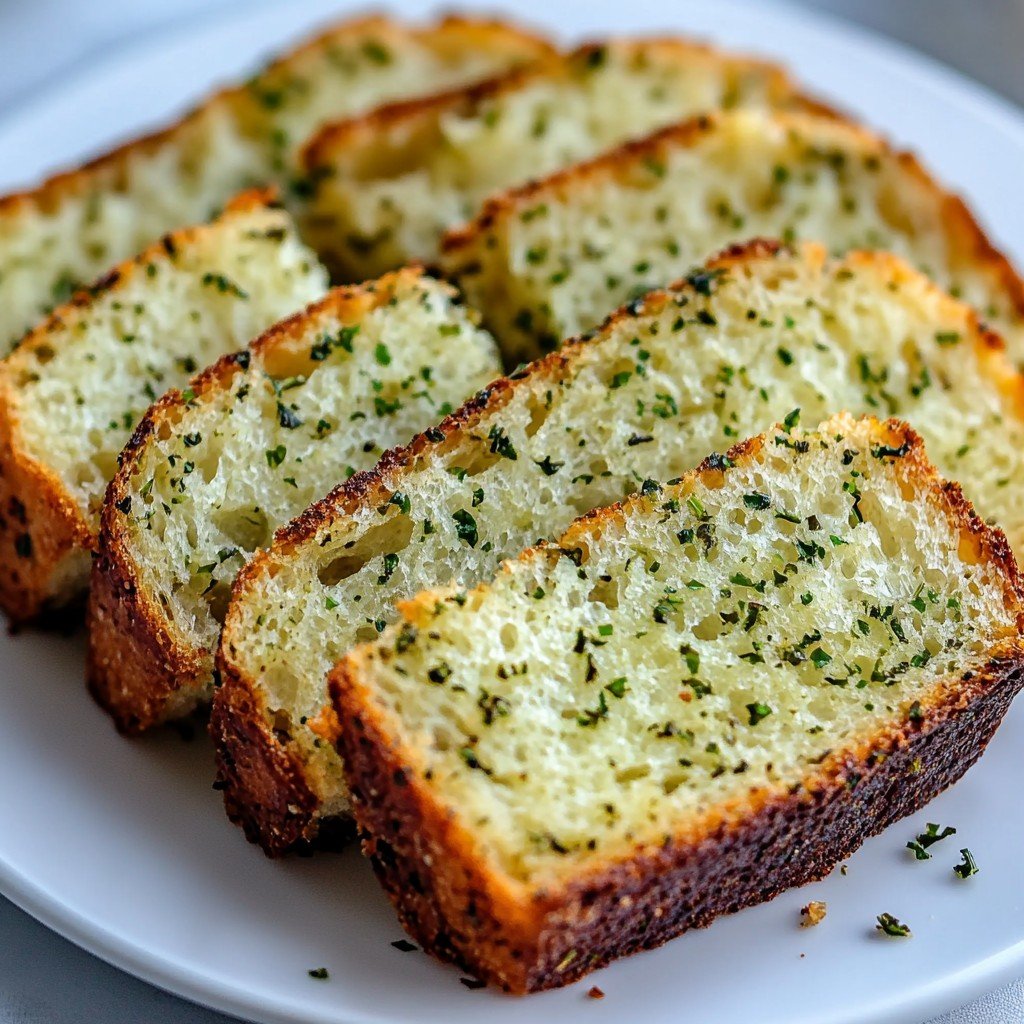
Wine and Beverage Pairings
When serving the Best Parmesan Herb Keto Bread, pairing it with the right beverage can amplify its savory flavors.
For a classic complement, consider a crisp, dry white wine such as Sauvignon Blanc or Pinot Grigio—the acidity and subtle fruit notes will balance the sharpness of Parmesan and the aromatic herbs.
If you prefer a non-alcoholic option, herbal teas like rosemary mint or unsweetened iced green tea can match the bread’s earthy notes. For a morning meal, freshly brewed black coffee or a latte with almond milk creates a cozy, satisfying pairing.
When the bread is served alongside soups or salads, light sparkling waters with a twist of lemon or cucumber will refresh the palate and enhance your dining experience.
Cooking Tips and Variations
To ensure the best results when making the Best Parmesan Herb Keto Bread, pay close attention to ingredient quality and technique. Always use freshly grated Parmesan for the most robust flavor and proper melting texture—pre-shredded cheeses often contain anti-caking agents that can affect the loaf's moisture.
If you're new to keto baking, weigh your dry ingredients for accuracy, as almond and coconut flours can pack down differently in measuring cups. For extra fluffiness, allow your eggs and almond milk to reach room temperature before mixing.
Feel free to experiment with different herbs to suit your tastes; thyme, sage, or dill are all excellent additions, depending on your preferences or what you have on hand.
If dairy is a concern, substitute coconut oil for butter and nutritional yeast for Parmesan to maintain the savory, cheesy flavor while keeping it dairy-free.
Add-ins like sautéed onions or sun-dried tomatoes can introduce new flavor dimensions while still fitting into a keto diet, just ensure any additional ingredients are low-carb. To create a more rustic appearance, sprinkle extra herbs and a light dusting of Parmesan over the top of the loaf before baking.
Always let the bread cool completely before slicing to prevent crumbling—patience ensures perfect, clean slices. For meal prep, you can bake and slice the bread in advance, freezing individual slices for quick defrosting and toasting as needed. These thoughtful variations keep the recipe fresh and adaptable for any home kitchen.
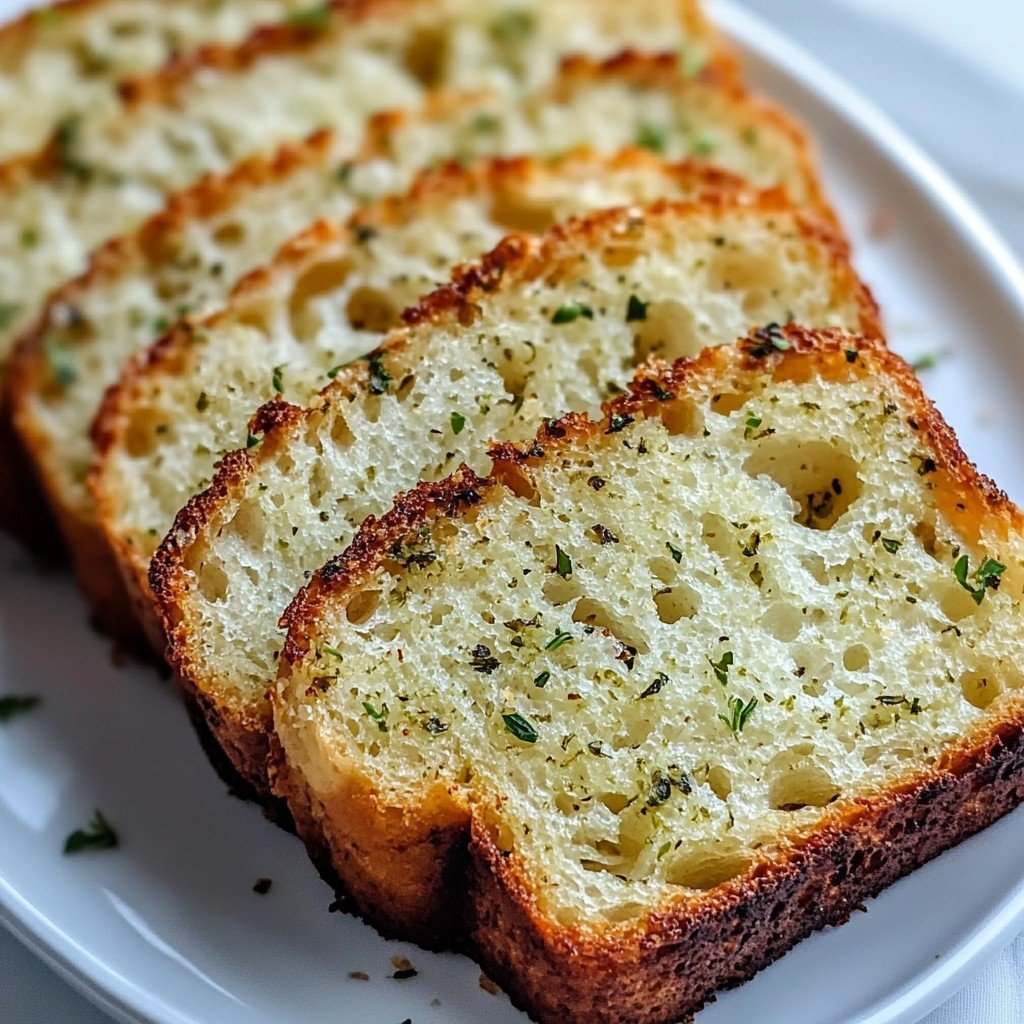
Serving Suggestions
The Best Parmesan Herb Keto Bread is extremely versatile in its serving options, making it a winning choice for any meal. At breakfast, top a warm slice with mashed avocado, a poached egg, or even smoked salmon for a satisfying, low-carb start to your day.
For a quick lunch or snack, slice and toast the bread, then add a smear of cream cheese, herbed butter, or keto-friendly spreads like sugar-free pesto.
This bread also serves as an excellent accompaniment to salads, soups, or charcuterie boards, providing a hearty, flavorful bite that won’t overpower your main dishes.
For dinner, use it as a base for open-faced sandwiches, bruschetta with cherry tomatoes and fresh basil, or low-carb garlic toast (simply brush with olive oil, a pinch of extra herbs, and toast under the broiler). Hosting a get-together?
Cut the bread into cubes for a keto-friendly appetizer, paired with dips like olive tapenade or whipped feta. The bread’s moist crumb ensures it holds up well to both soft and spreadable toppings, so you can get creative with presentation.
Finally, if you have leftovers, this bread makes an outstanding base for keto croutons: cube, toss with a drizzle of olive oil and extra herbs, and bake until crisp for a fantastic salad or soup topping.
Health Benefits
The Best Parmesan Herb Keto Bread is packed with health benefits that make it more than just a delicious treat.
The almond and coconut flours provide not only a grain-free base, but they’re also rich in heart-healthy monounsaturated fats and dietary fiber, which help support healthy cholesterol levels, promote satiety, and regulate digestion.
Parmesan cheese, though indulgent in taste, contributes additional protein and calcium, which are essential for maintaining muscle and bone health. The inclusion of pasture-raised eggs ensures a source of high-quality protein and vital nutrients like choline, necessary for optimal brain function.
Beyond the core ingredients, the blend of herbs such as rosemary, oregano, and basil delivers potent antioxidants with anti-inflammatory properties, which have been linked to improved immune response and reduced risk of chronic diseases.
Keeping the focus on all-natural, unprocessed ingredients means this bread contains no artificial additives or preservatives, making it a wholesome addition to any clean-eating regimen. Its low-carb nature helps maintain stable blood sugar, making it especially suitable for those managing diabetes or following a ketogenic lifestyle.
Each component of this bread is carefully selected to provide both nourishment and pleasure in every slice.
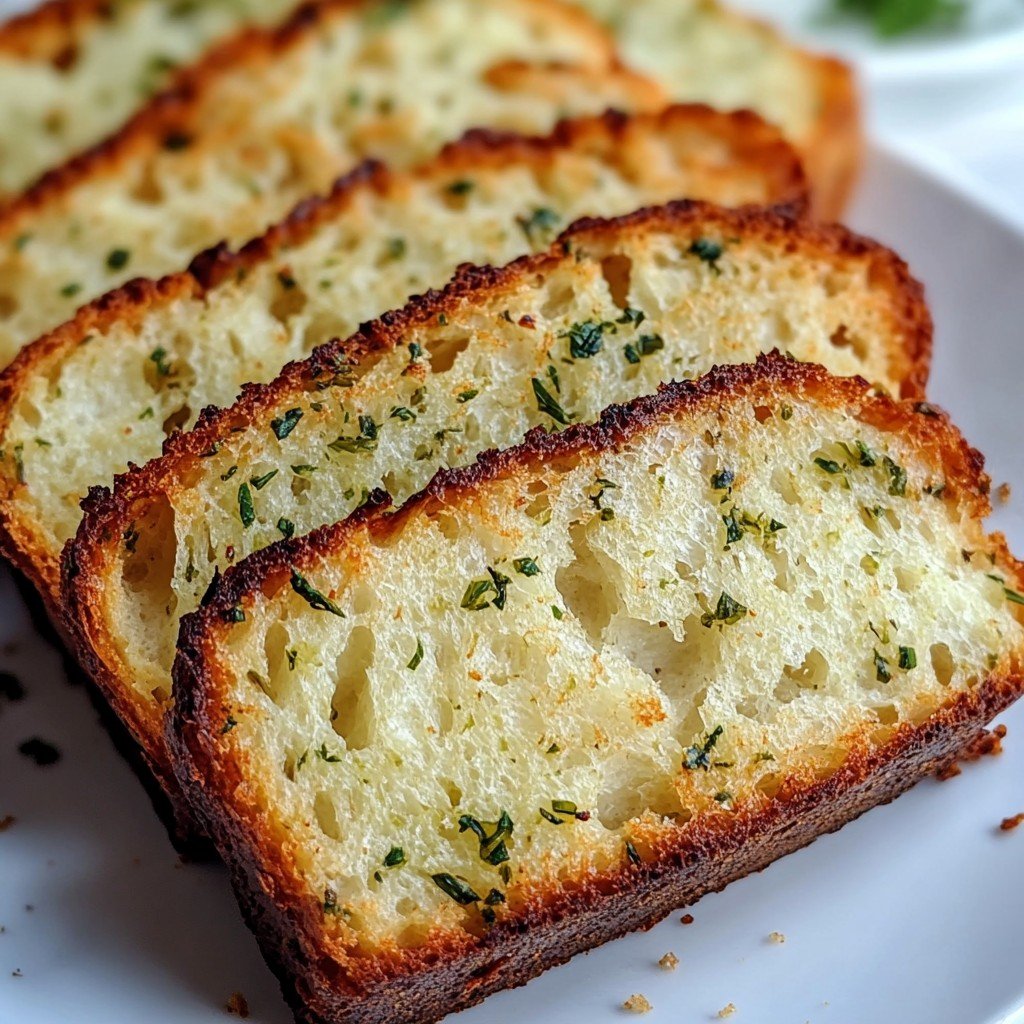
Frequently Asked Questions
Yes, you can substitute the butter with coconut oil and swap Parmesan cheese for nutritional yeast to create a savory, dairy-free version of the Best Parmesan Herb Keto Bread.
Store the bread in an airtight container in the refrigerator for up to one week. For longer storage, slice and freeze the bread, then toast individual slices as needed.
Keto bread can become dense if the ingredients are cold, or if the batter is overmixed. Use room-temperature ingredients and mix only until combined. Also, make sure your baking powder is fresh.
Yes, hard cheeses like Asiago or Pecorino Romano make excellent substitutes for Parmesan. Softer cheeses are not recommended as they may affect the bread's texture.
Absolutely! This bread uses almond and coconut flours instead of wheat flour, making it naturally gluten-free and suitable for those with gluten sensitivities or celiac disease.
The Best Parmesan Herb Keto Bread captures the essence of low-carb baking: delicious, easy to make, and deeply satisfying. Whether you are following a ketogenic diet, avoiding gluten, or simply seeking a more nutritious bread alternative, this loaf delivers on all fronts. The combination of nutty Parmesan, fragrant herbs, and healthy flours ensures that every bite is both healthy and memorable. With flexible serving options, easy ingredient swaps, and impressive nutritional benefits, this recipe is destined to become a staple in your kitchen. Try it today, and experience how the Best Parmesan Herb Keto Bread can elevate any meal without compromising taste or health.
Ingredients
- 1 1/2 cups almond flour
- 1/4 cup coconut flour
- 1/2 cup freshly grated Parmesan cheese
- 1 tablespoon baking powder
- 1 teaspoon garlic powder
- 1/2 teaspoon dried basil
- 1/2 teaspoon dried oregano
- 1/2 teaspoon dried rosemary
- 1/2 teaspoon salt
- 1/4 teaspoon black pepper
- 5 large eggs
- 1/4 cup unsalted butter, melted (or coconut oil for dairy-free)
- 1/4 cup unsweetened almond milk
- 1 tablespoon apple cider vinegar
- Optional: 2 tablespoons chopped fresh parsley or chives
Instructions
-
1Preheat your oven to 350°F (175°C). Line a 9×5-inch loaf pan with parchment paper or grease thoroughly.
-
2In a large mixing bowl, combine the almond flour, coconut flour, grated Parmesan, baking powder, garlic powder, dried basil, oregano, rosemary, salt, and black pepper. Stir until evenly mixed.
-
3In a separate bowl, whisk together the eggs, melted unsalted butter (or coconut oil), unsweetened almond milk, and apple cider vinegar until fully combined.
-
4Pour the wet ingredients into the bowl with the dry ingredients. Stir with a spatula or wooden spoon until a thick batter forms. If using fresh herbs, gently fold them in at this stage.
-
5Transfer the batter to the prepared loaf pan. Smooth the top using the back of a spoon or spatula.
-
6Bake in the preheated oven for 35 to 40 minutes, or until the bread is golden brown and a toothpick inserted into the center emerges clean.
-
7Allow the bread to cool in the pan for about 10 minutes. Then, carefully lift it out using the parchment paper or turn it onto a wire rack to cool completely.
-
8Slice and serve fresh, or store in an airtight container in the refrigerator for up to one week.
Approximate Information for One Serving
Nutrition Disclaimers
Number of total servings shown is approximate. Actual number of servings will depend on your preferred portion sizes.
Nutritional values shown are general guidelines and reflect information for 1 serving using the ingredients listed, not including any optional ingredients. Actual macros may vary slightly depending on specific brands and types of ingredients used.
To determine the weight of one serving, prepare the recipe as instructed. Weigh the finished recipe, then divide the weight of the finished recipe (not including the weight of the container the food is in) by the desired number of servings. Result will be the weight of one serving.
Did you make this recipe?
Please consider Pinning it!