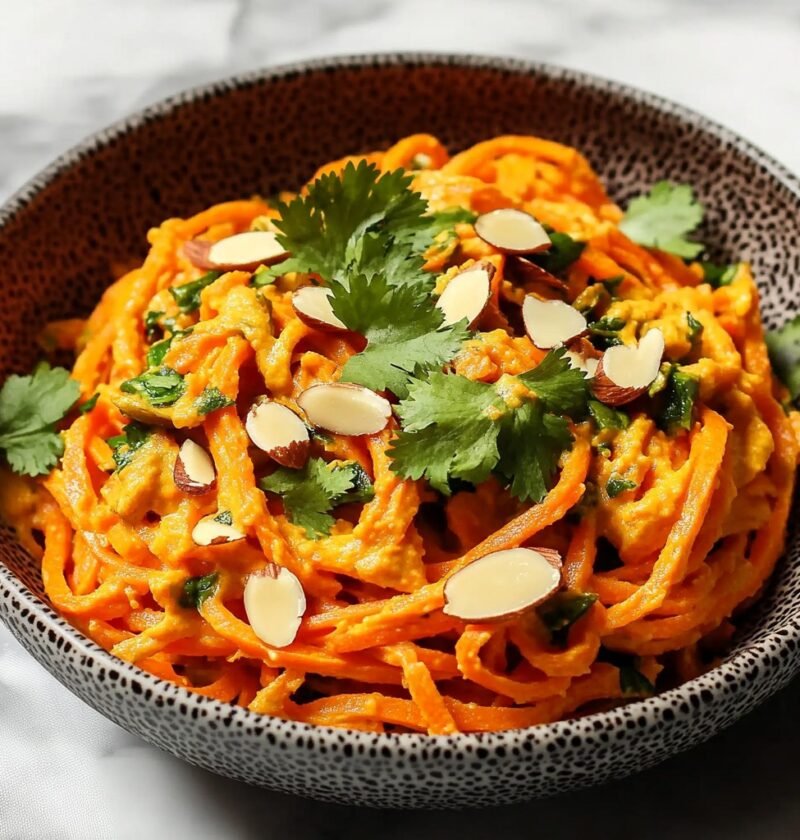
Carrot noodles have become an increasingly popular dish in kitchens worldwide, especially among those seeking healthier alternatives to traditional pasta. Vibrant in color, naturally sweet, and packed with nutrients, carrot noodles offer a gluten-free, low-carb option that appeals to a wide array of palates.
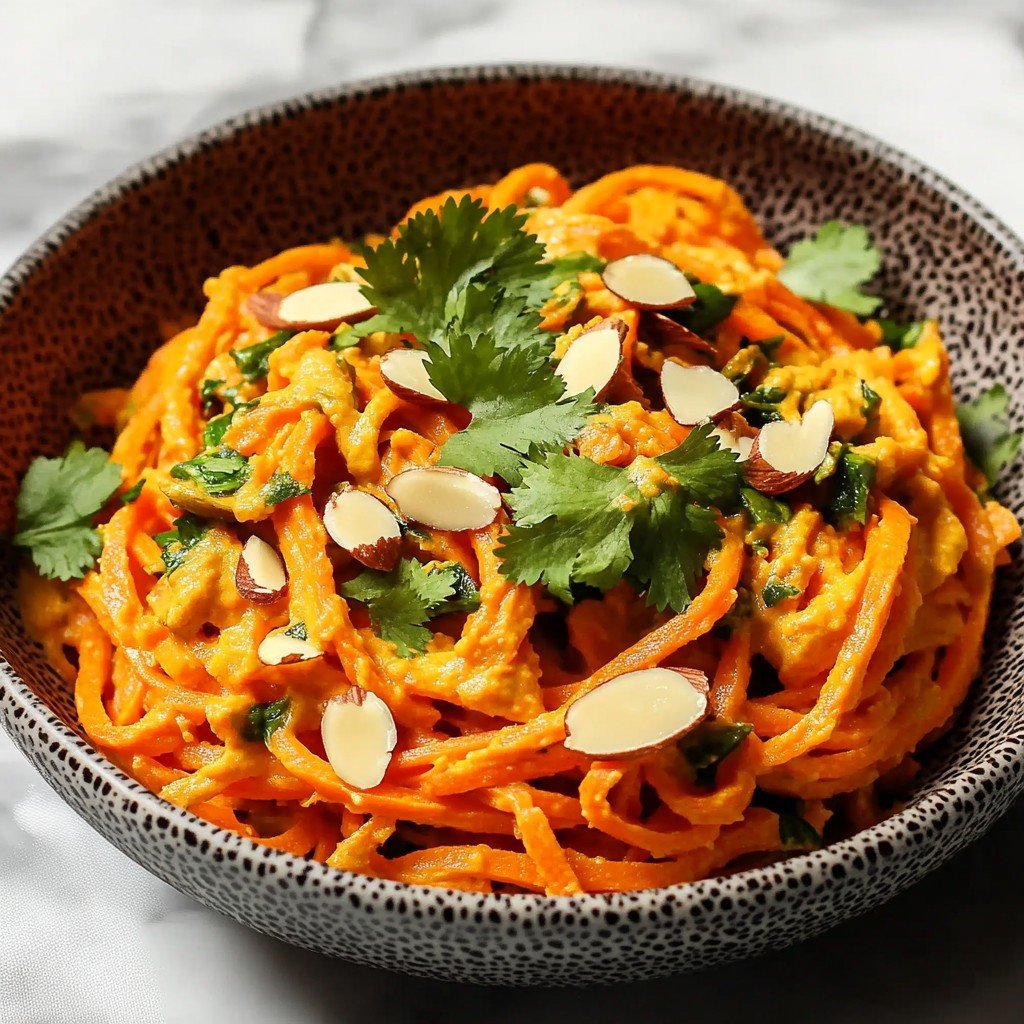
By transforming carrots into noodle-like strands, you create a canvas for robust sauces and creative toppings while keeping meals light and nutritious. Rooted in the trend of spiralized vegetables, carrot noodles are easy to prepare using a spiralizer, julienne peeler, or even a sharp knife.
This innovation was inspired by the growing demand for plant-based diets and the desire to find new ways to increase vegetable intake. Besides their nutritional value, carrot noodles bring a unique texture to the table that pairs well with Asian stir-fries, Italian-inspired sauces, or simple sautéed preparations.
With origins dating back to Asian cuisine where vegetables were often cut into thin strips for noodles, carrot noodles have now taken center stage in Western health food trends. They are perfect for vegans, vegetarians, those on gluten-free diets, or anyone wishing to include more vegetables in their daily meals.
Whether enjoyed as a main course or a vibrant side, carrot noodles offer endless possibilities, making them a staple for modern, health-conscious cooks.
Ingredients
- 4 large carrots, peeled and trimmed
- 2 tablespoons olive oil
- 1 clove garlic, finely minced
- 1 teaspoon fresh ginger, grated
- 1 tablespoon soy sauce or tamari
- 1/2 teaspoon sea salt, to taste
- 1/4 teaspoon freshly ground black pepper
- 1 tablespoon sesame seeds (optional)
- 2 green onions, finely chopped
- 1 teaspoon toasted sesame oil (optional)
- Fresh lemon juice, to finish (optional)
Instructions
- Wash, peel, and trim the carrots. Using a spiralizer, julienne peeler, or sharp knife, cut the carrots into thin noodle-like strands.
- Place the carrot noodles in a large bowl and set aside.
- Heat olive oil in a large skillet or wok over medium heat.
- Add the minced garlic and grated ginger to the pan and sauté for about 30 seconds until aromatic.
- Add the carrot noodles to the skillet, tossing gently to coat them with the garlic and ginger-infused oil.
- Stir in the soy sauce or tamari, sea salt, and freshly ground black pepper.
- Cook the carrot noodles, stirring occasionally, for 3-5 minutes, or until they are just tender but still retain a slight crunch. Avoid overcooking.
- Remove the pan from heat. Drizzle with toasted sesame oil, if using, and toss to combine.
- Garnish with sesame seeds and green onions. Squeeze fresh lemon juice on top, if desired, to brighten the flavors.
- Serve the carrot noodles immediately as a main dish or side, and enjoy.
Nutritional Information
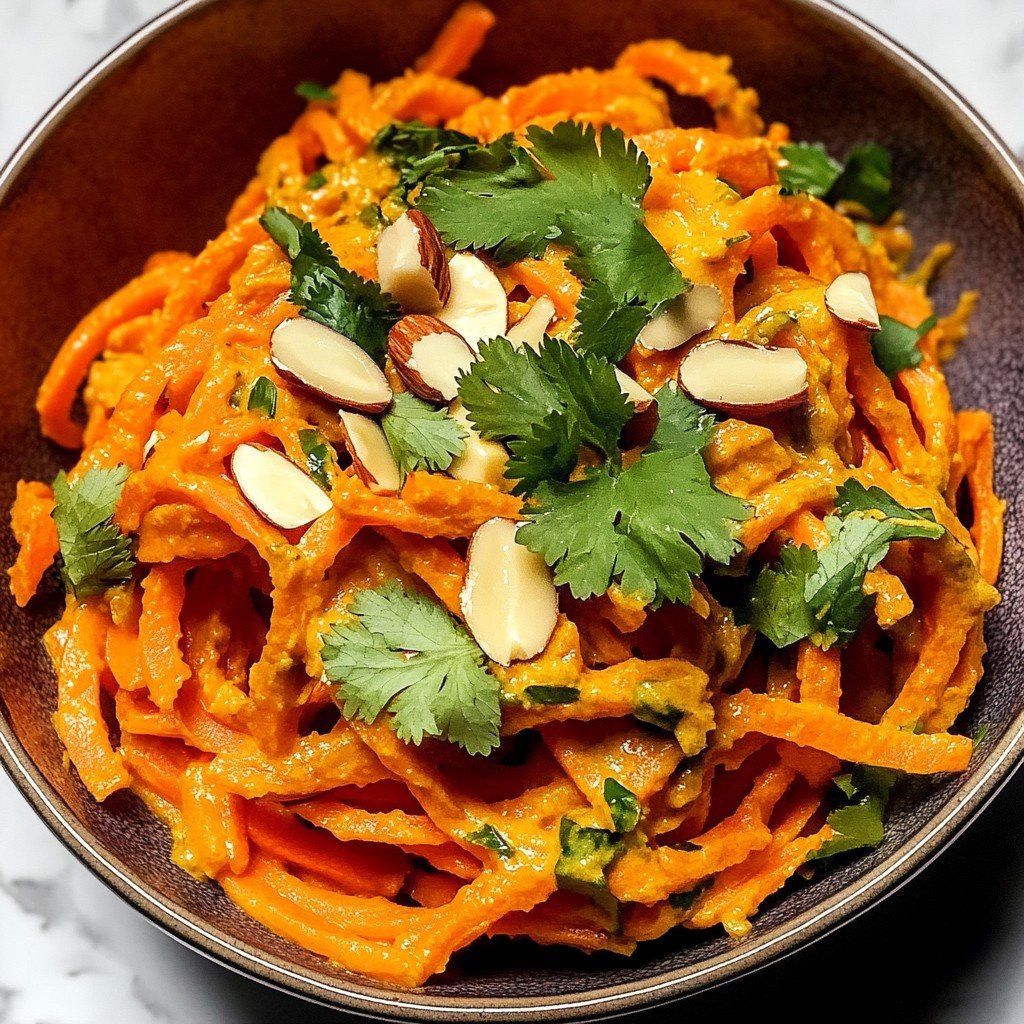
Carrot noodles are a nutritional powerhouse, offering a variety of essential vitamins and minerals while being low in calories and carbohydrates. A single serving of carrot noodles, prepared as described, typically contains around 60-80 calories, depending on the amount of oil and any optional garnishes used.
Carrots are rich in beta-carotene, a precursor to vitamin A, which supports good vision, healthy skin, and immune function. They are also an excellent source of dietary fiber, which promotes digestive health and helps you feel full and satisfied.
The olive oil adds heart-healthy monounsaturated fats, while garlic and ginger provide anti-inflammatory benefits and immune-boosting properties. Soy sauce or tamari contributes to the dish’s umami flavor, along with trace minerals like magnesium and potassium.
The addition of sesame seeds boosts the protein content slightly and supplies healthy fats, while green onions add vitamin C and antioxidants. Overall, carrot noodles are cholesterol-free, low in saturated fat, and fit well into plant-based, gluten-free, and weight management diets.
If you are watching your sodium intake, choose a low-sodium soy sauce and adjust seasonings to your preference. The nutritional profile can be further enhanced by adding a variety of fresh vegetables or a lean protein, making carrot noodles a wholesome and adaptable option for nearly any meal plan.
Wine and Beverage Pairings
Carrot noodles pair wonderfully with a crisp white wine, such as a Sauvignon Blanc or Pinot Grigio, which enhances the dish’s natural sweetness and balances the tang of ginger and garlic.
For non-alcoholic options, a lightly sparkling ginger-infused lemonade or an iced green tea with a hint of lemon provides a refreshing contrast. If you are leaning into Asian flavors, try a light and chilled sake or jasmine tea to complement the dish without overpowering the delicate carrot taste.
Cooking Tips and Variations
Making the perfect carrot noodles starts with selecting fresh, firm carrots to ensure your noodles hold their shape and deliver an appealing crunch. Carrots with a larger diameter spiralize more easily and create sturdier noodles.
If you do not own a spiralizer, a julienne peeler works just as well, though it may take a little more effort. To prevent sogginess, avoid overcooking the noodles; they should be heated just until tender for the best texture.
For added flavor, infuse the oil with garlic, ginger, or onions before adding the noodles. Adjust seasoning to suit your taste, and experiment with different sauces such as Thai peanut sauce, Italian marinara, or a spicy Szechuan blend.
To introduce more protein, top with tofu, shrimp, grilled chicken, or a sprinkle of roasted chickpeas. For vibrant color and extra nutrition, mix in other spiralized vegetables such as zucchini, beetroot, or sweet potatoes.
Toasted nuts or seeds (like almonds or sunflower seeds) and fresh herbs (such as cilantro, basil, or parsley) add a burst of flavor and pleasing texture.
If preparing ahead, spiralize the carrots and store them in the refrigerator, wrapped in a damp paper towel inside an airtight container, for up to three days. Dress or cook them just before serving to maintain their freshness and crunch.
Whether served hot or cold, carrot noodles adapt beautifully to a wide range of culinary styles and provide endless room for creativity in the kitchen.
Serving Suggestions
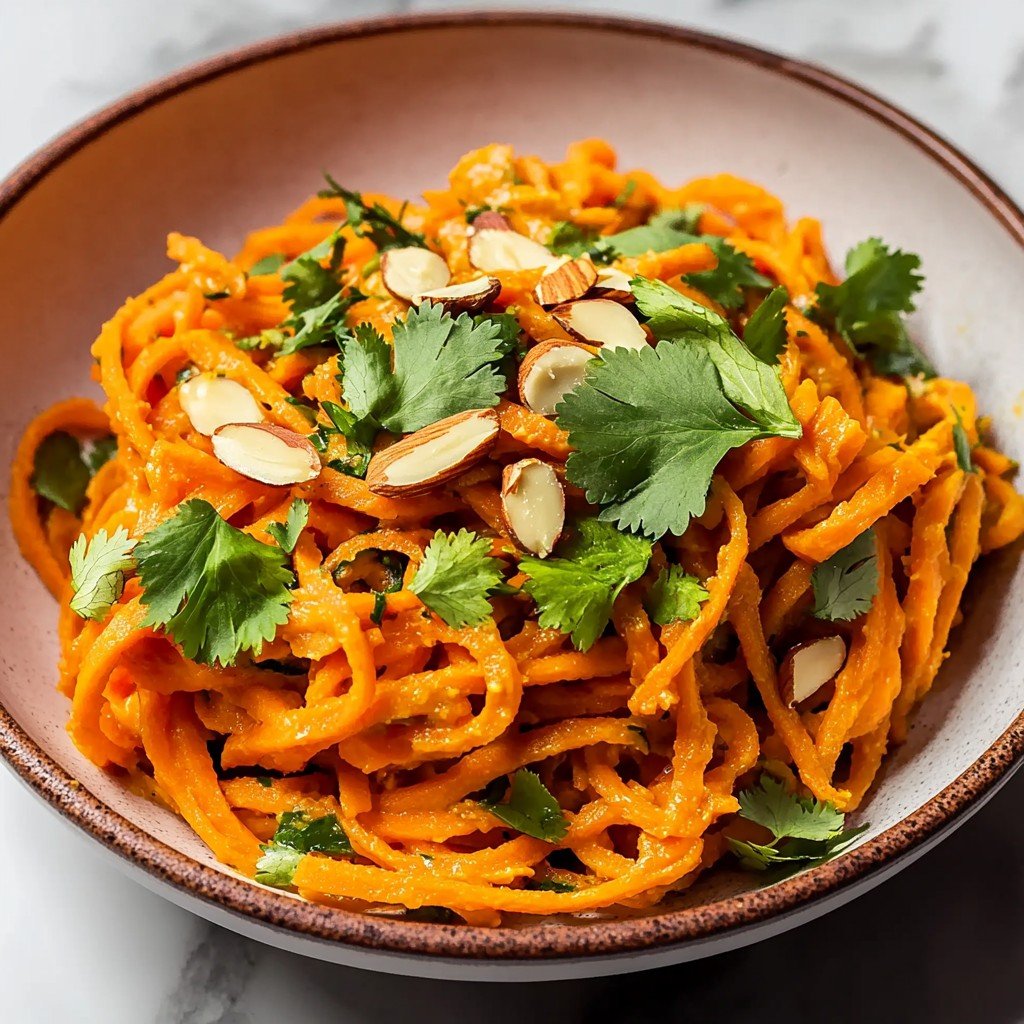
Carrot noodles can be enjoyed in a variety of ways, making them a flexible addition to any meal plan. Serve them as a light and vibrant standalone main course, especially when tossed with additional vegetables, tofu, or grilled protein.
For a satisfying lunch, top carrot noodles with falafel or roasted chickpeas and a dollop of Greek yogurt or tahini sauce. At dinner, use them as a healthy and colorful base for stir-fries, curries, or Mediterranean-inspired salads.
They shine as a side dish alongside baked salmon, grilled chicken, or seared tofu, adding color and nutrition to your plate. For a playful twist on traditional pasta night, substitute carrot noodles for spaghetti and serve with tomato-based sauces, pesto, or creamy avocado blends.
Try chilling the noodles for a cold noodle salad and mix with vinaigrette, fresh herbs, and crunchy seeds for a refreshing summer meal. When entertaining, carrot noodles make for an eye-catching starter or a nutritious buffet option.
They accommodate a wide range of dietary needs, so feel free to tailor the toppings and seasonings to suit your guests. For children, carrot noodles present a fun way to incorporate more vegetables into meals, especially when paired with their favorite sauces or fun toppings.
Remember to serve immediately after cooking for the best texture, or cool quickly for salads if desired.
Health Benefits
Carrot noodles are a stellar example of how nutritious food can also be delicious and satisfying. Carrots are renowned for their high content of beta-carotene, which the body converts into vitamin A. This nutrient is crucial for maintaining good vision, supporting immune system health, and promoting radiant skin.
Carrots are also a significant source of dietary fiber, aiding in digestion and contributing to feelings of fullness, which can support healthy weight management. The use of olive oil in the preparation provides heart-protective monounsaturated fats, while garlic and ginger introduce powerful antioxidants and natural anti-inflammatories.
Unlike wheat-based noodles, carrot noodles are naturally gluten-free and lower in calories and carbohydrates, making them an excellent choice for those with celiac disease, gluten sensitivity, or anyone looking to reduce refined grains in their diet.
Consuming more vegetables, like those used in carrot noodles, is linked to a reduced risk of chronic diseases such as heart disease and certain cancers. By substituting traditional pasta with carrot noodles, you significantly boost your intake of vitamins, minerals, and phytonutrients without sacrificing taste or texture.
The health benefits extend further when the dish is combined with other nutrient-rich ingredients, such as leafy greens, lean proteins, or omega-3-rich seeds.
Frequently Asked Questions
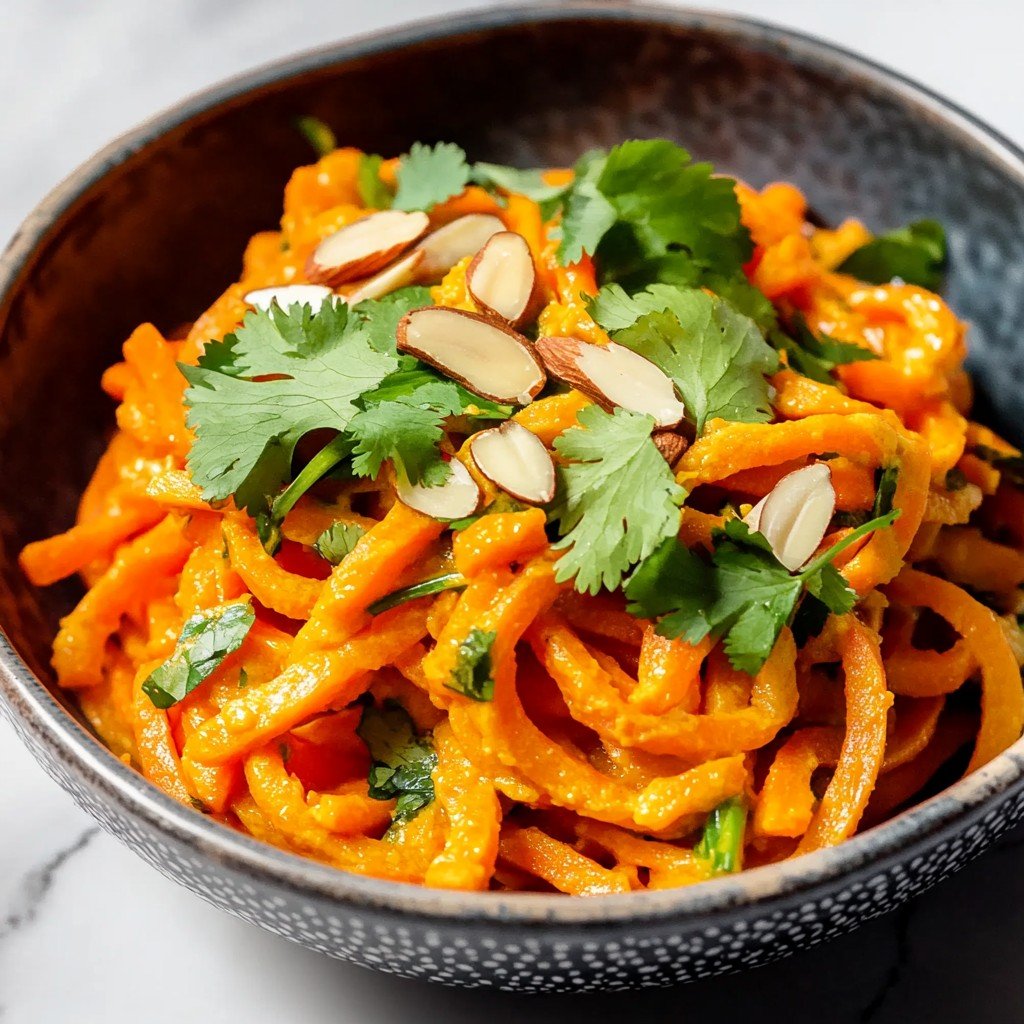
Yes, you can use a julienne peeler or a sharp knife to cut carrots into thin strips resembling noodles. It may require a little more effort, but it works well for homemade carrot noodles.
Store cooked carrot noodles in an airtight container in the refrigerator for up to two days. For best texture, enjoy them fresh, as they may soften upon storing.
Carrot noodles are versatile and pair well with a variety of sauces, including Asian-inspired peanut or soy-based sauces, Italian tomato sauce, pesto, or light vinaigrettes.
Absolutely! Raw carrot noodles make a crunchy and nutritious base for salads and are perfect when tossed with a light dressing and fresh herbs.
Carrot noodles are much lower in carbs compared to regular pasta. While not as low-carb as zucchini noodles, they can fit into many low-carb meal plans in moderation.
Embracing carrot noodles in your culinary repertoire is a delicious way to boost both the flavor and nutrition of your meals. This vibrant and versatile dish takes full advantage of the humble carrot, transforming it into a nourishing and visually stunning alternative to traditional pasta. With simple ingredients and easy preparation, carrot noodles can grace your table as a light main, a colorful side dish, or an innovative salad base. Their adaptability ensures they can be dressed up or down to suit any occasion or dietary preference. Whether you are striving to eat healthier, manage your weight, or simply add more vegetables to your diet, carrot noodles offer a satisfying solution. Explore the endless flavor possibilities, experiment with toppings and seasonings, and discover why carrot noodles have become a favorite in health-conscious kitchens everywhere.
Ingredients
- 4 large carrots, peeled and trimmed
- 2 tablespoons olive oil
- 1 clove garlic, finely minced
- 1 teaspoon fresh ginger, grated
- 1 tablespoon soy sauce or tamari
- 1/2 teaspoon sea salt, to taste
- 1/4 teaspoon freshly ground black pepper
- 1 tablespoon sesame seeds (optional)
- 2 green onions, finely chopped
- 1 teaspoon toasted sesame oil (optional)
- Fresh lemon juice, to finish (optional)
Instructions
-
1Wash, peel, and trim the carrots. Using a spiralizer, julienne peeler, or sharp knife, cut the carrots into thin noodle-like strands.
-
2Place the carrot noodles in a large bowl and set aside.
-
3Heat olive oil in a large skillet or wok over medium heat.
-
4Add the minced garlic and grated ginger to the pan and sauté for about 30 seconds until aromatic.
-
5Add the carrot noodles to the skillet, tossing gently to coat them with the garlic and ginger-infused oil.
-
6Stir in the soy sauce or tamari, sea salt, and freshly ground black pepper.
-
7Cook the carrot noodles, stirring occasionally, for 3-5 minutes, or until they are just tender but still retain a slight crunch. Avoid overcooking.
-
8Remove the pan from heat. Drizzle with toasted sesame oil, if using, and toss to combine.
-
9Garnish with sesame seeds and green onions. Squeeze fresh lemon juice on top, if desired, to brighten the flavors.
-
10Serve the carrot noodles immediately as a main dish or side, and enjoy.
Approximate Information for One Serving
Nutrition Disclaimers
Number of total servings shown is approximate. Actual number of servings will depend on your preferred portion sizes.
Nutritional values shown are general guidelines and reflect information for 1 serving using the ingredients listed, not including any optional ingredients. Actual macros may vary slightly depending on specific brands and types of ingredients used.
To determine the weight of one serving, prepare the recipe as instructed. Weigh the finished recipe, then divide the weight of the finished recipe (not including the weight of the container the food is in) by the desired number of servings. Result will be the weight of one serving.
Did you make this recipe?
Please consider Pinning it!