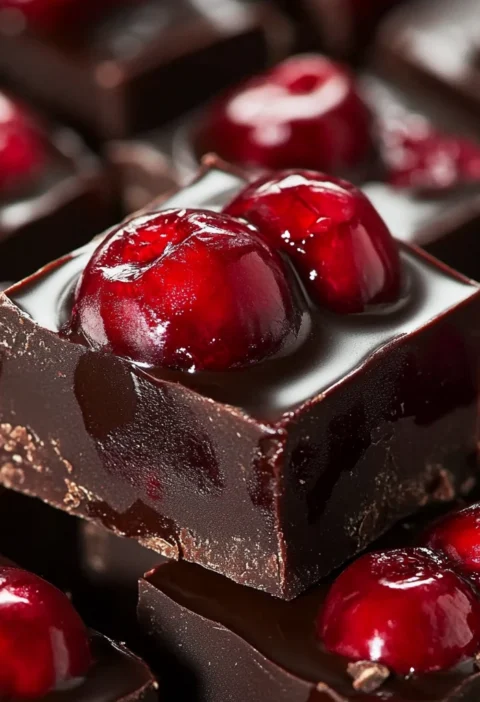
Chocolate covered raspberries are the quintessential combination of sweet, juicy fruit and rich, velvety chocolate. This delightful confection has won the hearts of dessert lovers and home cooks alike and is now a staple at parties, as gifts, and even for healthy snacking.

The popularity of chocolate covered raspberries is no surprise—raspberries, bursting with tartness and natural sweetness, pair beautifully with the smooth, slightly bitter taste of chocolate. Whether you prefer dark chocolate, milk chocolate, or even white chocolate, this recipe brings a comforting sense of indulgence without being heavy or overly sweet.
The tradition of covering fruit in chocolate traces back centuries, with various European chocolatiers experimenting with fruits like cherries and strawberries before the raspberry earned its well-deserved place in the spotlight. Today, chocolate covered raspberries are beloved for their simple preparation, stunning presentation, and irresistible flavor.
Making chocolate covered raspberries at home not only allows you to select the ripest, freshest berries but also enables you to customize the type of chocolate and any additional garnishes to your preference.
Whether you are hosting a romantic dinner, preparing treats for a celebration, or searching for an easy and impressive homemade gift, learning how to make chocolate covered raspberries is both rewarding and versatile.
In this recipe, we'll guide you through each step to create perfect chocolate covered raspberries, provide tips for achieving professional results, and suggest ways to personalize your batch for any occasion. Dive in and discover how this classic treat can become a cherished addition to your recipe collection.
Ingredients
- 1 pint fresh raspberries (about 200 grams)
- 200 grams high-quality chocolate (dark, milk, or white, as desired)
- 1 teaspoon coconut oil or vegetable shortening (optional, for smoother chocolate)
- Sea salt flakes (optional, for sprinkling)
- Chopped nuts, crushed freeze-dried raspberries, or sprinkles (optional, for garnish)
Instructions
- Gently wash the raspberries and pat dry thoroughly with a paper towel. Make sure the raspberries are completely dry, as any moisture will prevent the chocolate from adhering properly.
- Line a baking sheet with parchment paper or a silicone baking mat. This will prevent the chocolate covered raspberries from sticking as they set.
- Break the chocolate into small, even pieces and place them in a heatproof bowl. If using coconut oil or shortening, add it to the bowl to help create a glossy finish.
- Melt the chocolate using a microwave in 20-second bursts, stirring between intervals, until smooth and fully melted. Alternatively, melt the chocolate in a heatproof bowl set over a pan of gently simmering water, stirring frequently.
- Holding each raspberry by its base or using a toothpick, dip the berry into the melted chocolate, swirling to coat about three-quarters of it. Let excess chocolate drip back into the bowl.
- Place the chocolate-covered raspberry onto the prepared baking sheet. Repeat with the remaining raspberries.
- If desired, sprinkle the tops with sea salt flakes, chopped nuts, crushed freeze-dried raspberries, or decorative sprinkles while the chocolate is still wet.
- Transfer the baking sheet to the refrigerator and chill for 20-30 minutes, or until the chocolate is set and firm.
- Once set, gently peel the chocolate covered raspberries from the parchment paper and transfer to a serving plate or airtight container for storage.
- Serve immediately, or store in the refrigerator for up to 2 days for best freshness.
Nutritional Information
Chocolate covered raspberries are a treat that combines the antioxidant-rich benefits of both raspberries and chocolate, making them a relatively healthier dessert option compared to many conventional sweets.
On average, a serving of about eight chocolate covered raspberries contains approximately 120-160 calories, depending on the type and amount of chocolate used. Raspberries themselves are low in calories and high in dietary fiber, vitamin C, and manganese, offering essential nutrients that support immune health and digestion.
The natural fruit sugars in raspberries are balanced by the fiber content, which helps moderate blood sugar spikes. The dark chocolate coating not only provides a luxurious flavor but also supplies flavonoids—plant compounds that have been shown to promote heart health and improve blood circulation.
A typical serving delivers around 2 grams of protein, 8-10 grams of sugars, and 6-8 grams of fat, primarily from the chocolate. If you opt for dark chocolate (at least 70% cocoa solids), you achieve higher levels of antioxidants and less sugar.
The dessert remains gluten-free (assuming gluten-free chocolate is used), and can be easily adapted to suit dairy-free or vegan diets by choosing appropriate chocolate varieties. Remember that additional ingredients such as garnishes or extra chocolate will alter the nutritional profile, so tailor your choices according to your dietary needs.
Enjoy in moderation for a balanced, nutrient-conscious treat that feels indulgent but supports a holistic approach to health and wellness.
Wine and Beverage Pairings
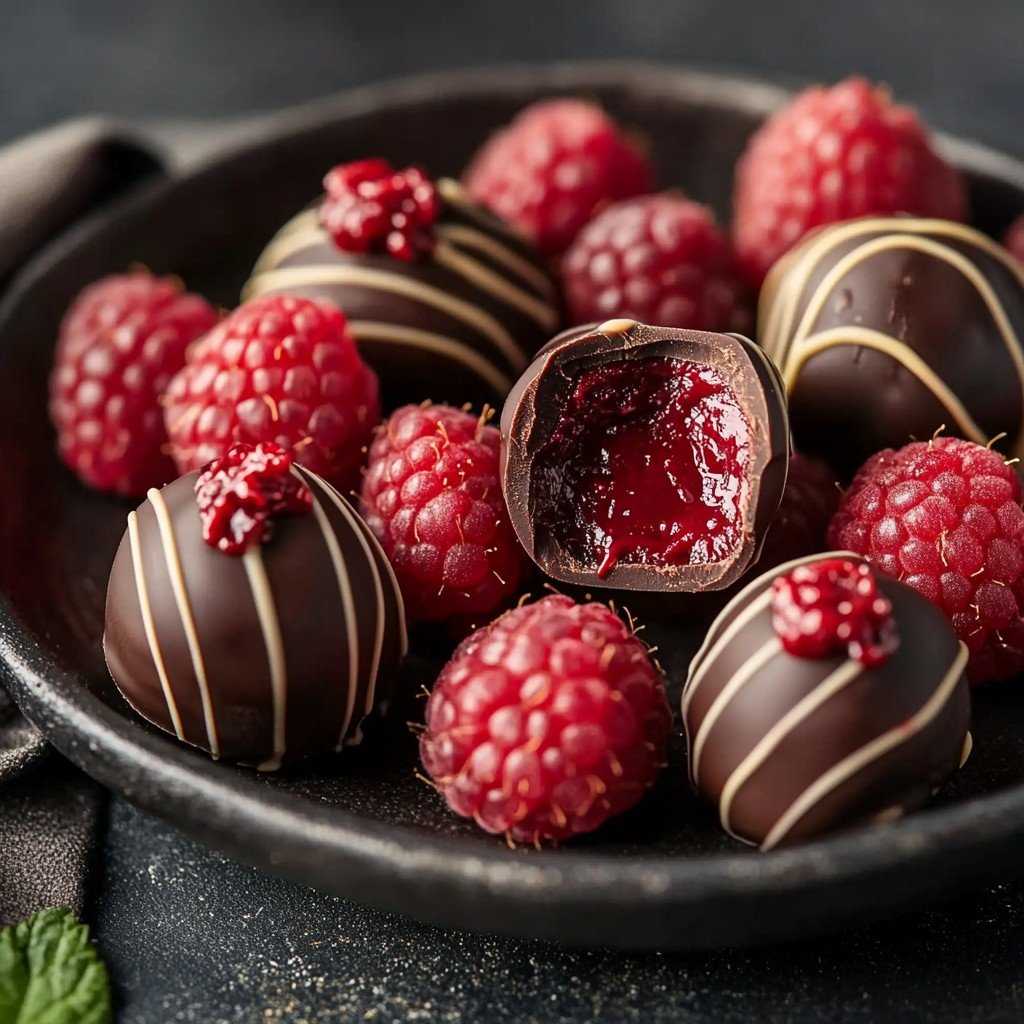
Chocolate covered raspberries pair beautifully with a wide variety of beverages, depending on the occasion and flavor preferences. For a sophisticated touch, serve alongside a glass of sparkling wine or Champagne—the bright acidity and effervescence complement the tart berry and rich chocolate flavors exquisitely.
Dessert wines like a classic ruby port or a sweet, aromatic Moscato d'Asti enhance the luxurious notes of the dish. If you prefer non-alcoholic options, a cup of freshly brewed espresso, rich hot chocolate, or fruity herbal tea (such as hibiscus or raspberry-infused blends) makes a wonderful accompaniment.
For summer gatherings, raspberry lemonade or a sparkling berry mocktail provides a refreshing and flavorful pairing, balancing the decadent richness of the chocolate covered raspberries. Choose your favorite beverage to set the mood and elevate the enjoyment of this exquisite treat.
Cooking Tips and Variations
To ensure crisp and professional chocolate covered raspberries, begin by selecting only the firmest, freshest raspberries. Any soft or overripe berries can become mushy and difficult to work with. Patting your raspberries completely dry after washing is critical—any water can cause the chocolate to seize or slide off.
If you desire a shinier, more stable chocolate shell, adding a small amount of coconut oil or vegetable shortening will smooth out the chocolate and create a glossy finish.
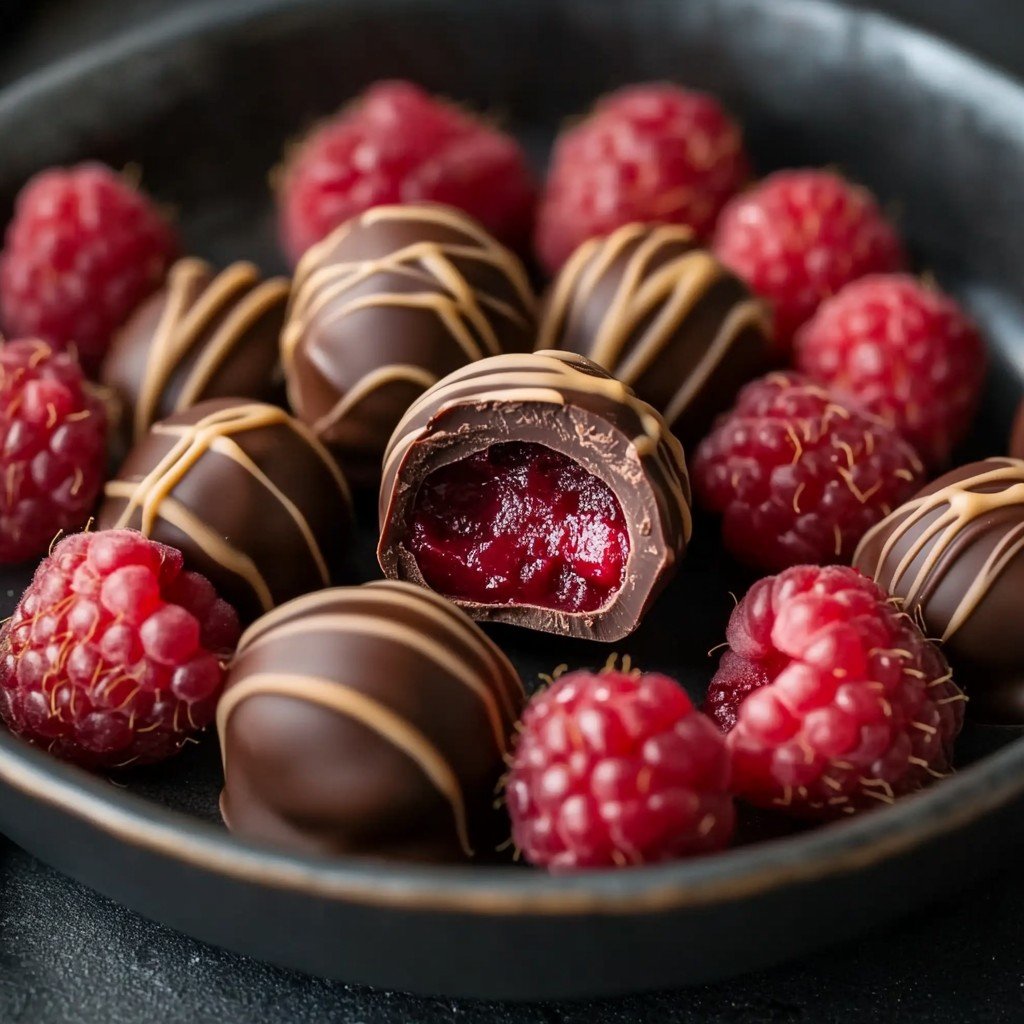
For decorative flair, consider drizzling a contrasting chocolate (such as white over dark or vice versa) once the initial layer has set. You can also finely chop nuts, use edible gold dust, or even sprinkle a dash of chili powder for an unexpected kick.
If you want a thicker chocolate coating, you can double dip the raspberries, allowing the first layer to harden before repeating.
Variations abound: create raspberry clusters by grouping several berries together before coating, or insert a small chocolate chip or almond into the center of each raspberry for a hidden treat. For those watching their sugar intake, choose extra dark chocolate or sugar-free varieties.
If you want a vegan-friendly version, opt for plant-based chocolate chips. Remember to work swiftly, especially in warmer conditions, as the chocolate will set quickly once cooled.
Finally, chocolate covered raspberries are best consumed within 48 hours for peak flavor and texture, but can be frozen in a single layer and enjoyed as a refreshing, cool treat straight from the freezer.

Serving Suggestions
Presentation plays a crucial role in maximizing the appeal of chocolate covered raspberries. Arrange the finished berries on a beautiful platter or tiered dessert stand for an elegant, eye-catching display at dinner parties or afternoon teas.
For more formal occasions, place each chocolate covered raspberry in a small paper or foil candy cup to give a professional, bakery-style finish.
These treats also make wonderful edible gifts—simply package them in a decorative box lined with tissue or parchment, and they become a thoughtful, homemade present for holidays, birthdays, or anniversaries.
Chocolate covered raspberries can be served as a luxurious finish to a romantic meal or as part of a dessert buffet at larger gatherings. Pairing with other chocolate-dipped fruits, such as strawberries, cherries, or pieces of dried fruit, offers guests a colorful assortment.
They also work well atop cakes or tarts as an elegant garnish, adding a pop of flavor, texture, and visual appeal.
To elevate the sensory experience, serve chocolate covered raspberries slightly chilled, but allow them to come to room temperature for a few minutes prior to serving to ensure the chocolate coating is at its silkiest.
For extra flair, dust the platter with cocoa powder, powdered sugar, or edible glitter just before presenting. Whether serving at a family picnic, a festive soirée, or as a sweet finish to a quiet evening in, chocolate covered raspberries bring charm, elegance, and delight to any setting.
Health Benefits
Chocolate covered raspberries offer a wonderful blend of taste and health benefits, especially when using high-quality dark chocolate and fresh, ripe berries. Raspberries are loaded with vitamins, antioxidants, and dietary fiber, all of which contribute to various aspects of well-being.
The high vitamin C content supports immune function and skin health, while dietary fiber aids in digestive health and helps maintain stable cholesterol levels.
The deep red color of raspberries hints at their rich content of anthocyanins—natural compounds that combat oxidative stress and may reduce the risk of certain chronic diseases.
Chocolate, especially dark chocolate, is known for its own range of antioxidants, particularly flavonoids, which may support heart health, reduce inflammation, and lower blood pressure when enjoyed in moderation.
The gentle indulgence of chocolate covered raspberries means you are less likely to overconsume compared to heavy desserts, and their naturally small size makes portion control easy. For those avoiding gluten, this treat is gluten-free and, with the right chocolate, can be made dairy-free or vegan.
Always check your chocolate labels for added sugars and unnecessary additives, opting for organic and minimally processed options for maximum health benefits. By combining fruit and chocolate, this snack satisfies sweet cravings in a nutrient-conscious way, bridging the gap between indulgence and nutritional mindfulness.
Frequently Asked Questions
While frozen raspberries can technically be used, they tend to release more moisture as they thaw, which makes it challenging for the chocolate to adhere properly and can result in a mushy final product. For best results, stick with fresh, firm raspberries.
Make sure the raspberries are completely dry before dipping. Any excess moisture can cause the chocolate to slip off or not stick well. Allow washed raspberries to air dry or gently pat them with a paper towel.
Chocolate covered raspberries are best enjoyed within two days of preparation. Store them in an airtight container in the refrigerator. For longer storage, consider freezing them, but be aware that the texture may change slightly upon thawing.
Absolutely! Simply choose vegan or dairy-free chocolate to coat the raspberries. Check labels to ensure there are no animal-derived ingredients.
High-quality dark, semisweet, or milk chocolate all work well. The choice depends on personal taste preference. For a more healthy treat, opt for dark chocolate with a high cocoa content.
Chocolate covered raspberries are more than just a dessert; they are an experience in texture, flavor, and presentation that appeals to both the gourmet and the everyday sweet tooth. Their simplicity belies an elegance that fits both casual snacking and grand celebrations, making them a versatile treat for countless occasions. The marriage of tart, juicy raspberries with rich, velvety chocolate is always a crowd-pleaser and can be tailored to suit a range of dietary needs and flavor profiles. By following the detailed steps and incorporating personal touches, you can achieve bakery-quality results from the comfort of home. Whether you savor them slowly one by one, present them as a thoughtful gift, or use them to adorn your favorite cake, chocolate covered raspberries will quickly become a go-to recipe in your repertoire. Enjoy the process of creation as much as the delectable result, and don’t hesitate to experiment with variations to keep this classic treat fresh and exciting.
Ingredients
- 1 pint fresh raspberries (about 200 grams)
- 200 grams high-quality chocolate (dark, milk, or white, as desired)
- 1 teaspoon coconut oil or vegetable shortening (optional, for smoother chocolate)
- Sea salt flakes (optional, for sprinkling)
- Chopped nuts, crushed freeze-dried raspberries, or sprinkles (optional, for garnish)
Instructions
-
1Gently wash the raspberries and pat dry thoroughly with a paper towel. Make sure the raspberries are completely dry, as any moisture will prevent the chocolate from adhering properly.
-
2Line a baking sheet with parchment paper or a silicone baking mat. This will prevent the chocolate covered raspberries from sticking as they set.
-
3Break the chocolate into small, even pieces and place them in a heatproof bowl. If using coconut oil or shortening, add it to the bowl to help create a glossy finish.
-
4Melt the chocolate using a microwave in 20-second bursts, stirring between intervals, until smooth and fully melted. Alternatively, melt the chocolate in a heatproof bowl set over a pan of gently simmering water, stirring frequently.
-
5Holding each raspberry by its base or using a toothpick, dip the berry into the melted chocolate, swirling to coat about three-quarters of it. Let excess chocolate drip back into the bowl.
-
6Place the chocolate-covered raspberry onto the prepared baking sheet. Repeat with the remaining raspberries.
-
7If desired, sprinkle the tops with sea salt flakes, chopped nuts, crushed freeze-dried raspberries, or decorative sprinkles while the chocolate is still wet.
-
8Transfer the baking sheet to the refrigerator and chill for 20-30 minutes, or until the chocolate is set and firm.
-
9Once set, gently peel the chocolate covered raspberries from the parchment paper and transfer to a serving plate or airtight container for storage.
-
10Serve immediately, or store in the refrigerator for up to 2 days for best freshness.
Approximate Information for One Serving
Nutrition Disclaimers
Number of total servings shown is approximate. Actual number of servings will depend on your preferred portion sizes.
Nutritional values shown are general guidelines and reflect information for 1 serving using the ingredients listed, not including any optional ingredients. Actual macros may vary slightly depending on specific brands and types of ingredients used.
To determine the weight of one serving, prepare the recipe as instructed. Weigh the finished recipe, then divide the weight of the finished recipe (not including the weight of the container the food is in) by the desired number of servings. Result will be the weight of one serving.
Did you make this recipe?
Please consider Pinning it!