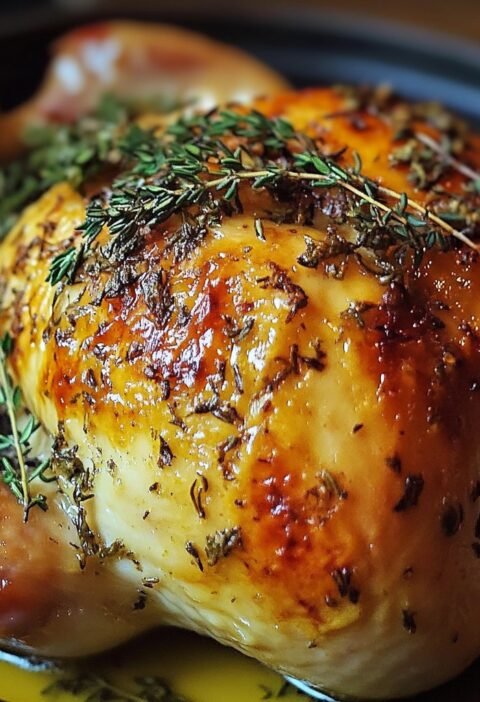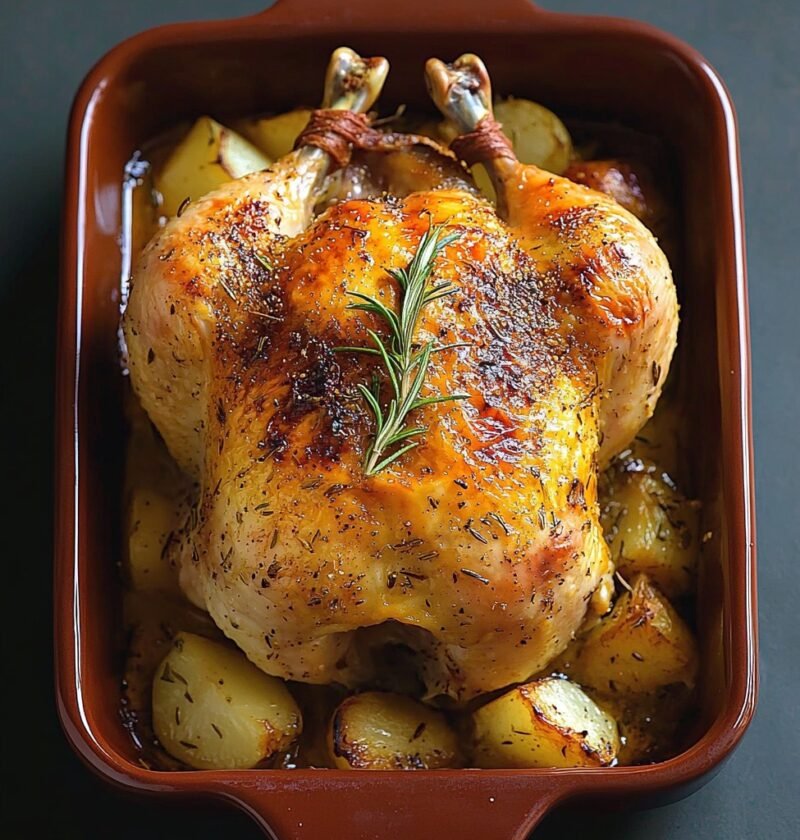
Classic Roast Chicken is a timeless and beloved dish that graces dinner tables across the world. Known for its simple preparation and rich, savory flavor, the classic roast chicken transcends culinary boundaries and appeals to both novice cooks and seasoned chefs alike.
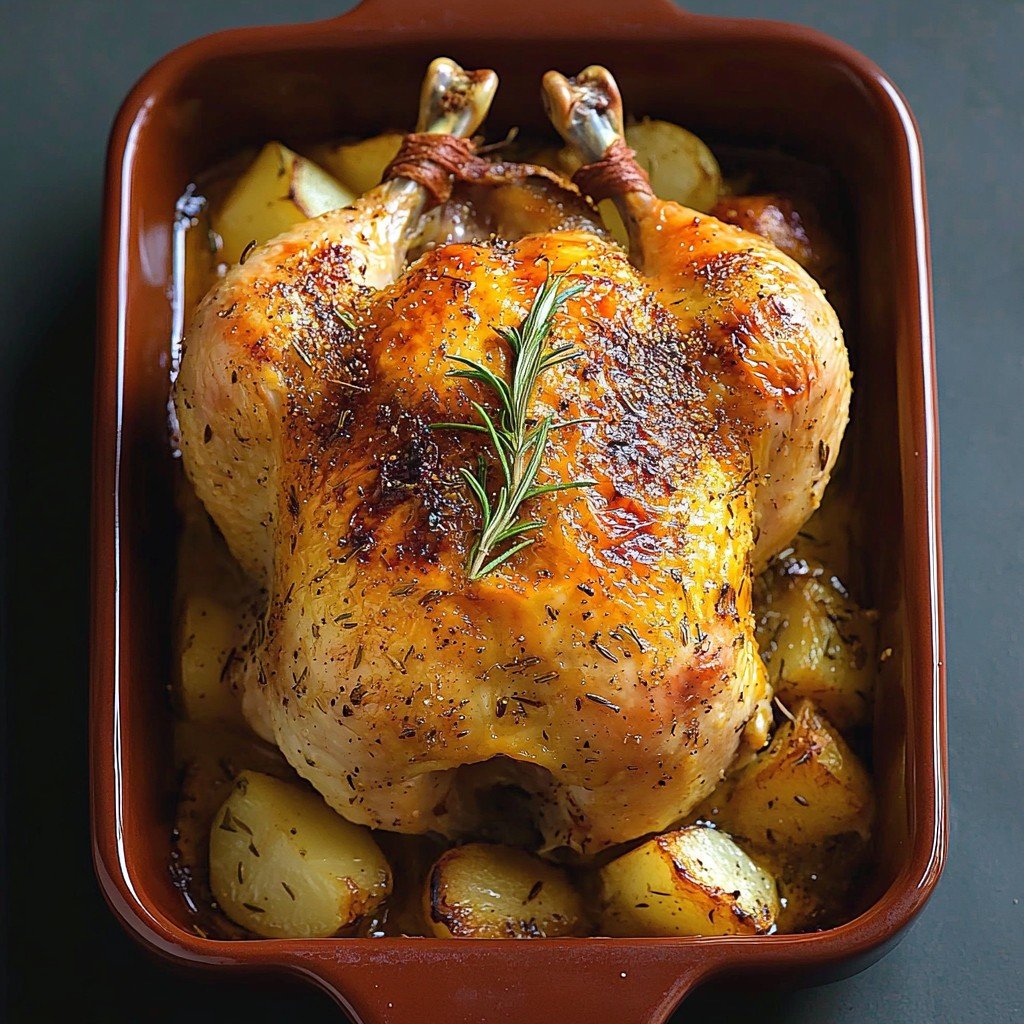
This iconic dish dates back centuries, often found at the heart of family gatherings or holiday feasts, and is celebrated for its golden, crispy skin enveloping juicy, tender meat. Historically, roasting a whole chicken has been a hallmark of celebratory meals in numerous cultures.
In Europe, the Sunday roast, with chicken at its centerpiece, became a symbol of comfort and family togetherness. The secret to the best classic roast chicken lies in respecting the ingredients, from choosing a quality bird to using fresh herbs and just a touch of butter or oil.
In this article, you will learn the best way to create a classic roast chicken with a perfect balance of juicy succulence and irresistible crispiness, elevated with aromatic herbs, garlic, and lemon.
Whether you’re seeking a dependable weeknight dinner or a stunning dish for special occasions, this recipe and informative guide provide all you need to master the art of classic roast chicken.
Prepare to impress your family and guests with a meal that's both nostalgic and delightfully satisfying, complete with expert tips and serving ideas.
Ingredients
- 1 whole chicken (3 to 4 pounds), giblets removed
- 2 tablespoons unsalted butter, softened
- 2 tablespoons olive oil
- 1 tablespoon kosher salt
- 1 teaspoon freshly ground black pepper
- 1 lemon, halved
- 1 head garlic, halved horizontally
- 4 to 5 fresh thyme sprigs
- 3 to 4 fresh rosemary sprigs
- 1 onion, thickly sliced
- 2 carrots, cut into large pieces
- 2 celery stalks, cut into large pieces
- 1 cup low-sodium chicken broth or water
Instructions
- Preheat your oven to 425°F (220°C). Move an oven rack to the center position for even roasting.
- Remove the chicken from its packaging and pat it completely dry with paper towels. This helps crisp the skin.
- Rub the chicken all over with softened butter and olive oil, including under the skin of the breast if possible. Season generously with salt and black pepper inside and out.
- Stuff the chicken cavity with the lemon halves, halved garlic, and sprigs of thyme and rosemary.
- Scatter the onion, carrot, and celery pieces evenly in the bottom of a large roasting pan. Place the chicken breast-side up on top of the vegetables. Tuck the wings underneath the body and tie the legs together with kitchen twine for even cooking.
- Pour chicken broth or water into the pan to keep the vegetables moist and help create flavorful drippings.
- Roast the chicken in the preheated oven for about 60 to 80 minutes, or until the thickest part of the thigh registers 165°F (75°C) on a meat thermometer and the juices run clear.
- Baste the chicken with accumulated pan juices halfway through roasting to encourage golden, crispy skin.
- If the chicken is browning too quickly, tent it loosely with aluminum foil.
- Once roasted, transfer the chicken to a cutting board and let it rest for at least 15 minutes before carving. This ensures juicy, moist meat.
- Carve the chicken and serve it with the roasted vegetables and pan juices. Discard the aromatics from the cavity before serving.
Nutritional Information
A serving of classic roast chicken (approximately six ounces of meat and skin) provides a balanced profile of protein, fat, and essential micronutrients. Each portion contains roughly 300 to 350 calories, making it a satisfying entree that fits well within most meal plans.
The chicken itself offers about 26 grams of high-quality protein, which is essential for muscle maintenance and repair. The skin contributes healthy unsaturated fats and a small amount of saturated fat, but you can reduce fat content by serving without the skin.
Roasting with fresh herbs and vegetables infuses natural flavor while keeping the sodium content moderate, especially if low-sodium broth is used. Classic roast chicken is rich in B vitamins like niacin and B6, as well as minerals such as phosphorus and selenium, supporting metabolism, immunity, and overall well-being.
The addition of carrots, celery, and onion not only enhances flavor but also boosts the meal’s vitamin and antioxidant profile.
When paired with a variety of fresh or roasted vegetables and whole grains, classic roast chicken forms the foundation of a nutritious, balanced meal suitable for families, health-conscious eaters, and those seeking comforting, wholesome recipes.
Wine and Beverage Pairings
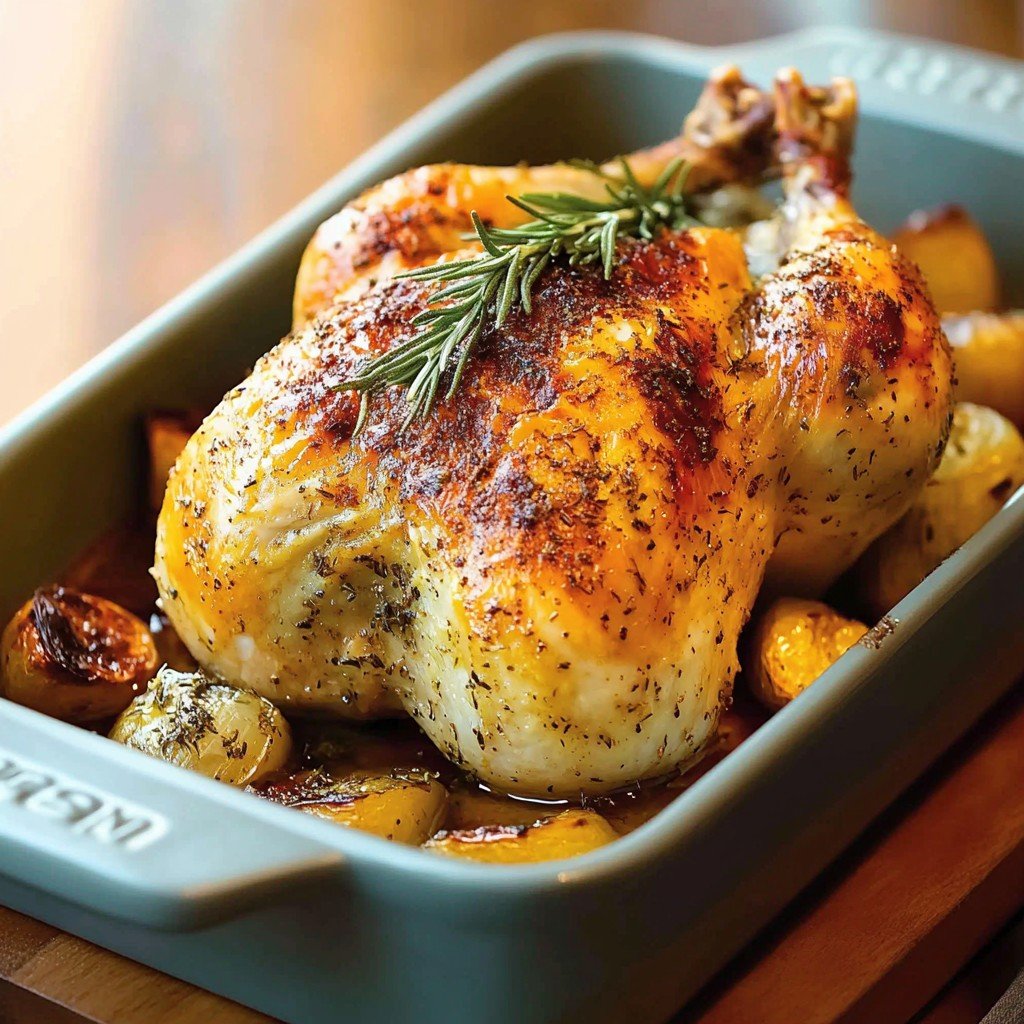
Classic roast chicken pairs beautifully with a wide array of beverages, allowing you to customize your meal according to the season or occasion. For wine enthusiasts, a white Burgundy or California Chardonnay compliments the chicken’s savory herbs and crisp skin with their rich texture and citrus undertones.
For those who prefer red, consider a Pinot Noir—its light body and berry notes harmonize wonderfully without overpowering the dish. If you’re looking for non-alcoholic options, opt for sparkling apple cider or a homemade lemonade with fresh herbs, which refresh and cleanse the palate.
Herbal tea, such as chamomile or sage, serves as a soothing and aromatic choice, especially for a comforting weekend dinner. A light Belgian-style beer can also provide pleasant acidity and malty balance.
Whichever beverage you choose, aim for refreshing yet subtle flavors that let the classic roast chicken shine as the star of your meal.
Cooking Tips and Variations
Achieving the perfect classic roast chicken requires attention to a few critical details and allows for plenty of delicious variations to suit your personal taste. Begin by selecting a high-quality fresh chicken for the juiciest result.
Always dry the chicken thoroughly before roasting; this step is key for attaining that coveted crispy skin. Generous seasoning, both inside and outside the bird, makes a significant difference in flavor depth.
For an herbaceous twist, you can swap thyme and rosemary for sage or tarragon, or add fresh parsley to the rub. To infuse additional aroma, try adding a bay leaf or two alongside the lemon and garlic in the cavity.
Experiment by replacing some butter with flavored compound butter or adding grated lemon zest under the skin for brightness. If you prefer a more Mediterranean flair, include sliced fennel or olives among the roasted vegetables.
For a complete one-pan meal, layer potatoes or root vegetables beneath the chicken to catch flavorful drippings as it roasts. To ensure even cooking, always let the chicken sit at room temperature for about 30 minutes before roasting and rotate the pan halfway through for even browning.
Classic roast chicken is forgiving and versatile, making it easy to adapt for seasonal ingredients or dietary preferences, from gluten-free preparations to dairy-free adjustments by simply omitting butter in favor of all olive oil.
Serving Suggestions
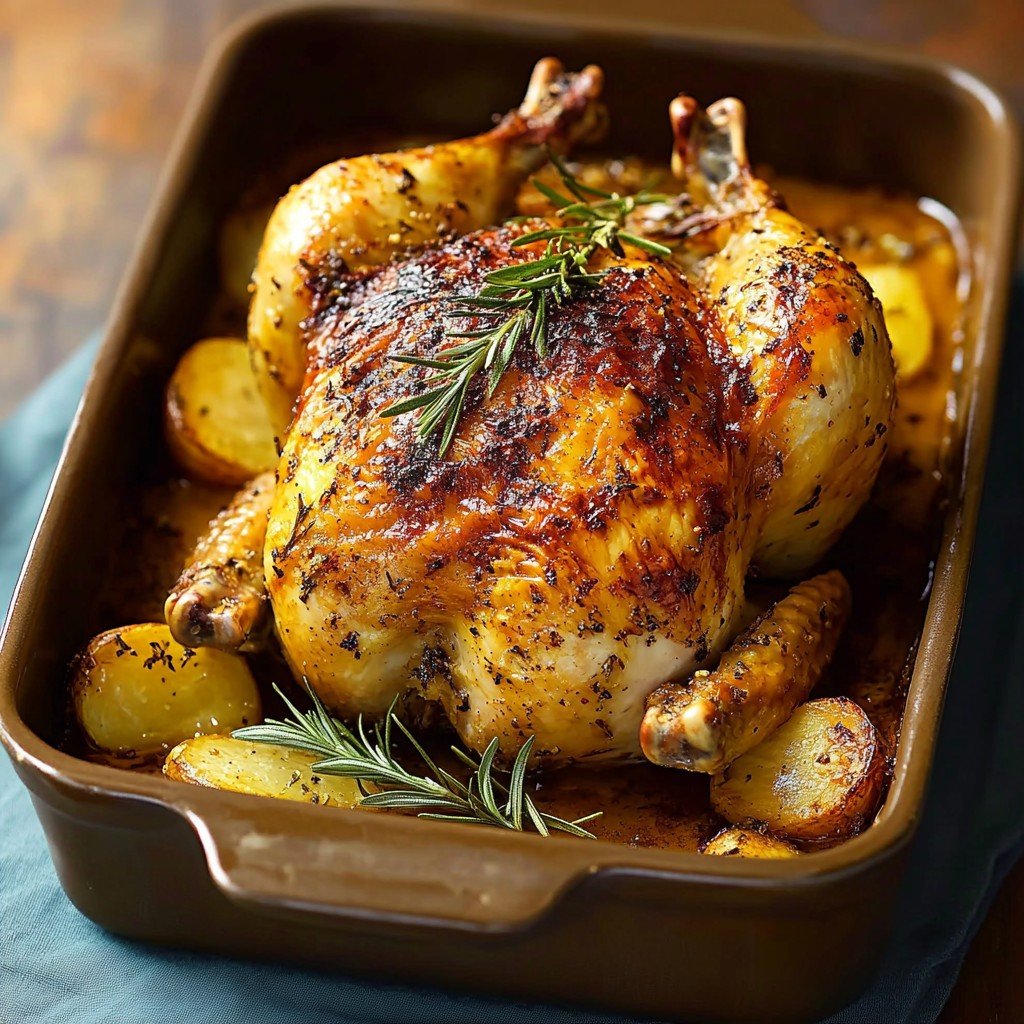
Serving classic roast chicken provides the opportunity to create a warm, inviting meal that suits any occasion, from casual weeknights to festive gatherings. To present the chicken attractively, carve it tableside, allowing guests to enjoy the aromatic steam released as you slice through the crisp skin.
Arrange the carved meat on a platter surrounded by the roasted carrots, celery, and onion, spooning some pan juices over the top for extra flavor and shine.
Classic roast chicken pairs perfectly with simple sides such as buttery mashed potatoes, roasted root vegetables, steamed green beans, or a crisp garden salad dressed in vinaigrette. For a more elegant presentation, serve the chicken atop a bed of wilted greens or alongside lemony couscous.
Warm, crusty bread is ideal for soaking up pan drippings. Don’t forget to serve any leftover pan juices in a gravy boat. To create a heartier, rustic meal, offer warm rice pilaf or stuffing on the side. When serving a crowd, double the recipe and use a larger roasting pan.
At family celebrations, classic roast chicken’s universal appeal ensures it is a hit with both children and adults, making it the perfect centerpiece for any eagerly anticipated meal.
Health Benefits
Classic roast chicken is a nutrient-rich dish with notable health benefits, especially when prepared with fresh ingredients and minimal processed additives. The high protein content supports healthy muscle growth, tissue repair, and keeps you feeling fuller for longer, making it an excellent choice for weight management.
Chicken is naturally low in carbohydrates, catering to gluten-free and low-carb diets. Using skinless portions or serving without pan drippings can significantly reduce saturated fat and calorie levels for those monitoring heart health.
The inclusion of herbs and aromatic vegetables not only imparts wonderful flavor but also increases the dish’s antioxidant and micronutrient intake, which may support immune health, reduce inflammation, and contribute to overall well-being. Furthermore, preparing classic roast chicken with fresh lemon juice can enhance vitamin C absorption from accompanying vegetables.
If you opt for organic or free-range chicken, you may benefit from higher levels of omega-3 fatty acids and lower levels of potential additives or antibiotics. Overall, classic roast chicken offers a nutritious, wholesome meal that fits comfortably within balanced dietary guidelines for most individuals.
Frequently Asked Questions
Pat the chicken dry, season it well, and let it roast at a high temperature. Basting with pan juices and letting it rest before carving also preserves juiciness.
Yes, you can season and refrigerate the chicken up to a day in advance. Roast just before serving for the best results. Leftovers can be stored for up to 3-4 days.
Classic choices include carrots, celery, onions, and potatoes, but you can also try parsnips, turnips, fennel, or sweet potatoes for a different flavor profile.
Use a meat thermometer inserted into the thigh; the chicken is done at 165°F (75°C) and juices should run clear. Avoid overcooking for best texture.
Use leftovers for sandwiches, salads, soups, or casseroles. The bones can be simmered to make a rich homemade chicken stock for future recipes.
Classic roast chicken is the ultimate comfort food, merging rich tradition with timeless flavor and wholesome nutrition. By following these detailed instructions and tips, even beginner cooks can confidently present a roast chicken that’s simultaneously juicy, aromatic, and beautifully crisp. Versatile in both preparation and serving, this dish is easily adapted to suit personal tastes, dietary needs, and the bounty of each season. Whether served at a simple family dinner or as part of a festive gathering, classic roast chicken is guaranteed to delight with its satisfying texture and familiar, heartwarming taste. Embrace this culinary tradition, savor the aroma, and enjoy the compliments as you serve up a perfectly roasted bird—making memories, one delicious bite at a time.
Ingredients
- 1 whole chicken (3 to 4 pounds), giblets removed
- 2 tablespoons unsalted butter, softened
- 2 tablespoons olive oil
- 1 tablespoon kosher salt
- 1 teaspoon freshly ground black pepper
- 1 lemon, halved
- 1 head garlic, halved horizontally
- 4 to 5 fresh thyme sprigs
- 3 to 4 fresh rosemary sprigs
- 1 onion, thickly sliced
- 2 carrots, cut into large pieces
- 2 celery stalks, cut into large pieces
- 1 cup low-sodium chicken broth or water
Instructions
-
1Preheat your oven to 425°F (220°C). Move an oven rack to the center position for even roasting.
-
2Remove the chicken from its packaging and pat it completely dry with paper towels. This helps crisp the skin.
-
3Rub the chicken all over with softened butter and olive oil, including under the skin of the breast if possible. Season generously with salt and black pepper inside and out.
-
4Stuff the chicken cavity with the lemon halves, halved garlic, and sprigs of thyme and rosemary.
-
5Scatter the onion, carrot, and celery pieces evenly in the bottom of a large roasting pan. Place the chicken breast-side up on top of the vegetables. Tuck the wings underneath the body and tie the legs together with kitchen twine for even cooking.
-
6Pour chicken broth or water into the pan to keep the vegetables moist and help create flavorful drippings.
-
7Roast the chicken in the preheated oven for about 60 to 80 minutes, or until the thickest part of the thigh registers 165°F (75°C) on a meat thermometer and the juices run clear.
-
8Baste the chicken with accumulated pan juices halfway through roasting to encourage golden, crispy skin.
-
9If the chicken is browning too quickly, tent it loosely with aluminum foil.
-
10Once roasted, transfer the chicken to a cutting board and let it rest for at least 15 minutes before carving. This ensures juicy, moist meat.
-
11Carve the chicken and serve it with the roasted vegetables and pan juices. Discard the aromatics from the cavity before serving.
Approximate Information for One Serving
Nutrition Disclaimers
Number of total servings shown is approximate. Actual number of servings will depend on your preferred portion sizes.
Nutritional values shown are general guidelines and reflect information for 1 serving using the ingredients listed, not including any optional ingredients. Actual macros may vary slightly depending on specific brands and types of ingredients used.
To determine the weight of one serving, prepare the recipe as instructed. Weigh the finished recipe, then divide the weight of the finished recipe (not including the weight of the container the food is in) by the desired number of servings. Result will be the weight of one serving.
Did you make this recipe?
Please consider Pinning it!