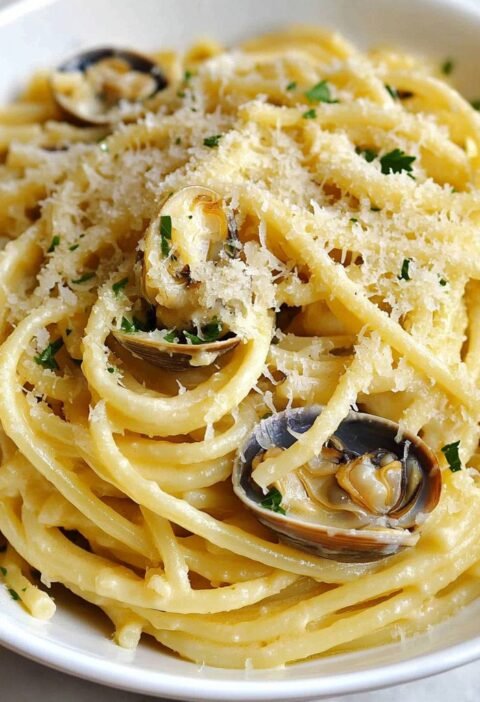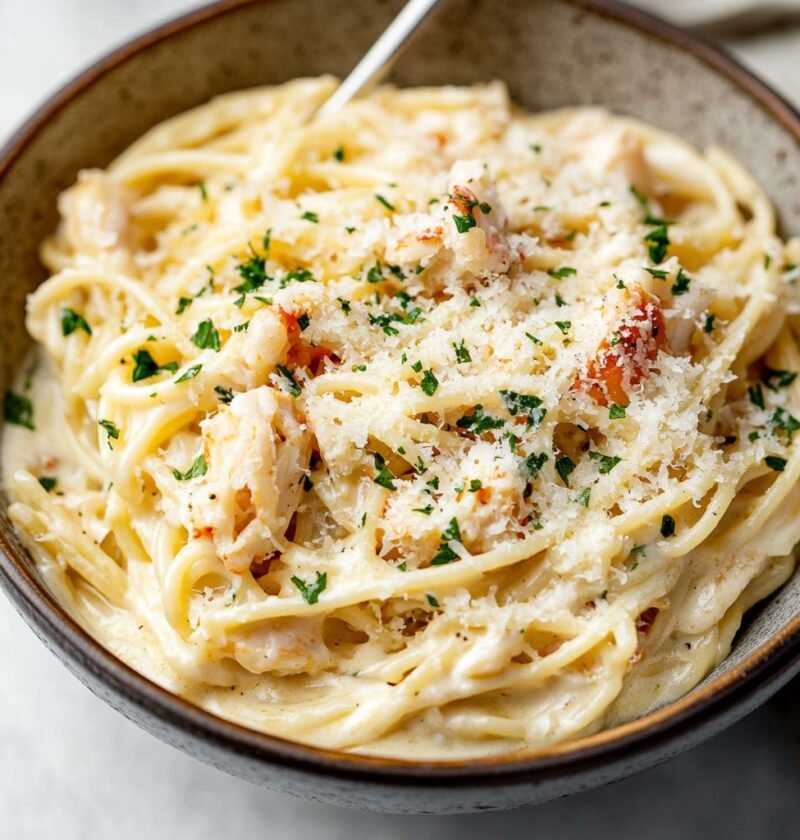
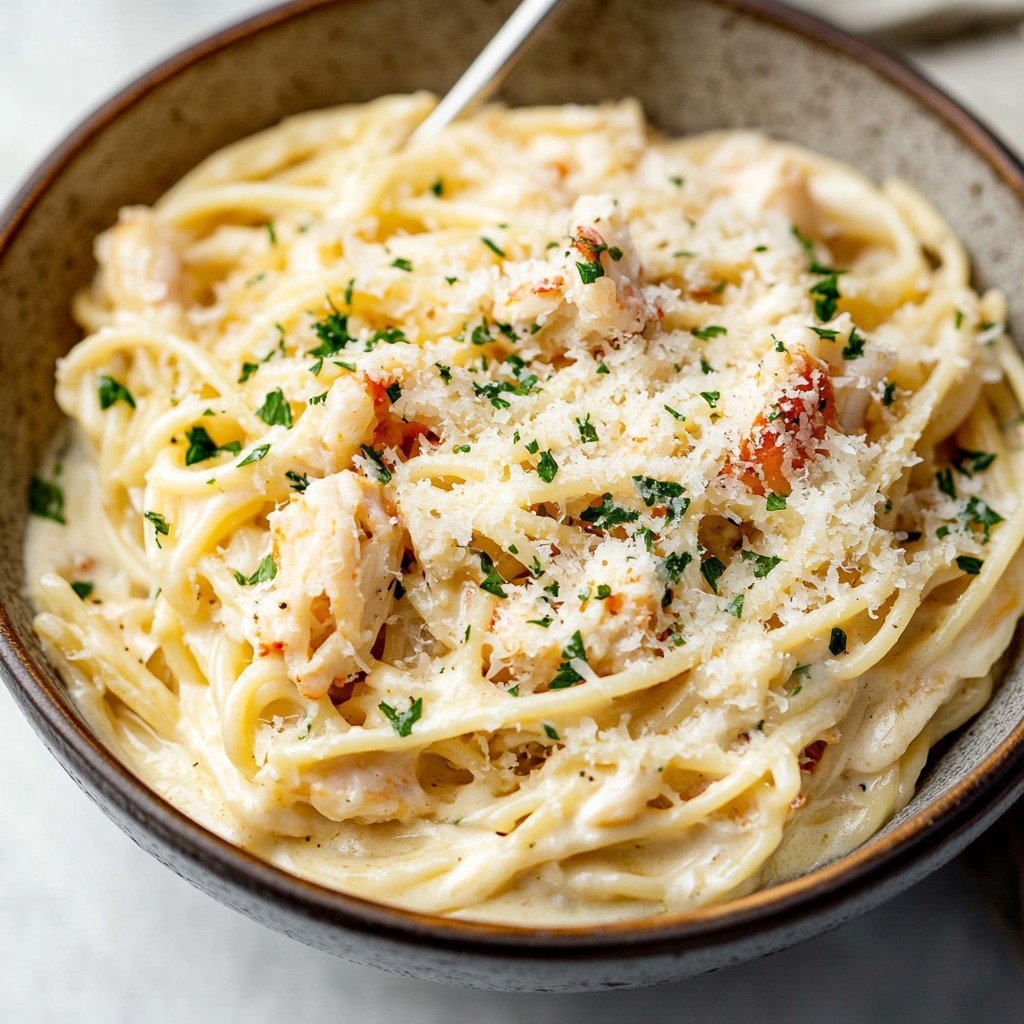
Crab Pasta is an exquisite dish that brings the delicate sweetness of crab meat together with the comforting richness of pasta, all wrapped in a harmonious medley of flavors.
With roots in both Italian and coastal cuisine traditions, Crab Pasta has become a gourmet favorite among seafood enthusiasts and home cooks alike.
Its origins trace back to seashore villages where freshly caught crab was lauded as a luxury ingredient, often paired with homemade pasta and a touch of olive oil or cream for a simple yet unforgettable meal.
Today, Crab Pasta has evolved into a beloved restaurant staple and a dinner party showstopper, renowned for its ability to balance the briny, delicate essence of crab with bright herbs, zesty lemon, and the hearty bite of perfectly cooked noodles.
By incorporating keywords like crab, pasta, seafood pasta, and creamy crab pasta, this recipe appeals to anyone seeking a refined yet approachable seafood meal.
Ideal for special occasions, family dinners, or whenever you want to treat yourself, Crab Pasta offers a sophisticated twist on classic pasta dishes while remaining surprisingly easy to prepare at home.
Whether using fresh, canned, or imitation crab, the possibilities for flavor customization are endless, allowing you to create an elegant plate bursting with freshness, nutrition, and tantalizing taste.
Ingredients
- 12 ounces linguine or spaghetti
- 2 tablespoons olive oil
- 3 cloves garlic, finely minced
- 1 small shallot, finely diced
- 1/2 teaspoon red pepper flakes (optional)
- 8 ounces lump crab meat, picked over for shells
- 1/4 cup dry white wine
- 1/2 cup heavy cream
- 1 teaspoon lemon zest
- 2 tablespoons fresh lemon juice
- 1/4 cup grated Parmesan cheese
- 2 tablespoons unsalted butter
- 2 tablespoons chopped fresh parsley
- Salt and freshly ground black pepper, to taste
- Extra Parmesan cheese, for serving
Instructions
- Bring a large pot of salted water to a boil and cook the pasta according to package instructions until al dente. Reserve 1/2 cup of pasta water before draining.
- While the pasta cooks, heat olive oil in a large skillet over medium heat. Add minced garlic, shallot, and red pepper flakes (if using), sautéing until fragrant and translucent, about 2 minutes.
- Add the crab meat to the skillet. Gently stir to warm through for 1-2 minutes, being careful not to break up the lumps.
- Pour in the dry white wine, stirring to combine, and let it simmer for another minute to reduce slightly.
- Lower the heat to medium-low and stir in the heavy cream, lemon zest, and lemon juice. Simmer gently for 2-3 minutes until the sauce is creamy and slightly thickened.
- Add the Parmesan cheese and butter, stirring until both are melted and the sauce is smooth. Season with salt and freshly ground black pepper to taste.
- Add the drained pasta to the skillet, tossing well to coat. If needed, add reserved pasta water a little at a time to achieve your desired sauce consistency.
- Remove from heat and sprinkle with chopped fresh parsley. Serve immediately, garnished with extra Parmesan cheese and a wedge of lemon if desired.
Nutritional Information
Crab Pasta is a nutrient-rich dish that delivers a balanced combination of protein, carbohydrates, and healthy fats. Lump crab meat is low in fat and calories yet provides an impressive amount of high-quality protein—essential for muscle health and keeping you full longer.
It is also an excellent source of vitamins such as B12 and minerals like zinc, copper, and selenium, which contribute to immune health and metabolic function. The heavy cream and Parmesan cheese in this recipe contribute calcium and vitamin A, which are important for bone and eye health.
While cream and cheese add richness and flavor, you can moderate portion size or opt for light cream for a reduced-calorie alternative. The olive oil used is a source of heart-healthy monounsaturated fats and antioxidants.
Pasta, especially if made from whole wheat, adds dietary fiber and sustained energy from complex carbohydrates. A typical serving of this Crab Pasta recipe delivers approximately 450-550 calories, 20-30 grams of protein, 15-20 grams of fat, and 50-60 grams of carbohydrates.
By adding fresh parsley and lemon, you infuse additional antioxidants and vitamin C, enhancing both nutrition and taste. If you wish to lower the fat content, consider using half-and-half or milk instead of heavy cream and reduce the cheese, still achieving a deliciously creamy texture while keeping calories in check.
Remember to check for shell fragments in the crab meat for a safer meal experience.
Wine and Beverage Pairings
Crab Pasta pairs beautifully with a crisp, chilled white wine such as Sauvignon Blanc, Pinot Grigio, or a dry Chardonnay. These varietals complement the delicate sweetness of crab and cut through the richness of the creamy sauce.
For those who prefer non-alcoholic options, a sparkling mineral water with a squeeze of lemon or a cool iced tea with a hint of citrus can be equally refreshing, helping to cleanse the palate between bites and enhance the overall dining experience.
Cooking Tips and Variations
For best results when making Crab Pasta, opt for fresh or high-quality refrigerated lump crab meat, which imparts an unmatched sweetness and tenderness. If using canned or imitation crab, thoroughly drain and pat dry to prevent a watery sauce.
Take care not to overcook the crab, as it can become tough and lose its delicate flavor; add it just long enough to heat through. When cooking pasta, undercook it by about one minute, finishing it in the sauce, which allows the noodles to absorb more flavor.
For a spicy kick, toss in extra red pepper flakes or a dash of hot sauce. To maximize lemon flavor, zest the lemon directly over the pan to capture aromatic oils. For a lighter version, substitute half-and-half or even unsweetened evaporated milk for the heavy cream.
Change up the herbs: fresh basil, dill, or chives can provide different flavor profiles. If fresh crab is unavailable, try using shrimp, scallops, or a seafood mix for a similar experience. Gluten-free pasta works well in this recipe for those with dietary restrictions.
To add extra freshness and color, stir in halved cherry tomatoes or arugula just before serving. Finally, always taste and adjust seasoning as needed—balancing salt, acid, and heat is key to a memorable Crab Pasta.
Serving Suggestions
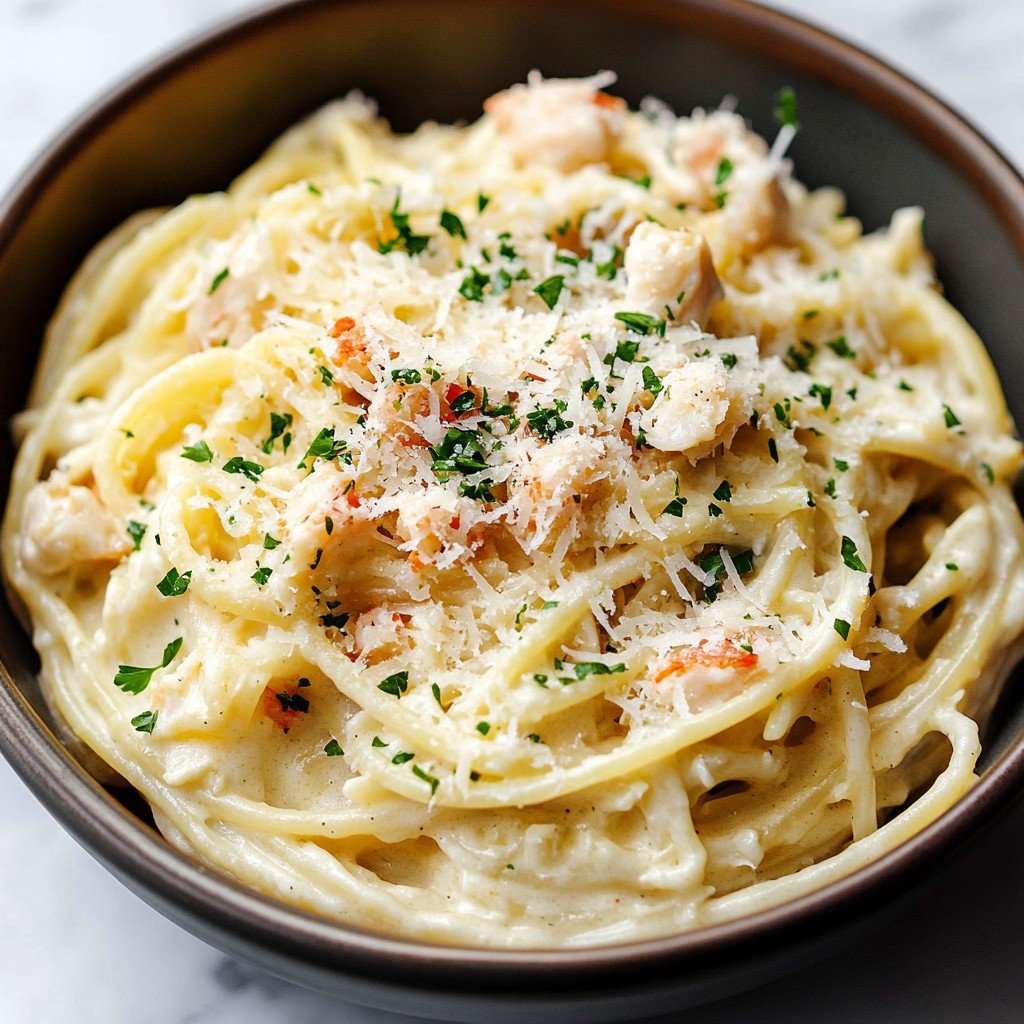
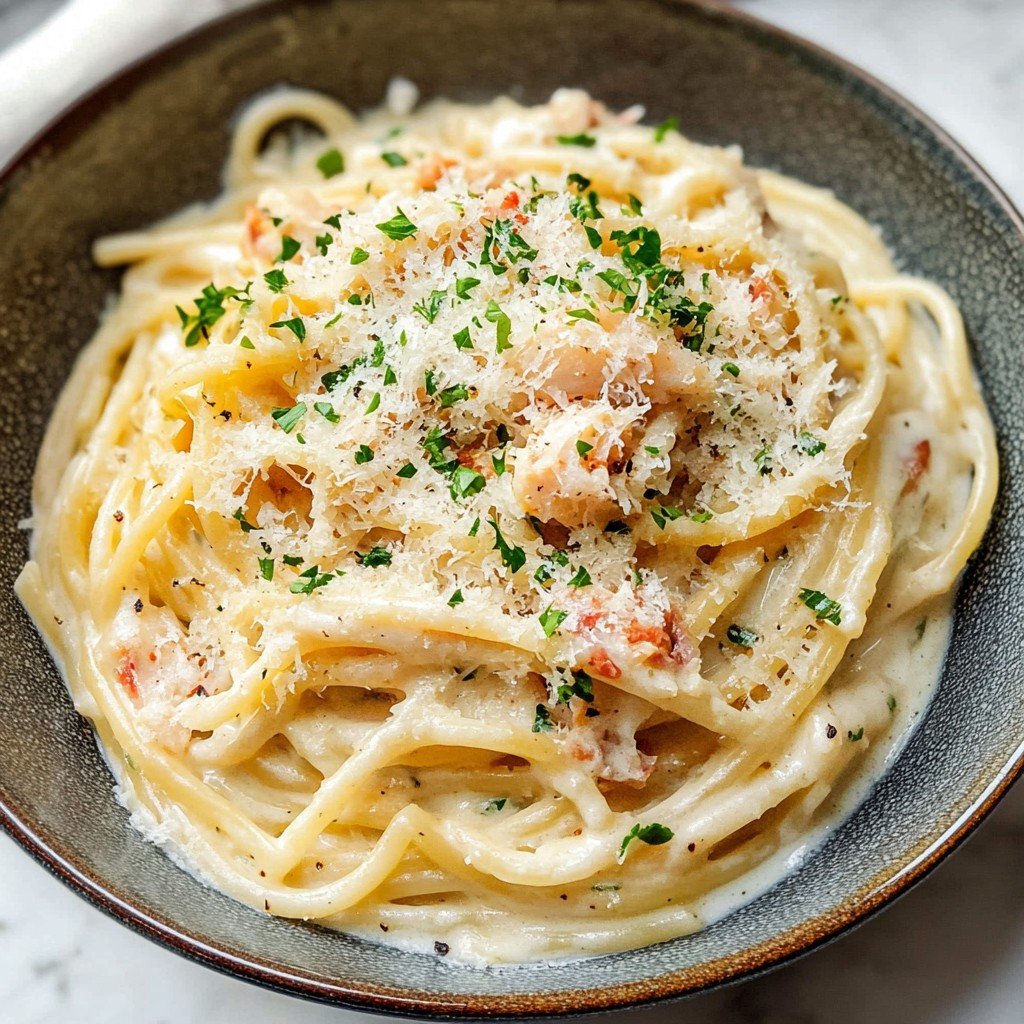
Crab Pasta is best enjoyed freshly made, served hot, and presented elegantly in shallow pasta bowls. Garnish with a generous sprinkle of freshly chopped parsley, extra Parmesan cheese, and a wedge of lemon for squeezing, which adds a pop of brightness to each bite.
To create an inviting ambiance, serve Crab Pasta as a main course accompanied by a simple side salad dressed with a light vinaigrette, freshly baked crusty bread or garlic toast to soak up extra sauce, and a medley of seasonal vegetables such as roasted asparagus or sautéed spinach.
For special occasions, present the pasta with decorative touches like lemon spirals, a light drizzle of high-quality olive oil, or toasted breadcrumbs for crunch. The dish transitions beautifully from intimate dinners to festive gatherings, as its luxurious flavors are universally appealing while still exuding a sense of culinary sophistication.
Leftovers can be enjoyed the next day, but the sauce may need a splash of cream or pasta water to regain its velvety consistency. Whether plated simply for weeknight comfort or elevated for dinner parties, serving Crab Pasta is a celebration of seafood at its finest.
Health Benefits
Crab Pasta offers several notable health benefits when enjoyed as part of a balanced diet. Fresh crab meat is a high-protein, low-fat source of nutrition, supporting lean muscle development and maintaining satiety.
Crab is also rich in omega-3 fatty acids, well-known for their heart-protective properties and their role in reducing inflammation. The antioxidants found in fresh parsley and lemon juice enhance immune function and may aid in digestion. Whole grain pasta, if substituted, adds dietary fiber, lowering cholesterol and improving gut health.
Olive oil provides monounsaturated fats that help control cholesterol levels and support cardiovascular wellness. Opting for lighter cream or reduced-fat cheese can make this classic Crab Pasta even more suitable for those seeking to lower their saturated fat intake without compromising on flavor.
The vitamins and minerals from crab—such as vitamin B12, zinc, and selenium—boost cognitive function, contribute to stronger bones, and support metabolic processes. When combined thoughtfully, these wholesome ingredients transform Crab Pasta from a decadent meal to a nutritious option that brings together both pleasure and wellness in every bowl.
Frequently Asked Questions
Yes, canned crab meat is convenient for Crab Pasta and works well if fresh crab is unavailable. Be sure to drain it thoroughly and check for any remaining shell fragments before adding it to the sauce.
Long pasta shapes like linguine, spaghetti, or tagliatelle are traditional choices, as they hold the creamy crab sauce well. However, shorter shapes such as penne or fusilli can also be delicious.
While Crab Pasta is best enjoyed immediately, you can prepare the sauce in advance and reheat gently before tossing with freshly cooked pasta. If reheating, add a splash of cream or reserved cooking water to restore the sauce's texture.
Yes, to make a dairy-free Crab Pasta, substitute the heavy cream with unsweetened coconut cream or a dairy-free alternative and use nutritional yeast instead of Parmesan cheese for a similar flavor boost.
Absolutely! Gluten-free pasta varieties, such as those made from corn, rice, or legumes, work excellently with the crab sauce and make the dish suitable for those with gluten sensitivities or celiac disease.
Crab Pasta stands as a testament to the beauty of simple, high-quality ingredients coming together in perfect harmony. Its gentle sweetness, luscious creaminess, and zesty brightness make each forkful a celebration of both land and sea. Whether you are a seasoned seafood lover or a home cook looking to impress, mastering this Crab Pasta recipe will add a touch of elegance to your culinary repertoire. With its adaptable nature, health benefits, and endless possibilities for customization, it’s no wonder that Crab Pasta has secured its place among timeless seafood classics. Gather your ingredients, pour a glass of white wine, and let this sumptuous Crab Pasta transform your next meal into a gourmet experience worth savoring.
Ingredients
- 12 ounces linguine or spaghetti
- 2 tablespoons olive oil
- 3 cloves garlic, finely minced
- 1 small shallot, finely diced
- 1/2 teaspoon red pepper flakes (optional)
- 8 ounces lump crab meat, picked over for shells
- 1/4 cup dry white wine
- 1/2 cup heavy cream
- 1 teaspoon lemon zest
- 2 tablespoons fresh lemon juice
- 1/4 cup grated Parmesan cheese
- 2 tablespoons unsalted butter
- 2 tablespoons chopped fresh parsley
- Salt and freshly ground black pepper, to taste
- Extra Parmesan cheese, for serving
Instructions
-
1Bring a large pot of salted water to a boil and cook the pasta according to package instructions until al dente. Reserve 1/2 cup of pasta water before draining.
-
2While the pasta cooks, heat olive oil in a large skillet over medium heat. Add minced garlic, shallot, and red pepper flakes (if using), sautéing until fragrant and translucent, about 2 minutes.
-
3Add the crab meat to the skillet. Gently stir to warm through for 1-2 minutes, being careful not to break up the lumps.
-
4Pour in the dry white wine, stirring to combine, and let it simmer for another minute to reduce slightly.
-
5Lower the heat to medium-low and stir in the heavy cream, lemon zest, and lemon juice. Simmer gently for 2-3 minutes until the sauce is creamy and slightly thickened.
-
6Add the Parmesan cheese and butter, stirring until both are melted and the sauce is smooth. Season with salt and freshly ground black pepper to taste.
-
7Add the drained pasta to the skillet, tossing well to coat. If needed, add reserved pasta water a little at a time to achieve your desired sauce consistency.
-
8Remove from heat and sprinkle with chopped fresh parsley. Serve immediately, garnished with extra Parmesan cheese and a wedge of lemon if desired.
Approximate Information for One Serving
Nutrition Disclaimers
Number of total servings shown is approximate. Actual number of servings will depend on your preferred portion sizes.
Nutritional values shown are general guidelines and reflect information for 1 serving using the ingredients listed, not including any optional ingredients. Actual macros may vary slightly depending on specific brands and types of ingredients used.
To determine the weight of one serving, prepare the recipe as instructed. Weigh the finished recipe, then divide the weight of the finished recipe (not including the weight of the container the food is in) by the desired number of servings. Result will be the weight of one serving.
Did you make this recipe?
Please consider Pinning it!