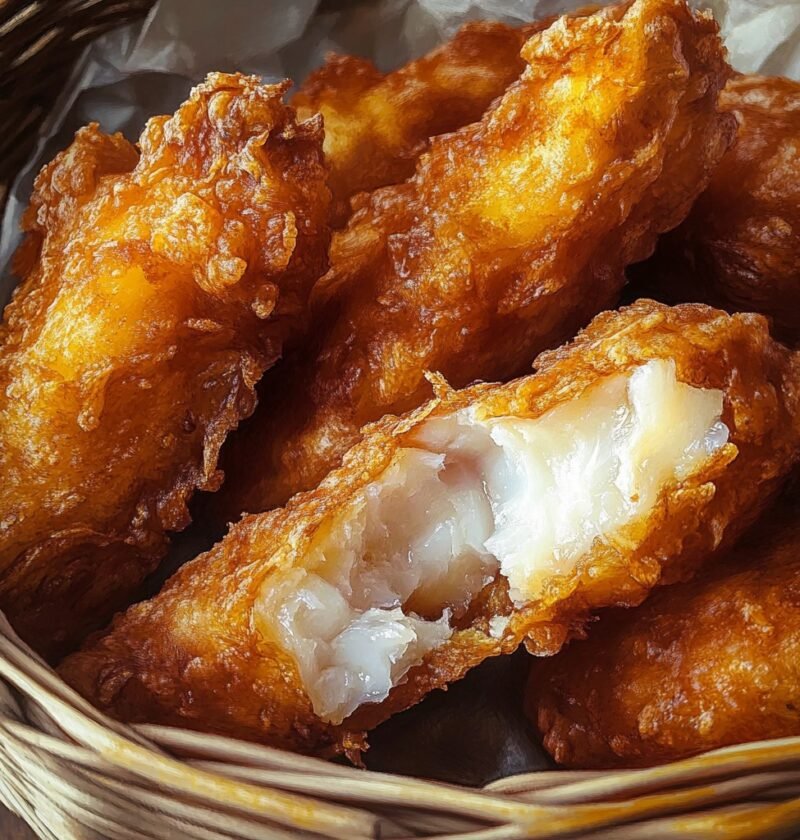
Crispy Battered Fried Fish is a classic dish known and loved across the globe, whether served in British fish and chip shops, American diners, or seaside bistros in Australia.
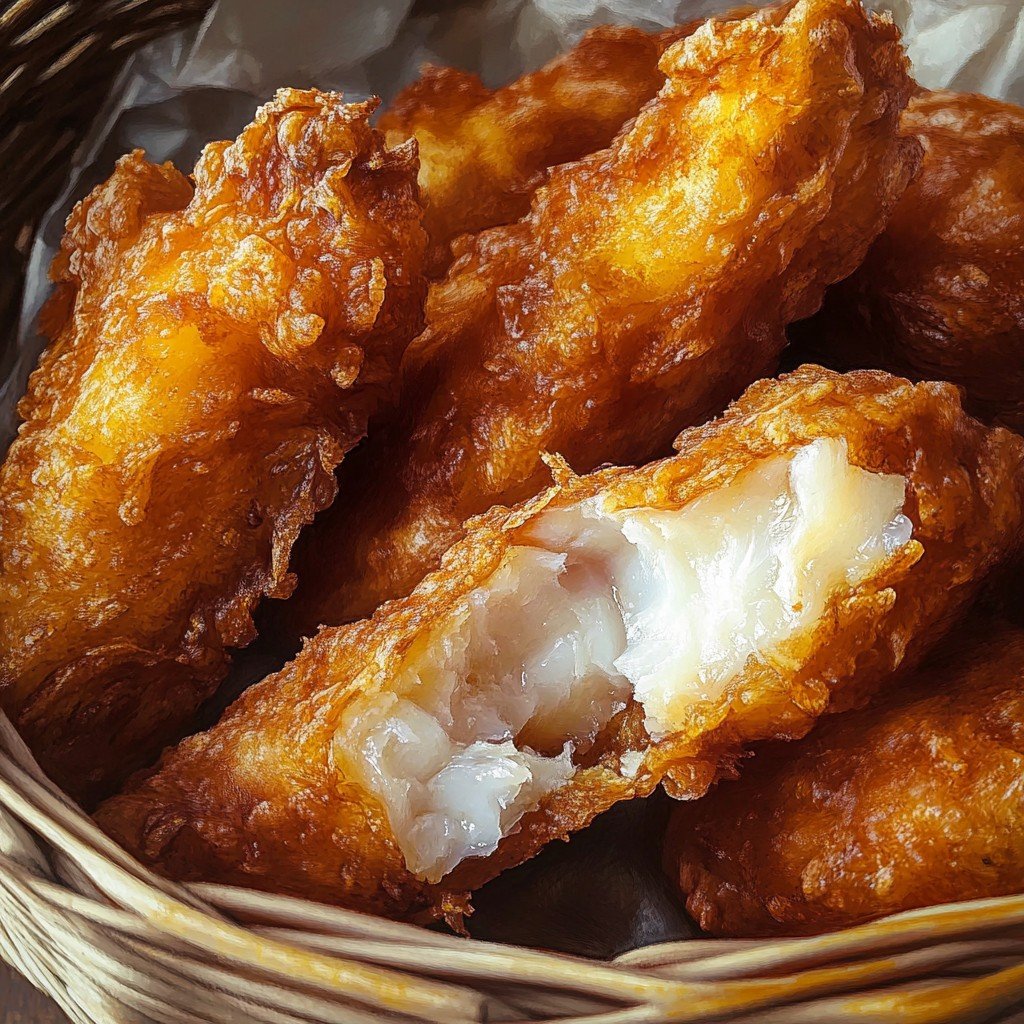
Its universal appeal lies in the irresistible combination of flaky, tender fish enrobed in a perfectly crisp coating that shatters with each bite. The golden exterior, reminiscent of sunshine, hints at the savory satisfaction that awaits, making it a favorite among seafood fans and comfort food connoisseurs alike.
The origins of battered fried fish date back to 19th-century England, where it became a staple of working-class diets. Battered fish was popularized by the influx of Jewish immigrants who brought their frying techniques, and the tradition was quickly embraced, leading to the iconic fish and chips.
Throughout the years, variations in batter recipes, frying oils, and fish choices have evolved, enriching the world of crispy fried fish with diverse flavors and innovations. This recipe guide will walk you through creating your own Crispy Battered Fried Fish at home, achieving a restaurant-quality crunch every time.
Whether cooking for a family meal, a weekend gathering, or indulging solo, mastering this dish will transport you to seaside memories and satisfy your deepest cravings for comfort food. Dive into this culinary adventure and unlock the secrets of the ultimate fish fry experience.
Ingredients
- 4 white fish fillets (such as cod, haddock, or pollock, about 6 oz each)
- 1 1/2 cups all-purpose flour (plus extra for dredging)
- 1/2 cup corn flour or cornstarch
- 1 1/2 teaspoons baking powder
- 1 teaspoon kosher salt
- 1/2 teaspoon freshly ground black pepper
- 1/2 teaspoon paprika (optional, for color)
- 1 cup cold sparkling water or club soda
- 1 large egg
- 1 tablespoon vinegar or lemon juice
- Vegetable oil for deep frying (such as sunflower, canola, or peanut oil)
- Lemon wedges, for serving
- Fresh parsley or dill, for garnish (optional)
Instructions
- Pat the fish fillets dry with paper towels and season them lightly with salt and pepper. If the fillets are thick, consider cutting them into smaller pieces for quicker and more even cooking.
- Prepare the dredging flour by placing about 1/2 cup of all-purpose flour in a shallow dish. Dredge each fish fillet lightly in the flour, shaking off excess. This step helps the batter adhere better.
- In a large mixing bowl, combine 1 1/2 cups all-purpose flour, 1/2 cup corn flour or cornstarch, 1 1/2 teaspoons baking powder, 1 teaspoon kosher salt, 1/2 teaspoon black pepper, and paprika if using. Whisk to combine.
- In a separate small bowl, whisk together the cold sparkling water, egg, and vinegar or lemon juice until well mixed.
- Pour the wet mixture into the dry ingredients, stirring gently until just combined. The batter should be thick but pourable. Do not overmix; it’s okay if there are a few lumps.
- Heat vegetable oil in a deep fryer or large, heavy-bottomed pan to 350-365°F (175-185°C). There should be enough oil to fully submerge the fish fillets.
- Dip each floured fish fillet into the batter, allowing excess to drip off. Carefully lower the battered fillet into the hot oil. Fry in batches, avoiding overcrowding.
- Cook each fillet for 4-6 minutes, turning once, until the batter is golden and crisp and the fish is cooked through. The internal temperature of the fish should reach 145°F (63°C).
- Transfer the fried fish to a wire rack set over paper towels to drain and remain crisp while frying the remaining fillets.
- Serve immediately with lemon wedges and a scatter of fresh parsley or dill if desired. Enjoy piping hot, ideally with classic sides like fries or tartar sauce.
Nutritional Information
Crispy Battered Fried Fish is not only a treat for the taste buds, but it also provides a range of nutritional benefits when consumed as part of a balanced diet. Each serving (one standard fillet with batter) contains approximately 325-400 calories, depending on the type of fish and oil used.
It provides 18-22 grams of protein, supporting muscle repair and growth. The fat content ranges from 14 to 20 grams per serving, with about 2-4 grams of saturated fat. Choosing lean white fish helps reduce the total fat intake compared to fattier varieties.
Due to the frying process, the dish contains a moderate amount of cholesterol, usually around 60-80 mg per serving. Fiber in battered fried fish is typically low, but serving with coleslaw or steamed vegetables can help boost fiber intake.
Sodium levels range from 350-500 mg, primarily depending on the amount of added salt and batter ingredients. Fish is naturally rich in essential nutrients such as vitamin B12, selenium, phosphorus, and niacin. Including fish in your diet twice a week is recommended for heart health and overall wellness.
To make Crispy Battered Fried Fish a bit lighter, opt for air-frying techniques or use a thinner batter and drain well after frying. Pairing with nutrient-dense sides like salads or roasted vegetables can enhance the overall nutrition of the meal, making it both delicious and balanced.
Wine and Beverage Pairings
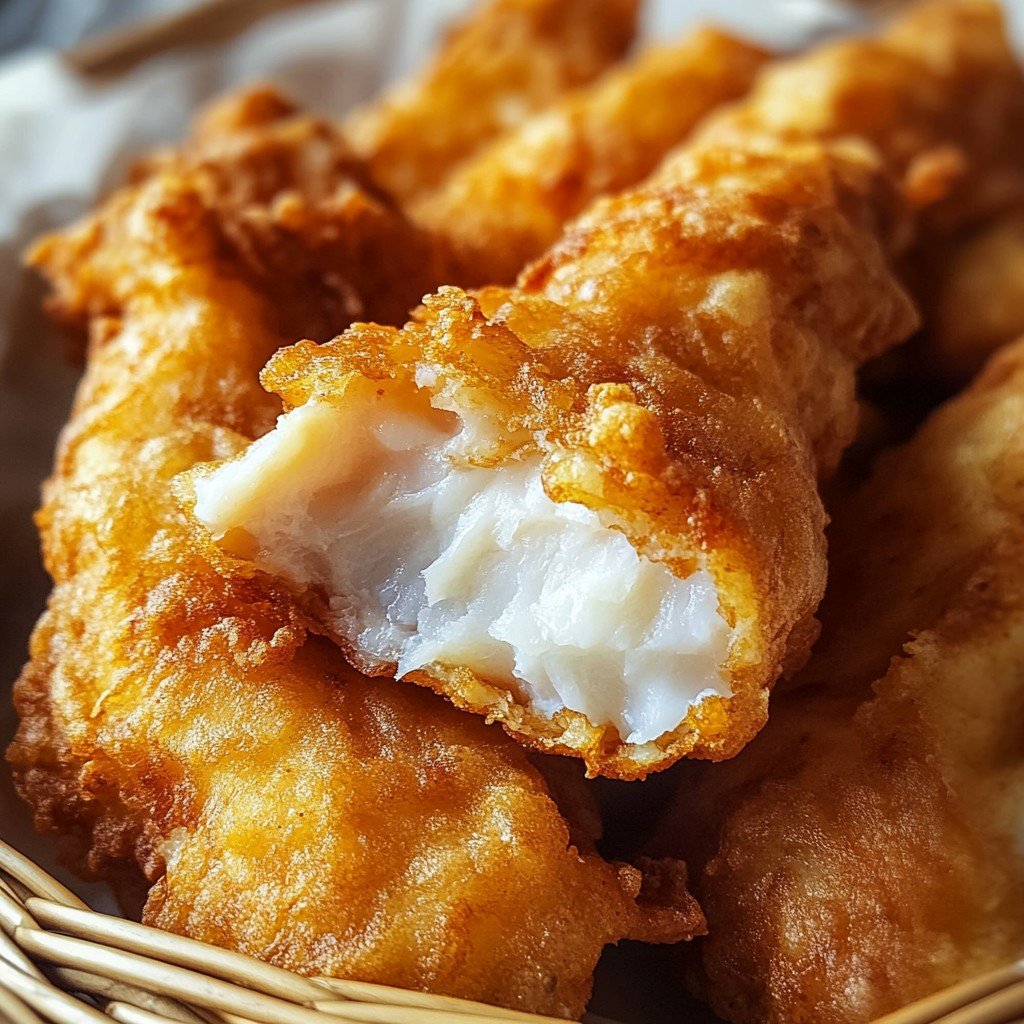
The best beverages to serve with Crispy Battered Fried Fish complement its crunchy exterior and delicate, buttery interior. For wine lovers, a crisp white such as Sauvignon Blanc, Pinot Grigio, or a light Chardonnay pairs beautifully, their citrus and mineral notes cutting through the richness of the fried batter.
Beer is a classic pairing: a cold Pilsner, pale ale, or wheat beer echoes the savory, malty flavors of the dish and cleanses the palate. For a non-alcoholic option, sparkling lemonade, unsweetened iced tea with lemon, or an herbal citrus spritzer brighten each bite.
If you enjoy cocktails, a light gin and tonic with a wedge of lime makes an excellent companion, highlighting the fish's freshness and the subtle tang of lemon served alongside.
Cooking Tips and Variations
Achieving the ultimate Crispy Battered Fried Fish starts with selecting the freshest fillets you can find. Cod, haddock, and pollock are traditional, but halibut, tilapia, or even catfish work well.
Always pat the fish dry before dredging and battering; excess moisture can lead to soggy batter or cause the hot oil to splatter. Cold batter is key—using sparkling water or club soda straight from the refrigerator creates air bubbles that result in a lighter, crunchier coating.
Don’t overwork the batter, as a few lumps are fine and ensure a better texture. Keep oil temperature steady; too hot and the outside will overcook before the inside, too cool and the batter absorbs oil, losing its crunch.
Consider adding spices like cayenne, garlic powder, or dried herbs for flavor variations. For beer-battered fish, simply replace sparkling water with cold beer for an extra malty kick.
If you don’t have a thermometer, test the oil by dipping a drop of batter; it should sizzle and rise to the surface immediately. For gluten-free options, substitute rice flour or a gluten-free all-purpose blend in the batter.
To keep fish warm and crisp before serving, place fried fillets on a wire rack in a low oven (225°F) until ready to serve. Explore additional flavors by adding grated lemon zest, Old Bay seasoning, or even a pinch of curry powder to the batter for international flair.
Serving Suggestions
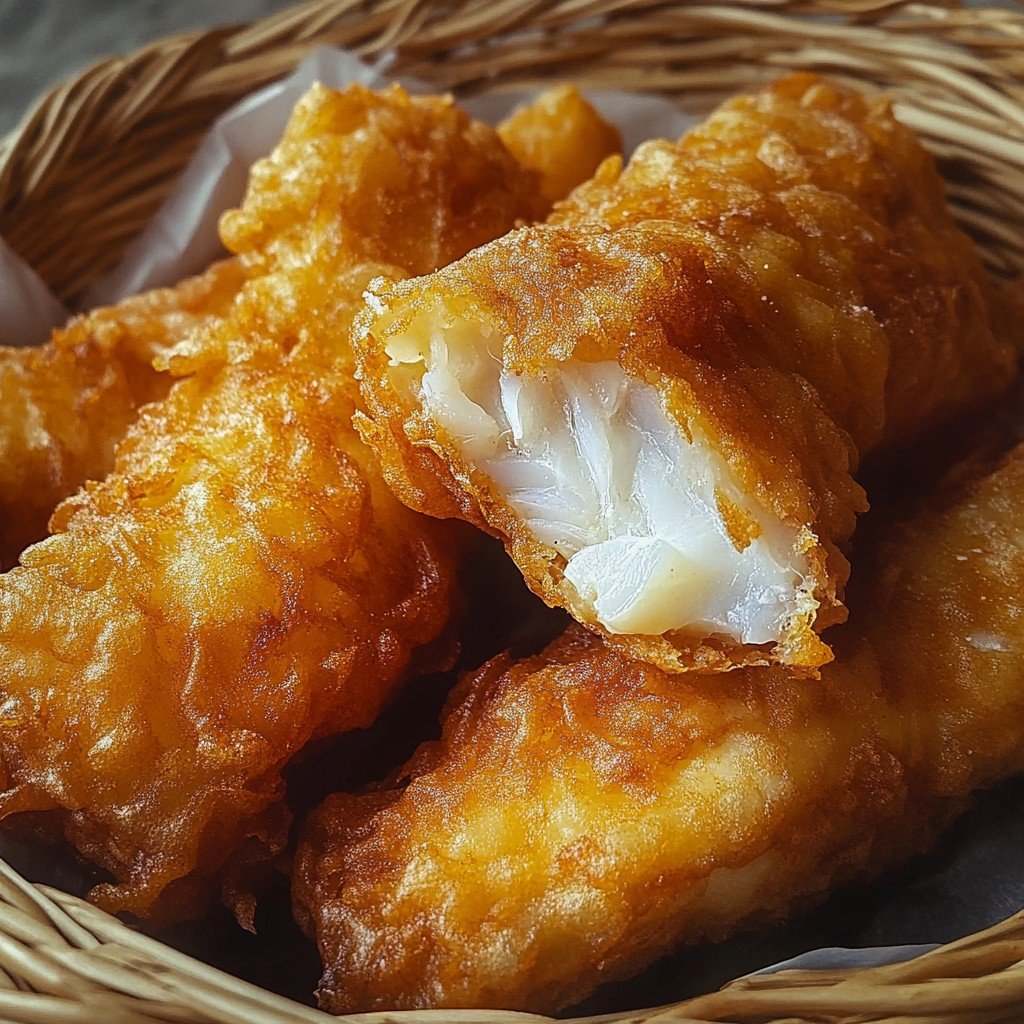
Presenting Crispy Battered Fried Fish in a way that celebrates its golden, crunchy glory makes every meal feel special. Serve the fish immediately after frying to ensure the batter remains crisp. Traditionally, battered fried fish is paired with thick-cut fries, forming the famous "fish and chips" combination.
Arrange the fillets on a warmed platter lined with parchment or food-safe paper for a pub-style presentation. Garnish with lemon wedges and a sprinkling of chopped parsley or dill for color and freshness. For sides, consider classic accompaniments such as tartar sauce, malt vinegar, tangy coleslaw, or mushy peas.
For a lighter twist, pair with a bright green salad dressed with lemon vinaigrette or a hearty grain salad to add texture and nutrients. Serving in newspaper cones or rustic baskets can add fun, nostalgic flair, especially for casual gatherings or picnics.
For a crowd, offer assorted dipping sauces—like spicy aioli, remoulade, or herbed yogurt dip—to appeal to a mix of palates. Always encourage guests to add a dash of freshly squeezed lemon right before eating, as the citrus enhances the flavor and aroma of the fried fish.
To elevate the meal, pair with fresh-baked rolls or buttermilk biscuits and a refreshing drink from the suggested pairings. No matter the occasion or style, presenting Crispy Battered Fried Fish with thoughtful sides and condiments guarantees a hearty, memorable dining experience.
Health Benefits
While fried foods are often seen as indulgent, enjoying Crispy Battered Fried Fish in moderation can be part of a healthy eating plan. White fish such as cod, haddock, or pollock are excellent sources of lean protein and provide all nine essential amino acids necessary for body repair and maintenance.
They are also rich in important micronutrients like vitamin B12, selenium, phosphorus, and omega-3 fatty acids, supporting nervous system health and reducing inflammation. By using fresh, high-quality ingredients, you can control the amount of added salt and unhealthy fats.
Opting for heart-healthy oils with high smoke points, like canola or sunflower oil, further minimizes the risk of introducing harmful trans fats. To lighten the meal, try oven-baking or air-frying the battered fish rather than deep-frying, which significantly reduces fat content.
Serving the fish with vitamin-rich salads or steamed vegetables balances the nutrients and aids digestion. When enjoyed alongside fiber-rich sides and as part of an overall diverse diet, this beloved comfort food delivers both satisfaction and health benefits.
Remember to balance portion sizes and frequency of fried meals for optimal well-being.
Frequently Asked Questions
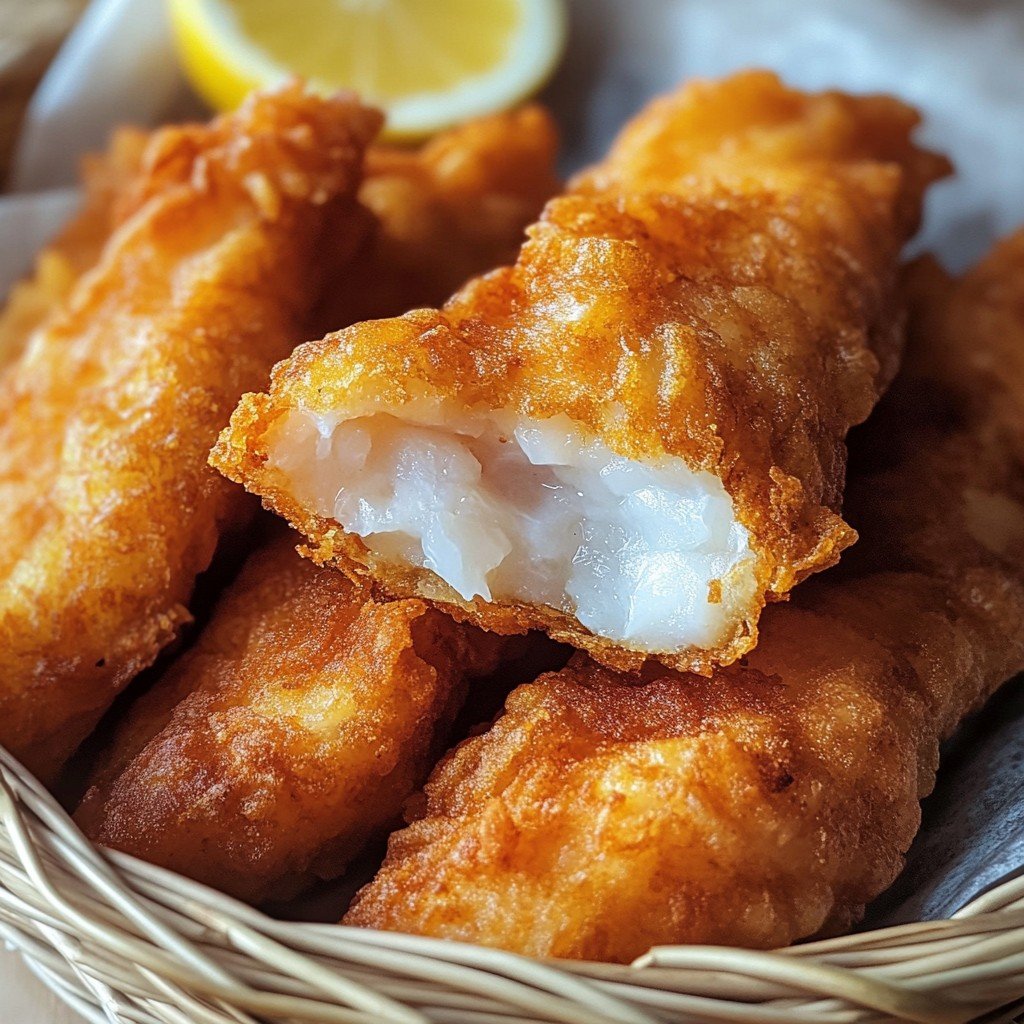
Traditional choices include cod, haddock, and pollock due to their mild flavor and firm texture. Any flaky, white fish such as tilapia, halibut, or catfish will also work well for this recipe.
It's best to prepare the batter just before frying. Cold, freshly mixed batter results in the crispest coating. If needed, you can combine the dry ingredients ahead of time and add the wet ingredients right before using.
Ensure the fish is very dry before dredging in flour and dipping into the batter. Also, avoid overcrowding the fry pan and handle the fillets gently with a slotted spoon or tongs while frying.
You can use a gluten-free all-purpose flour blend, rice flour, or a combination of chickpea flour and cornstarch for a gluten-free and crisp result.
Maintain proper oil temperature (350-365°F) during frying to prevent excess oil absorption. Allow the fried fish to drain on a wire rack or paper towels immediately after cooking to remove excess oil.
Mastering Crispy Battered Fried Fish at home brings both rewarding culinary skills and the satisfaction of serving a globally adored comfort dish. Whether prepared for a family dinner, festive gathering, or personal treat, this recipe combines an irresistibly crisp shell with the delicate texture of perfectly cooked fish. Attention to batter consistency, oil temperature, and suggested serving techniques ensures a meal that rivals your favorite seafood restaurant. The flexibility to adapt fish types, batter add-ins, and side dishes means this dish can be reinvented for different tastes and occasions. Serve it hot with your favorite accompaniments and a refreshing beverage for a memorable dining experience. With every golden-brown bite, relish the harmony of flavors and textures that make Crispy Battered Fried Fish a perennial favorite. Enjoy, savor, and share this time-honored tradition with friends and family.
Ingredients
- 4 white fish fillets (such as cod, haddock, or pollock, about 6 oz each)
- 1 1/2 cups all-purpose flour (plus extra for dredging)
- 1/2 cup corn flour or cornstarch
- 1 1/2 teaspoons baking powder
- 1 teaspoon kosher salt
- 1/2 teaspoon freshly ground black pepper
- 1/2 teaspoon paprika (optional, for color)
- 1 cup cold sparkling water or club soda
- 1 large egg
- 1 tablespoon vinegar or lemon juice
- Vegetable oil for deep frying (such as sunflower, canola, or peanut oil)
- Lemon wedges, for serving
- Fresh parsley or dill, for garnish (optional)
Instructions
-
1Pat the fish fillets dry with paper towels and season them lightly with salt and pepper. If the fillets are thick, consider cutting them into smaller pieces for quicker and more even cooking.
-
2Prepare the dredging flour by placing about 1/2 cup of all-purpose flour in a shallow dish. Dredge each fish fillet lightly in the flour, shaking off excess. This step helps the batter adhere better.
-
3In a large mixing bowl, combine 1 1/2 cups all-purpose flour, 1/2 cup corn flour or cornstarch, 1 1/2 teaspoons baking powder, 1 teaspoon kosher salt, 1/2 teaspoon black pepper, and paprika if using. Whisk to combine.
-
4In a separate small bowl, whisk together the cold sparkling water, egg, and vinegar or lemon juice until well mixed.
-
5Pour the wet mixture into the dry ingredients, stirring gently until just combined. The batter should be thick but pourable. Do not overmix; it’s okay if there are a few lumps.
-
6Heat vegetable oil in a deep fryer or large, heavy-bottomed pan to 350-365°F (175-185°C). There should be enough oil to fully submerge the fish fillets.
-
7Dip each floured fish fillet into the batter, allowing excess to drip off. Carefully lower the battered fillet into the hot oil. Fry in batches, avoiding overcrowding.
-
8Cook each fillet for 4-6 minutes, turning once, until the batter is golden and crisp and the fish is cooked through. The internal temperature of the fish should reach 145°F (63°C).
-
9Transfer the fried fish to a wire rack set over paper towels to drain and remain crisp while frying the remaining fillets.
-
10Serve immediately with lemon wedges and a scatter of fresh parsley or dill if desired. Enjoy piping hot, ideally with classic sides like fries or tartar sauce.
Approximate Information for One Serving
Nutrition Disclaimers
Number of total servings shown is approximate. Actual number of servings will depend on your preferred portion sizes.
Nutritional values shown are general guidelines and reflect information for 1 serving using the ingredients listed, not including any optional ingredients. Actual macros may vary slightly depending on specific brands and types of ingredients used.
To determine the weight of one serving, prepare the recipe as instructed. Weigh the finished recipe, then divide the weight of the finished recipe (not including the weight of the container the food is in) by the desired number of servings. Result will be the weight of one serving.
Did you make this recipe?
Please consider Pinning it!