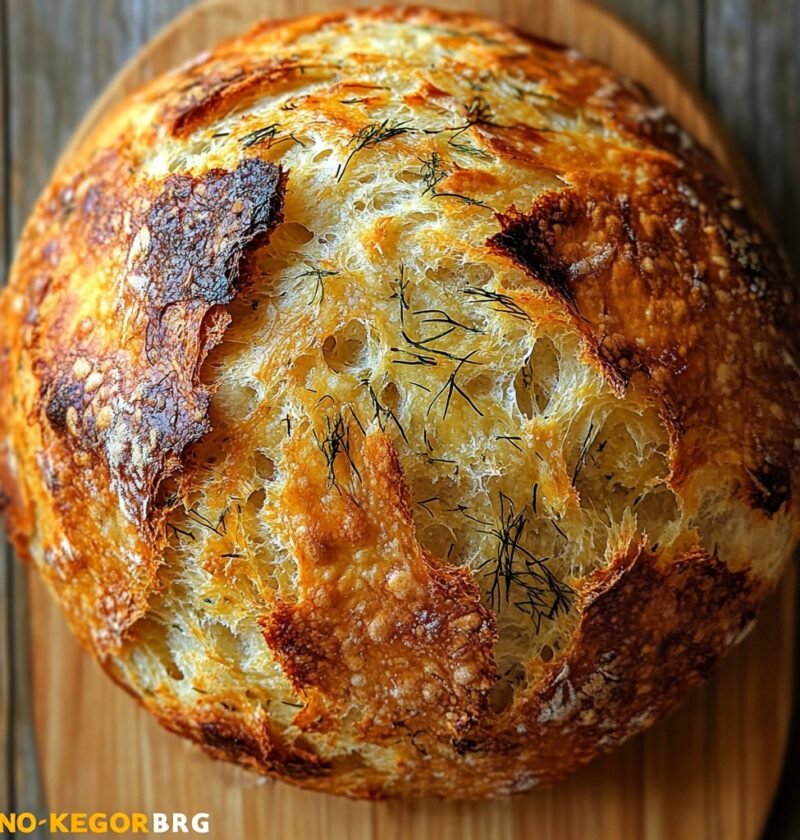
Dill Gouda Artisan Bread is a delightful fusion of robust flavors and rustic simplicity, perfect for bread enthusiasts and home bakers seeking something distinct. The key elements—fresh or dried dill and creamy, nutty Gouda cheese—combine to create a loaf that is both comforting and sophisticated.
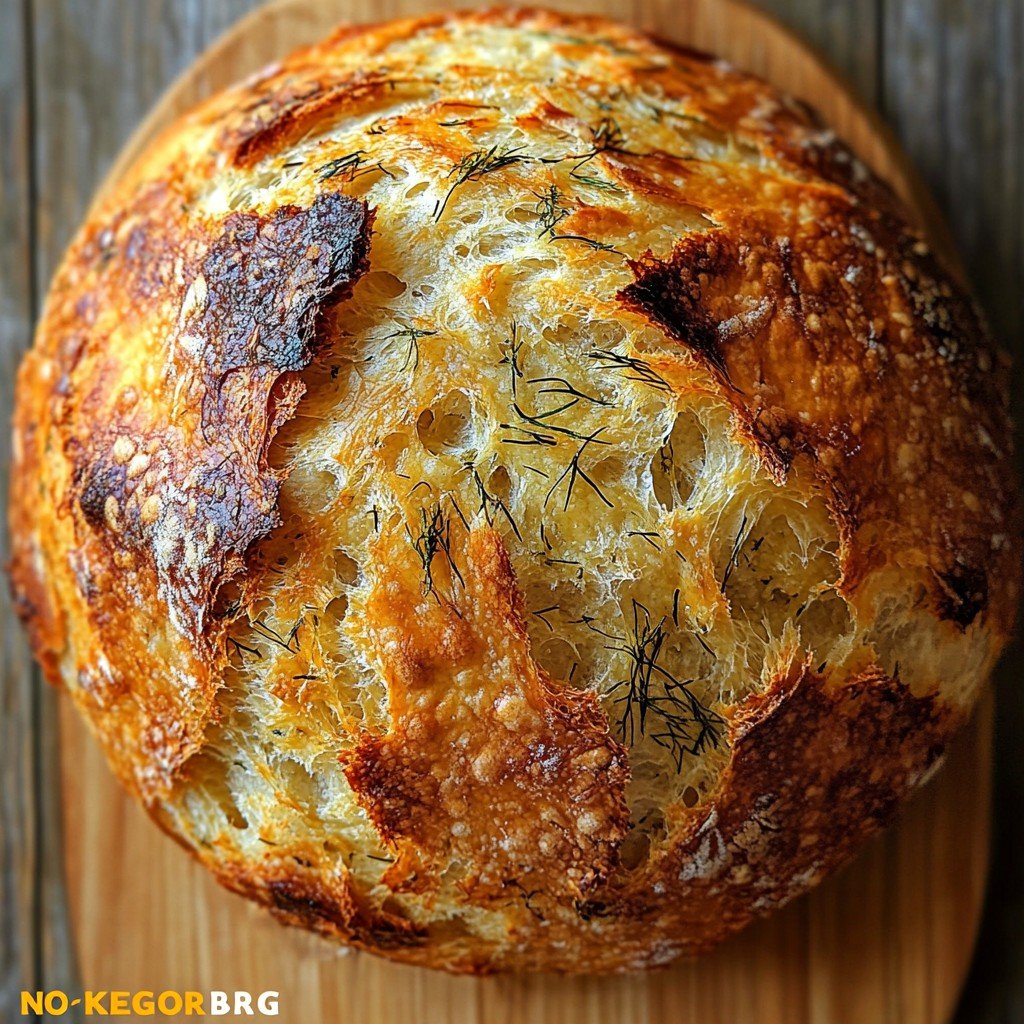
Artisan bread origins can be traced back to time-honored European baking traditions emphasizing long fermentation, minimal ingredients, and hand-crafted care. This approach yields a bread often hailed for its crisp crust, chewy crumb, and depth of flavor.
The addition of Gouda cheese pays homage to Dutch culinary heritage, known for its smooth, mellow taste and wonderful melting qualities.
Dill, with its aromatic and slightly tangy notes, has been valued for centuries in breadmaking and European cuisines, adding a burst of freshness that beautifully offsets the richness of the cheese.
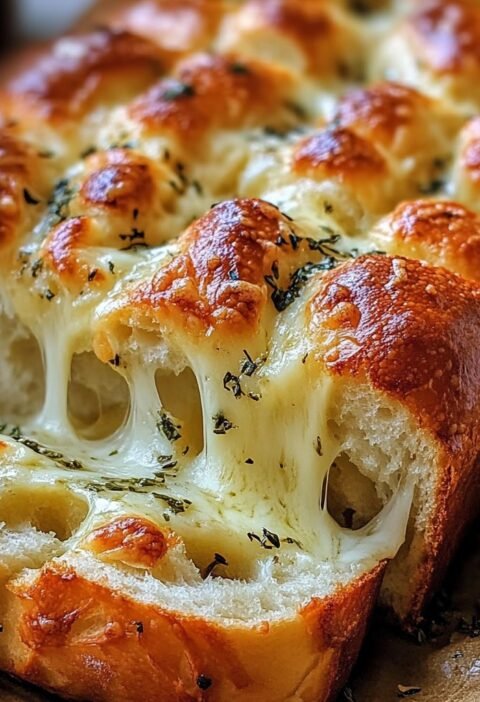
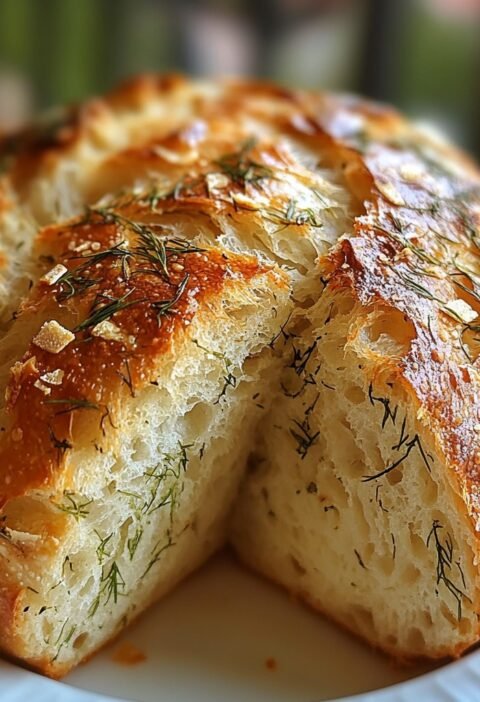
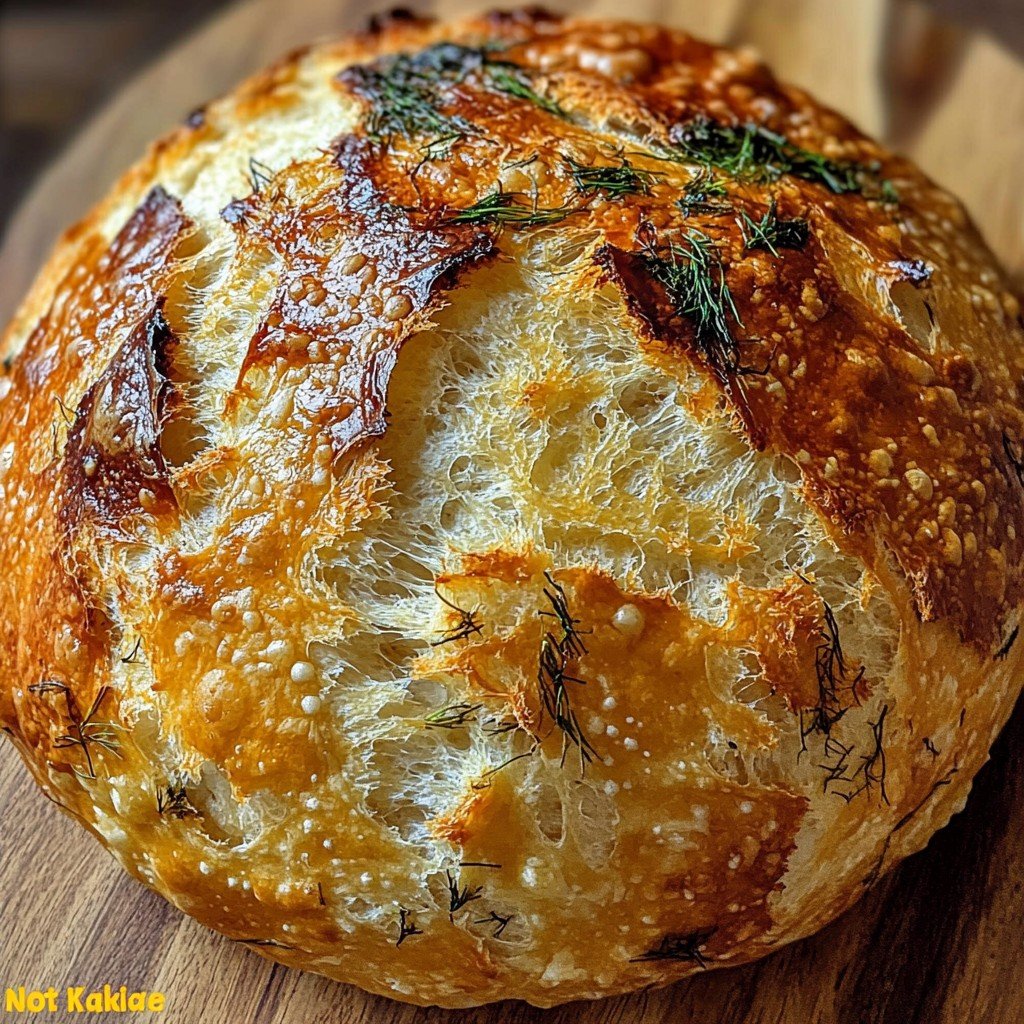
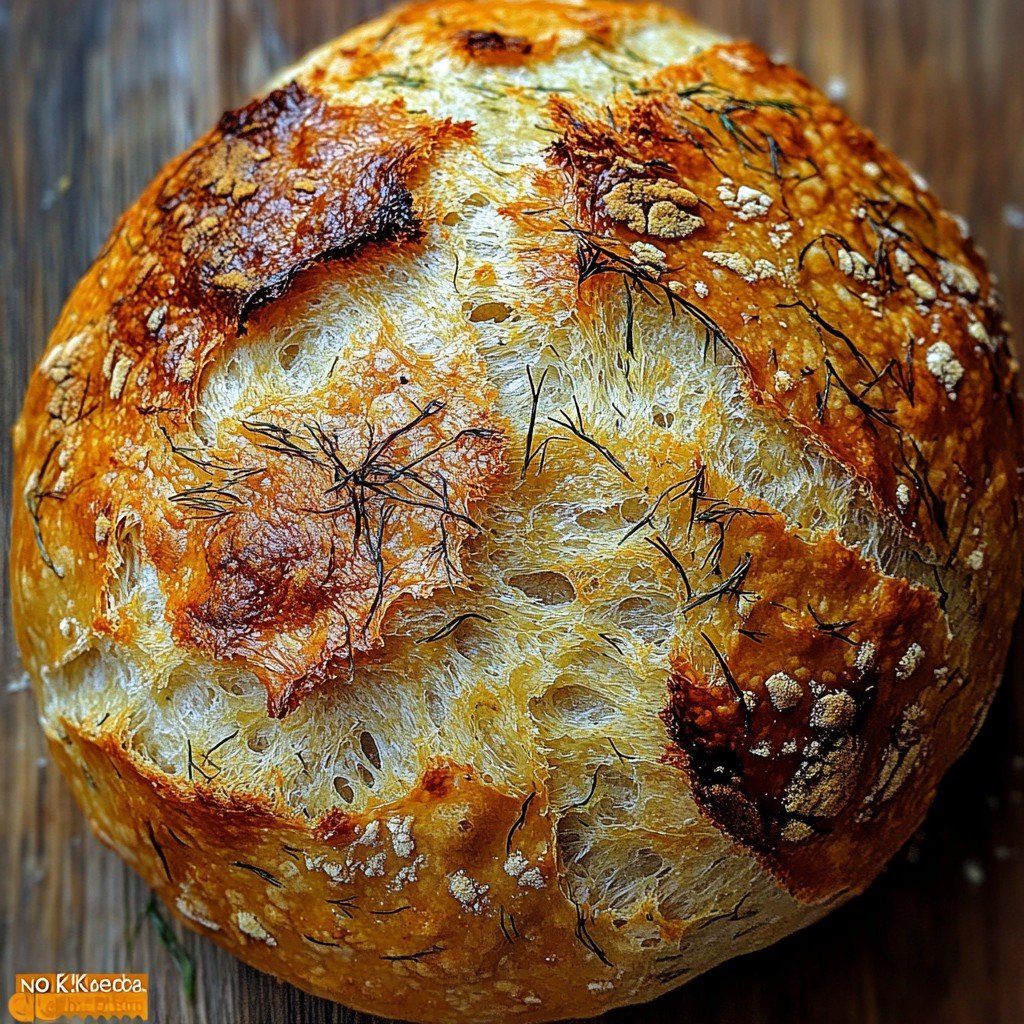
Today, Dill Gouda Artisan Bread is revered not only for its outstanding taste but also its impressive visual appeal—a golden, rustic loaf freckled with melted cheese and flecks of green dill.
Whether served alongside soups, transformed into gourmet sandwiches, or enjoyed with a pat of butter, this bread stands out as a centerpiece at any table.
With the growing popularity of baking at home, Dill Gouda Artisan Bread allows bakers to experience the joy of handmade bread while indulging in a harmonious blend of flavors.
When baked with care and quality ingredients, it’s a loaf that invites both admiration and enthusiastic second helpings, making it a staple for any home bread baker's repertoire.
Ingredients
- 3 1/4 cups (400g) bread flour, plus extra for dusting
- 1 3/4 teaspoons sea salt
- 1/2 teaspoon instant yeast
- 1 1/2 cups (360ml) lukewarm water
- 1 tablespoon olive oil
- 1 1/2 cups (180g) shredded Gouda cheese
- 2 tablespoons fresh dill, chopped (or 2 teaspoons dried dill)
- 1 tablespoon sugar
- Cornmeal or additional flour for dusting
Instructions
- In a large mixing bowl, combine bread flour, salt, instant yeast, and sugar. Mix to distribute the dry ingredients evenly.
- Pour in the lukewarm water and olive oil. Stir well with a wooden spoon or dough hook until all flour is incorporated and a shaggy dough forms.
- Add the shredded Gouda cheese and chopped dill. Fold into the dough until distributed evenly.
- Cover the bowl tightly with plastic wrap or a damp towel. Let the dough rise at room temperature for 12 to 16 hours, or until it has doubled in size and surface is dotted with bubbles.
- Lightly flour your work surface. Turn out the fermented dough onto the surface and gently shape into a round loaf. Do not knead—handle delicately to preserve air bubbles.
- Place the shaped dough onto a piece of parchment paper dusted with flour or cornmeal. If desired, sprinkle a bit more dill and cheese on top for extra flavor.
- Cover with a towel and let rise for 45 to 60 minutes, or until the dough holds a slight impression when poked.
- While the dough is rising, preheat your oven to 450°F (230°C). Place a Dutch oven or heavy lidded pot inside to heat thoroughly.
- When ready to bake, carefully lift the parchment with dough and transfer into the hot Dutch oven. Cover and bake for 30 minutes.
- Remove the lid and bake for an additional 15 to 25 minutes, or until the crust is deep golden brown and loaf sounds hollow when tapped.
- Carefully remove bread from the pot and cool on a wire rack for at least 1 hour before slicing to allow crumb to set and flavors to develop.
Nutritional Information
Dill Gouda Artisan Bread is not only delicious but also provides a range of nutrients that support a well-rounded diet. One typical slice (about 1/12th of a standard loaf) contains approximately 170-200 calories, making it a hearty yet reasonable choice for breakfast, lunch, or snack time.
Each serving offers around 7 grams of protein, owing to both the bread flour and generous Gouda cheese content. Dietary fiber is present in modest amounts (roughly 1.5-2 grams per slice), supporting digestive health and providing a slow release of energy.
The Gouda cheese contributes healthy fats, which enhance satiety and flavor, along with calcium for bone strength and vitamin B12 for nervous system health. Carbohydrate content is moderate, supplying vital energy without being excessive.
While sodium levels are higher due to the cheese and added salt (average 250-280mg per slice), it remains something most people can enjoy in moderation as part of a balanced meal plan.
The presence of dill offers antioxidants and small amounts of vitamins A and C, adding a nutrition boost and aiding in digestion.
For those interested in customizing the nutrition—substituting part of the white flour with whole wheat can add extra fiber and minerals, while lower-fat or reduced-sodium cheese options also work well.
Be mindful that the richness of this bread makes it quite filling, so a slice or two paired with fresh vegetables or a light salad can make a satisfying meal.
As always, nutritional values can vary based on ingredient brands and portion size, but overall, Dill Gouda Artisan Bread makes for a nutritious, wholesome addition to any table.
Wine and Beverage Pairings
Dill Gouda Artisan Bread pairs beautifully with a range of beverages thanks to its savory, slightly tangy profile. For wine lovers, consider a crisp, mineral-driven white such as Sauvignon Blanc or a dry Riesling—the acidity cuts through the richness of the cheese while complementing the herbal dill.
If you prefer red wine, opt for a light-bodied Pinot Noir, whose subtle earthiness echoes the bread’s rustic character without overwhelming its flavors. Beer fans will appreciate the balance that a Belgian-style witbier or pale ale brings—these beers offer refreshment and subtle spice, ideal with the creamy cheese and herbs.
For non-alcoholic options, an infused sparkling water with citrus or cucumber can enhance the dill, while a cold-brew herbal tea (like lemon or chamomile) offers a calming, palate-cleansing experience. Even traditional choices like buttermilk or kefir pair well, nodding to European traditions of bread and cultured dairy enjoyed together.
Cooking Tips and Variations
Perfecting your Dill Gouda Artisan Bread at home is as much about technique as it is ingredients. First, always use high-quality bread flour, as its higher protein content provides the structure needed for a chewy, airy crumb.
When it comes to yeast, a slow, overnight rise is key—this not only improves flavor and texture but also makes the dough easier to handle. If fresh dill is available, it imparts a brighter, more aromatic note, though dried dill can be used for convenience.
For the cheese, don't hesitate to experiment: while aged or smoked Gouda introduce deeper, more complex flavors, a young Gouda makes the loaf milder and creamier. Consider folding the cheese and herbs into the dough just after the initial mix to prevent them from clumping.
Some bakers like to add a touch of cracked black pepper or a sprinkle of Parmesan alongside the Gouda for extra zest. The baking vessel matters: a preheated Dutch oven traps steam, giving your loaf that signature crisp, blistered crust. No Dutch oven?
Try a cast-iron pan with a makeshift foil cover. To further customize your bread, add toasted seeds (like sunflower or pumpkin) for nutty crunch, or swirl in caramelized onions for sweetness.
Leftover slices can be revived in a toaster or griddle and make an excellent base for creative sandwiches, croutons, or gourmet grilled cheese. Finally, patience pays off—let your bread cool completely before slicing, as the interior continues to set and flavors intensify with time.
Serving Suggestions
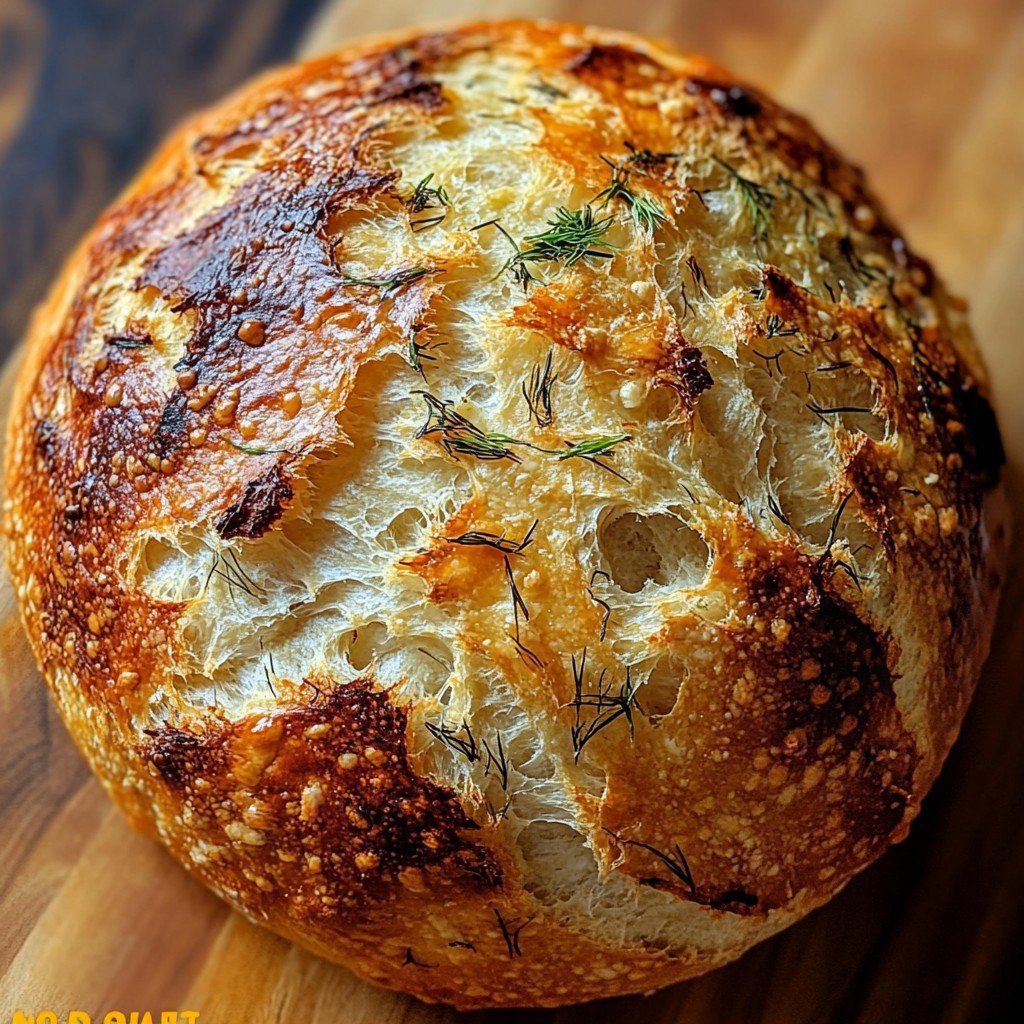
Serving Dill Gouda Artisan Bread is a celebration of rustic charm and inventive flavor. Start by placing the freshly baked loaf on a wooden cutting board or artisan bread tray, allowing its golden, crispy exterior and enticing aroma to take center stage as part of your table spread.
For breakfast, serve slices lightly toasted with a smear of creamy butter or herbed cream cheese. As a lunch option, this bread’s robust flavor stands up well to sandwiches—pile on roast turkey, crisp lettuce, thin-sliced tomatoes, and a touch more Gouda for a gourmet upgrade.
Dill Gouda Artisan Bread makes an enticing accompaniment to soups; try it with creamy tomato bisque, potato leek soup, or a chilled cucumber yogurt soup for a harmonious flavor match.
At a casual gathering, cut the loaf into thick cubes and offer it alongside a cheese board or as the foundation for savory bread puddings and tartines.
For a dinner party, brush slices with olive oil, grill until golden, and serve as crostini topped with smoked salmon, crème fraîche, and additional dill. Leftover bread can be used creatively as croutons for salads or diced and baked into hearty casseroles.
Remember to let the bread cool completely before slicing, ensuring clean cuts and well-defined cheese pockets. When entertaining, offer a small bowl of extra-virgin olive oil or an herby compound butter for dipping, amplifying the artisanal nature of the loaf.
No matter the meal or occasion, Dill Gouda Artisan Bread adds a touch of homemade elegance that enhances any culinary experience.
Health Benefits
Dill Gouda Artisan Bread, baked with wholesome ingredients, brings more than just exquisite taste to the table—it offers meaningful health benefits as part of a balanced diet. The bread flour provides essential carbohydrates and plant-based proteins that fuel daily energy needs.
Thanks to the inclusion of Gouda cheese, the bread supplies a source of high-quality protein, calcium, and vitamin B12, all vital for building strong bones, supporting muscle function, and promoting a healthy nervous system. The naturally occurring beneficial bacteria in aged cheese varieties also contribute to gut health.
Dill rounds out the nutritional picture, supplying antioxidants and phytochemicals like flavonoids that help counteract oxidative stress and inflammation. Its traditional use as a digestive aid means the herb can help soothe minor stomach upsets and support overall digestive wellness.
The extra-virgin olive oil offers monounsaturated fats, linked with heart health and lower cholesterol. While the bread does contain sodium—mainly from the cheese and added salt—light-handed seasoning or the use of reduced-sodium cheese can make it a fit for low-sodium needs.
For an additional nutritional boost, consider substituting half the white flour for whole wheat, which increases fiber, B-vitamins, and minerals.
All in all, when enjoyed as part of a diverse diet with lots of fresh produce, Dill Gouda Artisan Bread can support energy, bone health, and overall wellbeing without compromising on flavor.
Frequently Asked Questions
Yes, you can use other semi-hard cheeses like Edam, cheddar, or Swiss; each will bring its own unique flavor and melting qualities to the bread.
Absolutely. While fresh dill offers a more vibrant flavor, dried dill works well—just use about one-third of the amount since dried herbs are more concentrated.
A Dutch oven is ideal for creating a crisp crust, but you can use a heavy oven-safe pot with a tight-fitting lid or even bake on a stone tray with a pan of water for steam.
Stored at room temperature in a paper bag or bread box, the bread stays fresh for up to three days. For extended storage, slice and freeze individual pieces.
Yes, after the initial rise, you can refrigerate the shaped dough for up to 12 hours before baking. This can also enhance the bread’s flavor development.
Dill Gouda Artisan Bread is a testament to the magic that comes from combining simple ingredients with care and creativity in the kitchen. This recipe enables even novice bakers to yield a loaf that is stunning in appearance, tantalizing in flavor, and versatile enough for any meal throughout the day. Infused with fragrant dill, pockets of creamy Gouda, and a crisp, well-baked crust, each bite offers a harmonious blend of textures and tastes that elevate home-cooked meals and special gatherings alike. With its roots in Old World tradition and embrace of fresh herbs and artisan cheese, this bread is bound to become a favorite in your baking rotation. Enjoy the process of transforming basic pantry staples into a beautiful centerpiece that nourishes both body and soul, and feel free to adapt the bread to your tastes and dietary preferences. Whether enjoyed alone, as part of a meal, or shared with friends and family, Dill Gouda Artisan Bread is sure to leave a lasting impression.
Ingredients
- 3 1/4 cups (400g) bread flour, plus extra for dusting
- 1 3/4 teaspoons sea salt
- 1/2 teaspoon instant yeast
- 1 1/2 cups (360ml) lukewarm water
- 1 tablespoon olive oil
- 1 1/2 cups (180g) shredded Gouda cheese
- 2 tablespoons fresh dill, chopped (or 2 teaspoons dried dill)
- 1 tablespoon sugar
- Cornmeal or additional flour for dusting
Instructions
-
1In a large mixing bowl, combine bread flour, salt, instant yeast, and sugar. Mix to distribute the dry ingredients evenly.
-
2Pour in the lukewarm water and olive oil. Stir well with a wooden spoon or dough hook until all flour is incorporated and a shaggy dough forms.
-
3Add the shredded Gouda cheese and chopped dill. Fold into the dough until distributed evenly.
-
4Cover the bowl tightly with plastic wrap or a damp towel. Let the dough rise at room temperature for 12 to 16 hours, or until it has doubled in size and surface is dotted with bubbles.
-
5Lightly flour your work surface. Turn out the fermented dough onto the surface and gently shape into a round loaf. Do not knead—handle delicately to preserve air bubbles.
-
6Place the shaped dough onto a piece of parchment paper dusted with flour or cornmeal. If desired, sprinkle a bit more dill and cheese on top for extra flavor.
-
7Cover with a towel and let rise for 45 to 60 minutes, or until the dough holds a slight impression when poked.
-
8While the dough is rising, preheat your oven to 450°F (230°C). Place a Dutch oven or heavy lidded pot inside to heat thoroughly.
-
9When ready to bake, carefully lift the parchment with dough and transfer into the hot Dutch oven. Cover and bake for 30 minutes.
-
10Remove the lid and bake for an additional 15 to 25 minutes, or until the crust is deep golden brown and loaf sounds hollow when tapped.
-
11Carefully remove bread from the pot and cool on a wire rack for at least 1 hour before slicing to allow crumb to set and flavors to develop.
Approximate Information for One Serving
Nutrition Disclaimers
Number of total servings shown is approximate. Actual number of servings will depend on your preferred portion sizes.
Nutritional values shown are general guidelines and reflect information for 1 serving using the ingredients listed, not including any optional ingredients. Actual macros may vary slightly depending on specific brands and types of ingredients used.
To determine the weight of one serving, prepare the recipe as instructed. Weigh the finished recipe, then divide the weight of the finished recipe (not including the weight of the container the food is in) by the desired number of servings. Result will be the weight of one serving.
Did you make this recipe?
Please consider Pinning it!