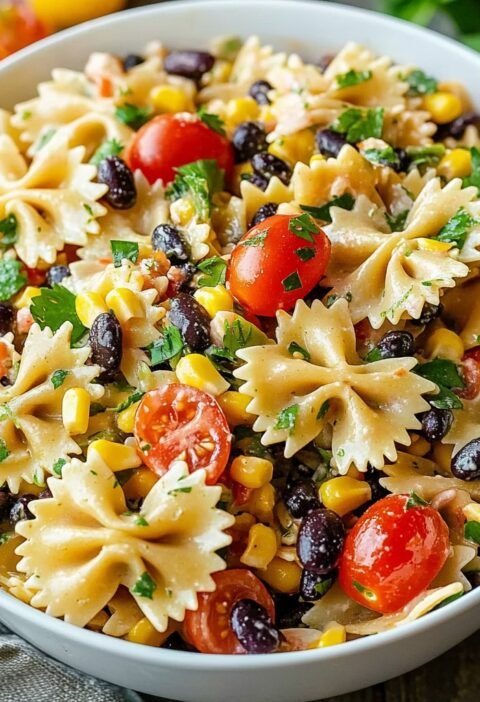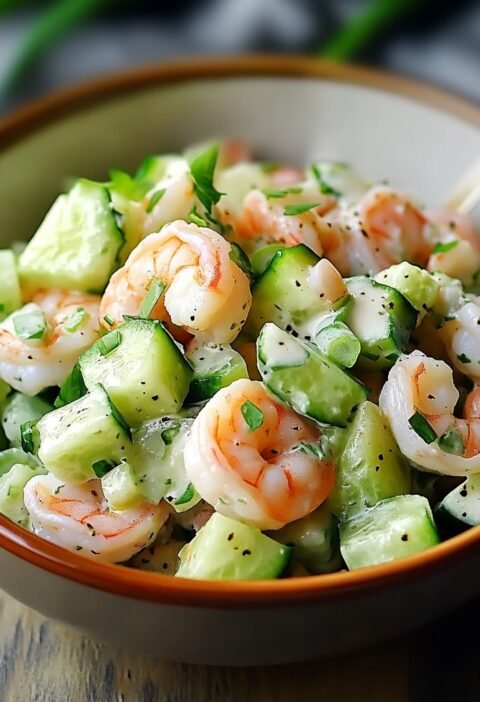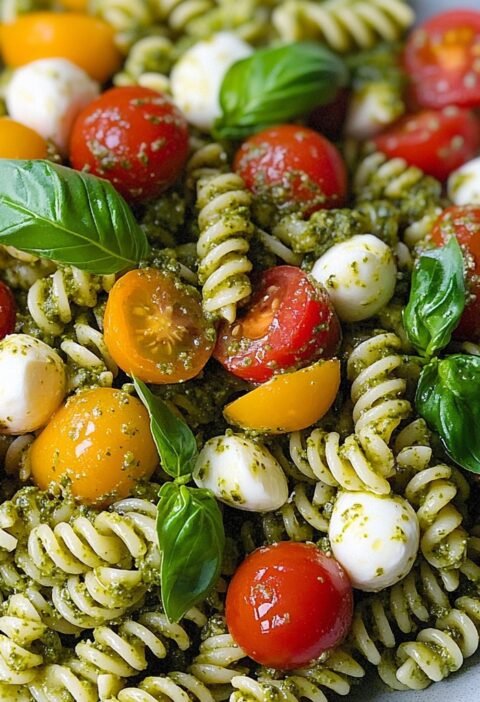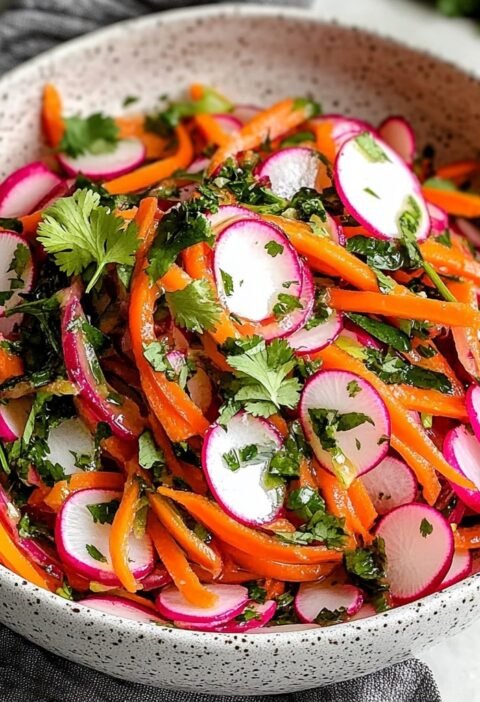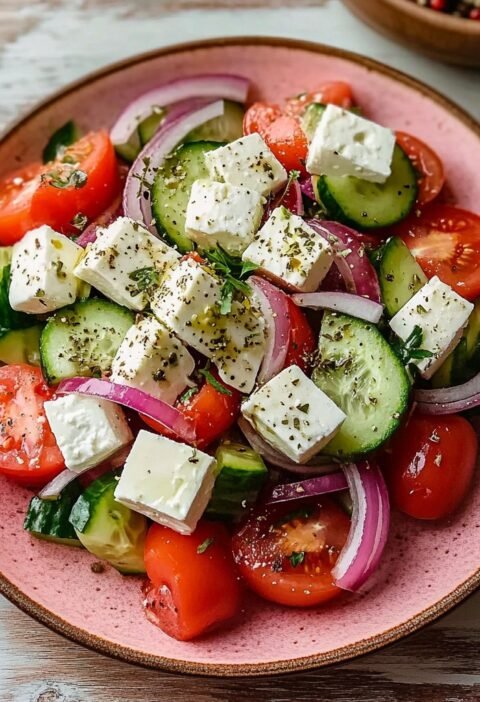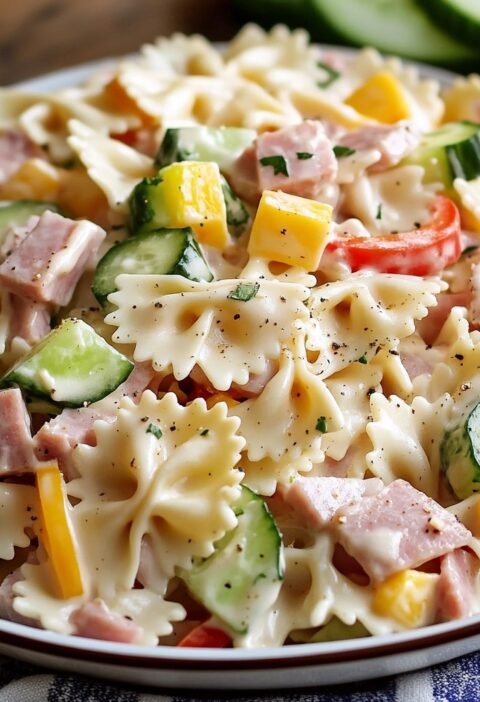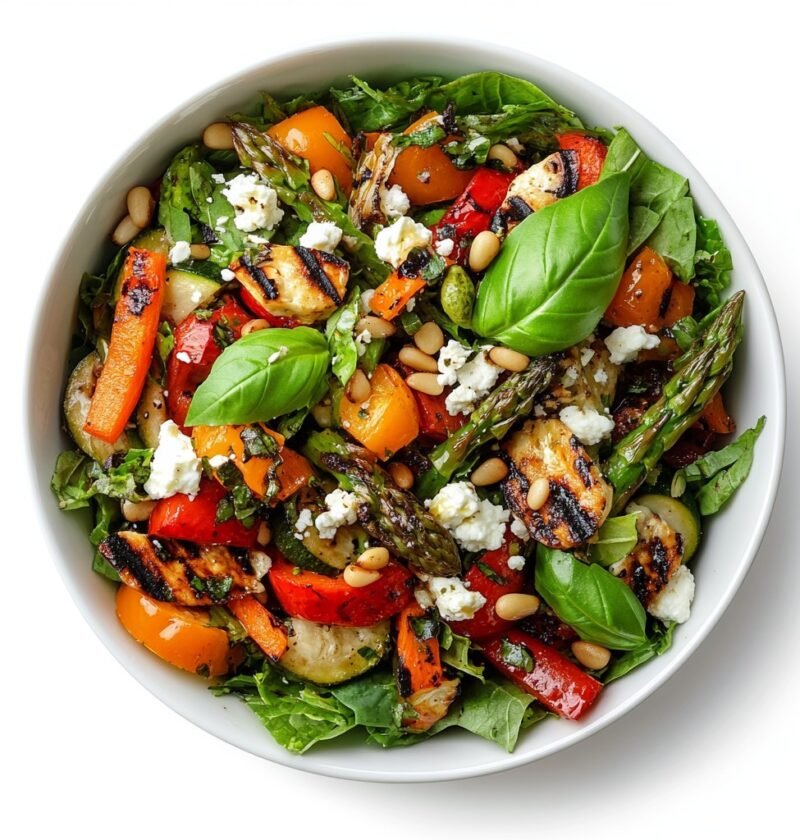
Fresh Spring Salad Recipes celebrate the beauty and bounty of the season with colorful, crisp, and nutrient-rich ingredients. As the cold of winter gives way to blossoming trees and warmer temperatures, markets abound with young lettuces, tender herbs, snap peas, radishes, and an array of seasonal fruits.
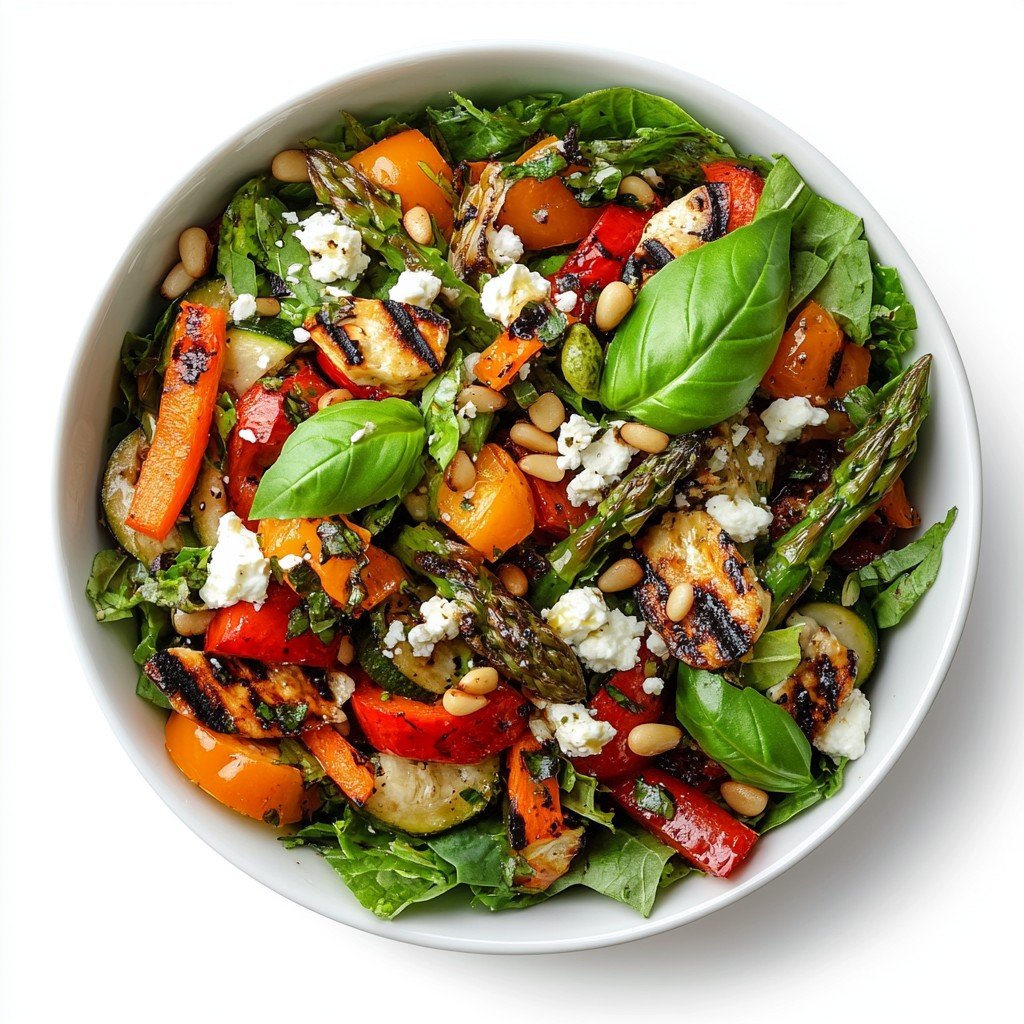
Salads become a staple, drawing on what's freshest and most vibrant. Historically, salads have been a significant part of many global cuisines, dating back to ancient Rome where greens were mixed with onions and herbs, then tossed with briny dressings.
Over the centuries, the meaning of 'salad' has expanded, now encompassing an almost endless variety of textures and flavors, all designed to showcase the freshness of produce. With modern healthy eating philosophies emphasizing plant-forward diets, spring salads have taken on new importance.
Not only do fresh spring salad recipes provide the foundation for light and satisfying meals, but they are also quick to assemble, customizable, and an ideal way to highlight what’s in season.
Whether you’re seeking a refreshing lunch, a side for dinner, or a stunning potluck dish, these recipes will inspire you to embrace the vibrant flavors and nutritional benefits of spring. Get ready to transform your meals with creative combinations and wholesome ingredients that capture the essence of the season.
Ingredients
- 4 cups mixed spring greens (arugula, baby spinach, butter lettuce)
- 1 cup snap peas, sliced
- 1 cup radishes, thinly sliced
- 1 cup strawberries, hulled and sliced
- 1/2 cup crumbled goat cheese or feta
- 1/4 cup toasted walnuts or pecans
- 1 avocado, sliced
- 1/4 cup fresh mint leaves
- 1/2 small red onion, thinly sliced
- 1/4 cup extra virgin olive oil
- 2 tablespoons fresh lemon juice
- 1 tablespoon honey or maple syrup
- 1 teaspoon Dijon mustard
- Salt and freshly ground black pepper, to taste
Instructions
- Rinse and thoroughly dry all fresh produce before assembling your salad.
- Prepare the salad base by placing the mixed spring greens in a large bowl.
- Add the snap peas, radishes, strawberries, avocado, and red onion to the greens.
- Gently toss in the crumbled goat cheese or feta and sprinkle with toasted nuts.
- Scatter the fresh mint leaves over the salad for a bright aromatic note.
- In a small bowl, whisk together olive oil, lemon juice, honey (or maple syrup), Dijon mustard, salt, and pepper until emulsified.
- Drizzle the dressing over the salad just before serving, tossing gently to coat all the ingredients evenly.
- Taste and adjust seasoning as needed, adding more salt, pepper, or lemon juice to suit your preference.
- Serve immediately on chilled plates to keep the salad crisp and refreshing.
Nutritional Information
Fresh Spring Salad Recipes offer an impressive nutritional profile, packed with vitamins, minerals, fiber, and antioxidants that support overall health. Mixed spring greens provide vitamin K, vitamin A, and folate, crucial for proper cell function and immune support.
Snap peas and radishes add crunch and deliver vitamin C, fiber, and other phytonutrients that contribute to healthy digestion and improved immunity. Strawberries offer a burst of antioxidants, including vitamin C and manganese, enhancing skin health and fighting oxidative stress.
Goat cheese or feta introduces a source of protein and calcium, while avocado supplies heart-healthy monounsaturated fats and additional fiber. Toasted walnuts or pecans not only give a delightful crunch but also add beneficial Omega-3 fatty acids and vitamin E, supporting brain and cardiovascular health.
The homemade dressing, using extra virgin olive oil and fresh lemon juice, reduces sodium, avoids preservatives, and boosts the salad with healthy fats and vitamin C.
One generous serving (about 2 cups) of this Fresh Spring Salad contains approximately 250-300 calories, 8g protein, 18g fat (mainly heart-healthy unsaturated fats), 25g carbohydrates, and 6g dietary fiber, depending on your chosen cheese and nut options.
This salad is low in saturated fat, cholesterol-free, and loaded with nutrients, making it not only a delightful springtime meal but a nourishing one as well.
Wine and Beverage Pairings
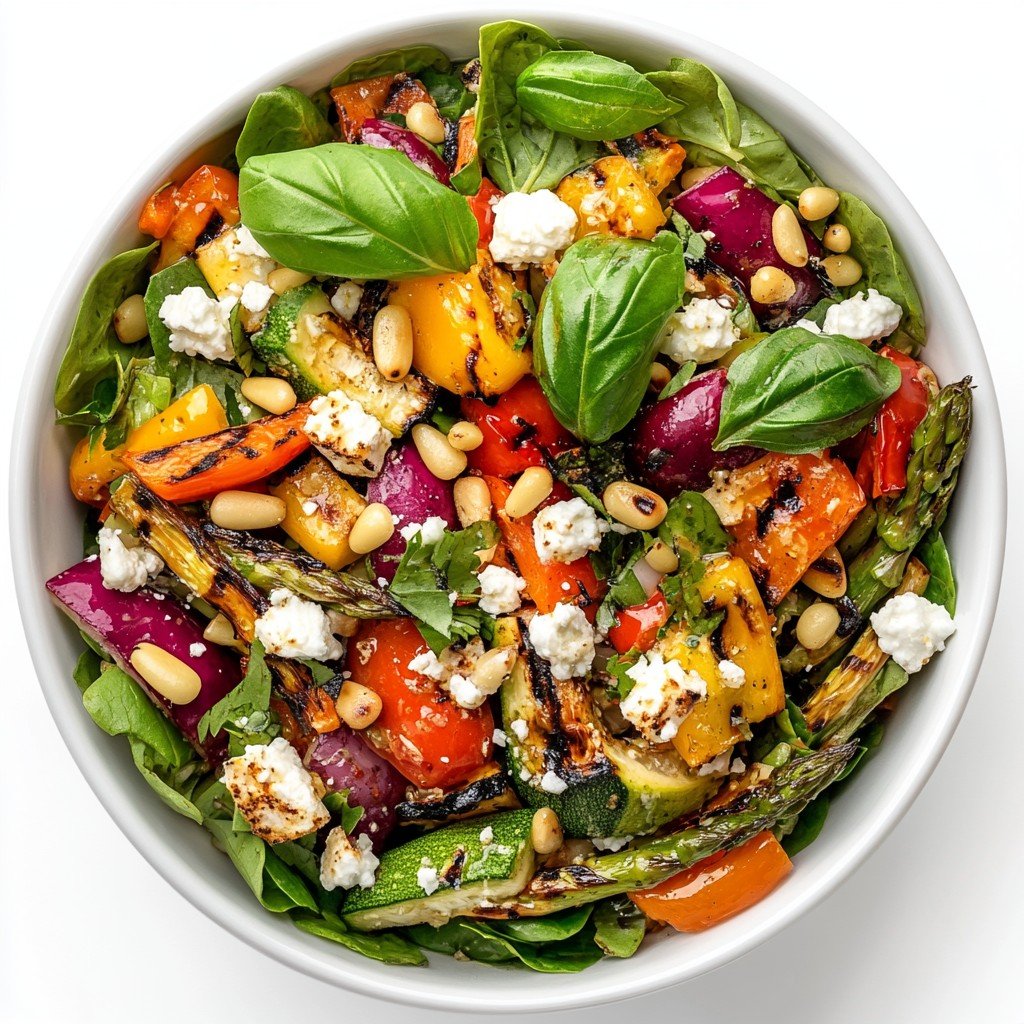
Fresh Spring Salad Recipes are wonderfully complemented by crisp, refreshing beverages that echo the light, vibrant flavors of the season. A chilled glass of Sauvignon Blanc or Pinot Grigio works beautifully, as their acidity and citrus notes pair well with leafy greens, goat cheese, and fresh herbs.
For those who prefer non-alcoholic options, a sparkling elderflower lemonade or homemade iced herbal tea, such as mint or chamomile, enhances the freshness of the salad. Rosé wines also pair well, especially when the salad includes berries or avocado.
If you enjoy craft beer, look for wheat beers (hefeweizen) with subtle citrus undertones. Match your beverage of choice to the specific flavors in your version of the salad, but keep things light, crisp, and not overly sweet to let the salad’s natural flavors shine.
Cooking Tips and Variations
Crafting the perfect Fresh Spring Salad Recipes at home is easy when you start with great ingredients and a few strategic tips. Always use the freshest produce available, and feel free to swap out vegetables or fruits based on what’s in season or your personal preferences.
Try adding sliced asparagus, baby carrots, or thinly shaved fennel for different flavor notes and textures. If strawberries are unavailable, substitute with other spring fruits like blueberries, orange segments, or diced apple.
For a vegan twist, omit the cheese or use a dairy-free alternative and sweeten the dressing with maple syrup instead of honey. Nuts can also be customized: pecans, almonds, or pistachios each add unique flavors. Add protein by tossing in grilled chicken, chickpeas, or tofu for a more substantial meal.
When toasting nuts, keep a close eye on them, stirring frequently to prevent burning—they toast quickly! To store leftovers, keep the dressing separate to avoid soggy greens.
If making ahead for a picnic or gathering, assemble the salad except for the avocado and cheese, which are best added just before serving. Play with herbs like basil, dill, or parsley for more herbal complexity.
With these variations and preparation tips, you can make Fresh Spring Salad Recipes to suit every taste, occasion, and dietary requirement.
Serving Suggestions
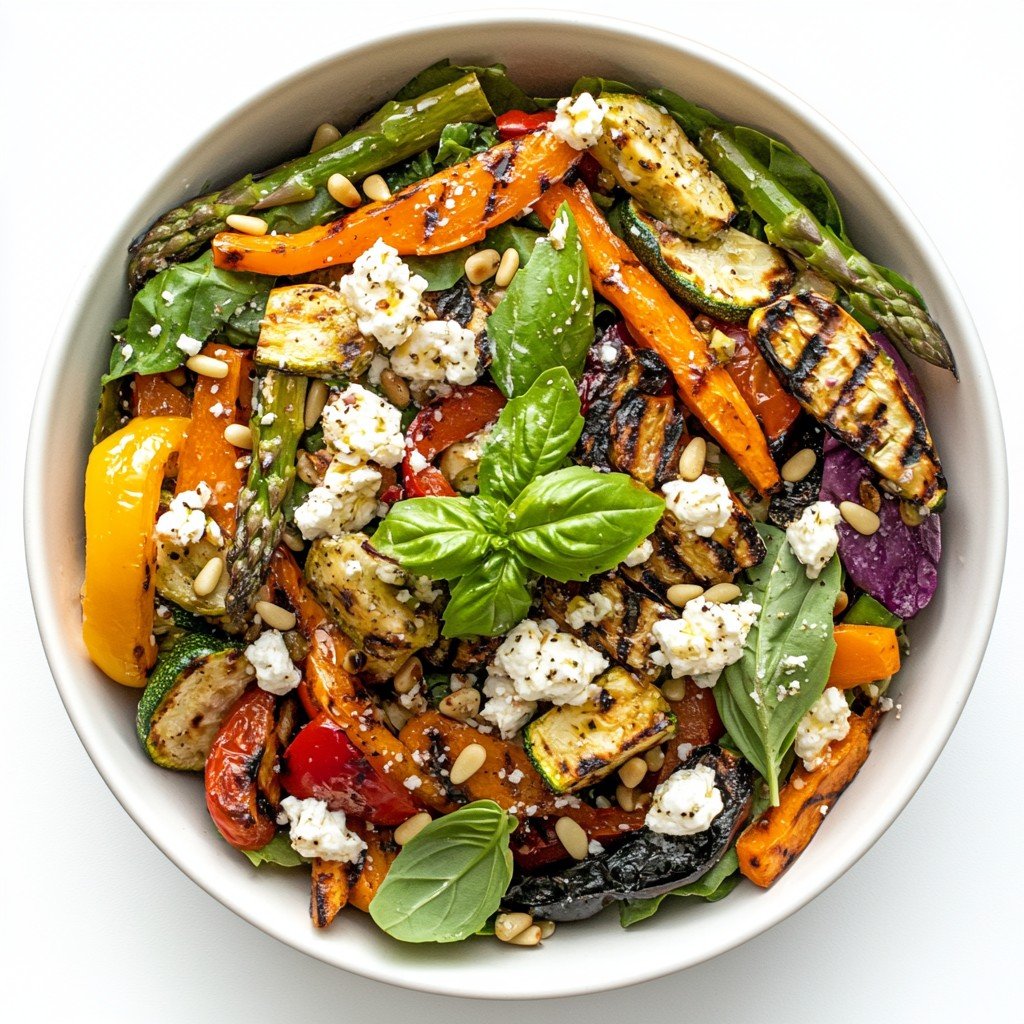
Fresh Spring Salad Recipes are ideal for a variety of occasions, from quick weekday lunches to impressive dinner party starters. To serve, pile your salad high on chilled plates or rustic platters, allowing the vibrant colors and textures to entice your guests.
For family meals, offer the salad family-style in a large salad bowl, with extra dressing on the side to satisfy different preferences. Pair with fresh, crusty bread or whole grain crackers for added substance.
If serving as a starter, consider mini terrine glasses or small bowls for a colorful first course. For picnics or potlucks, layer the salad ingredients in mason jars, keeping the dressing at the bottom and greens at the top—just shake when ready to serve.
You can also transform Fresh Spring Salad Recipes into a main course by adding grilled chicken, salmon, or chickpeas for extra protein. Top with edible flowers like nasturtiums or violets for a beautiful springtime display. Whenever possible, serve the salad freshly tossed to maintain optimum crunch and flavor.
Garnish with extra fresh herbs and a final drizzle of good olive oil just before enjoying.
Health Benefits
One of the primary draws of Fresh Spring Salad Recipes lies in their substantial health benefits. These salads feature an abundance of leafy greens, which are known for supporting heart health, healthy vision, and strong bones thanks to their high vitamin K and lutein content.
Snap peas and radishes provide not only crunch but also an ample dose of fiber, which promotes a healthy digestive system and keeps you feeling satisfied longer. Strawberries add disease-fighting antioxidants that help boost your immune system and may reduce the risk of chronic diseases.
Avocado’s monounsaturated fats foster heart health and support healthy cholesterol levels, while nuts like walnuts deliver Omega-3s that benefit both the heart and the brain. The natural sugars in fruits, balanced by the fiber-rich greens, create a moderate glycemic index, making the salad suitable even for those monitoring blood sugar.
Using a homemade dressing ensures control over added sugars and sodium, making these recipes an ideal choice for a wholesome meal.
Whether you’re interested in weight management, boosting energy, or simply flooding your body with beneficial nutrients, Fresh Spring Salad Recipes deliver essential vitamins, minerals, and antioxidants in every colorful serving.
Frequently Asked Questions
Yes, you can prepare ingredients in advance and store them separately in airtight containers in the refrigerator. Assemble and dress the salad right before serving to ensure the greens stay crisp and fresh.
Grilled chicken, salmon, shrimp, tofu, or chickpeas are excellent options for boosting protein content. Simply add your choice to the salad just before serving.
Slice and add avocado just before serving. Tossing avocado pieces gently in lemon juice can also help slow oxidation and keep them looking fresh longer.
Absolutely. Omit cheese or use a vegan alternative, and use maple syrup instead of honey in the dressing for a plant-based version.
Yes, feel free to customize the salad with your favorite nuts (such as almonds or pistachios) and cheeses (like blue cheese or dairy-free options) to suit your taste and dietary needs.
Fresh Spring Salad Recipes are a true reflection of the season’s abundance—crisp, colorful, and bursting with lively flavors. Whether you’re looking for a healthy lunch, a stunning dinner appetizer, or a versatile dish to bring to gatherings, these salads offer a wealth of possibilities. By taking advantage of peak-season produce and homemade dressings, you’ll enjoy both superior taste and nutrition. The flexibility in ingredients and simple preparation allow you to personalize each salad to your exact preferences, ensuring every bite is not only fresh but also tailored to your dietary needs. Celebrate the best of spring by incorporating these beautiful dishes into your mealtime routine, and you’ll discover that fresh, wholesome eating never tasted so good.
Ingredients
- 4 cups mixed spring greens (arugula, baby spinach, butter lettuce)
- 1 cup snap peas, sliced
- 1 cup radishes, thinly sliced
- 1 cup strawberries, hulled and sliced
- 1/2 cup crumbled goat cheese or feta
- 1/4 cup toasted walnuts or pecans
- 1 avocado, sliced
- 1/4 cup fresh mint leaves
- 1/2 small red onion, thinly sliced
- 1/4 cup extra virgin olive oil
- 2 tablespoons fresh lemon juice
- 1 tablespoon honey or maple syrup
- 1 teaspoon Dijon mustard
- Salt and freshly ground black pepper, to taste
Instructions
-
1Rinse and thoroughly dry all fresh produce before assembling your salad.
-
2Prepare the salad base by placing the mixed spring greens in a large bowl.
-
3Add the snap peas, radishes, strawberries, avocado, and red onion to the greens.
-
4Gently toss in the crumbled goat cheese or feta and sprinkle with toasted nuts.
-
5Scatter the fresh mint leaves over the salad for a bright aromatic note.
-
6In a small bowl, whisk together olive oil, lemon juice, honey (or maple syrup), Dijon mustard, salt, and pepper until emulsified.
-
7Drizzle the dressing over the salad just before serving, tossing gently to coat all the ingredients evenly.
-
8Taste and adjust seasoning as needed, adding more salt, pepper, or lemon juice to suit your preference.
-
9Serve immediately on chilled plates to keep the salad crisp and refreshing.
Approximate Information for One Serving
Nutrition Disclaimers
Number of total servings shown is approximate. Actual number of servings will depend on your preferred portion sizes.
Nutritional values shown are general guidelines and reflect information for 1 serving using the ingredients listed, not including any optional ingredients. Actual macros may vary slightly depending on specific brands and types of ingredients used.
To determine the weight of one serving, prepare the recipe as instructed. Weigh the finished recipe, then divide the weight of the finished recipe (not including the weight of the container the food is in) by the desired number of servings. Result will be the weight of one serving.
Did you make this recipe?
Please consider Pinning it!