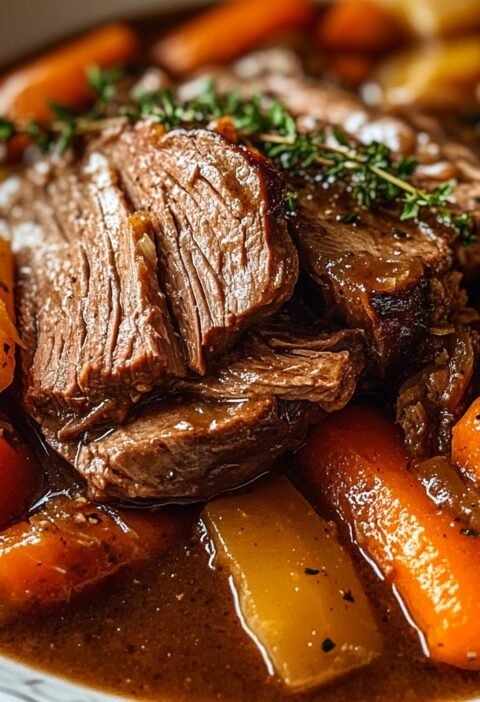
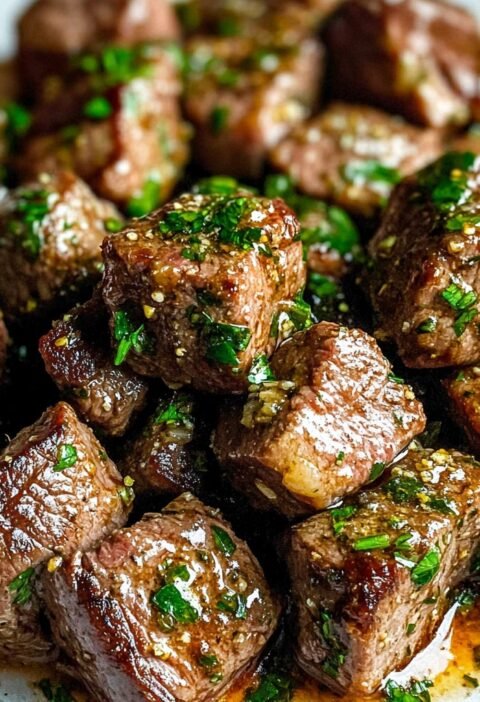
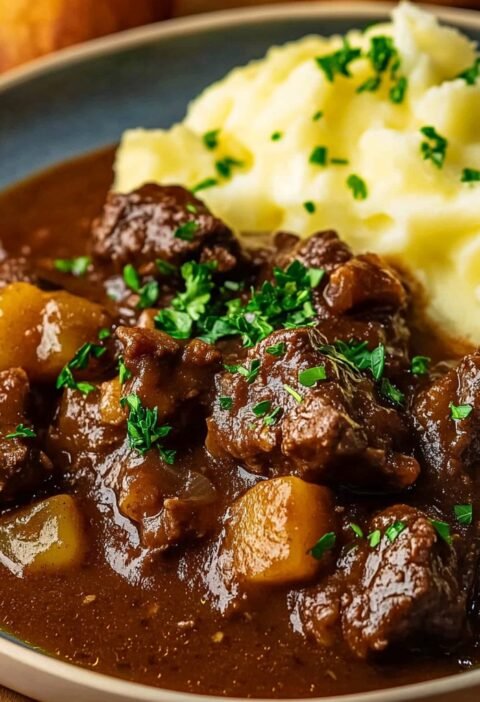
German Beef Sauerbraten is a celebrated dish in traditional German cuisine, esteemed for its distinctive tangy flavor and succulent, fork-tender texture.
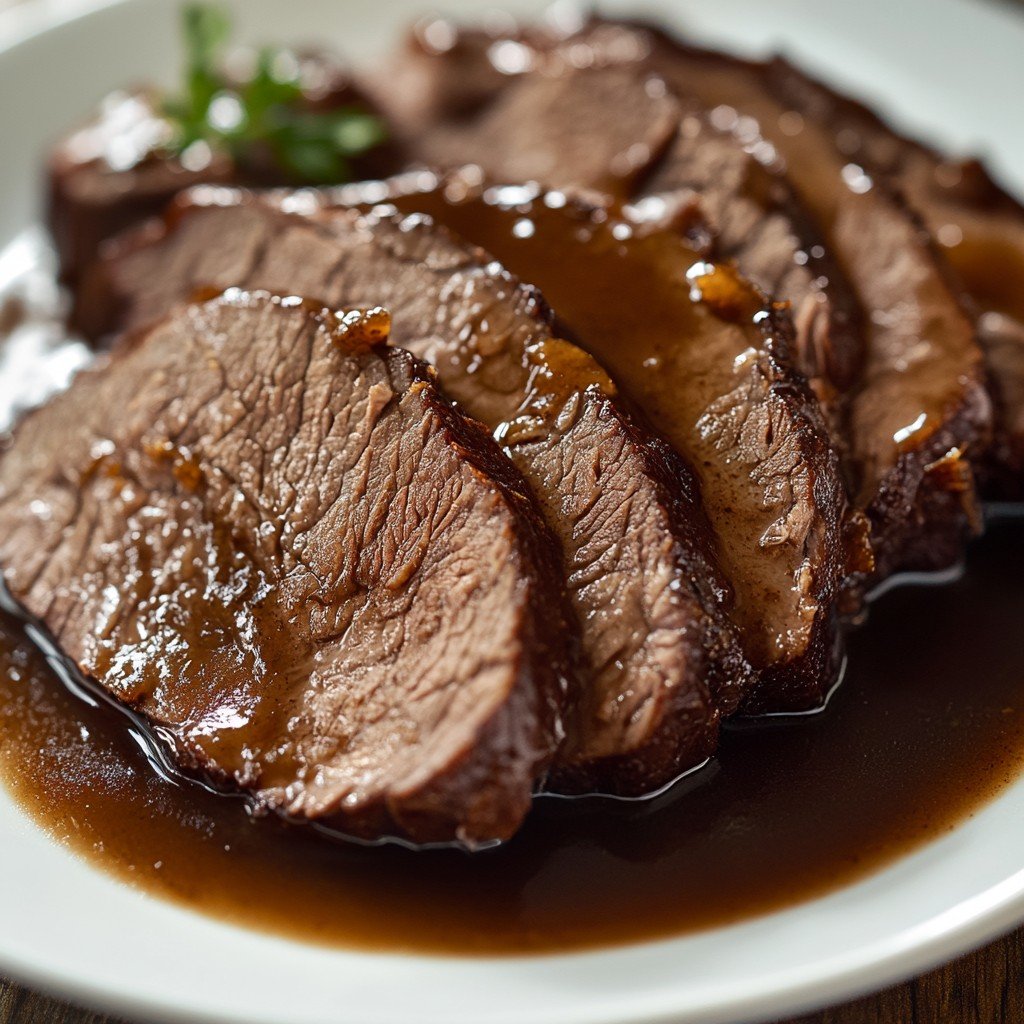
Renowned as Germany’s national dish, Sauerbraten literally translates to “sour roast,” a nod to its signature preparation — marinating a robust cut of beef in a pickling solution of vinegar, wine, spices, and aromatics for several days before slow roasting.
This time-honored technique doesn’t just tenderize the meat; it infuses it with layers of complex, piquant flavor that set it apart from other roasts. Sauerkraut, potato dumplings, and red cabbage frequently share the plate, turning German Beef Sauerbraten into a comforting feast perfect for gatherings and family dinners.
Originating in the Rhineland region and evolving throughout the centuries, Sauerbraten was historically prepared to preserve meat before refrigeration was common. Its popularity spread across German-speaking regions, each adding their local spin, especially on the marinade blend and serving sides.
The recipe is revered during holidays and celebrations and has found its way into German restaurants and households worldwide. Today, German Beef Sauerbraten remains a culinary symbol of warmth, hospitality, and German heritage.
Mastering Sauerbraten means delving into the very heart of classic German cooking — a journey marked by deep flavors, aromatic spices, and reverence for tradition. If you are eager to recreate this renowned dish in your own kitchen, read on for an easy-to-follow, step-by-step guide.
Ingredients
- 3 to 4 pounds (1.3-1.8 kg) beef roast (rump roast or top round preferred)
- 2 cups (480 ml) red wine vinegar
- 1 cup (240 ml) dry red wine
- 1 cup (240 ml) beef broth
- 2 medium onions, sliced
- 2 medium carrots, peeled and sliced
- 1 leek, cleaned and chopped
- 2 cloves garlic, smashed
- 10 whole black peppercorns
- 6 whole juniper berries (optional)
- 4 whole cloves
- 2 bay leaves
- 1 tablespoon mustard seeds
- 1 tablespoon sugar
- 1 teaspoon salt
- 1/2 teaspoon ground black pepper
- 2 tablespoons raisins
- 2 tablespoons vegetable oil
- 2-3 ginger snap cookies, crumbled (for thickening the gravy)
- Salt and pepper to taste
Instructions
- Begin by preparing the marinade. In a large saucepan, combine red wine vinegar, red wine, beef broth, onions, carrots, leek, garlic, peppercorns, juniper berries, cloves, bay leaves, mustard seeds, sugar, salt, and black pepper. Bring the mixture to a boil, then reduce heat and simmer for 10 minutes. Allow the marinade to cool completely.
- Place the beef roast in a large, non-reactive container or sealable plastic bag. Pour the cooled marinade over the meat, ensuring it is fully submerged. Cover and refrigerate for at least 3 days, turning the meat daily so it marinates evenly.
- After marinating, remove the beef from the marinade and pat dry with paper towels. Strain the marinade, reserving both the liquid and the vegetables, and set aside.
- In a large Dutch oven or heavy-bottomed pot, heat the vegetable oil over medium-high heat. Sear the beef on all sides until it is well-browned, about 3-4 minutes per side.
- Remove the browned roast and set it aside. Add the reserved marinade vegetables to the pot and cook, stirring, for 5-7 minutes until they begin to soften and caramelize.
- Return the beef to the pot. Pour in the reserved marinade liquid, add raisins, and bring to a simmer. Cover and cook in a preheated oven at 325°F (163°C) for 2.5 to 3 hours, or until the beef is very tender.
- Once the roast is done, remove it from the pot and keep warm. Strain the cooking liquid into a saucepan, discarding the solids. Bring the liquid to a gentle boil.
- To finish the gravy, crumble in the ginger snap cookies and whisk until dissolved. Simmer the sauce until slightly thickened. Adjust seasoning with salt and pepper to taste.
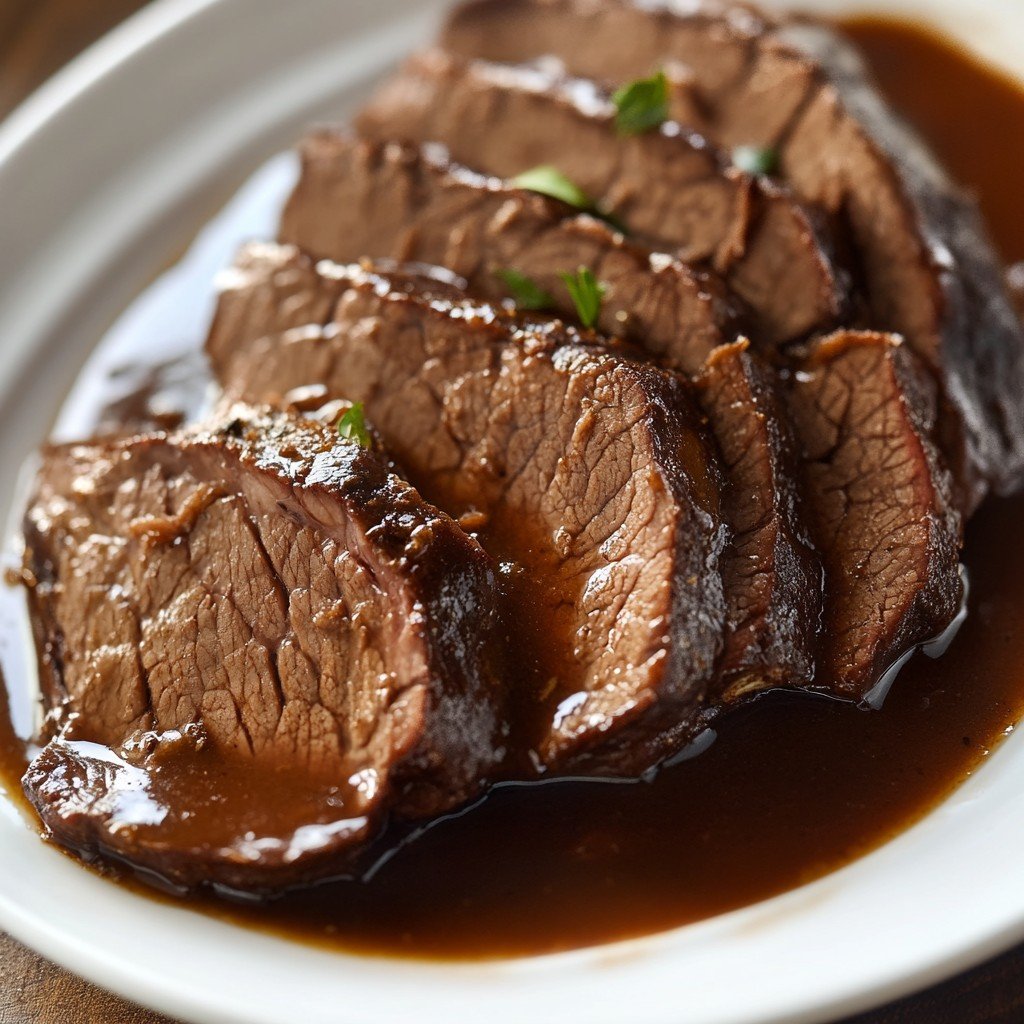
- Slice the Sauerbraten and serve with the rich gravy on the side.
Nutritional Information
German Beef Sauerbraten offers a nourishing blend of protein, essential vitamins, and minerals perfect for a hearty meal. A typical 6-ounce serving of Sauerbraten contains about 350-450 calories, depending on the cut and amount of gravy used.
The bulk of these calories comes from lean beef, which is an excellent source of high-quality protein necessary for muscle repair and maintenance. The marinating mixture infuses the meat with additional nutrients from wine vinegar, carrots, onions, and leeks, contributing dietary fiber and antioxidants.
Fat content varies, but trimming excess fat from the roast helps reduce saturated fat levels. The addition of carrots and leeks elevates potassium, vitamin K, and beta carotene intake.
Ginger snap cookies, used as a traditional gravy thickener, offer trace amounts of sugar and spice but can be minimized for those monitoring carbohydrate intake. The sodium content primarily comes from the marinade and added salt, so those on low-sodium diets can adjust recipes accordingly.
German Beef Sauerbraten, when served with classic sides like red cabbage or spätzle, becomes a balanced, satisfying meal offering sustained energy and key micronutrients.
Wine and Beverage Pairings
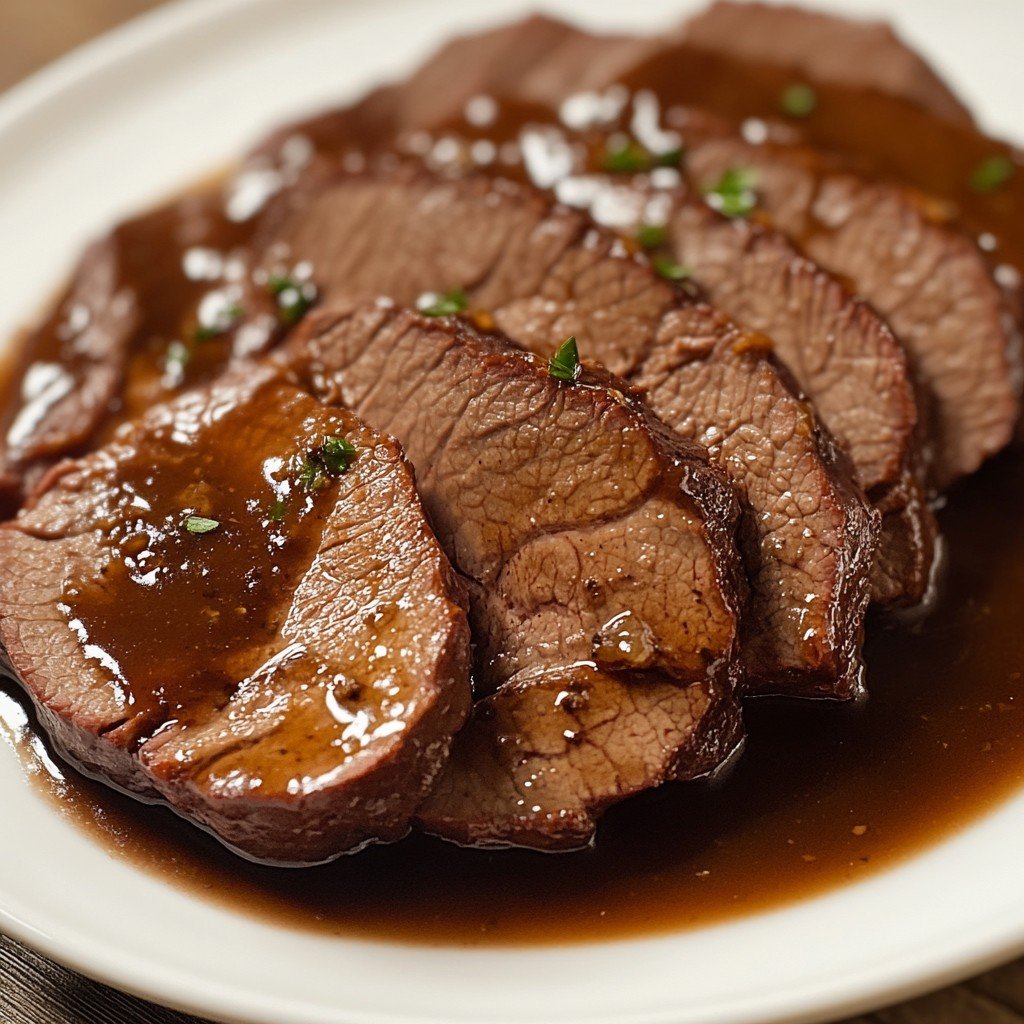
German Beef Sauerbraten pairs exceptionally well with robust, earthy red wines such as Spätburgunder (German Pinot Noir), Dornfelder, or even a classic Bordeaux. These wines complement the rich, tangy marinade and deep flavor of the meat without overpowering it.
For white wine enthusiasts, a dry Riesling or Silvaner offers a fresh, acidic contrast to the savory elements on the plate. Beer lovers will enjoy Sauerbraten with a malty Märzen, Dunkel, or Bock, as these German brews echo the toasty, caramelized notes in the gravy.
For a non-alcoholic option, tart cherry juice or a homemade apple shrub (vinegar-based drink) harmonizes with the vinegar-forward sauce and enhances the meal’s complexity.
Cooking Tips and Variations
Marinating is the most critical step in crafting authentic German Beef Sauerbraten. Allowing the beef to soak in the pickling marinade for at least three days is essential for tender texture and deep flavor; some traditionalists even recommend up to five days for particularly robust cuts.
Always use a non-reactive (glass, ceramic, or stainless steel) dish or resealable plastic bag to ensure the vinegar-based marinade doesn’t react with cookware. For an alternative twist, some regions of Germany use a blend of vinegar and buttermilk in the marinade, imparting extra creaminess and subtle tang.
If you’re short on time, the marinade can be simmered with extra spices to intensify its flavor before pouring it over the beef. When it comes to gravy thickening, ginger snap cookies are the classic choice—they provide sweet, spicy nuances that round out the sourness.
However, if unavailable or for a gluten-free option, cornstarch or potato starch can be substituted. For a lighter version, use leaner beef cuts and reduce the amount of added oil in browning.
Those who prefer a sweeter note can increase the amount of raisins or add a splash of apple cider to the gravy. Finally, daily turning of the marinated beef ensures the flavors are evenly distributed throughout.
Experiment with the spice blend in your marinade—juniper berries add a piney note, while a pinch of ground nutmeg or allspice can introduce a warm spice complexity.
Serving Suggestions
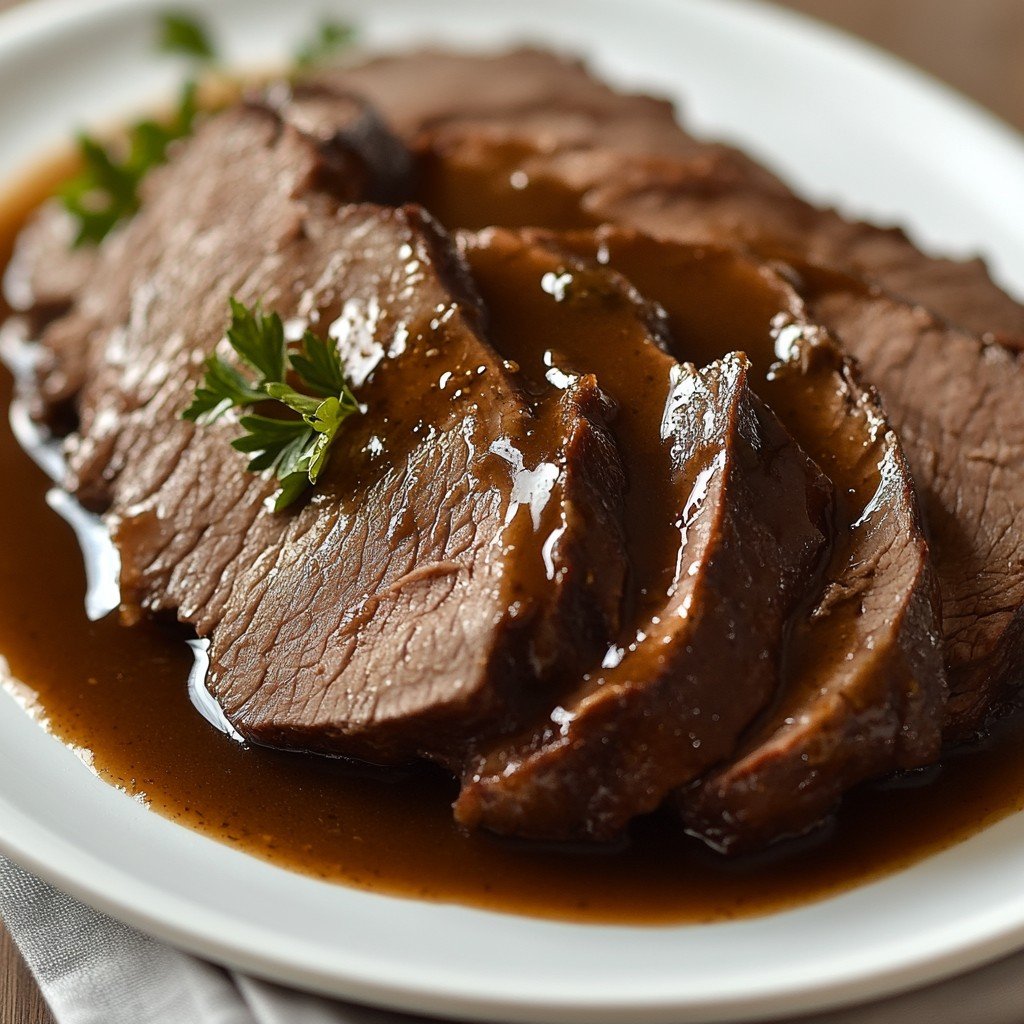
When it comes to serving German Beef Sauerbraten, tradition reigns supreme. The roast is typically sliced into thick portions and generously ladled with the rich, sweet-sour gravy.
Classic German accompaniments make the meal complete: potato dumplings (Kartoffelklöße) provide a hearty, starchy base ready to soak up sauce; braised red cabbage offers both a vibrant pop of color and a gentle tang that mirrors the dish’s flavor profile.
Other popular sides include boiled or buttered potatoes, spätzle (German egg noodles), and stewed apples—the latter lends a mellow sweetness that contrasts beautifully with the marinade’s acidity.
To serve a festive feast, plate the sliced Sauerbraten atop a bed of cabbage with dumplings or noodles on the side, garnished with fresh herbs such as parsley or chives. Serve everything family-style, inviting diners to spoon extra sauce and sides as desired.
To elevate the dining experience, provide baskets of rustic German rye bread or pretzel rolls to mop up every drop of gravy. Consider adding a crisp green salad with a light vinaigrette to balance the dish’s heartiness.
For a celebratory touch, decorate your table with traditional German touches, such as blue-and-white linens or small steins, and light candles to set a cozy, festive mood.
Health Benefits
German Beef Sauerbraten can be a nutritious addition to your meal plan when prepared thoughtfully. The long marination and slow cooking method results in exceptionally tender beef, making it easier to digest and ideal for those who may find tougher cuts challenging.
The inclusion of vegetables like carrots, onions, and leeks in the marinade enriches the dish with dietary fiber, antioxidants, and vitamins such as vitamin C, beta-carotene, and potassium, which support immune function and heart health.
Lean beef is an excellent source of iron and zinc, helping to combat anemia and support metabolism. The marinade’s vinegar not only tenderizes the meat but may aid in regulating blood sugar and enhancing mineral absorption.
If you’re watching sodium or sugar intake, you can adjust these elements in the recipe for a healthier profile. Choosing whole ginger snap cookies or swapping them for gluten-free alternatives also makes Sauerbraten more inclusive for dietary restrictions.
Paired with vegetable-based side dishes, German Beef Sauerbraten becomes a balanced meal that delivers lasting satiety, essential nutrients, and a comforting sense of tradition.
Frequently Asked Questions
For the best flavor and tenderness, marinate the beef for at least 3 days, turning it daily. Some traditional recipes recommend up to 5 days for more robust cuts.
Yes, while rump roast or top round are traditional, you can also use brisket or bottom round. Just ensure the meat is well-marbled for optimal tenderness after marinating.
Ginger snaps are traditional for thickening the gravy and adding sweet-spicy notes, but you can substitute with cornstarch or potato starch for a gluten-free alternative.
Absolutely. In fact, Sauerbraten’s flavors improve after resting overnight. Prepare in advance and store covered in the refrigerator. Reheat gently before serving.
Classic sides include potato dumplings, spätzle, red cabbage, boiled potatoes, and applesauce. These accompaniments soak up the tangy gravy and complement the roast’s flavors.
German Beef Sauerbraten stands as a testament to Germany’s rich culinary legacy. With its balance of tangy, savory, and subtly sweet flavors, it transforms a humble cut of beef into an extraordinary dining experience. Through careful marination, slow roasting, and classic spice combinations, this recipe honors centuries of tradition while inviting customization to suit modern tastes and dietary needs. Whether you’re preparing Sauerbraten for a festive family meal, a special occasion, or simply to savor a taste of German heritage at home, this dish promises to impress with its depth of flavor and comforting appeal. Plan ahead, embrace the marinating process, and delight in serving up a slice of Germany’s most beloved roast.
Ingredients
- 3 to 4 pounds (1.3-1.8 kg) beef roast (rump roast or top round preferred)
- 2 cups (480 ml) red wine vinegar
- 1 cup (240 ml) dry red wine
- 1 cup (240 ml) beef broth
- 2 medium onions, sliced
- 2 medium carrots, peeled and sliced
- 1 leek, cleaned and chopped
- 2 cloves garlic, smashed
- 10 whole black peppercorns
- 6 whole juniper berries (optional)
- 4 whole cloves
- 2 bay leaves
- 1 tablespoon mustard seeds
- 1 tablespoon sugar
- 1 teaspoon salt
- 1/2 teaspoon ground black pepper
- 2 tablespoons raisins
- 2 tablespoons vegetable oil
- 2-3 ginger snap cookies, crumbled (for thickening the gravy)
- Salt and pepper to taste
Instructions
-
1Begin by preparing the marinade. In a large saucepan, combine red wine vinegar, red wine, beef broth, onions, carrots, leek, garlic, peppercorns, juniper berries, cloves, bay leaves, mustard seeds, sugar, salt, and black pepper. Bring the mixture to a boil, then reduce heat and simmer for 10 minutes. Allow the marinade to cool completely.
-
2Place the beef roast in a large, non-reactive container or sealable plastic bag. Pour the cooled marinade over the meat, ensuring it is fully submerged. Cover and refrigerate for at least 3 days, turning the meat daily so it marinates evenly.
-
3After marinating, remove the beef from the marinade and pat dry with paper towels. Strain the marinade, reserving both the liquid and the vegetables, and set aside.
-
4In a large Dutch oven or heavy-bottomed pot, heat the vegetable oil over medium-high heat. Sear the beef on all sides until it is well-browned, about 3-4 minutes per side.
-
5Remove the browned roast and set it aside. Add the reserved marinade vegetables to the pot and cook, stirring, for 5-7 minutes until they begin to soften and caramelize.
-
6Return the beef to the pot. Pour in the reserved marinade liquid, add raisins, and bring to a simmer. Cover and cook in a preheated oven at 325°F (163°C) for 2.5 to 3 hours, or until the beef is very tender.
-
7Once the roast is done, remove it from the pot and keep warm. Strain the cooking liquid into a saucepan, discarding the solids. Bring the liquid to a gentle boil.
-
8To finish the gravy, crumble in the ginger snap cookies and whisk until dissolved. Simmer the sauce until slightly thickened. Adjust seasoning with salt and pepper to taste.
-
9Slice the Sauerbraten and serve with the rich gravy on the side.
Approximate Information for One Serving
Nutrition Disclaimers
Number of total servings shown is approximate. Actual number of servings will depend on your preferred portion sizes.
Nutritional values shown are general guidelines and reflect information for 1 serving using the ingredients listed, not including any optional ingredients. Actual macros may vary slightly depending on specific brands and types of ingredients used.
To determine the weight of one serving, prepare the recipe as instructed. Weigh the finished recipe, then divide the weight of the finished recipe (not including the weight of the container the food is in) by the desired number of servings. Result will be the weight of one serving.
Did you make this recipe?
Please consider Pinning it!