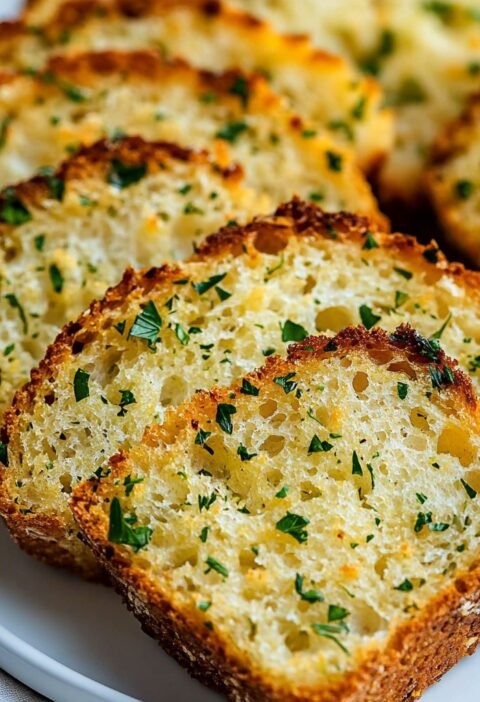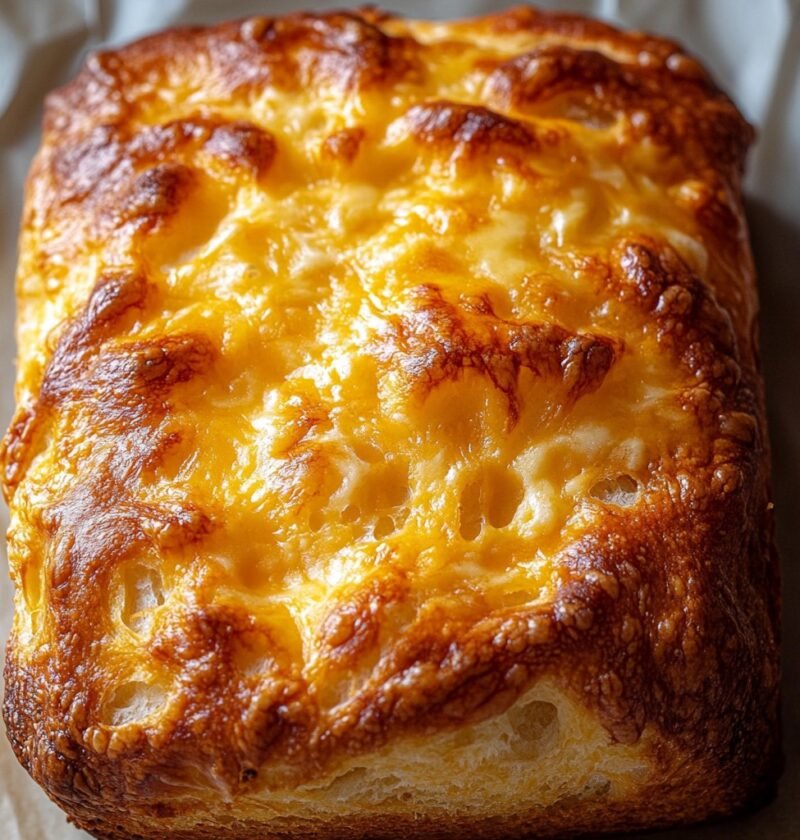
Homemade Cheddar Cheese Bread is a tantalizing treat that blends the comforting aroma of freshly baked bread with the rich flavor of sharp cheddar cheese.
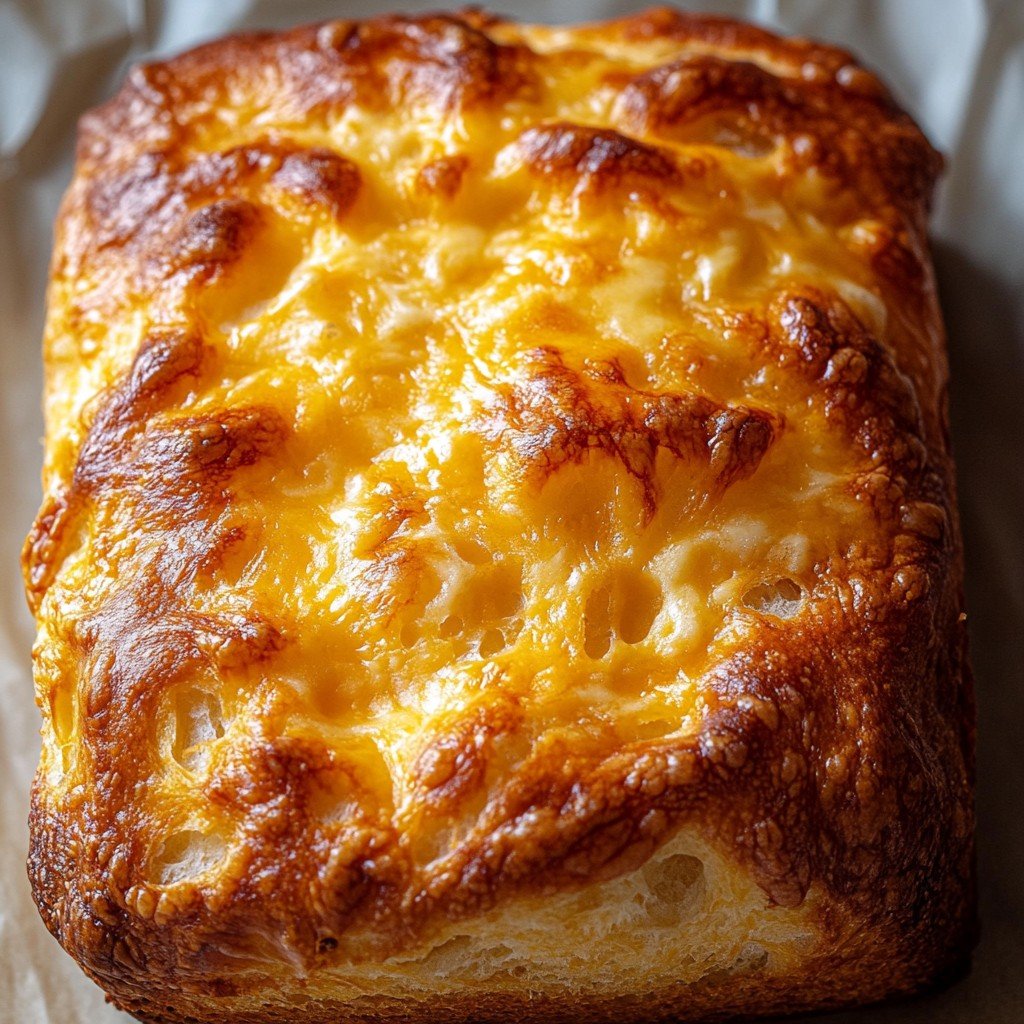
Whether you are a seasoned baker or a beginner in the kitchen, making this delightful loaf at home will fill your kitchen with warmth and bring smiles to your family and friends.
Bread has been a staple food for centuries, and adding cheese turns it into a flavorful culinary adventure cherished by many. Cheddar cheese, originally from the village of Cheddar in England, is prized for its sharp, nutty profile and pairs wonderfully with tender, buttery bread.
Combining cheese with bread is a tradition that spans many cultures, leading to countless variations, but cheddar stands out for its ability to add both gooey texture and rich taste.
As more people embrace home-baking, cheddar cheese bread rises in popularity, making it an ideal recipe for those who want to impress at a brunch, serve a special side at dinner, or simply enjoy a cheesy snack any time of the day.
This recipe for Homemade Cheddar Cheese Bread uses simple pantry staples and fresh cheddar for an irresistible result. Not only does this bread make a delicious accompaniment to soups and salads, but it also elevates sandwiches and toast.
Baking this bread is a rewarding experience, offering the satisfaction of crafting something wonderful from scratch while enjoying the unmistakable scent and taste of cheddar in every bite.
Ingredients
- 3 cups all-purpose flour
- 1 tablespoon granulated sugar
- 2 teaspoons active dry yeast
- 1 teaspoon salt
- 1 cup warm water (about 110°F/43°C)
- 2 tablespoons unsalted butter, melted
- 1 cup sharp cheddar cheese, shredded
- 1/4 cup whole milk, room temperature
- 1 teaspoon garlic powder (optional)
- 1/2 teaspoon onion powder (optional)
Instructions
- In a large mixing bowl, combine warm water and sugar. Sprinkle in the yeast and let stand until foamy, about 5-10 minutes.
- Stir in melted butter, salt, and milk until well mixed.
- Gradually add flour, mixing until the dough starts to form and pulls away from the sides of the bowl.
- Fold in shredded cheddar cheese, garlic powder, and onion powder (if using), distributing evenly throughout the dough.
- Turn the dough onto a lightly floured surface and knead for 8-10 minutes, until the dough is smooth and elastic.
- Place the dough in a greased bowl, cover with a clean kitchen towel, and let rise in a warm place for 1 hour, or until doubled in size.
- Punch down the dough and shape it into a loaf. Place the loaf into a greased 9×5-inch loaf pan.
- Cover the pan loosely and let the dough rise for 30-45 minutes, or until it has risen about 1 inch above the rim of the pan.
- Preheat the oven to 375°F (190°C).
- Bake the bread for 35-40 minutes, or until the top is golden brown and the loaf sounds hollow when tapped.
- Remove the bread from the oven and let it cool in the pan for 10 minutes, then transfer to a wire rack to cool completely before slicing.
Nutritional Information
Homemade Cheddar Cheese Bread is both delicious and satisfying, offering a range of nutrients that make it a substantial snack or meal accompaniment. Thanks to the inclusion of sharp cheddar cheese, each slice of this bread provides a generous amount of protein and calcium, supporting muscle repair and bone health.
Cheddar cheese is also a good source of vitamin A and essential fatty acids, helping maintain eye health and providing long-lasting energy.
The bread’s base, made from all-purpose flour, contributes complex carbohydrates for energy, while adding whole milk and butter enhances the bread’s flavor and increases its vitamin D and healthy fat content.
One average slice (about 1/12th of a standard loaf) contains approximately 180-210 calories, 7-9 grams of fat, 7 grams of protein, and 28 grams of carbohydrates. The moderate level of sodium and additional vitamins from milk and cheese contribute to a well-balanced nutritional profile.
For a healthier version, you can substitute part of the all-purpose flour with whole wheat flour to increase fiber content. Because it combines carbohydrates, protein, and healthy fats, Homemade Cheddar Cheese Bread can help satisfy hunger and curb cravings between meals.
While this bread is hearty enough for standalone enjoyment, pairing it with protein-rich and fiber-rich foods can create a more balanced meal.
Wine and Beverage Pairings
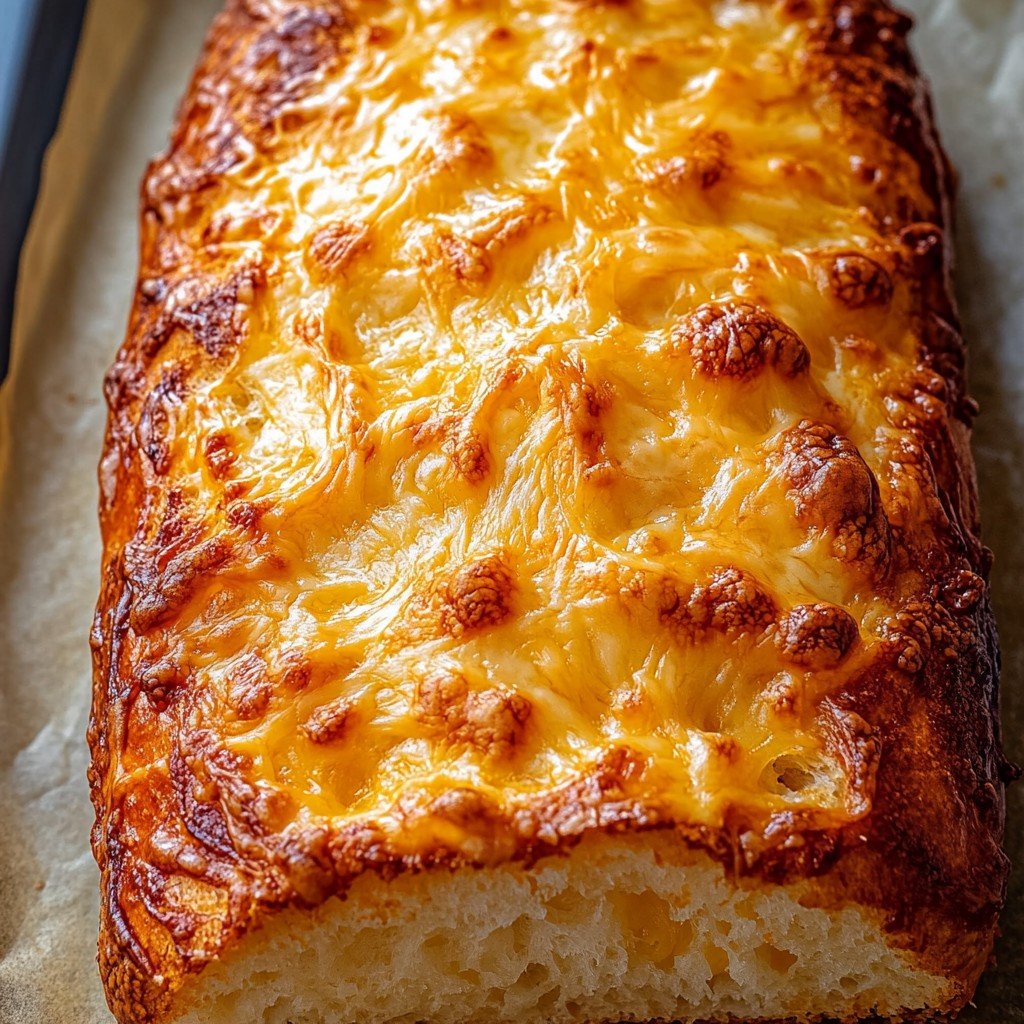
Homemade Cheddar Cheese Bread pairs splendidly with a variety of beverages, both alcoholic and non-alcoholic. For wine enthusiasts, a crisp Chardonnay or a medium-bodied Sauvignon Blanc complements the cheese's richness and adds a refreshing contrast to the bread’s creamy texture.
Red wine lovers might enjoy a fruity Pinot Noir or a light Merlot, as their subtle tannins cut through the cheese's saltiness without overpowering it.
Beer drinkers will find that a pale ale, lager, or amber ale pairs beautifully with cheddar bread, as the malty profiles enhance the cheese's savory notes.
If you prefer non-alcoholic options, apple cider or a sparkling lemonade offer a pleasant acidity that balances the bread's richness, while classic pairings like black tea or a robust coffee make for a comforting snack any time of day.
For brunch or festive gatherings, serve the bread with homemade tomato soup or a vegetable juice blend to accentuate its savory flavors.
Cooking Tips and Variations
For exceptional results when making Homemade Cheddar Cheese Bread, start with high-quality ingredients—freshly grated cheddar melts more evenly than pre-shredded varieties, which often contain anti-caking agents.
Don’t hesitate to experiment with sharp or extra-sharp cheddar for a bolder taste, or add a blend of cheeses like Monterey Jack, Gruyere, or Parmesan for depth.
For those who enjoy a kick, adding diced jalapenos, sun-dried tomatoes, or fresh herbs such as chives and parsley can create exciting flavor twists. To ensure a tender crumb, avoid adding too much flour during kneading; the dough should be soft but not sticky.
If you prefer a denser, more rustic loaf, swap out a portion of the all-purpose flour for whole wheat flour or add some oats. Checking yeast freshness is crucial—foamy yeast after ten minutes ensures the dough will rise properly.
If you’re short on time, the first rise can be done overnight in the refrigerator, developing more flavor. For a visually appealing top and extra flavor, sprinkle a bit of shredded cheese over the loaf before baking. This not only looks appetizing but also creates a slightly crispy, cheesy crust.
For those with dairy sensitivities, opt for lactose-free cheese and milk. Remember, bread continues to bake slightly after being removed from the oven, so let it cool fully before slicing to maintain the loaf’s structure.

Serving Suggestions
Homemade Cheddar Cheese Bread is an incredibly versatile addition to any meal. Serve warm slices straight from the oven with a pat of butter for a simple yet satisfying snack. At breakfast, toast a thick slice and top with a fried or scrambled egg for a delightful morning meal.
The bread's cheesy flavor also pairs well with savory spreads such as whipped cream cheese, garlic herb butter, or a sprinkle of fresh herbs. For lunch, use it to create an unforgettable grilled cheese sandwich—just layer on more cheddar and your favorite fillings, then grill to golden perfection.
Add slices alongside hearty soups like tomato basil, broccoli cheddar, or creamy potato to elevate your meal with a delectable, cheesy companion. Homemade Cheddar Cheese Bread also shines on a charcuterie board, complementing cured meats, olives, pickles, and dried fruits.
When hosting gatherings, cut the bread into cubes and serve with warm cheese dip or a zesty salsa for a crowd-pleasing appetizer. For picnics and packed lunches, this bread holds up well when sliced and makes a rustic base for chicken, ham, or turkey sandwiches.
Its rich flavor and tender crumb make each serving memorable, whether it’s part of a cozy dinner or a special occasion. If you have leftovers, use slightly stale slices in savory bread pudding or cube and toast them for homemade croutons in salads.
Health Benefits
While Homemade Cheddar Cheese Bread is undeniably indulgent, it offers a number of health benefits when enjoyed as part of a balanced diet. The protein in cheddar cheese and milk supports growth and muscle maintenance, while calcium fortifies teeth and bones.
Vitamins such as A and D, found in both dairy and eggs (if used in any variation), promote healthy vision, immune function, and hormonal balance. Using high-quality ingredients without artificial additives provides a cleaner, nutrient-rich product compared to many store-bought breads.
The complex carbohydrates from flour offer sustained energy, making this bread an excellent addition to meals for active individuals or busy families.
Moreover, the customizable nature of this recipe allows for health-focused modifications—substitute half of the white flour with whole wheat for more dietary fiber, or use reduced-fat cheese to decrease saturated fat content.
Those seeking to further lower the loaf's sodium can omit the optional garlic and onion powder and use unsalted butter. Moderation is key, as cheddar cheese and butter do contribute saturated fats and sodium.
Paired with lean proteins and lots of vegetables, Homemade Cheddar Cheese Bread can be integrated into healthful eating patterns and enjoyed by the entire family.

Frequently Asked Questions
Yes, you can substitute yeast with baking powder for a quick bread version. The texture will be more cake-like and less chewy, but you'll still enjoy the cheesy flavor.
Store the bread in an airtight container at room temperature for up to 3 days. For longer storage, wrap tightly in plastic and freeze for up to 2 months. Thaw and reheat before serving.
Absolutely! Try adding herbs like rosemary, thyme, or chives, mix in cooked bacon or diced jalapenos, or use different cheese varieties for extra flavor.
Yes, simply use a gluten-free flour blend in place of all-purpose flour. Check that your other ingredients are gluten-free as well for a delicious, allergy-friendly loaf.
A dense loaf can result from using old yeast, insufficient kneading, or adding too much flour. Ensure your yeast is fresh and knead until the dough is soft and elastic for best results.
Homemade Cheddar Cheese Bread is a wonderful way to bring fresh, savory flavors into your kitchen. This versatile, cheesy loaf is perfect for every occasion, whether you’re hosting a family gathering, enjoying a casual weekday meal, or seeking a homemade treat. By following this detailed recipe, you’ll create a delicious bread with a golden crust and soft, cheesy interior that everyone will love. The ability to customize the bread with different cheeses or mix-ins ensures there’s a version that suits every palate. With straightforward instructions and practical tips, even novice bakers can achieve bakery-worthy results. Savor each bite of your homemade creation and share the joy of baking with loved ones. Start your journey to better bread today by baking Homemade Cheddar Cheese Bread—a memorable addition to any table.
Ingredients
- 3 cups all-purpose flour
- 1 tablespoon granulated sugar
- 2 teaspoons active dry yeast
- 1 teaspoon salt
- 1 cup warm water (about 110°F/43°C)
- 2 tablespoons unsalted butter, melted
- 1 cup sharp cheddar cheese, shredded
- 1/4 cup whole milk, room temperature
- 1 teaspoon garlic powder (optional)
- 1/2 teaspoon onion powder (optional)
Instructions
-
1In a large mixing bowl, combine warm water and sugar. Sprinkle in the yeast and let stand until foamy, about 5-10 minutes.
-
2Stir in melted butter, salt, and milk until well mixed.
-
3Gradually add flour, mixing until the dough starts to form and pulls away from the sides of the bowl.
-
4Fold in shredded cheddar cheese, garlic powder, and onion powder (if using), distributing evenly throughout the dough.
-
5Turn the dough onto a lightly floured surface and knead for 8-10 minutes, until the dough is smooth and elastic.
-
6Place the dough in a greased bowl, cover with a clean kitchen towel, and let rise in a warm place for 1 hour, or until doubled in size.
-
7Punch down the dough and shape it into a loaf. Place the loaf into a greased 9×5-inch loaf pan.
-
8Cover the pan loosely and let the dough rise for 30-45 minutes, or until it has risen about 1 inch above the rim of the pan.
-
9Preheat the oven to 375°F (190°C).
-
10Bake the bread for 35-40 minutes, or until the top is golden brown and the loaf sounds hollow when tapped.
-
11Remove the bread from the oven and let it cool in the pan for 10 minutes, then transfer to a wire rack to cool completely before slicing.
Approximate Information for One Serving
Nutrition Disclaimers
Number of total servings shown is approximate. Actual number of servings will depend on your preferred portion sizes.
Nutritional values shown are general guidelines and reflect information for 1 serving using the ingredients listed, not including any optional ingredients. Actual macros may vary slightly depending on specific brands and types of ingredients used.
To determine the weight of one serving, prepare the recipe as instructed. Weigh the finished recipe, then divide the weight of the finished recipe (not including the weight of the container the food is in) by the desired number of servings. Result will be the weight of one serving.
Did you make this recipe?
Please consider Pinning it!