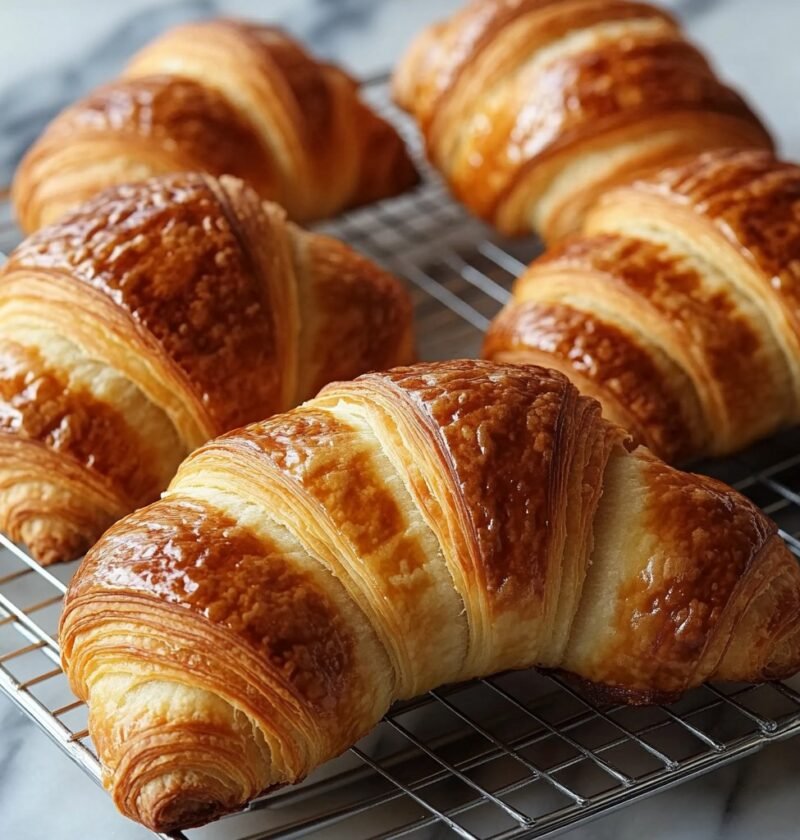
Homemade French Croissants are a celebrated delicacy in the world of baking, prized for their buttery flakiness and golden layers. The French croissant, which traces its origins back to Austria's kipferl, underwent transformation in France in the 19th century, attaining its iconic crescent shape and delicate, multi-layered texture.
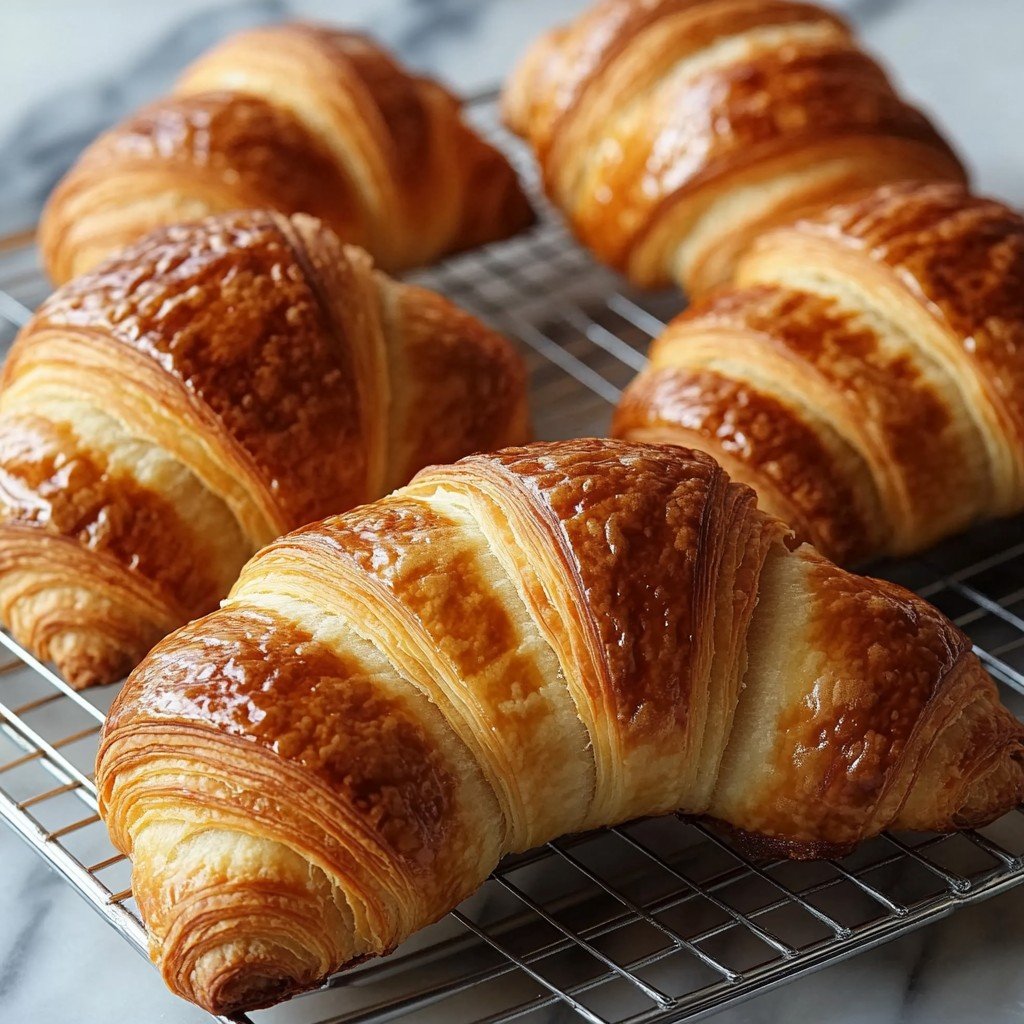
In the heart of Paris, croissants reign supreme at every boulangerie, a staple of traditional French breakfasts and a symbol of the art of pastry-making.
Making croissants at home can seem daunting, but with patience, attention to detail, and the right techniques, anyone can experience the joy of creating these delectable pastries from scratch.
Not only does the process offer a rewarding challenge for home bakers, but it also guarantees fresher and tastier results than store-bought versions. This guide to Homemade French Croissants walks you through every step, from mixing the dough to mastering the lamination process that creates those irresistible layers.
Whether you are new to baking or aiming to perfect your pastry skills, baking croissants at home allows you to enjoy their unbeatable taste and aroma fresh from your oven.
Ingredients
- 500 g (4 cups) all-purpose flour, plus extra for dusting
- 60 g (1/4 cup) granulated sugar
- 10 g (2 tsp) salt
- 10 g (2 tsp) instant dry yeast
- 300 ml (1 1/4 cups) cold whole milk
- 300 g (about 1 1/3 cups) unsalted European butter, cold
- 1 large egg (for egg wash)
- 1 tbsp cold water (for egg wash)
Instructions
- In a large mixing bowl, combine the flour, sugar, salt, and instant yeast. Make sure the salt and yeast are on opposite sides of the bowl.
- Slowly add the cold milk to the dry ingredients, mixing with a wooden spoon or stand mixer fitted with a dough hook until a shaggy dough forms.
- Knead the dough for 3-5 minutes, just until it comes together smoothly but do not overwork it. Shape into a rectangle, wrap in plastic, and chill in the refrigerator for 1 hour.
- While the dough is chilling, prepare the butter. Place the cold butter between two sheets of parchment paper. Use a rolling pin to pound and roll the butter into a 20 x 15 cm (8 x 6 inch) rectangle. Keep the butter chilled but pliable.
- On a lightly floured surface, roll the dough into a 40 x 20 cm (16 x 8 inch) rectangle. Place the butter slab in the center of the dough.
- Fold the sides of the dough over the butter, encasing it completely, and pinch the seams closed.
- With the folded side facing you, gently roll the dough into a 60 x 20 cm (24 x 8 inch) rectangle. Dust lightly with flour as necessary to prevent sticking.
- Perform the first single fold by folding the top third of the dough down to the center, then the bottom third up over the first fold—like folding a letter. Rotate the dough 90 degrees to the left.
- Wrap the dough in plastic and chill for 30 minutes. Repeat the rolling and folding process two more times, always resting the dough for 30 minutes in the fridge between turns.
- After the final turn and chilling, roll the dough into a 55 x 25 cm (22 x 10 inch) rectangle. Using a sharp knife or pizza cutter, trim the short edges for clean lines.
- Cut the dough lengthwise in half, then cut triangles with a 9 cm (3.5 inch) base. You should have about 12 triangles.
- Make a small notch at the base of each triangle to help with rolling. Gently stretch each triangle, then roll from base to tip, forming a crescent shape.
- Place the shaped croissants on parchment-lined baking sheets, spaced 5 cm (2 inches) apart. Cover lightly with plastic or a damp tea towel and proof at room temperature for 2 to 3 hours, until doubled in size and very puffy.
- Preheat your oven to 200°C (400°F). In a small bowl, whisk together the egg and water. Brush the croissants gently with the egg wash, taking care not to deflate them.
- Bake in the preheated oven for 18-22 minutes, rotating halfway through, until croissants are deep golden brown and sound hollow when tapped.
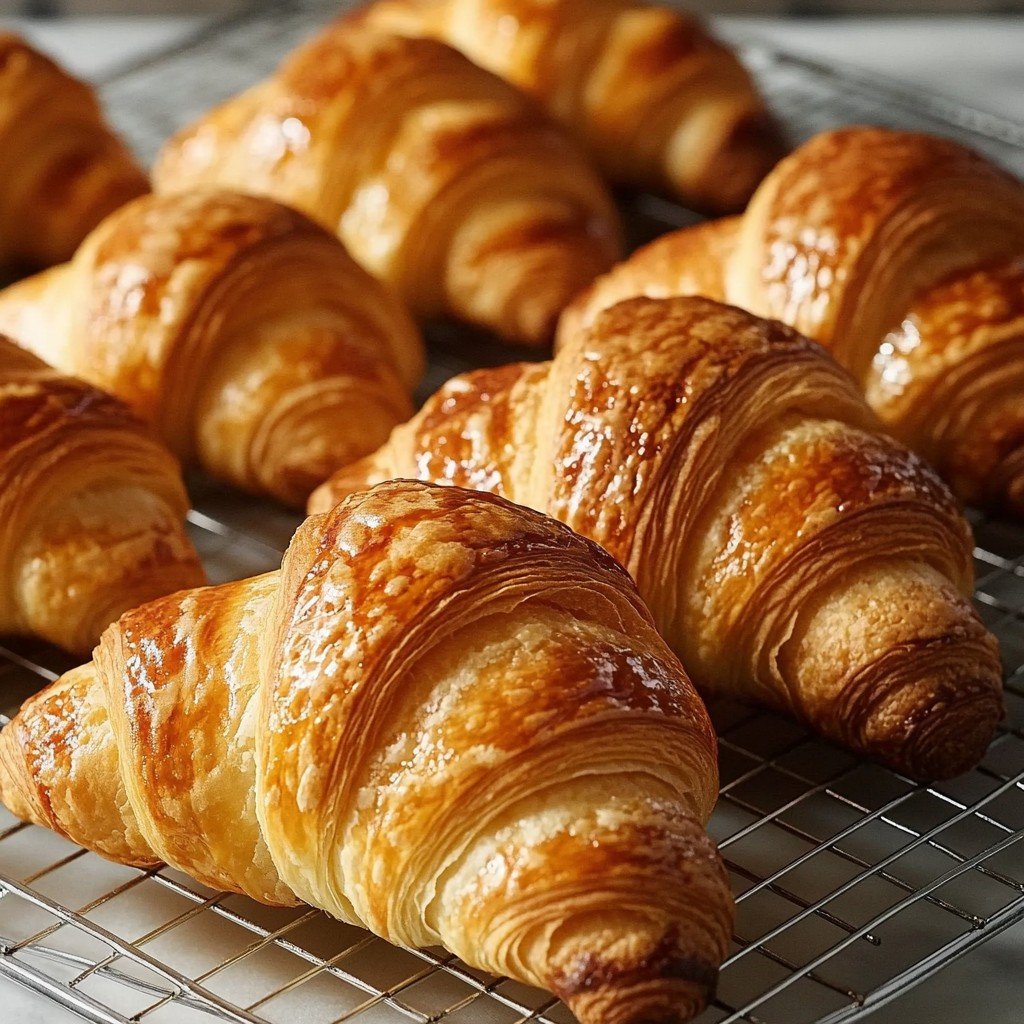
- Transfer to a wire rack and cool slightly before serving. Enjoy your fresh Homemade French Croissants warm, ideally the same day they're baked for best taste and texture.
Nutritional Information
Croissants are known for their rich flavor and delicate, flaky texture, but it’s important to enjoy them as part of a balanced diet. Each Homemade French Croissant contains approximately 270-300 calories, influenced by the butter content and size of the pastry.
Most of these calories come from healthy fats, predominantly found in European-style butter, which provides not only flavor but also fat-soluble vitamins like A, D, and E. A typical croissant has about 15-17 grams of fat, with a mix of saturated and unsaturated fats.
There are 6-8 grams of protein in each piece, supplied by both the milk and flour, which help balance out the simple carbohydrates (around 30-35 grams per serving). The sugar content in Homemade French Croissants is relatively low, usually not exceeding 4-6 grams per portion.
The sodium level, resulting from both the salt and butter, is less than 350 mg per croissant. While croissants do not provide large amounts of fiber, using stone-ground or whole-wheat flour as a variation can increase dietary fiber content.
These pastries are not gluten-free, as wheat flour is essential for the hallmark texture. Enjoying a croissant occasionally can fit into a healthy and varied diet, especially when paired with fruit, cheese, or lean proteins for a more complete meal.
If you're looking for a lower-calorie option, consider making mini-croissants or using slightly less butter, though this will affect the final flakiness. As an occasional treat, Homemade French Croissants are a delicious way to indulge mindfully.

Wine and Beverage Pairings
The classic pairing for Homemade French Croissants is a freshly brewed cup of coffee or espresso, as the bitter notes of coffee beautifully complement the buttery, flaky pastry. For a more traditional French breakfast experience, serve croissants with café au lait or a smooth café crème.
Tea lovers can enjoy these pastries with a delicate black Darjeeling or a floral Earl Grey. If you prefer something non-caffeinated, freshly squeezed orange juice or a glass of cool milk brings out the sweetness in the croissants.
For a sophisticated brunch option, pair with a light, crisp sparkling wine like Champagne or a dry Prosecco. The effervescence and acidity of sparkling wine balance the richness of the croissant. For a savory-filled croissant, consider a slightly chilled Chardonnay or Sauvignon Blanc.
Cooking Tips and Variations
Baking Homemade French Croissants is an art that requires patience and close attention to detail. One essential tip is to keep all ingredients, especially the butter and dough, cold during the lamination process. Warm butter will leak out and prevent the signature flaky layers from forming.
Using European-style butter with a higher fat content yields a richer flavor and more pliable texture. When rolling and folding your dough, work on a lightly floured surface and avoid applying too much pressure, which could squeeze the butter out.
Proofing the shaped croissants in a draft-free, slightly warm environment (but not hot) helps maintain their structure and allows them to rise fully for an airy interior.
For variation, try filling your croissants with a thin layer of dark chocolate, almond paste, or a touch of homemade pastry cream before rolling. You can also experiment with savory options, such as adding grated cheese or thinly sliced ham before shaping.
For a quick version, you can rest the dough overnight in the refrigerator for deeper flavor and more relaxed baking the next day. Always bake on the middle rack of your oven and keep a close watch during the final minutes—an overbaked croissant loses its delicate texture.
Make sure to cool slightly before eating for the best taste and to avoid steam burns.
Serving Suggestions
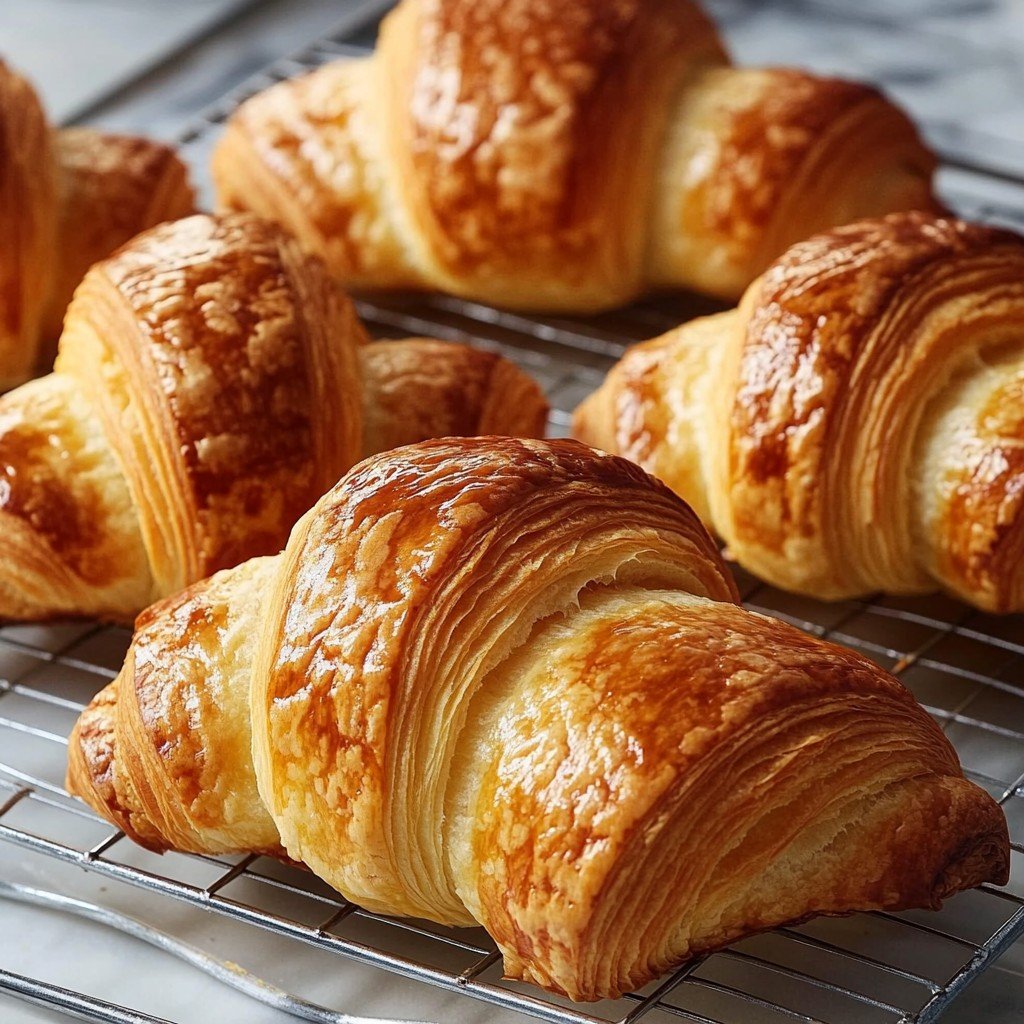
Homemade French Croissants are most delicious when served fresh from the oven, warm and aromatic with a shattering crust. For breakfast or brunch, present them in a basket lined with a crisp linen napkin to preserve their warmth.
Offer a selection of accompaniments such as sweet fruit preserves, honey, and salted or unsalted European butter to let guests personalize each bite. Cheese platters featuring brie, camembert, or comté, along with slices of smoked ham or turkey, turn your croissant into a substantial meal.
For a light lunch, consider using a croissant as the base for a gourmet sandwich, filled with smoked salmon, cream cheese, arugula, and a touch of lemon zest. Pairing with a simple green salad or a fresh fruit medley creates a balanced plate.
Croissants also shine as an elegant addition to a festive brunch, served alongside quiches, fruit tarts, and fresh juices. Avoid refrigerating leftover croissants, as this causes them to stale quickly; instead, if you must store them, keep them in an airtight container at room temperature for up to two days.
Refresh them by warming briefly in a preheated oven to revive their flakiness. For a sweet treat, split a croissant and spread with chocolate-hazelnut spread, or dip in egg mixture and pan-fry for an indulgent French toast.
Health Benefits
While Homemade French Croissants are not typically considered a "health food," they bring several nutritional advantages when made with high-quality, natural ingredients. The primary ingredient, butter, is a source of vitamin A, which is essential for healthy vision and immune function.
Using whole milk adds calcium and vitamin D, supporting bone health. Homemade versions allow you to control the quality and quantity of ingredients, avoiding preservatives or artificial additives commonly found in commercial croissants. The careful use of real butter and milk gives you a purer flavor and spares unnecessary additives.
Making croissants from scratch naturally involves mindfulness and portion control, as the process is time-consuming and the finished products are an occasional treat rather than an everyday staple. Incorporating whole-wheat flour for part of the all-purpose flour boosts the fiber content, which supports digestive health.
Pairing croissants with proteins or fresh fruit also helps balance their glycemic impact. Enjoying homemade pastries as part of a balanced, varied diet ensures you savor both traditional flavor and nutritional benefits responsibly.
Frequently Asked Questions
Ensuring that your butter and dough remain cold throughout each step of the lamination process is key. Chilling between folds, working quickly, and not over-handling helps create more layers, resulting in croissants that are light and exceptionally flaky.
Yes. You can shape the croissants and freeze them on a tray before proofing. When ready to bake, thaw overnight in the refrigerator, allow them to come to room temperature and rise, then bake as directed.
Possible reasons include old yeast, insufficient proofing time, dough that is too cold, or a room that is too chilly. Always use fresh yeast and give croissants plenty of time to rise in a slightly warm, draft-free environment.
Allow croissants to cool fully, then store in an airtight container at room temperature for up to two days. To revive flakiness, reheat briefly in a preheated oven. Avoid refrigeration, as it can make them stale quickly.
Traditional French croissants depend on gluten for their structure and layers. While there are gluten-free flours available, results may vary; the texture will not be identical to classic croissants.
Crafting Homemade French Croissants in your own kitchen is a rewarding experience that brings a taste of Parisian tradition to your table. While the process requires patience and precision, each flaky, buttery layer is a testament to your baking prowess and care. By following each step and taking advantage of the tips outlined here, you can achieve croissants that rival those of the finest French bakeries. Whether enjoyed warm for breakfast, as part of an elegant brunch, or simply with a cup of coffee, these homemade pastries are sure to become a coveted homemade treat for family and friends. Use this guide to embrace classic French baking and savor every golden, delectable bite.
Ingredients
- 500 g (4 cups) all-purpose flour, plus extra for dusting
- 60 g (1/4 cup) granulated sugar
- 10 g (2 tsp) salt
- 10 g (2 tsp) instant dry yeast
- 300 ml (1 1/4 cups) cold whole milk
- 300 g (about 1 1/3 cups) unsalted European butter, cold
- 1 large egg (for egg wash)
- 1 tbsp cold water (for egg wash)
Instructions
-
1In a large mixing bowl, combine the flour, sugar, salt, and instant yeast. Make sure the salt and yeast are on opposite sides of the bowl.
-
2Slowly add the cold milk to the dry ingredients, mixing with a wooden spoon or stand mixer fitted with a dough hook until a shaggy dough forms.
-
3Knead the dough for 3-5 minutes, just until it comes together smoothly but do not overwork it. Shape into a rectangle, wrap in plastic, and chill in the refrigerator for 1 hour.
-
4While the dough is chilling, prepare the butter. Place the cold butter between two sheets of parchment paper. Use a rolling pin to pound and roll the butter into a 20 x 15 cm (8 x 6 inch) rectangle. Keep the butter chilled but pliable.
-
5On a lightly floured surface, roll the dough into a 40 x 20 cm (16 x 8 inch) rectangle. Place the butter slab in the center of the dough.
-
6Fold the sides of the dough over the butter, encasing it completely, and pinch the seams closed.
-
7With the folded side facing you, gently roll the dough into a 60 x 20 cm (24 x 8 inch) rectangle. Dust lightly with flour as necessary to prevent sticking.
-
8Perform the first single fold by folding the top third of the dough down to the center, then the bottom third up over the first fold—like folding a letter. Rotate the dough 90 degrees to the left.
-
9Wrap the dough in plastic and chill for 30 minutes. Repeat the rolling and folding process two more times, always resting the dough for 30 minutes in the fridge between turns.
-
10After the final turn and chilling, roll the dough into a 55 x 25 cm (22 x 10 inch) rectangle. Using a sharp knife or pizza cutter, trim the short edges for clean lines.
-
11Cut the dough lengthwise in half, then cut triangles with a 9 cm (3.5 inch) base. You should have about 12 triangles.
-
12Make a small notch at the base of each triangle to help with rolling. Gently stretch each triangle, then roll from base to tip, forming a crescent shape.
-
13Place the shaped croissants on parchment-lined baking sheets, spaced 5 cm (2 inches) apart. Cover lightly with plastic or a damp tea towel and proof at room temperature for 2 to 3 hours, until doubled in size and very puffy.
-
14Preheat your oven to 200°C (400°F). In a small bowl, whisk together the egg and water. Brush the croissants gently with the egg wash, taking care not to deflate them.
-
15Bake in the preheated oven for 18-22 minutes, rotating halfway through, until croissants are deep golden brown and sound hollow when tapped.
-
16Transfer to a wire rack and cool slightly before serving. Enjoy your fresh Homemade French Croissants warm, ideally the same day they’re baked for best taste and texture.
Approximate Information for One Serving
Nutrition Disclaimers
Number of total servings shown is approximate. Actual number of servings will depend on your preferred portion sizes.
Nutritional values shown are general guidelines and reflect information for 1 serving using the ingredients listed, not including any optional ingredients. Actual macros may vary slightly depending on specific brands and types of ingredients used.
To determine the weight of one serving, prepare the recipe as instructed. Weigh the finished recipe, then divide the weight of the finished recipe (not including the weight of the container the food is in) by the desired number of servings. Result will be the weight of one serving.
Did you make this recipe?
Please consider Pinning it!