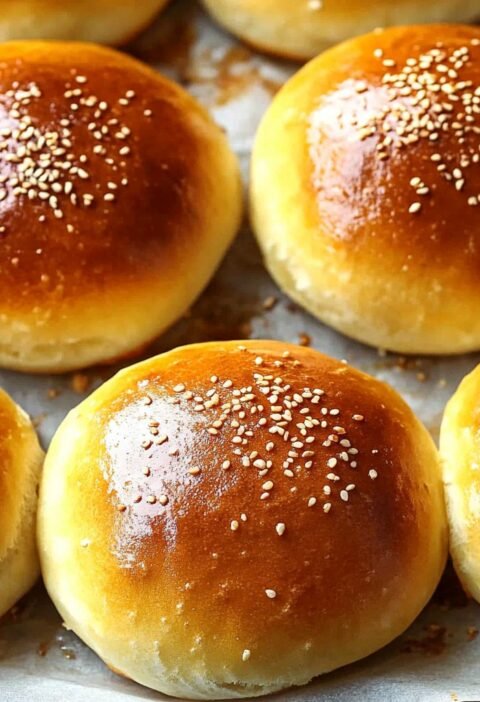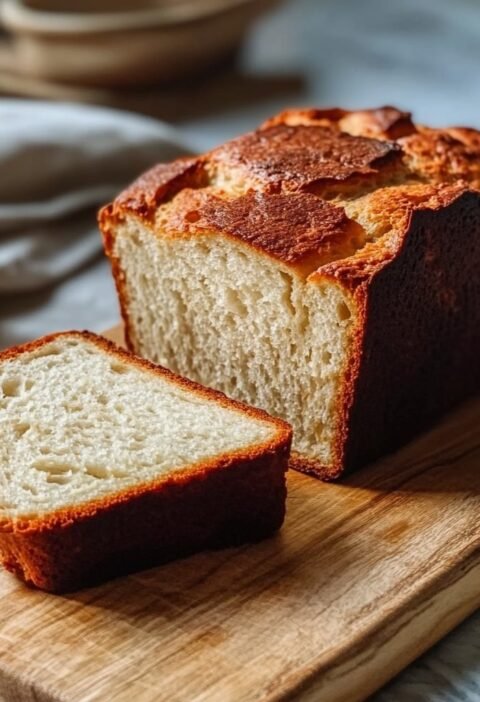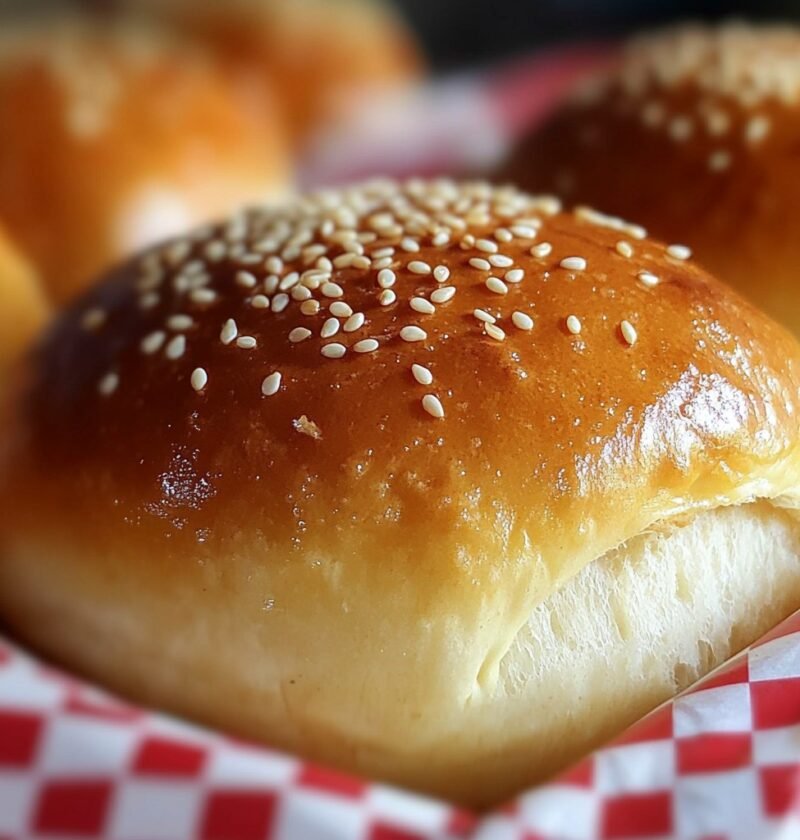
There is nothing quite like sinking your teeth into a juicy burger cradled inside a freshly baked, warm homemade hamburger bun. Unlike store-bought options, homemade hamburger buns offer unbeatable freshness, a soft yet sturdy texture, and a perfectly golden crust that takes your burger experience to new heights.
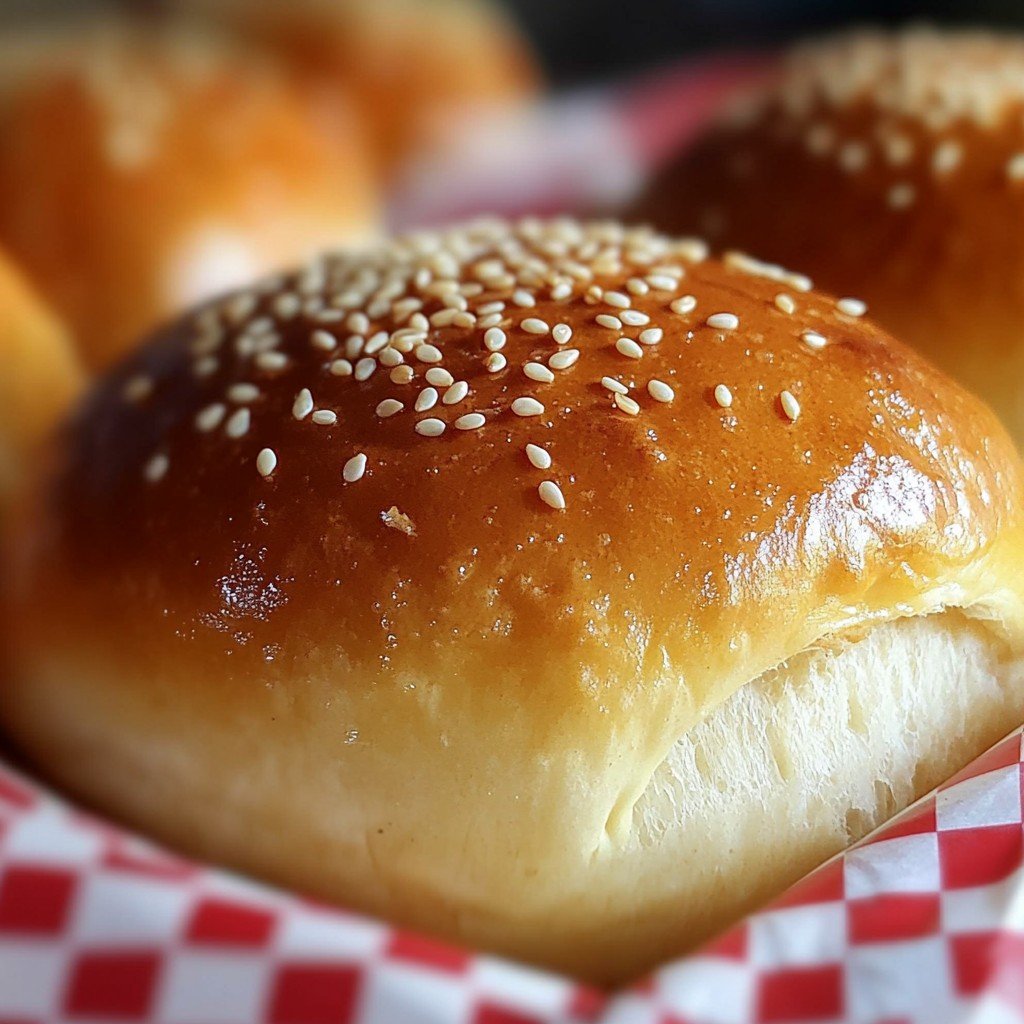
As home baking gains popularity, learning how to make homemade hamburger buns has become a sought-after skill for food enthusiasts everywhere. The history of hamburger buns can be traced back to the early 20th century in America, when the iconic hamburger was gaining notoriety in diners across the country.
The need for a soft yet resilient bread to hold a ground beef patty and all its delicious toppings led to the development of the now-classic hamburger bun.
By mastering this recipe, you bring a beloved piece of culinary tradition right into your kitchen, ensuring your burgers always taste their very best.
Whether you are planning a backyard cookout, a family dinner, or simply want to try your hand at baking, this comprehensive guide will empower you to create hamburger buns that are flavorful, pillowy, and sure to impress.
With a few simple ingredients and some basic baking knowledge, you will discover that homemade hamburger buns are not only easy to make but also a rewarding addition to your cooking repertoire.
Dive into this detailed, SEO-optimized recipe, and treat your taste buds to homemade hamburger buns that elevate every burger you build.
Ingredients
- 3 1/2 cups (440g) bread flour, plus extra for kneading
- 1 cup (240ml) warm milk (about 110°F)
- 2 1/4 teaspoons (1 packet) active dry yeast
- 2 tablespoons granulated sugar
- 1 1/2 teaspoons salt
- 1 large egg, at room temperature
- 3 tablespoons unsalted butter, softened
- Sesame seeds, for topping (optional)
- 1 egg (for egg wash)
Instructions
- Pour the warm milk into a large mixing bowl and sprinkle the yeast and sugar over the top. Stir gently and let sit for 5-7 minutes until the mixture is frothy.
- Add the softened butter, egg, and salt to the yeast mixture. Stir to combine.
- Gradually add the bread flour, one cup at a time, mixing with a wooden spoon or dough hook until a sticky dough forms.
- Turn the dough out onto a lightly floured surface and knead for about 8 to 10 minutes, until the dough is smooth and elastic. Alternatively, knead with a stand mixer using the dough hook for 6-8 minutes.
- Place the dough in a lightly greased bowl, cover with plastic wrap or a damp towel, and let it rise in a warm spot until doubled in size, about 1 to 1.5 hours.
- Gently punch down the dough to release air. Divide it into 8 equal pieces for standard-sized buns or 10 for smaller buns.
- Shape each piece into a smooth ball and place them on a parchment-lined baking sheet, spaced a couple inches apart. Flatten the balls slightly with your palm.
- Cover the shaped buns loosely with plastic wrap or a towel and let them rise again until puffy and nearly doubled, about 45 minutes to 1 hour.
- Preheat the oven to 375°F (190°C).
- Prepare an egg wash by beating the remaining egg with 1 tablespoon of water. Brush each bun gently with the egg wash and sprinkle with sesame seeds if desired.
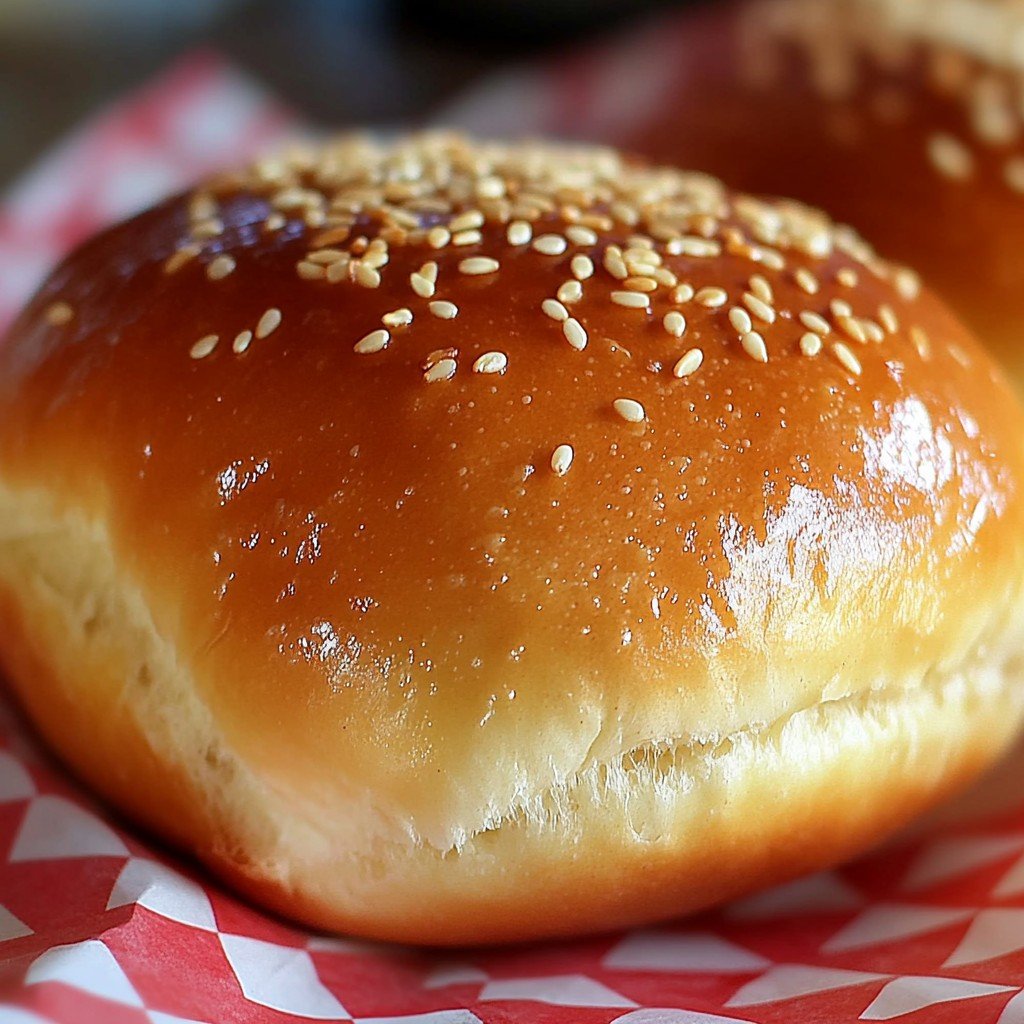
- Bake the buns in the preheated oven for 15 to 18 minutes, or until golden brown on top and cooked through.
- Remove from the oven and transfer buns to a wire rack. Allow them to cool completely before slicing and serving.
Nutritional Information
Homemade hamburger buns are not only more flavorful than store-bought varieties, but they also offer a fresher and more wholesome option, free from preservatives and artificial additives. A standard homemade hamburger bun (1 bun, approximately 85g) contains about 205-240 calories, depending on the size and slight variations in ingredients.
Each bun provides around 6-7 grams of protein, thanks to the bread flour and egg additions, making it a substantial base for a variety of protein-rich fillings. Carbohydrates average around 36-40 grams per bun, which can supply a good burst of energy for active days or outdoor occasions.
The fat content typically sits at about 4-5 grams per bun, mainly from the butter and egg, contributing to a tender crumb and alluring softness. Homemade hamburger buns are also naturally low in sugars, with only about 3-5 grams coming from the small amount of added sugar and milk.
The sodium content (about 250-300mg per bun) can be adjusted by altering the amount of salt in the recipe. Vitamin and mineral content includes small amounts of calcium from the milk, iron from the bread flour, and several B vitamins essential for energy metabolism.
For those interested in boosting fiber, substituting a portion of the bread flour with whole wheat flour is an excellent option. Overall, making hamburger buns at home allows control over portion sizes, ingredients, and nutritional content, resulting in a more mindful and enjoyable eating experience.
Wine and Beverage Pairings
Homemade hamburger buns are wonderfully versatile, pairing seamlessly with a range of beverages. For traditional cookouts and classic burgers, an ice-cold lager or pale ale brings out the toasty flavors of the buns while balancing the richness of the meat.
If you prefer wine, a light, fruity red such as Pinot Noir or Beaujolais is an excellent choice, as these wines complement burger toppings without overpowering the meal.
For non-alcoholic options, fresh lemonade, iced tea, or sparkling water with a twist of lemon provides a refreshing contrast to the savory elements of your sandwich.
If serving gourmet burgers with spicy toppings, consider craft sodas or a michelada to highlight the gentle sweetness and tender crumb of your homemade hamburger buns.
Cooking Tips and Variations
For best results with homemade hamburger buns, always use fresh yeast and high-quality bread flour. Bread flour's higher protein content gives buns a chewier, more substantial structure, perfect for holding up against juicy burger patties and generous toppings.
If bread flour isn't available, all-purpose flour can be substituted, though the final result may be a bit softer. Be attentive to dough consistency; the dough should be slightly tacky but not overly sticky. Add flour gradually to avoid a dense bun.
Patience during rising times is crucial—rushing the process can lead to flat or unevenly textured buns. For extra flavor, consider enriching the dough with a teaspoon of dried herbs, a tablespoon of grated cheese, or a splash of honey.
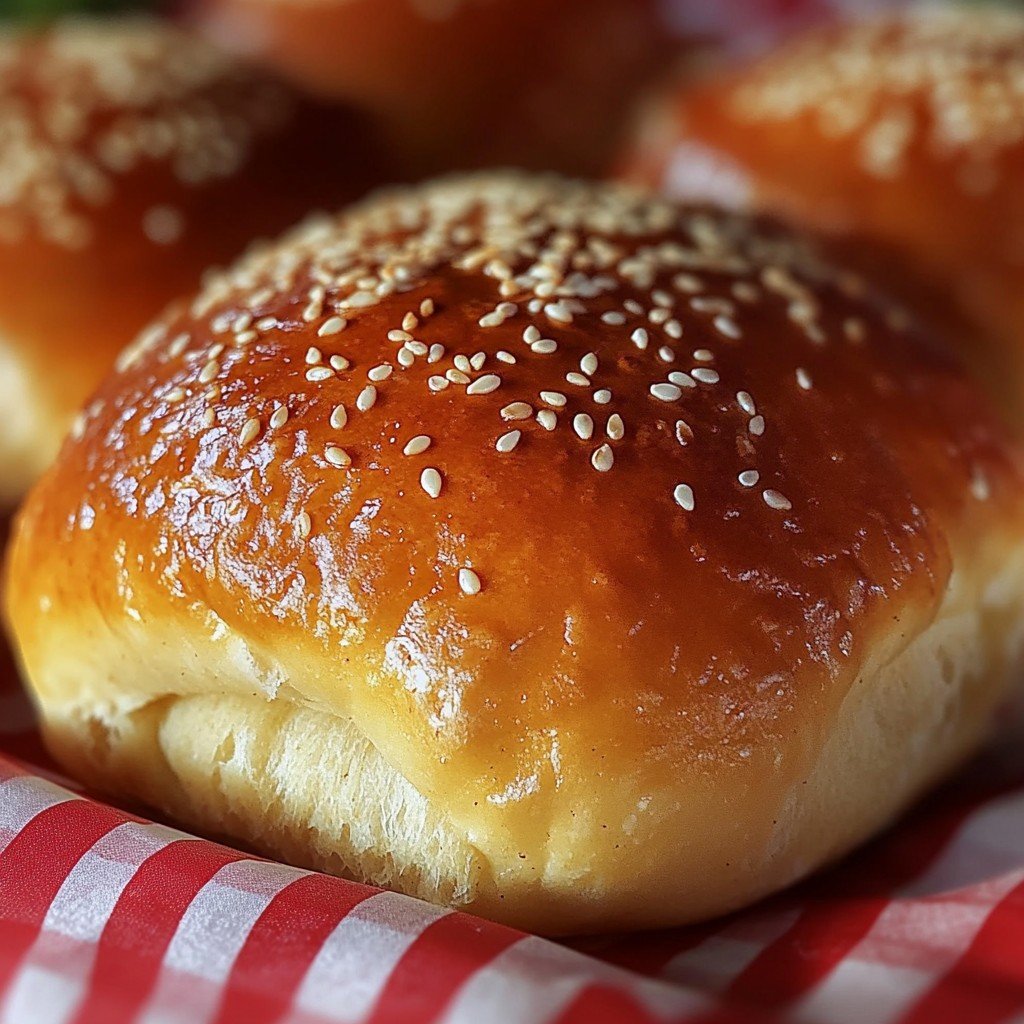
Brushing the tops with egg wash ensures a lustrous, golden crust and helps any decorative toppings (like sesame or poppy seeds, or even rolled oats) adhere beautifully.
For variations, replace up to 1 cup of bread flour with whole wheat flour for healthier, nutty flavors, or try using buttermilk or non-dairy milk for a subtle tang. Mini slider buns can be made by dividing the dough into 12-14 portions.
For an extra-soft finish, cover hot buns with a clean kitchen towel as they cool. Homemade hamburger buns also freeze well; simply let them cool completely, then wrap individually and freeze for up to two months.
Serving Suggestions
Homemade hamburger buns are best served fresh and slightly warm, making them the star of any burger night or cookout. After baking and cooling, slice the buns in half horizontally using a bread knife for neat, even edges.
Lightly toast the cut sides on a grill or skillet for a crisp surface and added depth of flavor. These buns make the perfect vessel for homemade beef, chicken, turkey, or veggie burgers, absorbing sauces and condiments without going soggy.
Elevate your burgers by layering classic toppings such as lettuce, tomato, red onion, melted cheese, crispy bacon, or even grilled pineapple for a tropical twist.
Homemade hamburger buns are also fantastic for pulled pork sandwiches, barbecue chicken sliders, breakfast sandwiches with eggs and sausage, or as a base for creative open-face sandwiches topped with avocado or smoked salmon.
For gatherings, set up a burger bar and let guests fill their buns with an array of toppings, sauces, and sides. Serve alongside a crisp green salad, oven-baked fries, or tangy coleslaw for a complete meal.
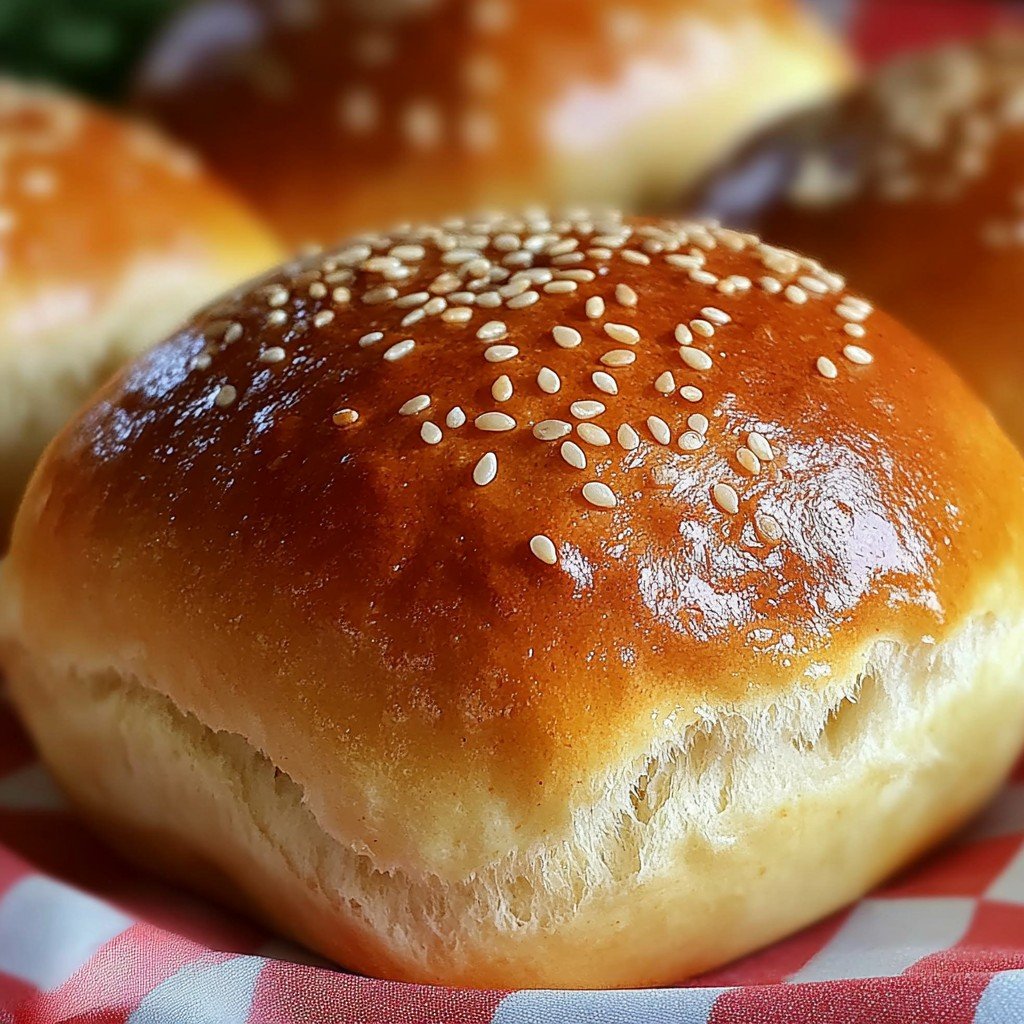
The beautiful, golden crusts and pillowy interiors of these buns make a memorable impression, enticing everyone to reach for seconds. Homemade hamburger buns are adaptable enough to suit casual family meals, festive summer parties, or luxury gourmet builds, ensuring every occasion feels special.
Health Benefits
Crafting your own hamburger buns at home brings numerous health advantages. First, you have full control over each ingredient, allowing you to avoid unnecessary additives, preservatives, and excessive sodium often found in commercial buns.
By using unbleached bread flour and natural dairy, you’re creating a wholesome base rich in essential vitamins and minerals such as iron, calcium, and B vitamins. The inclusion of eggs and milk not only enhances the buns’ texture but also boosts their protein content, supporting muscle health and satiety.
For those seeking extra nutrition, substituting a portion of bread flour with whole wheat or adding seeds like flax or chia can increase dietary fiber, aiding digestion and promoting sustained energy.
Homemade hamburger buns are free from trans fats and artificial sweeteners, making them suitable for a variety of dietary preferences. Smaller batch sizes and flexibility in shaping ensure portion control and reduce food waste.
Whether you're looking to satisfy dietary restrictions, cut back on sugar, or simply eat more mindfully, homemade hamburger buns provide a nutritious, gratifying, and healthier alternative to their store-bought counterparts.
Frequently Asked Questions
Yes, you can knead the dough by hand on a floured surface. It may require a little more effort, but you’ll achieve soft, fluffy buns with thorough kneading and patience.
Cool the buns completely after baking. Store them in an airtight container at room temperature for up to 3 days, or freeze individual buns for up to 2 months. Thaw and reheat as needed.
Absolutely! Substitute up to 1 cup of bread flour with whole wheat flour for added nutrition and a nutty flavor. You may need to add a tablespoon or two of extra milk for better dough consistency.
Dense buns usually result from adding too much flour, not allowing enough rising time, or using inactive yeast. Always check that your yeast is fresh, give the dough time to rise, and add flour gradually.
Yes, divide the dough into 12-14 pieces instead of 8 to make smaller buns perfect for sliders or mini sandwiches. Bake for 10-12 minutes or until golden brown.
Homemade hamburger buns are a testament to the joys of baking from scratch and enjoying real, wholesome ingredients in every bite. With just a handful of common pantry items and a little patience, you can create buns that are soft, delicious, and visually stunning. Not only do these buns elevate the taste and texture of your hamburgers and sandwiches, but they also provide the satisfaction of a homemade touch to any meal. Whether you are a novice baker or a seasoned cook, this recipe ensures consistently fantastic results every time. Savor the incredible aroma of home baking, customize your buns with unique toppings, and rest assured that each hamburger bun is free from unnecessary preservatives or additives. Take your culinary creations to the next level with homemade hamburger buns—the simple upgrade that makes every burger meal unforgettable.
Ingredients
- 3 1/2 cups (440g) bread flour, plus extra for kneading
- 1 cup (240ml) warm milk (about 110°F)
- 2 1/4 teaspoons (1 packet) active dry yeast
- 2 tablespoons granulated sugar
- 1 1/2 teaspoons salt
- 1 large egg, at room temperature
- 3 tablespoons unsalted butter, softened
- Sesame seeds, for topping (optional)
- 1 egg (for egg wash)
Instructions
-
1Pour the warm milk into a large mixing bowl and sprinkle the yeast and sugar over the top. Stir gently and let sit for 5-7 minutes until the mixture is frothy.
-
2Add the softened butter, egg, and salt to the yeast mixture. Stir to combine.
-
3Gradually add the bread flour, one cup at a time, mixing with a wooden spoon or dough hook until a sticky dough forms.
-
4Turn the dough out onto a lightly floured surface and knead for about 8 to 10 minutes, until the dough is smooth and elastic. Alternatively, knead with a stand mixer using the dough hook for 6-8 minutes.
-
5Place the dough in a lightly greased bowl, cover with plastic wrap or a damp towel, and let it rise in a warm spot until doubled in size, about 1 to 1.5 hours.
-
6Gently punch down the dough to release air. Divide it into 8 equal pieces for standard-sized buns or 10 for smaller buns.
-
7Shape each piece into a smooth ball and place them on a parchment-lined baking sheet, spaced a couple inches apart. Flatten the balls slightly with your palm.
-
8Cover the shaped buns loosely with plastic wrap or a towel and let them rise again until puffy and nearly doubled, about 45 minutes to 1 hour.
-
9Preheat the oven to 375°F (190°C).
-
10Prepare an egg wash by beating the remaining egg with 1 tablespoon of water. Brush each bun gently with the egg wash and sprinkle with sesame seeds if desired.
-
11Bake the buns in the preheated oven for 15 to 18 minutes, or until golden brown on top and cooked through.
-
12Remove from the oven and transfer buns to a wire rack. Allow them to cool completely before slicing and serving.
Approximate Information for One Serving
Nutrition Disclaimers
Number of total servings shown is approximate. Actual number of servings will depend on your preferred portion sizes.
Nutritional values shown are general guidelines and reflect information for 1 serving using the ingredients listed, not including any optional ingredients. Actual macros may vary slightly depending on specific brands and types of ingredients used.
To determine the weight of one serving, prepare the recipe as instructed. Weigh the finished recipe, then divide the weight of the finished recipe (not including the weight of the container the food is in) by the desired number of servings. Result will be the weight of one serving.
Did you make this recipe?
Please consider Pinning it!