Irish Soda Bread is a cherished staple of Irish cuisine, renowned for its rustic charm and incredibly simple preparation. This celebrated bread originated in Ireland in the early 19th century, quickly becoming a culinary mainstay due to its minimal ingredient list and quick baking process.
With no need for yeast or extensive kneading, Irish Soda Bread revolutionized baking for home cooks, allowing them to bake fresh bread daily without much fuss.
The main leavening agent in Irish Soda Bread is baking soda, which reacts with the natural acidity in buttermilk to produce a delightfully tender crumb and a subtle tang.
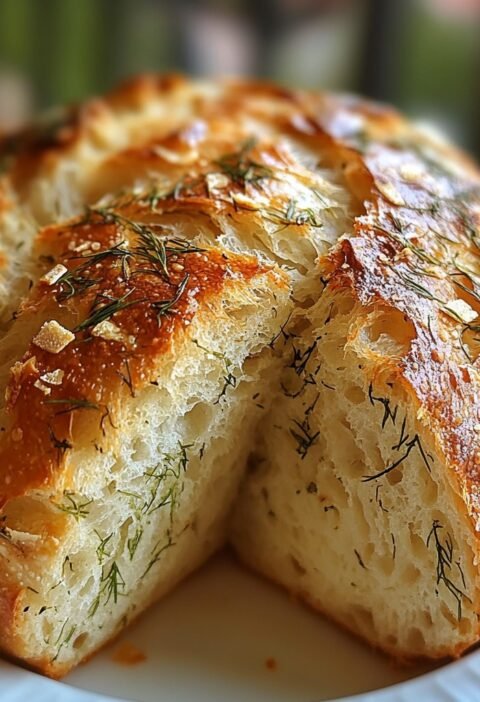
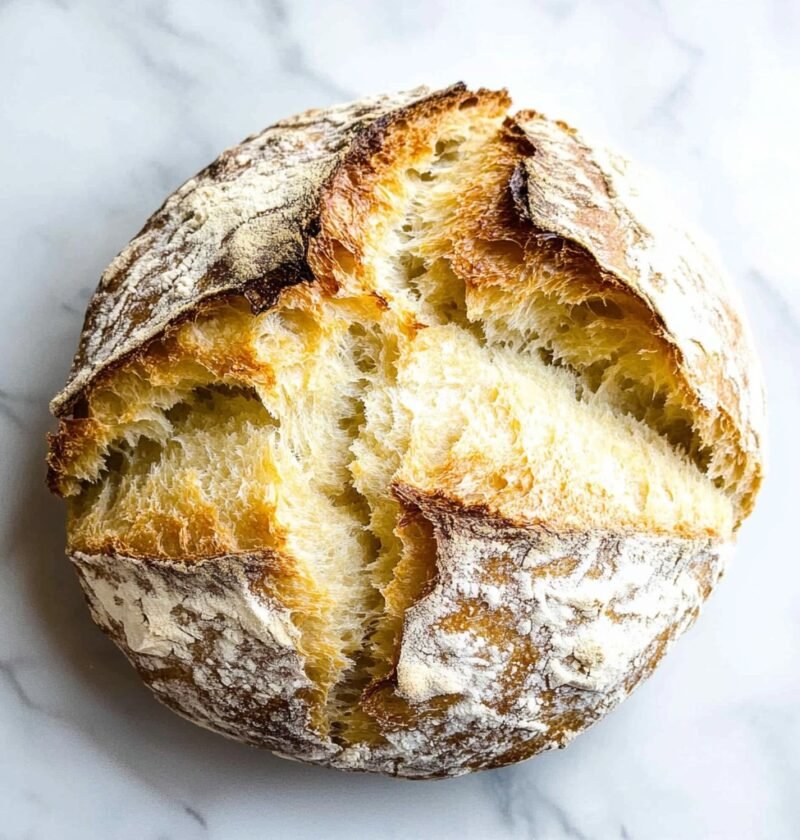
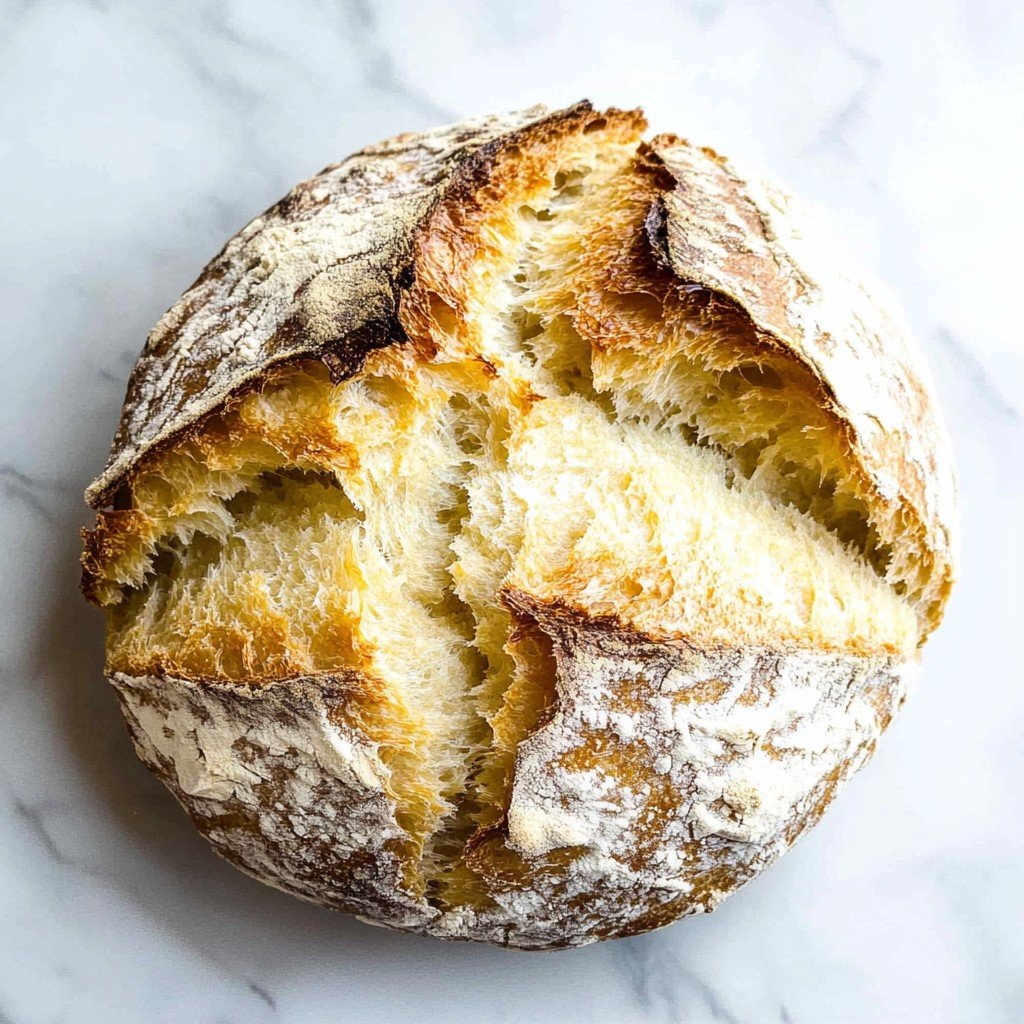
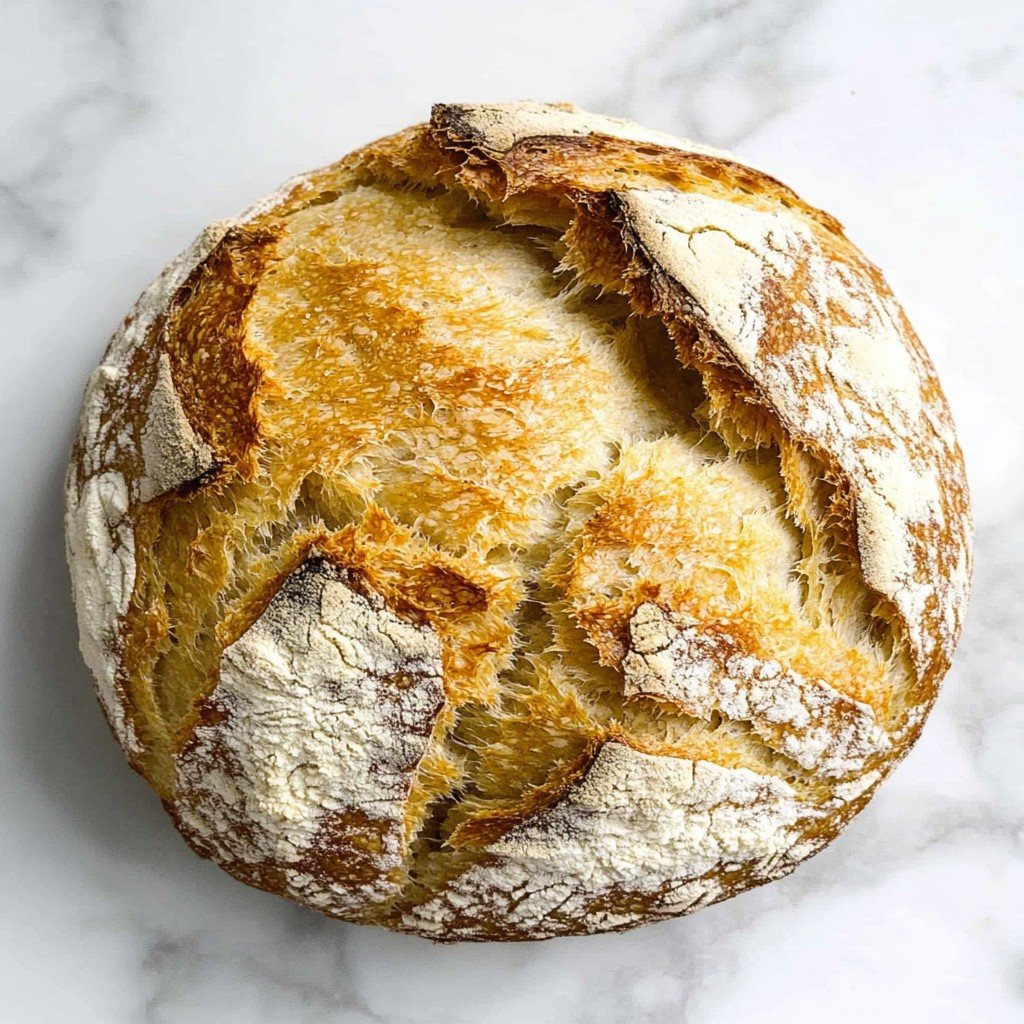
Traditionally, this bread features a dense but soft texture with a golden crust, making it perfect on its own or as an accompaniment to stews and soups.
Over generations, the basic formula of flour, baking soda, salt, and buttermilk has been adapted to include raisins, seeds, or sweeteners, but purists still swear by the classic version.
Irish Soda Bread not only symbolizes Irish hospitality and resourcefulness but also resonates with home bakers around the world for its homey flavors and simplicity.
Whether you are exploring your Irish roots or just want an easy, wholesome bread recipe, this classic Irish Soda Bread is sure to find a spot in your baking repertoire.
Ingredients
- 4 cups all-purpose flour, plus extra for dusting
- 1 teaspoon baking soda
- 1 teaspoon salt
- 1 3/4 cups buttermilk, chilled
Instructions
- Preheat your oven to 425°F (220°C). Line a baking sheet with parchment paper or lightly grease a cast iron skillet.
- In a large mixing bowl, sift together the flour, baking soda, and salt to ensure an even texture.
- Make a well in the center of the dry ingredients and pour in the chilled buttermilk gradually.
- Using your hand or a wooden spoon, gently mix the ingredients until a soft dough forms. Avoid overworking the dough as this can make the bread dense.
- Turn the dough out onto a lightly floured surface. Gently knead for about 30 seconds—just enough to bring it together.
- Shape the dough into a round loaf approximately 1 1/2 to 2 inches thick.
- Place the shaped loaf onto the prepared baking sheet or skillet. Using a sharp knife, cut a deep cross (about 1/2 inch deep) on the top of the dough. This helps the bread cook evenly and gives it the traditional appearance.
- Bake in the preheated oven for 35-45 minutes, or until the loaf is golden brown and sounds hollow when tapped on the bottom.
- Remove the bread from the oven and let it cool on a wire rack for at least 30 minutes before slicing.
Nutritional Information
Irish Soda Bread is a wholesome addition to any table, offering sustained energy and essential nutrients. A typical slice (about 60 grams) provides approximately 150 calories, with most energy coming from carbohydrates due to the flour base.
Each slice often contains around 3 grams of protein, 1 gram of fat, and minimal sugar if made traditionally without added sweeteners. The buttermilk gives the bread a boost in calcium and a small amount of vitamin B12.
Because it is typically made with refined white flour, classic Irish Soda Bread is lower in fiber compared to wholemeal breads. However, it is notably low in cholesterol and saturated fat, making it a heart-friendly option when enjoyed in moderation.
There are virtually no trans fats, and sodium content can be controlled by adjusting the amount of added salt. For those with lactose intolerance, lactose-free buttermilk or plant-based alternatives can be used with minimal impact on flavor.
To increase the nutritional value, you can substitute part of the white flour with whole wheat flour, or add in seeds for extra fiber and healthy fats. Homemade Irish Soda Bread allows you to control the ingredients, ensuring a fresh, preservative-free, and nourishing treat suitable for various dietary needs.

Wine and Beverage Pairings
Irish Soda Bread pairs exceptionally well with a range of beverages. For a truly authentic Irish experience, serve it alongside a cup of strong black tea, such as Irish breakfast tea, which highlights the bread’s subtle tang and rustic aroma.
Herbal teas like chamomile or mint also balance its hearty flavor. If you prefer wine, opt for a light-bodied white wine like Sauvignon Blanc or Pinot Grigio to keep the palate refreshed.
For those who enjoy darker, richer drinks, an Irish stout such as Guinness brings out the bread’s earthy notes. Milk or a coffee-based beverage makes for a comforting pairing, especially when the bread is served at breakfast or tea time.
Cooking Tips and Variations
To make the very best Irish Soda Bread, consider a few key tips: Always use fresh baking soda and buttermilk for the most effective rise and subtle tang. Handle the dough as little as possible; over-mixing or kneading will toughen the bread.
For a crisper crust, bake the bread on a preheated cast iron skillet. If you’d like a softer crust, wrap the warm loaf in a tea towel while it cools. For extra flavor, mix in 1/2 cup of raisins or currants, or add caraway seeds for a unique savory twist.
Whole wheat flour can replace up to half the all-purpose flour for a heartier, more fiber-rich bread. For a dairy-free version, substitute buttermilk with a mixture of non-dairy milk and a tablespoon of apple cider vinegar or lemon juice.
You can also brush the loaf with a little melted butter before baking for a deeper golden hue. Remember, Irish Soda Bread is best enjoyed fresh, but it also toasts beautifully if you have leftovers.
Store it wrapped tightly in foil or an airtight container for up to two days, or freeze slices for up to a month for convenient future use.
Serving Suggestions
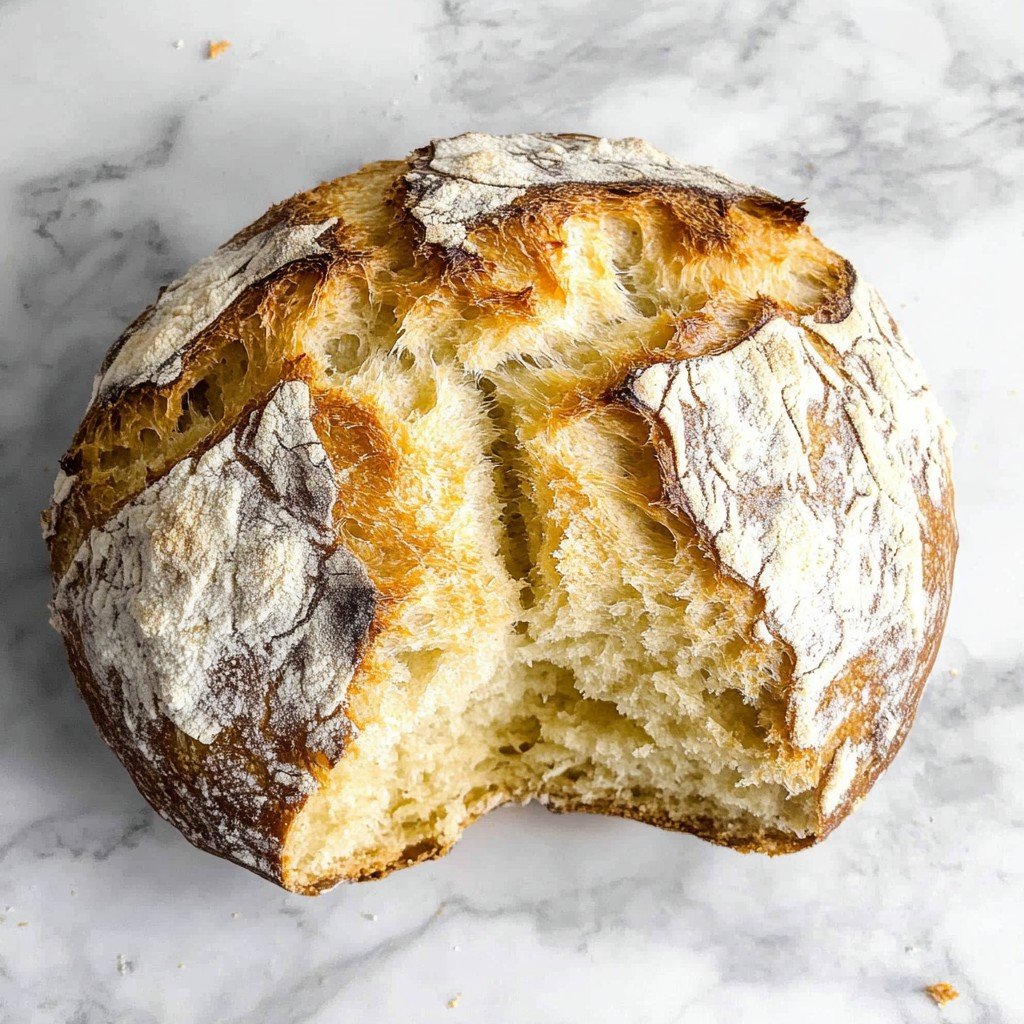
Serving Irish Soda Bread offers endless possibilities, whether for breakfast, lunch, or dinner. At breakfast, enjoy thick slices toasted, slathered with rich Irish butter and homemade jam, or layer with sharp cheddar cheese for a savory twist.
For lunch, serve Irish Soda Bread alongside creamy vegetable soup, hearty beef stew, or smoked salmon for a classic pairing. The bread’s dense but tender texture soaks up broths and gravies beautifully, making it an ideal companion to saucy dishes.
At a traditional Irish table, the bread is often left unsliced, allowing guests to break off pieces by hand, honoring a rustic and communal tradition. For entertaining, cut the cooled loaf into wedges and arrange on a bread board with butter, honey, and a selection of cheeses.
Leftovers are delightful toasted and topped with poached eggs or as the base for an open-faced sandwich. Since Irish Soda Bread keeps well for a couple of days, it’s convenient to have on hand for unexpected guests or last-minute meals.
If you are serving it warm, a light sprinkle of sea salt and a few fresh herbs can elevate its flavor even more. However you present it, Irish Soda Bread fits seamlessly into everyday dining or festive gatherings, bringing a touch of comfort and tradition to every table.
Health Benefits
Irish Soda Bread, when made traditionally, is a relatively healthy bread option, as it contains no added fat beyond the buttermilk and can easily be adapted for various dietary preferences.
The use of buttermilk not only imparts a unique tang but also boosts the calcium and vitamin D content, supporting bone health. Since Irish Soda Bread does not contain yeast, it is quick to digest and often gentler for those with mild yeast sensitivities.
By using whole wheat flour or incorporating seeds like flax or chia, you can further enhance the bread’s fiber content and add omega-3 fatty acids, supporting cardiovascular health and aiding digestion.
Because the bread can be made with minimal salt and no sugar, it’s ideal for those watching their sodium or sugar intake. The absence of artificial preservatives makes it a clean-eating choice.
However, the classic recipe is made with refined white flour, so individuals looking to boost their nutrient intake should consider partially substituting with whole grain flour.
Additionally, Irish Soda Bread can be tailored to dairy-free or vegan diets by using plant-based milk and acidic agents, making it accessible to most eaters. Enjoying this bread as part of a balanced diet can contribute to a wholesome and satisfying way to meet your daily grain servings.
Frequently Asked Questions
Yes, you can substitute buttermilk with a mixture of milk and lemon juice or vinegar. Add one tablespoon of acid per cup of milk, let it sit for five minutes, and use as directed.
Wrap cooled Irish Soda Bread tightly in foil or place in an airtight container. Store at room temperature for up to two days or freeze slices for longer storage.
Yes, you can substitute up to half of the all-purpose flour with whole wheat flour to add more fiber and a nuttier flavor. Using 100% whole wheat flour will yield a denser loaf.
Cutting a cross on top helps the bread cook evenly and prevents the crust from cracking unpredictably. It also gives the bread its distinctive traditional look.
Traditional Irish Soda Bread is not gluten-free, as it’s made with wheat flour. However, you can experiment with gluten-free flour blends designed for quick breads.
Irish Soda Bread is more than just a loaf; it is a symbol of Irish tradition, hospitality, and resourcefulness. Crafted with humble ingredients and a straightforward technique, this bread offers home bakers a chance to enjoy nourishing, flavorful bread without the need for yeast or lengthy preparation. Whether served warm out of the oven or toasted with your favorite toppings, Irish Soda Bread brings a heartwarming touch to any meal. Its versatility, easy adaptability, and robust flavor make it an enduring favorite in kitchens everywhere. Try this timeless recipe today and invite a taste of Ireland into your home, sharing the comfort and heritage of Irish Soda Bread with every slice.
Ingredients
- 4 cups all-purpose flour, plus extra for dusting
- 1 teaspoon baking soda
- 1 teaspoon salt
- 1 3/4 cups buttermilk, chilled
Instructions
-
1Preheat your oven to 425°F (220°C). Line a baking sheet with parchment paper or lightly grease a cast iron skillet.
-
2In a large mixing bowl, sift together the flour, baking soda, and salt to ensure an even texture.
-
3Make a well in the center of the dry ingredients and pour in the chilled buttermilk gradually.
-
4Using your hand or a wooden spoon, gently mix the ingredients until a soft dough forms. Avoid overworking the dough as this can make the bread dense.
-
5Turn the dough out onto a lightly floured surface. Gently knead for about 30 seconds—just enough to bring it together.
-
6Shape the dough into a round loaf approximately 1 1/2 to 2 inches thick.
-
7Place the shaped loaf onto the prepared baking sheet or skillet. Using a sharp knife, cut a deep cross (about 1/2 inch deep) on the top of the dough. This helps the bread cook evenly and gives it the traditional appearance.
-
8Bake in the preheated oven for 35-45 minutes, or until the loaf is golden brown and sounds hollow when tapped on the bottom.
-
9Remove the bread from the oven and let it cool on a wire rack for at least 30 minutes before slicing.
Approximate Information for One Serving
Nutrition Disclaimers
Number of total servings shown is approximate. Actual number of servings will depend on your preferred portion sizes.
Nutritional values shown are general guidelines and reflect information for 1 serving using the ingredients listed, not including any optional ingredients. Actual macros may vary slightly depending on specific brands and types of ingredients used.
To determine the weight of one serving, prepare the recipe as instructed. Weigh the finished recipe, then divide the weight of the finished recipe (not including the weight of the container the food is in) by the desired number of servings. Result will be the weight of one serving.
Did you make this recipe?
Please consider Pinning it!