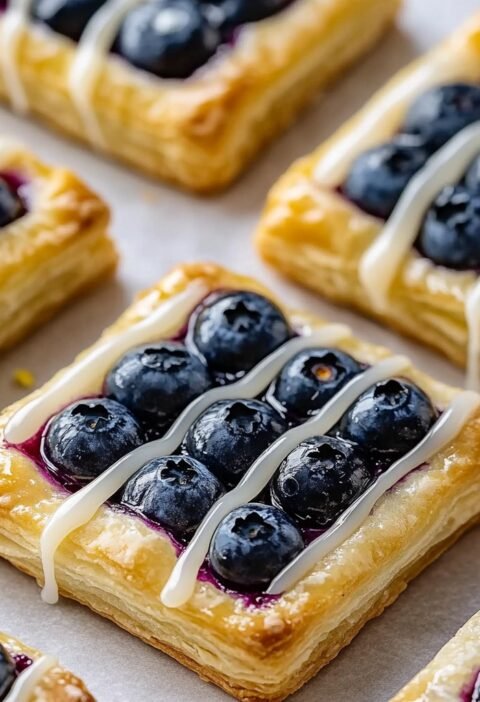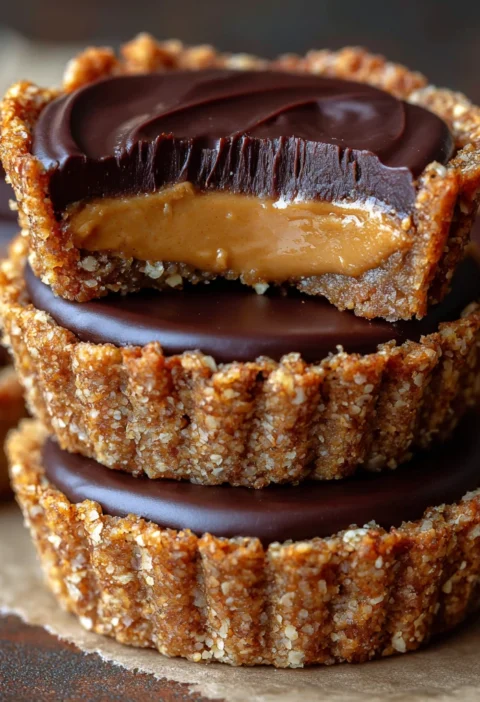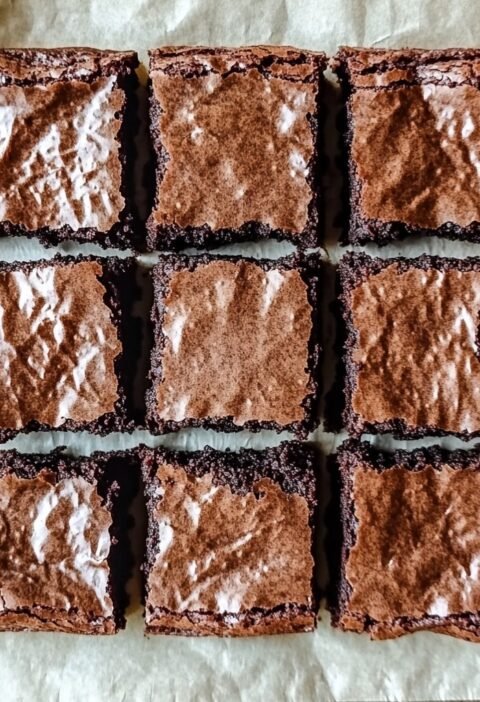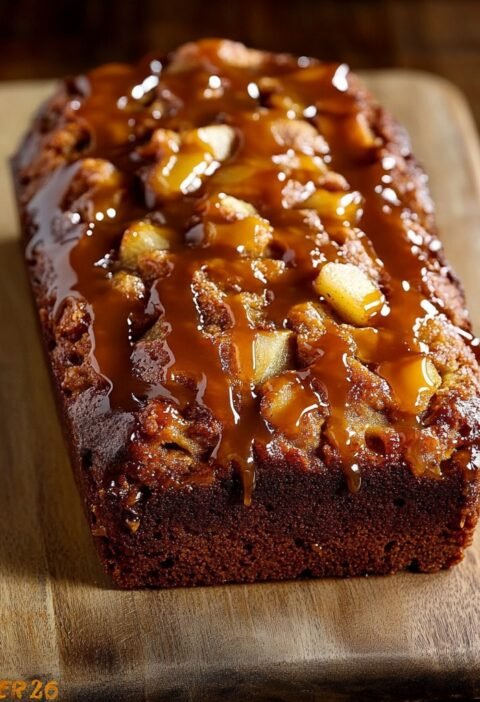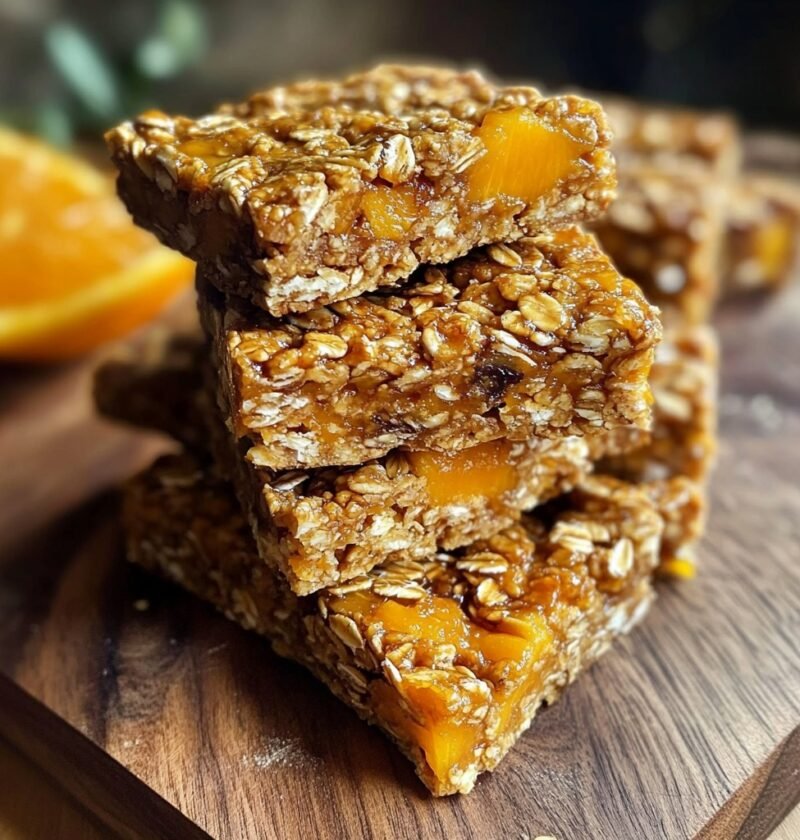
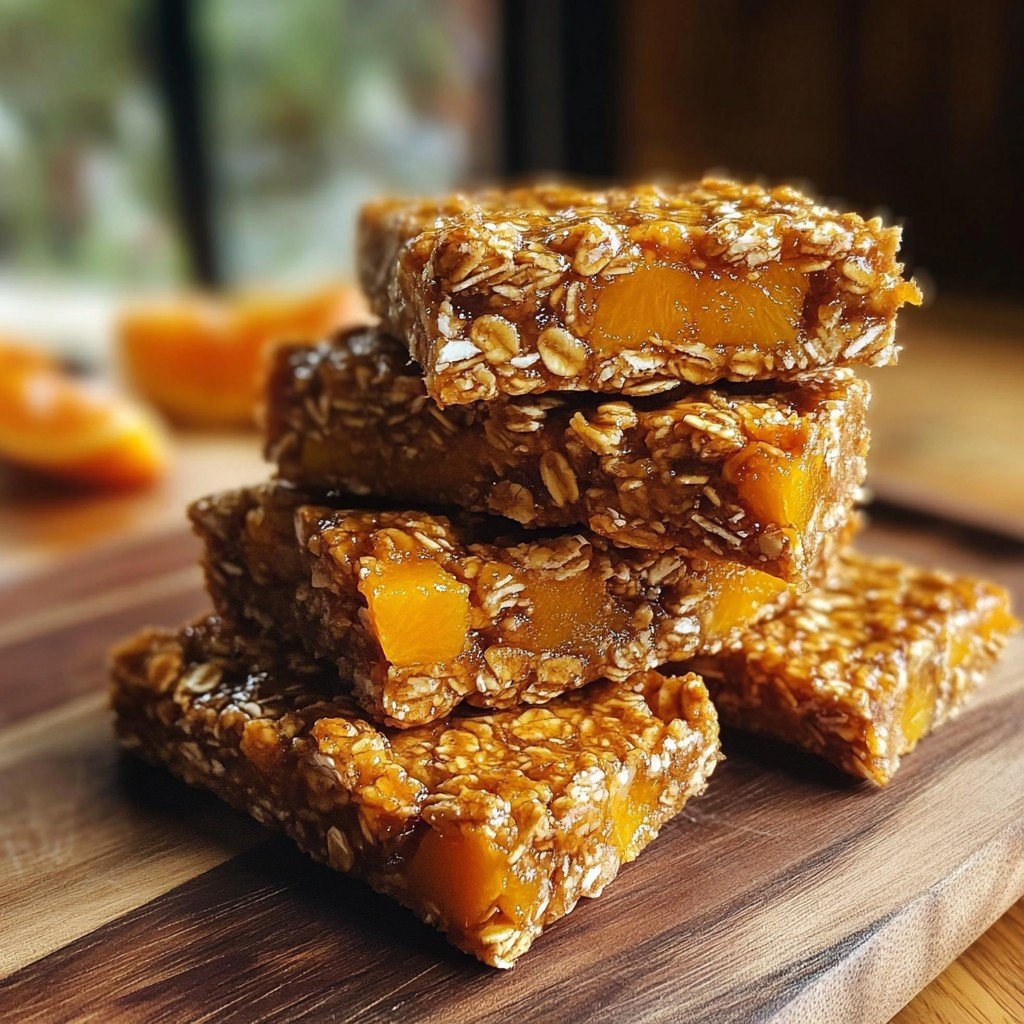
When the first rays of spring sunshine appear and seasonal produce bursts to life, what better way to celebrate than with fresh and vibrant Mango Flapjacks Spring Baking Recipes? Flapjacks, a beloved classic from British baking traditions, are oat bars typically sweetened with golden syrup and rich butter.
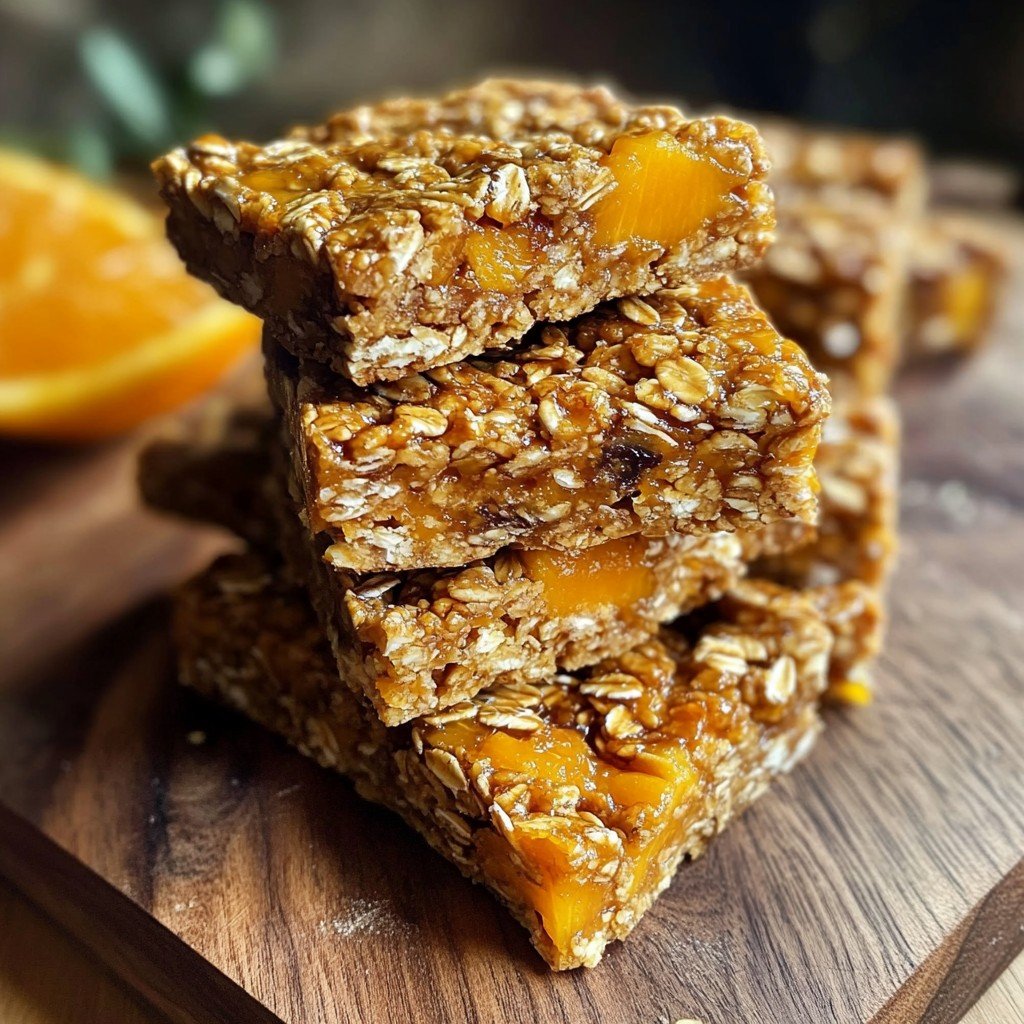
By infusing the sweet, juicy tang of mangoes into the mix, these Mango Flapjacks become an irresistible treat that captures the spirit of spring. Flapjacks originated centuries ago, gaining popularity as a portable snack in the United Kingdom. Traditionally, they consisted of basic pantry staples—oats, butter, and syrup.
However, modern baking trends have seen the addition of dried fruits, nuts, and other flavors, turning flapjacks into a versatile and nutritious snack or dessert.
This Mango Flapjacks Spring Baking Recipes article will guide you through each step of the baking process, ensuring you have all the essential tips, tricks, and variations at your fingertips.
Whether you’re looking to add a homemade touch to your weekend brunch, pack nutrient-rich snacks for family outings, or simply want to explore fresh baking ideas bursting with seasonal flavors, this recipe is designed for you.
The addition of mango not only imparts natural sweetness but also adds vital nutrients, taking the humble flapjack to a new level. Discover how these Mango Flapjacks strike the perfect balance of chewy oats, golden syrup, and fruity mango—ideal for springtime entertaining or an indulgent, guilt-free treat for yourself.
Ingredients
- 200g rolled oats
- 100g dried mango, chopped
- 125g unsalted butter
- 75g light brown sugar
- 90g golden syrup or honey
- 1 teaspoon vanilla extract
- 50g desiccated coconut (optional)
- 50g chopped nuts (such as almonds, cashews, or pistachios, optional)
- Pinch of salt
Instructions
- Preheat your oven to 180°C (160°C fan) or 350°F. Line a 20x20cm (8×8 inch) square baking tin with baking parchment.
- In a medium saucepan, melt the unsalted butter, light brown sugar, and golden syrup (or honey) over low heat. Stir consistently until the mixture is smooth and combined. Remove from heat and allow it to cool slightly.
- Add the vanilla extract and a pinch of salt to the melted mixture, stirring to incorporate.
- In a large mixing bowl, combine the rolled oats, dried mango pieces, desiccated coconut (if using), and chopped nuts (if using). Mix well to evenly distribute the ingredients.
- Pour the melted butter mixture over the dry ingredients. Use a wooden spoon or spatula to mix thoroughly, ensuring all the oats are coated and the mango is evenly distributed.
- Transfer the mixture to the prepared baking tin. Press it down firmly with the back of a spoon or spatula to ensure an even, compact layer.
- Bake in the preheated oven for 25-30 minutes, or until the edges are golden brown and the center is just set.
- Remove from the oven and allow to cool in the tin for 15-20 minutes. Once partially cooled, lift the flapjack slab out of the tin using the parchment edges and set it on a wire rack to cool completely.
- Once fully cooled, slice into 12 squares or bars. Store in an airtight container for up to a week.
Nutritional Information
Mango Flapjacks Spring Baking Recipes offer a delicious fusion of flavor and nutrition. Each bar is packed with wholesome oats, which are a fantastic source of fiber, essential for maintaining digestive health and providing sustained energy.
Oats also contain complex carbohydrates and valuable minerals such as manganese, phosphorus, magnesium, and zinc. The dried mango not only delivers a sweet, tangy burst but is also rich in vitamins A and C, both important for immune support and skin health.
The use of unsalted butter supplies healthy fats and fat-soluble vitamins, while the small amount of golden syrup ensures the right level of natural sweetness without relying solely on refined sugars. If you include optional nuts, your flapjacks will have an extra boost of plant-based protein, iron, and heart-healthy fats.
Desiccated coconut adds a fiber punch and a mild, tropical flavor. A typical bar from this Mango Flapjacks Spring Baking Recipes batch provides approximately 200-250 calories, 5-7 grams of fat, 3-4 grams of protein, 30-35 grams of carbohydrates, and about 2-3 grams of dietary fiber.
These values make each flapjack a filling snack or quick breakfast on the go. What makes Mango Flapjacks especially suitable for spring is their blend of energy, vitamins, and fruity flavor.
The bars are free from artificial additives and can be customized for various dietary needs, making them a nutritious alternative to store-bought snacks.
Wine and Beverage Pairings
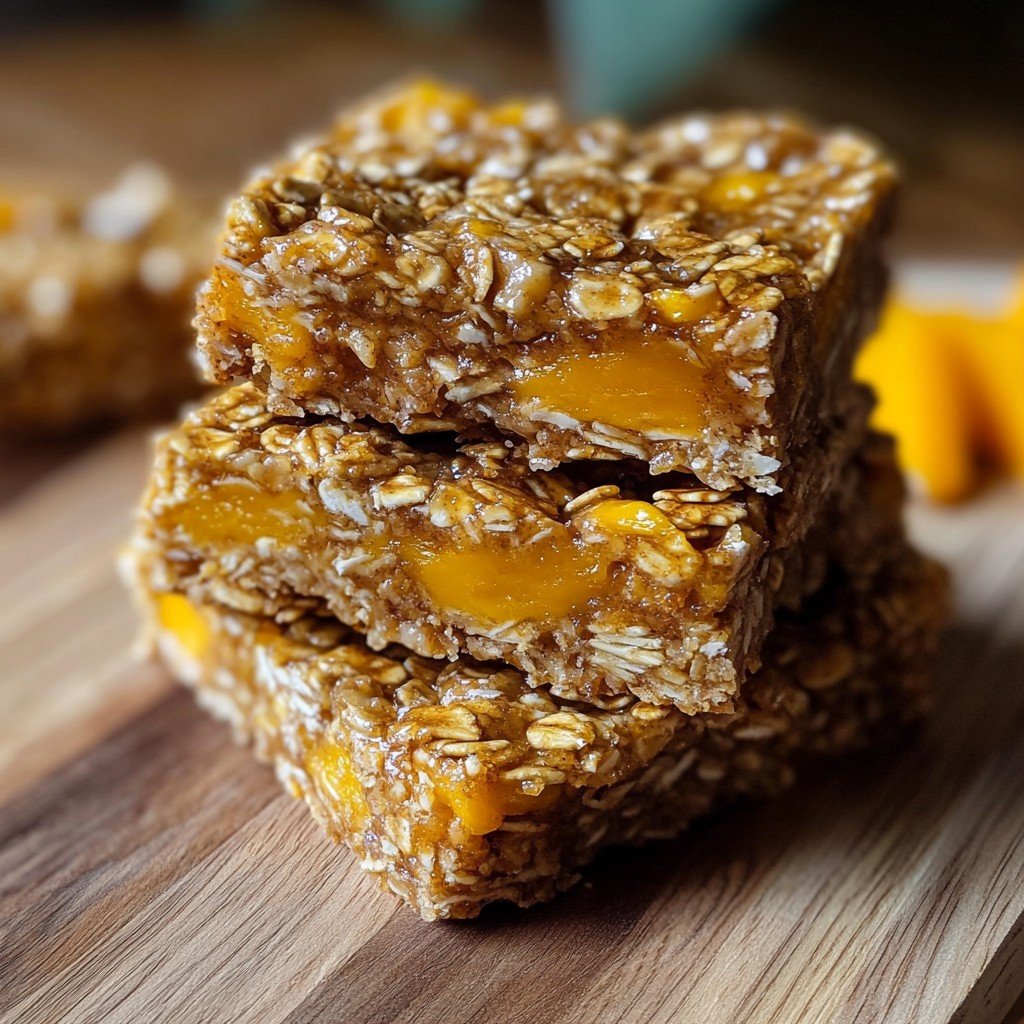
A freshly baked Mango Flapjack pairs beautifully with a variety of beverages, whether you prefer something cooling or warming. For a refreshing spring pairing, consider serving your bars with iced herbal teas such as hibiscus, mint, or chamomile, which will complement the fruity mango notes.
If you are serving these at brunch, a glass of lightly sweetened mango lassi perfectly echoes the flapjack’s tropical flavors. Those enjoying a more indulgent moment might like a frothy cappuccino or a sweet, spiced chai latte.
For a grown-up treat, Mango Flapjacks Spring Baking Recipes go surprisingly well with a chilled glass of Moscato d’Asti or a light, slightly effervescent Prosecco; the gentle bubbles and delicate sweetness beautifully balance the chewy bars.
Non-alcoholic options such as sparkling water with a splash of lime or a simple, cold-brewed black tea also make a delightful accompaniment.
Cooking Tips and Variations
To perfect your Mango Flapjacks Spring Baking Recipes, consider the following practical tips and fun variations. First, always choose high-quality oats for the best texture—rolled oats work best for their chewiness, but you could experiment with a mix of rolled and quick oats for variety.
If using fresh mango, make sure it is finely diced and well-drained to avoid excess moisture that could result in soggy flapjacks. Dried mango is preferred for its concentrated flavor and ease of use.
Don’t over-bake; flapjacks should be slightly soft in the center when hot but will firm up as they cool. To add more texture, stir in seeds like pumpkin or sunflower or use chopped almonds or pistachios for extra crunch.
For a different flavor profile, substitute the golden syrup with honey or agave syrup, and try adding a sprinkle of cinnamon or cardamom for a warm, aromatic note reflecting the freshness of spring.
For chocolate lovers, add a handful of dark chocolate chips or drizzle melted white chocolate over the finished bars. If you require a vegan version, swap the butter for coconut oil or a plant-based alternative, ensuring it is fully melted before mixing.
For gluten-free Mango Flapjacks, ensure that your oats are certified gluten-free and double-check all other ingredients. These tips help make your Mango Flapjacks Spring Baking Recipes both adaptable and appealing to a wider audience, perfect for celebrations, gifting, or healthy snacking.
Serving Suggestions
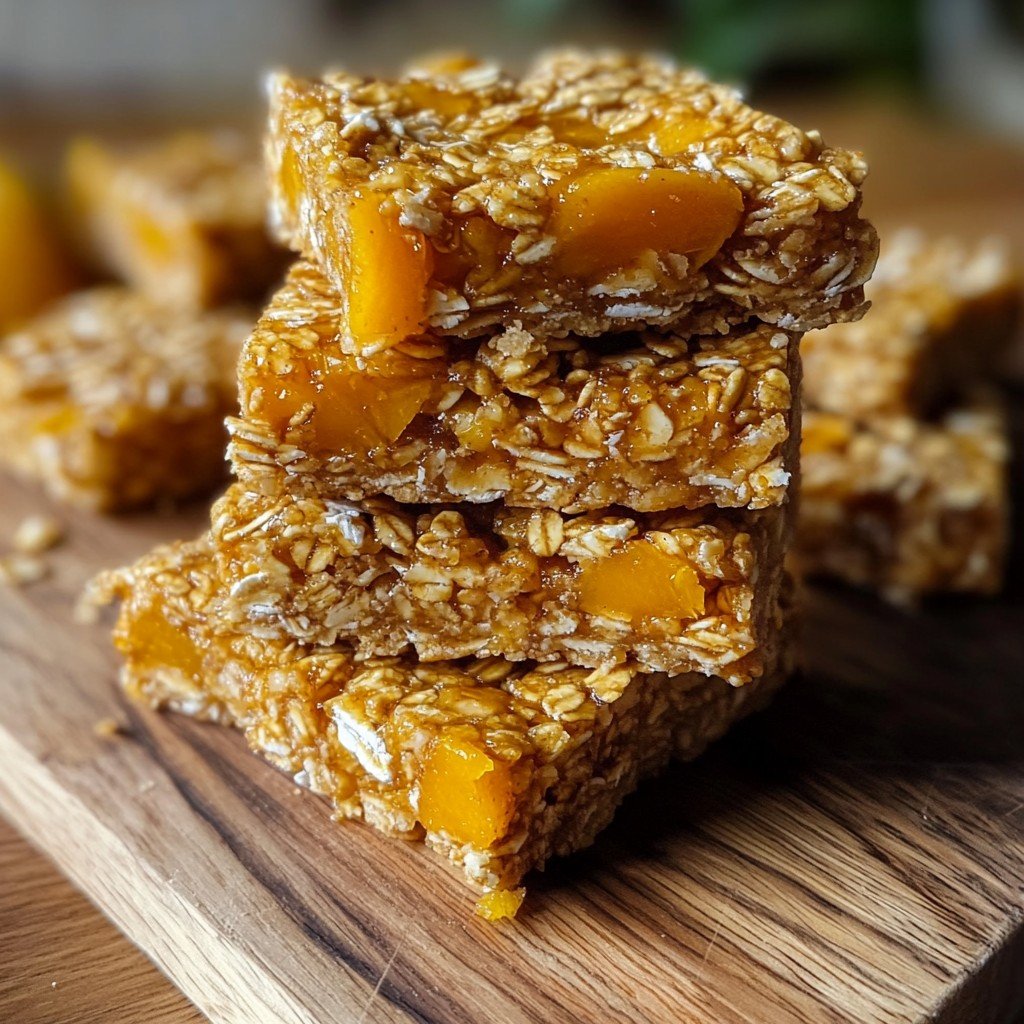
Mango Flapjacks Spring Baking Recipes are versatile enough to shine at every occasion. Present them as part of a bright spring breakfast spread with fresh fruit, yogurt, and other baked goods.
For on-the-go snacking, wrap individual bars in parchment paper and tie with string, making them travel-friendly for picnics, hikes, or school lunches. These flapjacks are sturdy and portable, so they’re ideal for outdoor gatherings or potlucks.
For special occasions, pile them on a tiered cake stand and garnish with a dusting of powdered sugar and a few slivers of fresh or dried mango for an elegant touch. Complement the bars with honey or yogurt for added creaminess and tang.
They also double as a nourishing dessert, especially when served slightly warm with a scoop of coconut, vanilla, or mango ice cream. In lunchboxes, pair them with a small serving of nuts or sliced seasonal fruit for a balanced energy boost.
However you choose to serve them, Mango Flapjacks are sure to bring a smile to every guest and add color and cheer to your spring table.
Health Benefits
Mango Flapjacks Spring Baking Recipes aren’t just delicious—they also offer several health benefits, especially during the changing seasons. Oats, the main ingredient, are renowned for their cholesterol-lowering beta-glucan fiber, which can support cardiovascular health and stabilize blood sugar spikes.
Mangos, whether fresh or dried, are packed with antioxidants such as zeaxanthin and beta-carotene, promoting eye health, supporting the immune system, and protecting against oxidative stress. The inclusion of nuts provides plant-based protein and omega-3 fatty acids, which are vital for brain health and managing inflammation.
Compared to many store-bought bars, these homemade mango flapjacks contain fewer processed ingredients, allowing you to control the amount and quality of sweetener used.
Since the recipe can be easily adapted to be dairy-free, gluten-free, or vegan, it caters to a variety of dietary preferences and allergies, making it suitable for a wider audience. The addition of coconut not only supplies flavor but also necessary minerals and healthy fats, supporting metabolism and satiation.
By choosing Mango Flapjacks Spring Baking Recipes, you’re treating yourself to a snack that is as nutritious as it is flavorful.
Frequently Asked Questions
Yes, you can use fresh mango, but be sure to dice it finely and drain any excess liquid. The extra moisture can make the flapjacks softer, so you may need to bake them a few minutes longer or reduce the wet ingredients slightly.
Mango Flapjacks keep fresh for up to a week when stored in an airtight container at room temperature. For longer storage, freeze the bars individually wrapped for up to three months.
Absolutely! Just use certified gluten-free oats and verify that any additional ingredients you add are gluten-free as well. The result will be just as tasty and satisfying.
You can substitute honey, maple syrup, or agave syrup in place of golden syrup. Each lends a slightly different flavor, so choose based on your preference.
To make the recipe vegan, use dairy-free butter or coconut oil and opt for maple syrup or agave instead of honey. Dried mango and the other basic ingredients are naturally plant-based.
With Mango Flapjacks Spring Baking Recipes, you bring the fresh flavors and vibrant colors of the season into your kitchen with ease. This recipe reinvents classic flapjacks with tropical mango and wholesome ingredients, perfect for both everyday snacking and special springtime gatherings. From their chewy, golden texture to their simple, customizable approach, these bars deliver on both flavor and nutrition. Whether you're baking for your family, impressing guests, or seeking a smarter snack, Mango Flapjacks are sure to become a spring favorite. Embrace the joys of homemade baking, experiment with your favorite mix-ins, and make every bite a delicious celebration of spring.
Ingredients
- 200g rolled oats
- 100g dried mango, chopped
- 125g unsalted butter
- 75g light brown sugar
- 90g golden syrup or honey
- 1 teaspoon vanilla extract
- 50g desiccated coconut (optional)
- 50g chopped nuts (such as almonds, cashews, or pistachios, optional)
- Pinch of salt
Instructions
-
1Preheat your oven to 180°C (160°C fan) or 350°F. Line a 20x20cm (8×8 inch) square baking tin with baking parchment.
-
2In a medium saucepan, melt the unsalted butter, light brown sugar, and golden syrup (or honey) over low heat. Stir consistently until the mixture is smooth and combined. Remove from heat and allow it to cool slightly.
-
3Add the vanilla extract and a pinch of salt to the melted mixture, stirring to incorporate.
-
4In a large mixing bowl, combine the rolled oats, dried mango pieces, desiccated coconut (if using), and chopped nuts (if using). Mix well to evenly distribute the ingredients.
-
5Pour the melted butter mixture over the dry ingredients. Use a wooden spoon or spatula to mix thoroughly, ensuring all the oats are coated and the mango is evenly distributed.
-
6Transfer the mixture to the prepared baking tin. Press it down firmly with the back of a spoon or spatula to ensure an even, compact layer.
-
7Bake in the preheated oven for 25-30 minutes, or until the edges are golden brown and the center is just set.
-
8Remove from the oven and allow to cool in the tin for 15-20 minutes. Once partially cooled, lift the flapjack slab out of the tin using the parchment edges and set it on a wire rack to cool completely.
-
9Once fully cooled, slice into 12 squares or bars. Store in an airtight container for up to a week.
Approximate Information for One Serving
Nutrition Disclaimers
Number of total servings shown is approximate. Actual number of servings will depend on your preferred portion sizes.
Nutritional values shown are general guidelines and reflect information for 1 serving using the ingredients listed, not including any optional ingredients. Actual macros may vary slightly depending on specific brands and types of ingredients used.
To determine the weight of one serving, prepare the recipe as instructed. Weigh the finished recipe, then divide the weight of the finished recipe (not including the weight of the container the food is in) by the desired number of servings. Result will be the weight of one serving.
Did you make this recipe?
Please consider Pinning it!