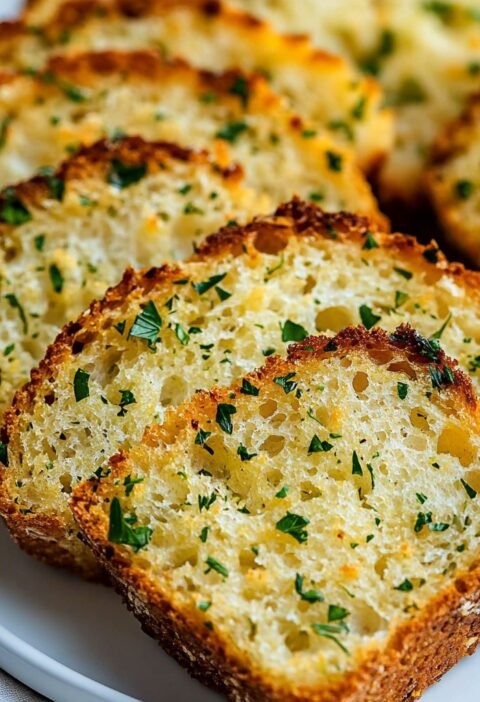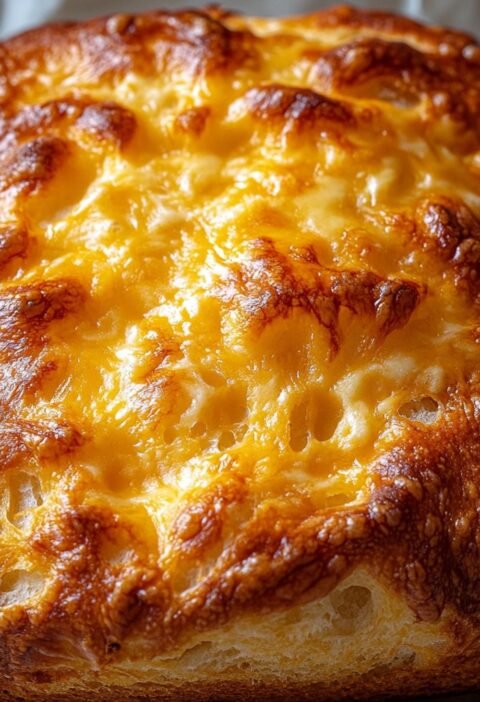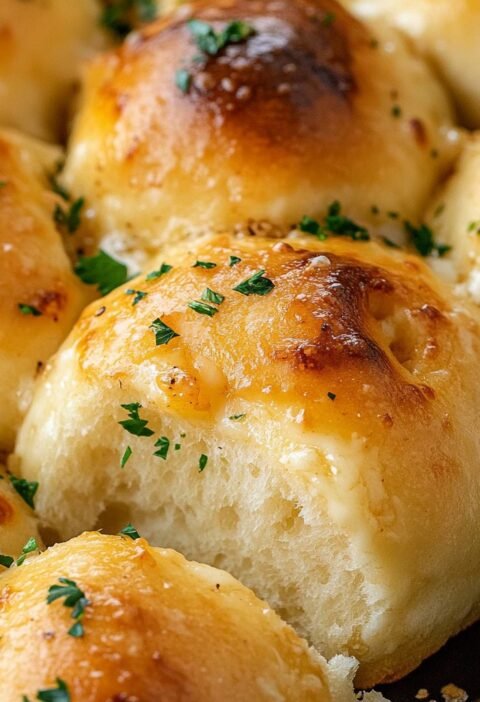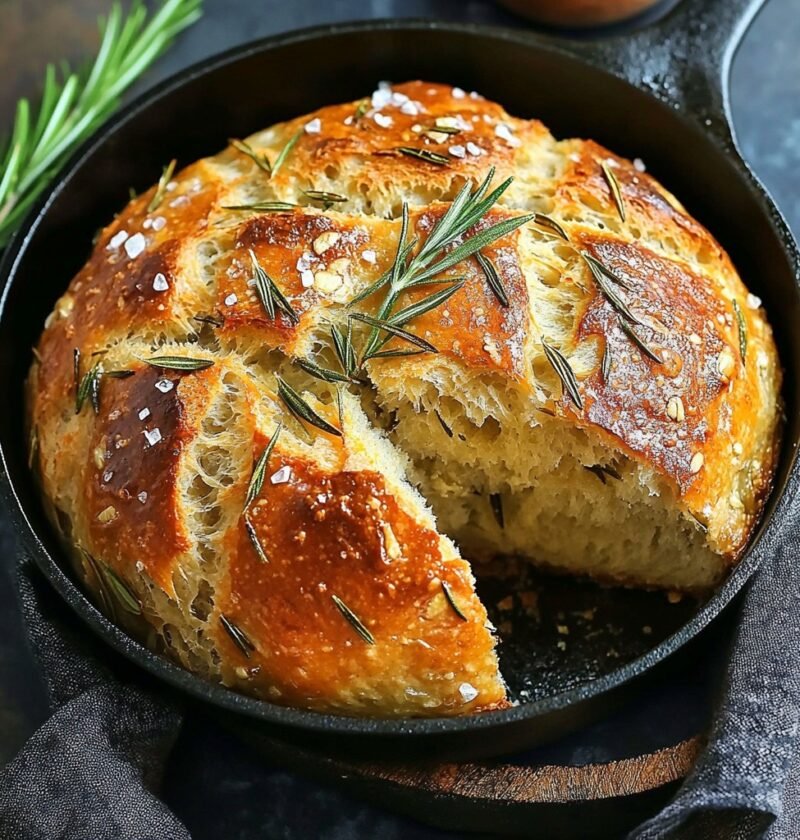
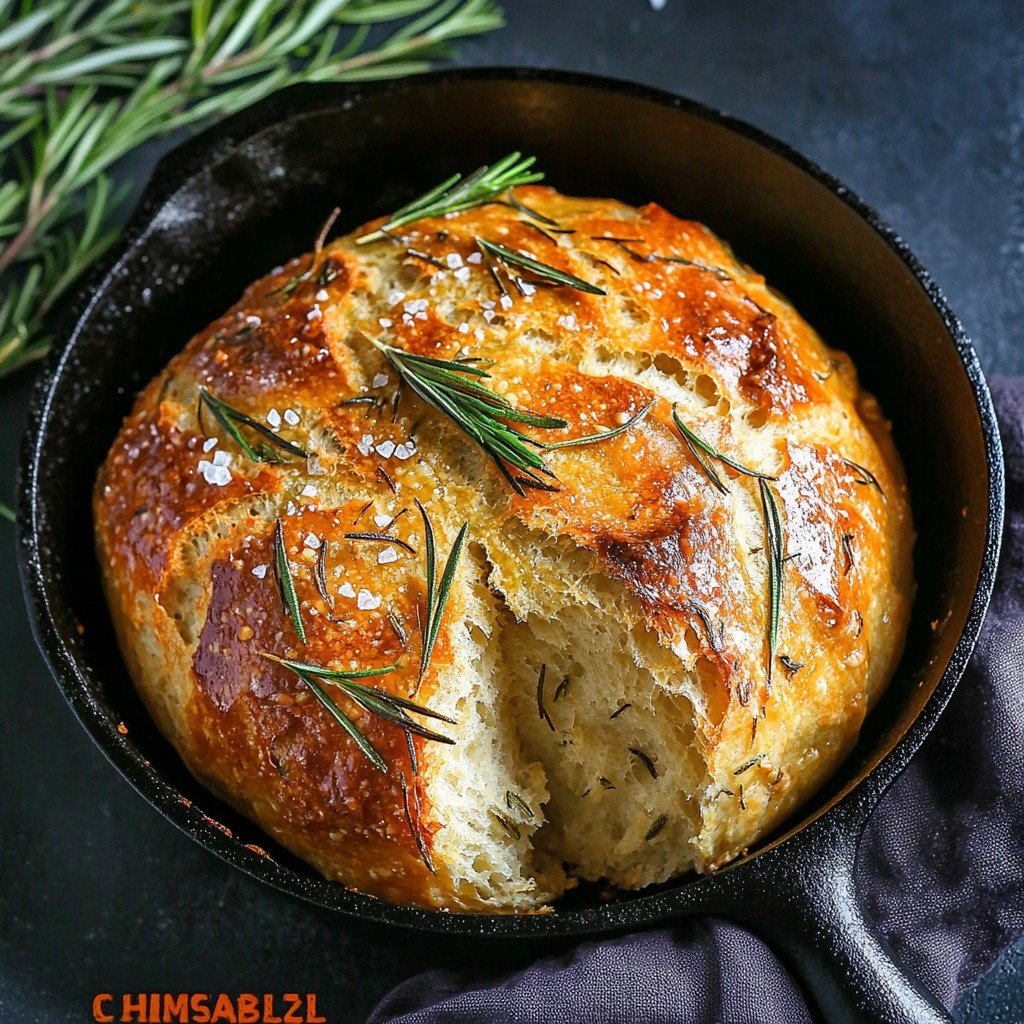
No Knead Rosemary Garlic Bread has rapidly gained fame among both novice and experienced home bakers. This artisanal marvel delivers all the satisfaction of bakery-quality bread without requiring any prior bread-making expertise, complicated equipment, or labor-intensive kneading.
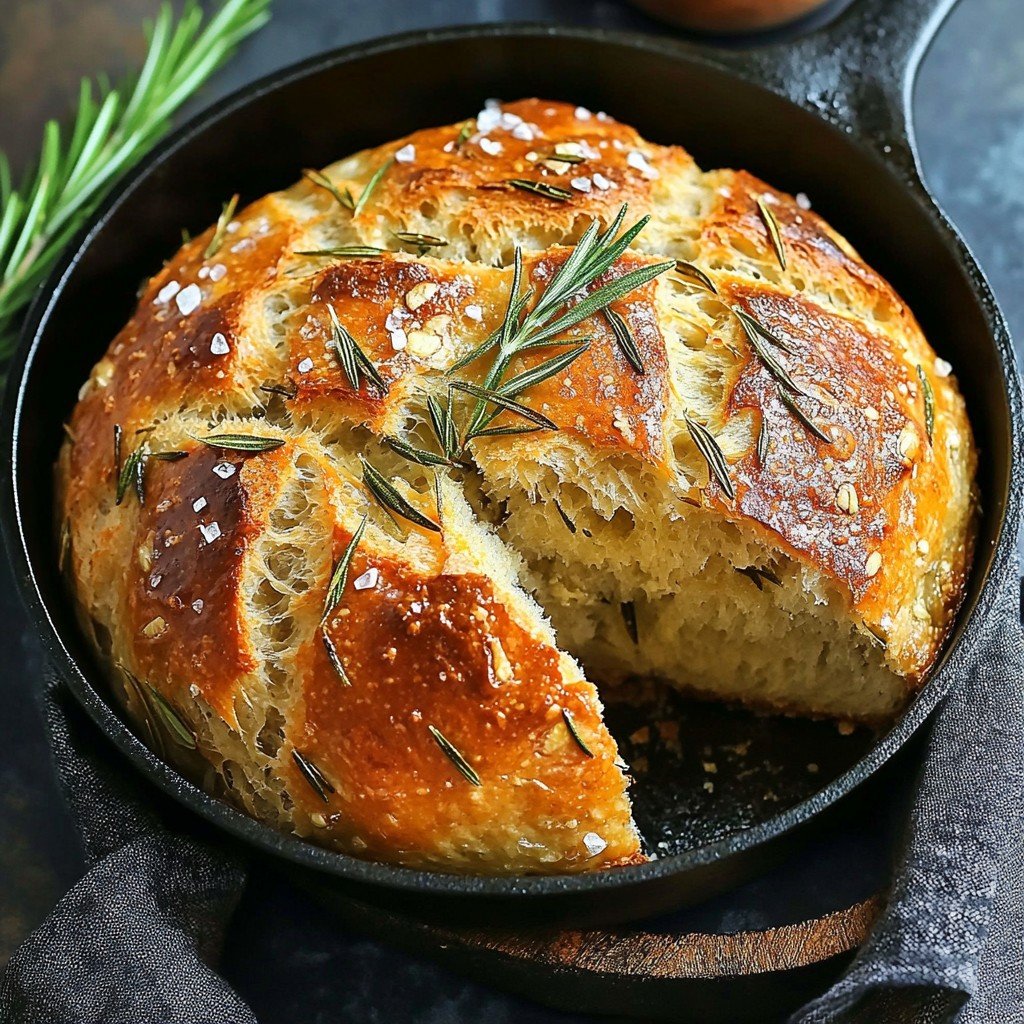
Originally inspired by Jim Lahey's revolutionary no-knead method, the technique relies on a wet dough and extended fermentation, which allows gluten strands to form naturally for an airy, textured crumb and a crisp, golden crust.
The inclusion of rosemary and garlic infuses the bread with an irresistible aroma and flavor that instantly elevates the experience, creating the perfect centerpiece for any meal or as a savory snack straight out of the oven.
The use of fresh herbs and roasted garlic not only enhances the taste but also celebrates the farmhouse traditions found in Mediterranean and rustic European breads.
This No Knead Rosemary Garlic Bread is an easy yet impressive way to add warmth and fragrance to your table, ideal for beginners and busy cooks alike. The method is highly adaptable, forgiving even of minor errors, and is lauded for its convenience—just mix, rest, and bake.
In recent years, the bread has become a viral sensation, trending across social media platforms and food blogs due to its simplicity, minimal hands-on time, and stunning results.
The presence of rosemary and garlic isn’t just about their bold flavors; they also connect to centuries-old practices where herbs were used for their preservative and healthful qualities.
Whether you are looking for the nostalgia of homemade crusty breads or aiming to impress guests, learning the secrets behind No Knead Rosemary Garlic Bread is a delicious journey into artisan baking that anyone can enjoy.
Ingredients
- 3 1/4 cups (420g) all-purpose flour
- 1 1/2 teaspoons kosher salt
- 1/2 teaspoon instant or active dry yeast
- 1 1/2 cups (355ml) lukewarm water
- 2 tablespoons olive oil, plus extra for bowl and brushing
- 4-5 garlic cloves, roasted and finely chopped
- 2 tablespoons fresh rosemary leaves, finely chopped
- Extra flour or cornmeal for dusting
Instructions
- Begin by roasting the garlic: Preheat your oven to 400°F (200°C). Wrap the unpeeled garlic cloves in foil with a drizzle of olive oil and bake for 30-35 minutes until soft. Cool, then peel and finely chop.
- In a large mixing bowl, combine the flour, salt, and yeast. Stir in the finely chopped rosemary and roasted garlic.
- Pour in the lukewarm water and olive oil. Using a wooden spoon or spatula, gently mix until a sticky, shaggy dough forms. No kneading is needed; just mix until combined.
- Lightly oil a clean bowl and transfer the dough into it. Cover the bowl tightly with plastic wrap or a damp cloth, and let it rest at room temperature for 12-18 hours. The dough should double in size and appear dotted with bubbles.
- After the first rise, generously flour a clean surface and gently tip out the dough. Flour your hands and shape the dough into a round or oval loaf. Be gentle to preserve the air bubbles for a lighter crumb.
- Lay a piece of parchment paper in a clean bowl or proofing basket, then transfer the shaped dough onto it. Cover loosely with a towel and let rise for another 1-2 hours, or until slightly puffed.
- About 30 minutes before baking, preheat your oven to 450°F (230°C) with a Dutch oven or heavy pot (with lid) inside to heat.
- Carefully remove the hot pot from the oven. Lift the dough with the parchment paper and transfer it into the pot. Lightly brush the top with olive oil and, if desired, sprinkle with extra rosemary.
- Cover with the lid and bake for 30 minutes. Remove the lid and bake for another 12-18 minutes until the crust is golden brown and crisp.
- Carefully lift the bread out of the pot and let it cool on a rack for at least 1 hour before slicing to lock in moisture and finish the flavor development.
Nutritional Information
No Knead Rosemary Garlic Bread is a flavorful addition to any meal and delivers a thoughtful balance of carbohydrates, plant-based protein, and healthy fats.
One slice (approximately 1/12 of the loaf) contains about 130-150 calories, with roughly 26-30 grams of carbohydrates, 3-4 grams of protein, and 2-3 grams of fat, most coming from heart-healthy olive oil.
Rosemary and garlic not only contribute robust flavor but also infuse the bread with beneficial phytonutrients and antioxidants that may help reduce inflammation and support overall wellness. This bread is free of added sugars and preservatives, making it a cleaner option compared to many store-bought varieties.
The moderate sodium content, derived from kosher salt, is adjustable based on personal preference or dietary needs. Compared to traditional bread recipes that often call for ample butter or enriched flours, this No Knead Rosemary Garlic Bread is lighter yet incredibly satisfying.
It pairs well with fresh or roasted vegetables, lean proteins, and homemade spreads, helping you build nutrient-rich, balanced meals. If seeking a healthier bread option, opt for whole wheat or a blend of whole grain flours for added fiber and micronutrients.
For individuals sensitive to gluten, the bread can be made with a gluten-free flour blend, though the texture will differ. Always portion accordingly and balance your serving with plenty of healthy proteins and vegetables for a complete and nourishing meal.
Wine and Beverage Pairings
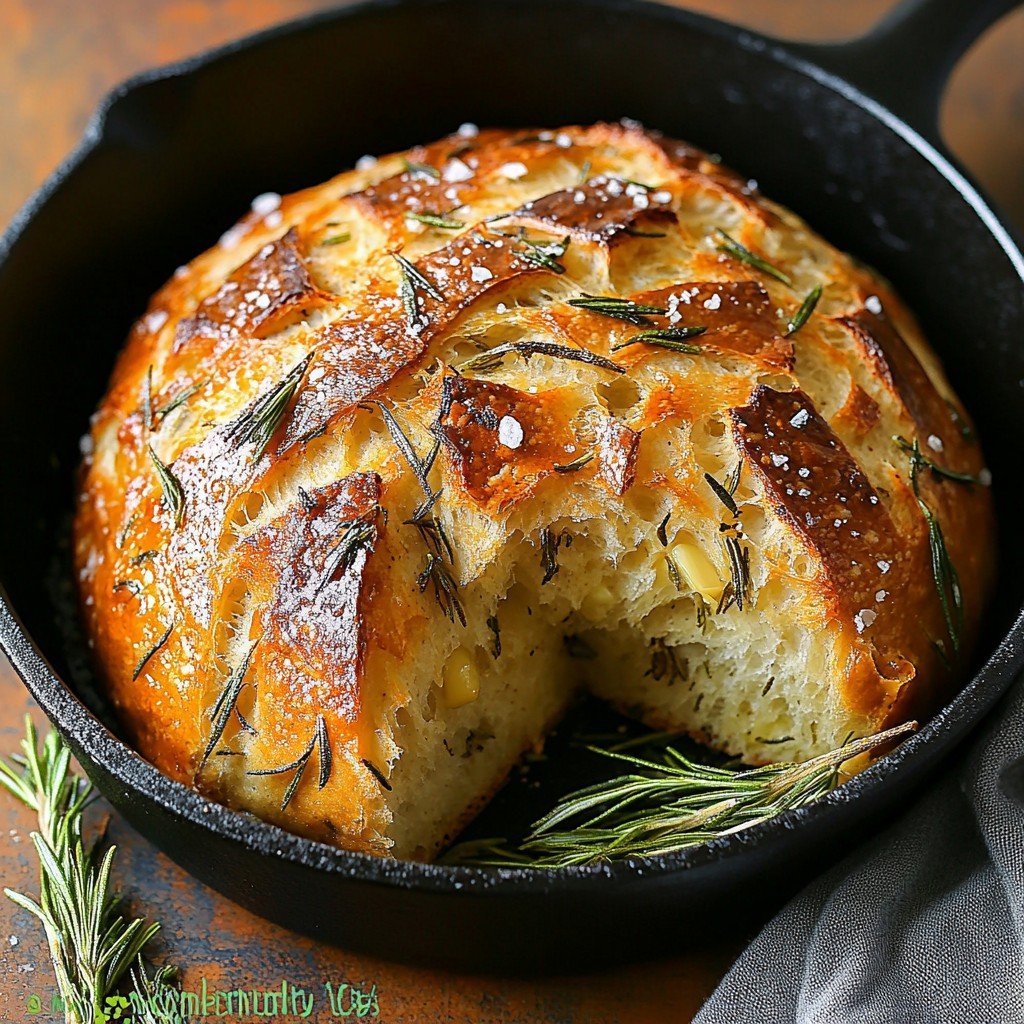
The earthy, fragrant notes of No Knead Rosemary Garlic Bread pair harmoniously with a range of classic and modern beverages. For wine lovers, a crisp Sauvignon Blanc or a fruity Chianti accentuates the herbal and garlicky tones, offering a balanced palate cleanser between bites.
A dry rosé or a light Pinot Grigio also makes for a refreshing pairing, especially during warmer months. Those who prefer non-alcoholic drinks will enjoy a sparkling lemonade or herbal iced tea flavored with fresh rosemary or sage, which complements the bread’s aroma.
If serving the bread warm from the oven as an appetizer, try pairing with an Italian aperitif such as a Negroni or Aperol Spritz, or opt for a robust craft pale ale or wheat beer—the bready, malty flavors enhance the artisanal feel.
For a comforting brunch, coffee lovers can enjoy this loaf alongside a lightly roasted brew, as its acidity balances the subtle richness of garlic and olive oil.
Cooking Tips and Variations
For the best No Knead Rosemary Garlic Bread, start with the freshest ingredients possible. High-quality extra-virgin olive oil, fresh rosemary, and well-roasted garlic will impart unmatched aroma and depth. Always measure your flour by weight for accuracy, as cup measurements can vary.
The secret to a flavorful, open crumb lies in a long, slow rise—the 12-18 hour fermentation allows natural flavors to develop and gluten to form. Don’t rush this process; patience is rewarded with bakery-quality results.
If your kitchen is chilly, allow the dough to ferment slightly longer, or place the bowl in a switched-off oven with the light on for gentle warmth. Variations are limitless: try adding olives, sun-dried tomatoes, or even a touch of cracked black pepper for extra zest.
For cheese lovers, sprinkle in some grated Parmesan or Asiago. Gluten-free flour blends also work with no-knead recipes, though the crumb may be denser. For a crispier crust, spritz the oven with a little water right before baking, or leave the Dutch oven lid on a few minutes longer.
If you lack a Dutch oven, use any heavy, oven-safe pot with a tight-fitting lid, or create a steam bath in your oven. Leftover bread keeps well for two to three days at room temperature, well wrapped; rejuvenate slices by toasting.
Be sure to let the bread cool fully before cutting to preserve texture.
Serving Suggestions
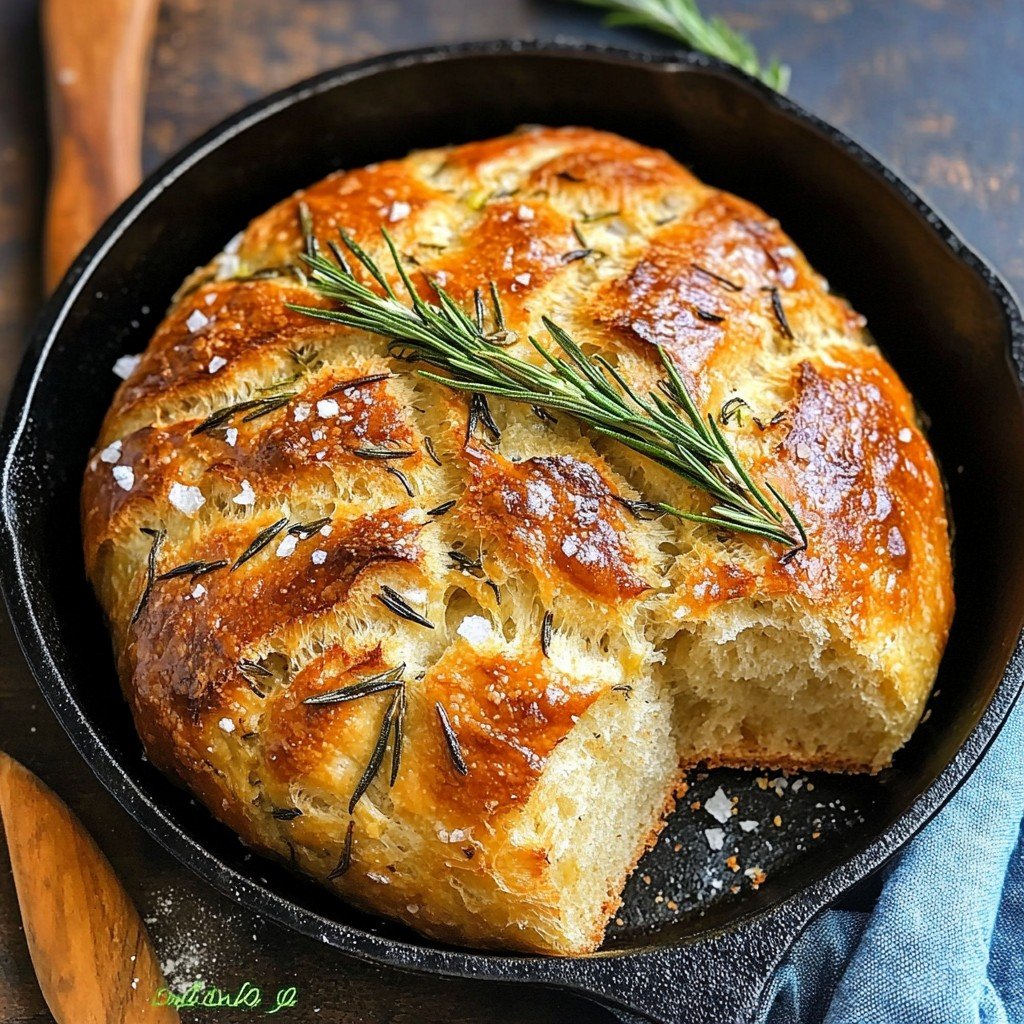
To fully experience No Knead Rosemary Garlic Bread, present it fresh from the oven with its crust crackling and golden. Slice thick or thin according to preference—the airy, soft crumb is perfect for capturing spreads and dips.
Serve alongside a bowl of aromatic olive oil, perhaps enhanced with balsamic vinegar and a pinch of extra rosemary or sea salt for dipping. As part of a meal, this bread is a natural partner to hearty soups like minestrone, creamy tomato, or roasted vegetable medleys.
Its flavors complement cheese boards with aged cheddar, gouda, or goat cheese, and it stands out as a warm base for open-faced sandwiches, topped with roasted vegetables, smoked salmon, or avocado.
For festive gatherings, offer the bread cut into rustic cubes for fondue, or use as the foundation for crowd-pleasing bruschetta topped with tomatoes, basil, and a drizzle of olive oil. If serving at brunch, pair with poached eggs or a Mediterranean-style shakshuka to absorb flavorful sauces.
For a novel twist, lightly grill slices and top with ricotta, honey, and a sprinkle of fresh thyme. The bread’s robust herbal notes ensure it shines even with simple accompaniment, providing both centerpiece status and versatile utility for all types of meals and occasions.
Health Benefits
No Knead Rosemary Garlic Bread is more than just delicious; it provides several notable health benefits, especially when enjoyed as part of a balanced diet. Olive oil, integral to the recipe, contains monounsaturated fats and polyphenols praised for supporting heart health and reducing inflammation.
Garlic adds potential anti-microbial and immune-boosting properties, linked in numerous studies to improved cardiovascular wellness and even modest cholesterol regulation. Fresh rosemary contributes antioxidants such as carnosic acid and rosmarinic acid, both associated with cognitive protection and anti-inflammatory effects.
When made at home, you control the sodium, types of fat, and can choose unbleached or whole grain flours for extra fiber and nutrients, distinguishing it from many commercial breads that can be high in added sugars, preservatives, and saturated fat.
The fermentation process may also help improve digestibility for some people, and the lack of dairy means it’s suitable for those avoiding lactose.
Nevertheless, bread is inherently carbohydrate-rich, so moderation is key for those monitoring blood sugar, and pairing it with protein or healthy fats will help maintain energy levels and satiety.
Homemade No Knead Rosemary Garlic Bread offers a satisfying, nourishing way to enjoy bread’s pleasures while adding the unique benefits of infused herbs and real, wholesome ingredients.
Frequently Asked Questions
Yes, you can substitute dried rosemary for fresh, but use less—about 2 teaspoons of dried rosemary in place of 2 tablespoons fresh. Dried rosemary is more potent and can have a tougher texture, so crush it a bit before adding to the dough for better flavor distribution.
Absolutely! Use a high-quality gluten-free flour blend designed for yeast breads. The texture will be a bit different—often denser—but you’ll still enjoy the beautiful flavor of rosemary and garlic.
If you don’t have a Dutch oven, use any heavy, oven-safe pot with a tight-fitting lid, or even a deep roasting pan covered with foil. Achieving a sealed, steamy baking environment is key for a crusty loaf.
The bread stays fresh at room temperature for about 2-3 days if well wrapped in a clean kitchen towel or stored in an airtight bag. Avoid refrigeration as it can dry the crumb. Freeze extra slices for up to one month, reheating as needed.
Definitely! Customize your loaf by folding in olives, sun-dried tomatoes, cheeses, or even nuts after the first rise. Just ensure extras are coarsely chopped and not too wet to maintain the dough’s structure.
No Knead Rosemary Garlic Bread showcases the magic of simple ingredients combined with a hands-off approach, resulting in a loaf that’s fragrant, crusty, and utterly irresistible. This recipe offers a culinary journey into the heart of artisan baking, delivering impressive looks and taste with minimal effort. Whether you’re hosting a dinner party, preparing a family meal, or just craving fresh bread with your soup or salad, this homemade option always delivers. Embrace the earthy rosemary, the mellow sweetness of roasted garlic, and the fulfilling experience of making your own bread. With easy steps, broad variations, and guaranteed crowd-pleasing flavor, No Knead Rosemary Garlic Bread deserves a place in every home baker’s repertoire. Experiment, share, and enjoy the warmth it brings to your table.
Ingredients
- 3 1/4 cups (420g) all-purpose flour
- 1 1/2 teaspoons kosher salt
- 1/2 teaspoon instant or active dry yeast
- 1 1/2 cups (355ml) lukewarm water
- 2 tablespoons olive oil, plus extra for bowl and brushing
- 4-5 garlic cloves, roasted and finely chopped
- 2 tablespoons fresh rosemary leaves, finely chopped
- Extra flour or cornmeal for dusting
Instructions
-
1Begin by roasting the garlic: Preheat your oven to 400°F (200°C). Wrap the unpeeled garlic cloves in foil with a drizzle of olive oil and bake for 30-35 minutes until soft. Cool, then peel and finely chop.
-
2In a large mixing bowl, combine the flour, salt, and yeast. Stir in the finely chopped rosemary and roasted garlic.
-
3Pour in the lukewarm water and olive oil. Using a wooden spoon or spatula, gently mix until a sticky, shaggy dough forms. No kneading is needed; just mix until combined.
-
4Lightly oil a clean bowl and transfer the dough into it. Cover the bowl tightly with plastic wrap or a damp cloth, and let it rest at room temperature for 12-18 hours. The dough should double in size and appear dotted with bubbles.
-
5After the first rise, generously flour a clean surface and gently tip out the dough. Flour your hands and shape the dough into a round or oval loaf. Be gentle to preserve the air bubbles for a lighter crumb.
-
6Lay a piece of parchment paper in a clean bowl or proofing basket, then transfer the shaped dough onto it. Cover loosely with a towel and let rise for another 1-2 hours, or until slightly puffed.
-
7About 30 minutes before baking, preheat your oven to 450°F (230°C) with a Dutch oven or heavy pot (with lid) inside to heat.
-
8Carefully remove the hot pot from the oven. Lift the dough with the parchment paper and transfer it into the pot. Lightly brush the top with olive oil and, if desired, sprinkle with extra rosemary.
-
9Cover with the lid and bake for 30 minutes. Remove the lid and bake for another 12-18 minutes until the crust is golden brown and crisp.
-
10Carefully lift the bread out of the pot and let it cool on a rack for at least 1 hour before slicing to lock in moisture and finish the flavor development.
Approximate Information for One Serving
Nutrition Disclaimers
Number of total servings shown is approximate. Actual number of servings will depend on your preferred portion sizes.
Nutritional values shown are general guidelines and reflect information for 1 serving using the ingredients listed, not including any optional ingredients. Actual macros may vary slightly depending on specific brands and types of ingredients used.
To determine the weight of one serving, prepare the recipe as instructed. Weigh the finished recipe, then divide the weight of the finished recipe (not including the weight of the container the food is in) by the desired number of servings. Result will be the weight of one serving.
Did you make this recipe?
Please consider Pinning it!