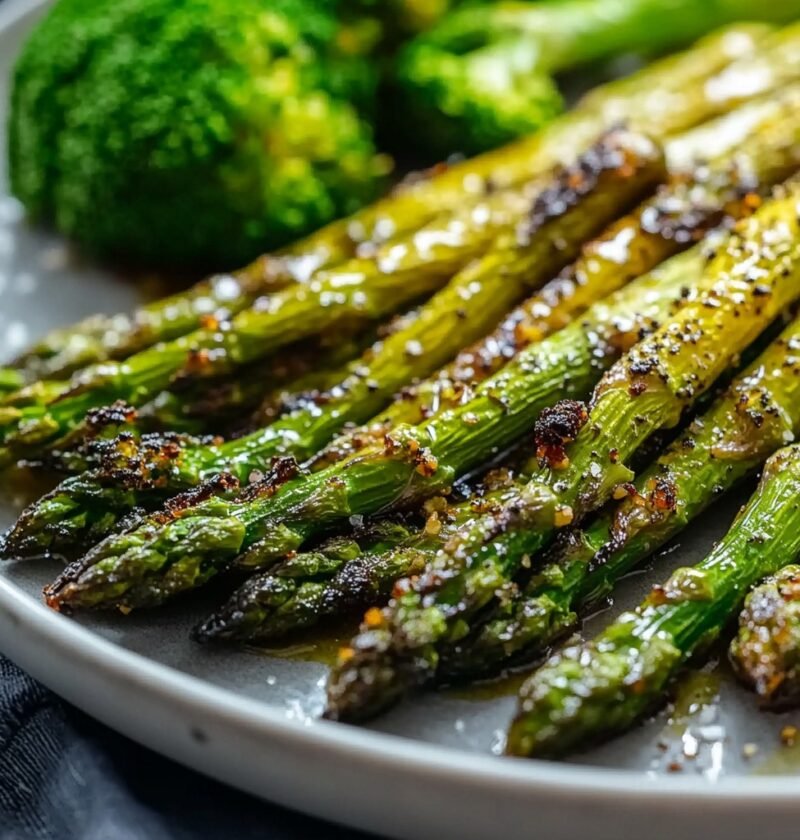
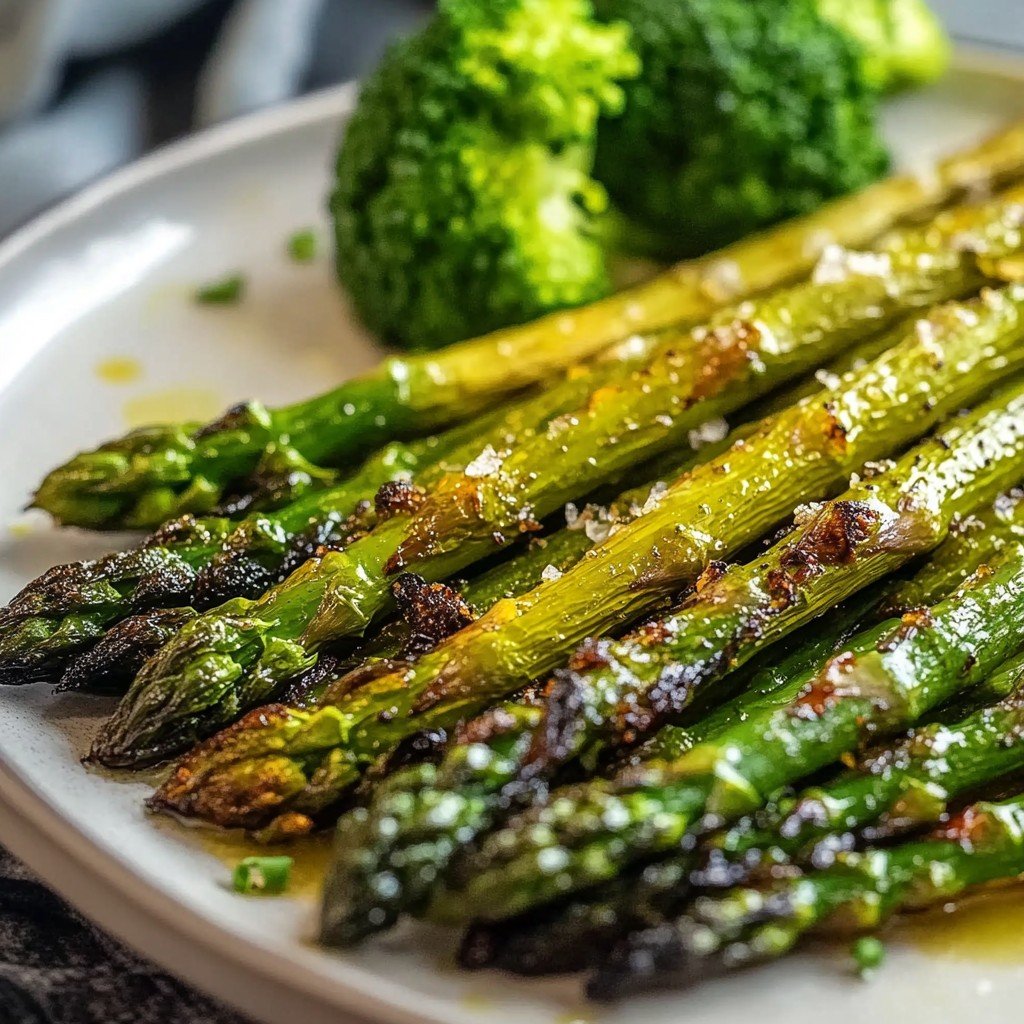
Paleo Roasted Asparagus and Broccoli is a versatile, nutrient-rich side dish that has become a favorite in many health-conscious homes. Drawing from the principles of the Paleo diet, which emphasizes whole foods and excludes processed grains and dairy, this recipe showcases the clean, crisp flavors of two beloved green vegetables.
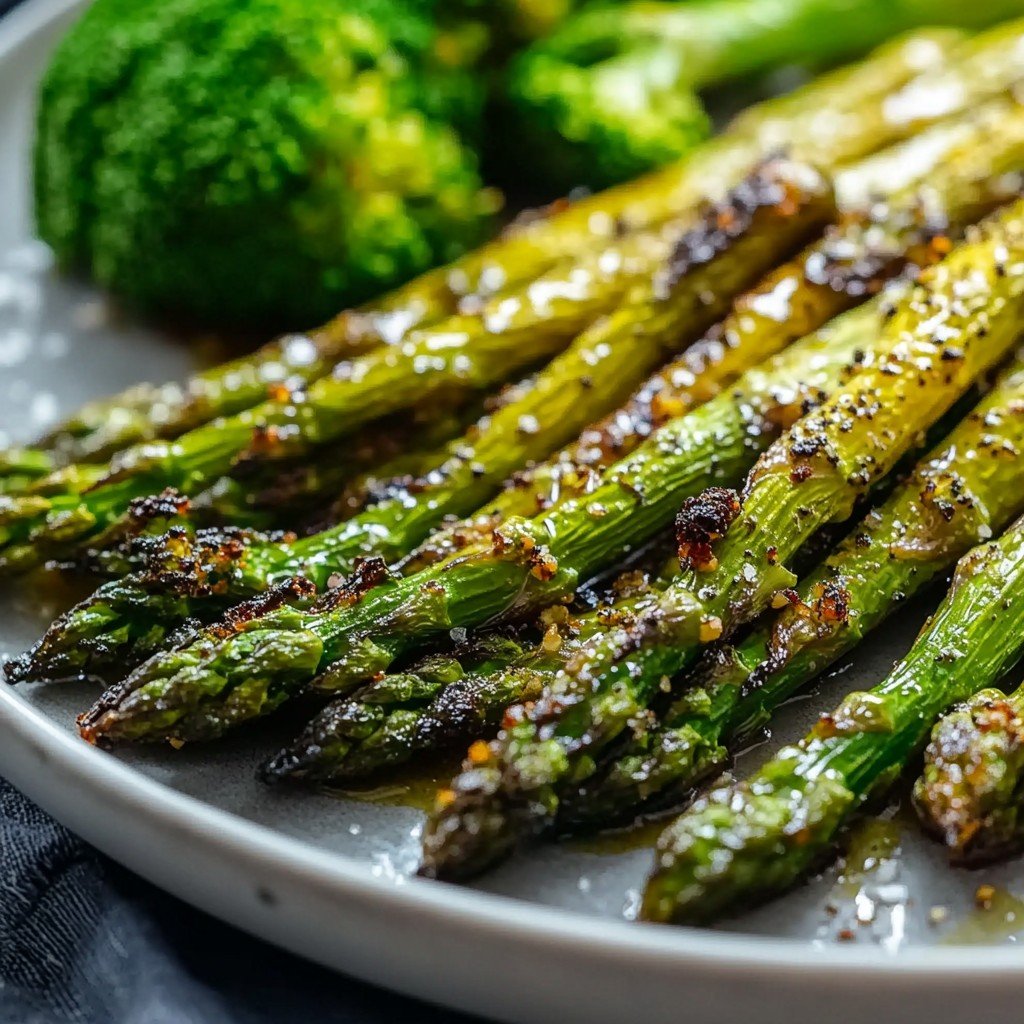
Both asparagus and broccoli have been enjoyed for centuries—a testament to their taste and health benefits. Asparagus was prized in ancient Rome for its delicate flavor and medicinal properties, while broccoli has been cultivated for over 2,000 years, valued for its disease-fighting nutrients.
The preparation of Paleo Roasted Asparagus and Broccoli is delightfully simple, making it ideal for busy weeknights and elegant enough for special gatherings. Roasting caramelizes the natural sugars in the vegetables, resulting in an irresistible combination of crispy heads and tender stalks.
This dish can be customized with your favorite fresh herbs, citrus, or even a sprinkle of nuts to complement a variety of main dishes. It’s completely gluten-free, dairy-free, and fits seamlessly into paleo, Whole30, and other clean-eating lifestyles.
Whether you’re looking to round out a meal with wholesome greens, searching for a quick and easy recipe, or following the Paleo way of eating, Paleo Roasted Asparagus and Broccoli delivers both flavor and nutrition in every bite.
Ingredients
- 1 bunch fresh asparagus, trimmed and cut into 2-inch pieces
- 2 cups broccoli florets
- 2 tablespoons extra-virgin olive oil
- 1 teaspoon sea salt
- 1/2 teaspoon freshly ground black pepper
- 1/2 teaspoon garlic powder
- 1/2 teaspoon onion powder
- 1/2 teaspoon smoked paprika (optional)
- Juice of half a lemon
- 1 tablespoon fresh parsley, chopped (for garnish)
Instructions
- Preheat your oven to 425°F (220°C) and line a large baking sheet with parchment paper.
- In a large mixing bowl, combine the asparagus pieces and broccoli florets.
- Drizzle the vegetables with olive oil, then sprinkle evenly with sea salt, black pepper, garlic powder, onion powder, and smoked paprika if using.
- Toss the vegetables gently to coat them thoroughly in the oil and spices.
- Spread the asparagus and broccoli in a single layer on the prepared baking sheet, ensuring they’re not crowded.
- Roast in the preheated oven for 15 to 20 minutes, tossing once halfway, until the vegetables are slightly browned at the edges and fork-tender.
- Remove from the oven and immediately drizzle with fresh lemon juice.
- Transfer to a serving platter, garnish with chopped fresh parsley, and serve hot.
Nutritional Information
Paleo Roasted Asparagus and Broccoli is not only vibrant in color and taste but also immensely beneficial from a nutritional standpoint. Each serving of this roasted vegetable medley is low in calories and carbs, making it ideal as part of a balanced meal or as a healthy snack.
Asparagus is particularly high in folate, vitamins A, C, E, and K, as well as dietary fiber, which supports digestive health and overall wellness.
Broccoli complements these benefits by providing even more fiber, as well as an impressive array of antioxidants, such as sulforaphane, which has been linked to anti-inflammatory and cancer-fighting properties.
The extra-virgin olive oil used in the recipe adds a healthy dose of monounsaturated fats, known to support heart health and aid in the absorption of fat-soluble vitamins from the vegetables.
Furthermore, the total fat content per serving remains within recommended levels for a Paleo diet, while contributing a satisfying mouthfeel to the roasted vegetables. Each serving typically offers about 90-110 calories, 7 grams of fat, 8 grams of carbohydrates (with 3 grams of fiber), and 3 grams of protein.
The absence of refined sugars and artificial ingredients ensures the recipe supports blood sugar control, energy levels, and satiety, making Paleo Roasted Asparagus and Broccoli a powerhouse side dish for health-conscious eaters.
Wine and Beverage Pairings
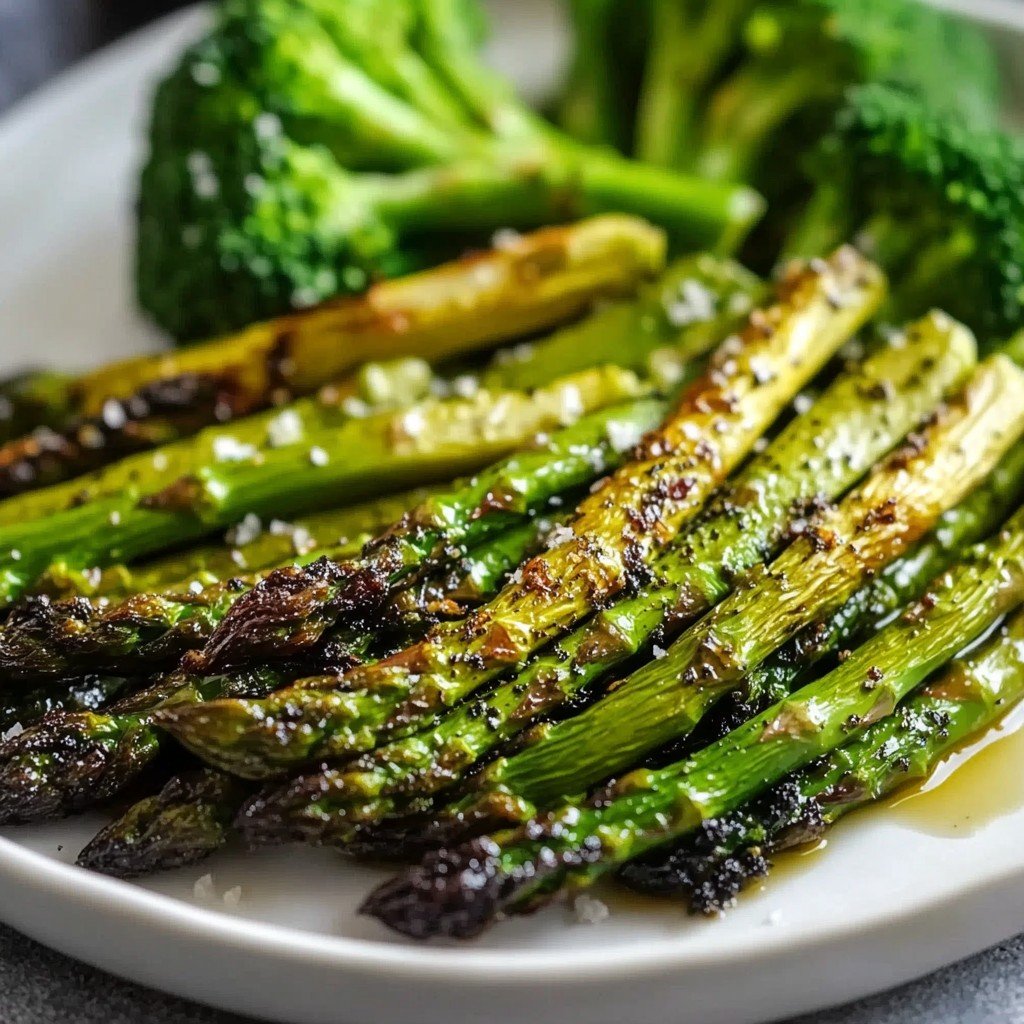
Paleo Roasted Asparagus and Broccoli pairs wonderfully with a range of beverages. For a sophisticated touch, serve this dish alongside a crisp, mineral-driven white wine such as Sauvignon Blanc or Pinot Grigio, which highlights the green notes of the vegetables.
If you prefer non-alcoholic options, freshly squeezed citrus-infused water or a homemade iced herbal tea like mint or chamomile provides a refreshing, palate-cleansing complement.
For a sparkling alternative, consider a dry kombucha or sparkling water with a twist of lemon, both of which echo the recipe’s bright, vibrant flavors without adding any sugars or processed additives.
Cooking Tips and Variations
For optimal results when making Paleo Roasted Asparagus and Broccoli, there are several tips and variations that can elevate both flavor and texture. First, try to cut the asparagus and broccoli into similar-sized pieces; this ensures even roasting and prevents any bit from becoming overcooked or underdone.
Preheating your baking sheet in the oven before adding the vegetables can help jump-start the caramelization process, giving you extra-crispy edges. Don’t be afraid to experiment with different spices; ground cumin, dried thyme, or a sprinkle of chili flakes all work beautifully for added depth.
If you like a touch of crunch, toss in some sliced almonds or pumpkin seeds during the last five minutes of roasting, which adds both texture and healthy fats.
For a citrusy twist, grate some lemon zest over the vegetables right after roasting, or add a splash of balsamic vinegar for sweetness and complexity. Should you wish to increase the protein content, top the finished veggies with grilled chicken, wild-caught salmon, or sautéed shrimp for a complete Paleo meal.
Lastly, always use fresh, in-season asparagus and broccoli for the best flavor—the fresher the vegetables, the better the dish. Storing leftovers in an airtight container helps maintain their texture; simply reheat in the oven or skillet to restore some of the original crispiness.
Serving Suggestions
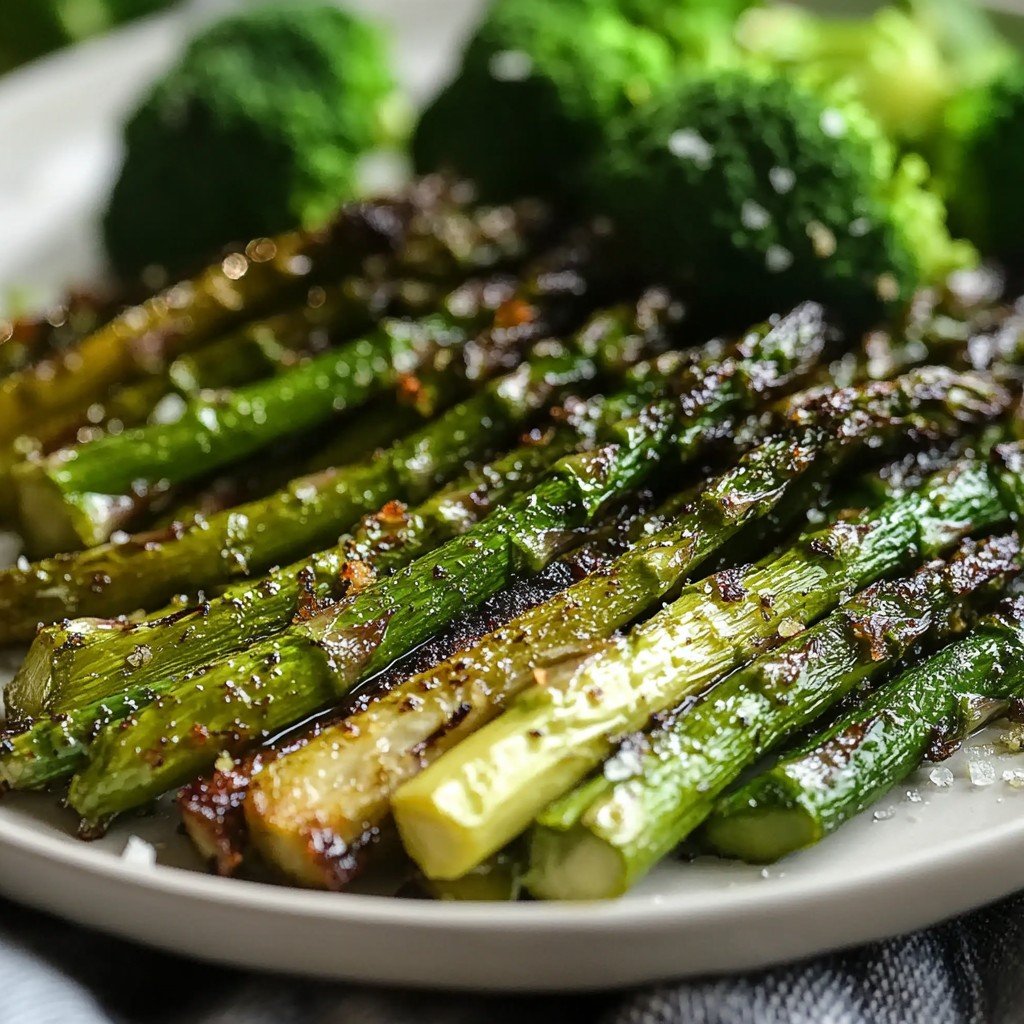
Serving Paleo Roasted Asparagus and Broccoli is as versatile as the recipe itself. This dish shines as a stand-alone side paired with any protein-centric main course, be it grilled beef, roasted chicken, or pan-seared fish.
For a visually stunning presentation, arrange the roasted vegetables on a large white platter, sprinkle with additional fresh herbs, and garnish with a few lemon wedges to invite guests to season to taste.
Paleo Roasted Asparagus and Broccoli also works well as part of a larger meal spread—think buffet-style dinners, potlucks, or holiday gatherings where its bright green hues naturally brighten up the table.
If you’re hosting a brunch, the dish makes a great accompaniment to eggs or smoked salmon, adding both flavor and color to your plate.
For a convenient lunch option, toss the roasted veggies into a leafy green salad or a grain-free bowl with avocado and nuts for extra nutrients and satiety. Additionally, these roasted greens can be gently reheated or even enjoyed cold as leftovers, making meal prep a breeze for busy weeknights.
The light, clean flavors are sure to please most dietary preferences, making Paleo Roasted Asparagus and Broccoli a go-to for entertaining or everyday meals.
Health Benefits
Paleo Roasted Asparagus and Broccoli is a nutritional powerhouse, offering a wide spectrum of health benefits that align perfectly with the Paleo lifestyle. Both asparagus and broccoli are celebrated for their high concentrations of fiber, which promotes proper digestion and helps maintain a healthy gut microbiome.
This, in turn, boosts immunity, aids in weight management, and supports stable blood sugar levels. The abundant antioxidants in both vegetables, such as vitamin C and flavonoids, combat oxidative stress, reduce inflammation, and may lower the risk of chronic diseases, including heart disease and some cancers.
Asparagus contains the amino acid asparagine, vital for brain health and cellular function, while broccoli’s sulforaphane supports detoxification pathways in the body. The use of extra-virgin olive oil provides heart-healthy fats that facilitate the absorption of fat-soluble vitamins, supporting skin and eye health.
Since the recipe is free of dairy, gluten, and refined sugars, it reduces the risk of food sensitivities or allergic reactions, making it suitable for individuals following anti-inflammatory or elimination diets. Taken together, Paleo Roasted Asparagus and Broccoli provides a nutrient-dense foundation for long-term health and wellness.
Frequently Asked Questions
Yes, you can use frozen asparagus and broccoli if fresh is unavailable. Allow the vegetables to thaw and pat them dry thoroughly before tossing with oil and seasonings. Keep in mind that frozen vegetables may release more moisture during roasting, so spread them out on the baking sheet to help them brown instead of steam.
Store any leftovers in an airtight container in the refrigerator for up to 3 days. For best results, reheat in an oven or skillet, which helps restore their crispiness better than microwaving.
Yes, Paleo Roasted Asparagus and Broccoli is naturally compliant with Paleo, Whole30, and Vegan diets as it contains no grains, dairy, legumes, or animal products. For Keto, ensure you keep servings moderate to stay within your daily carb goals.
Absolutely! Feel free to add other Paleo-friendly vegetables such as bell peppers, zucchini, or Brussels sprouts, adjusting roasting times as needed to ensure all vegetables are cooked through and caramelized.
To trim asparagus, simply snap off the woody ends with your hands or use a knife to cut about 1-2 inches from the bottom. The stalk will naturally break at the point where tenderness begins, ensuring a perfect bite every time.
Paleo Roasted Asparagus and Broccoli is the pinnacle of delicious, simple, and health-focused side dishes. It celebrates the best of seasonal vegetables, brings color and excitement to your table, and fits seamlessly into Paleo and other whole-food diets. Whether you're preparing a casual weeknight dinner or an impressive meal for guests, this recipe delivers elevated flavor with minimal effort. Remember to enjoy it fresh from the oven for maximum crispness, experiment with variations to suit your personal taste, and trust that every bite supports your wellness goals. Make Paleo Roasted Asparagus and Broccoli a staple in your kitchen—your body and your palate will thank you.
Ingredients
- 1 bunch fresh asparagus, trimmed and cut into 2-inch pieces
- 2 cups broccoli florets
- 2 tablespoons extra-virgin olive oil
- 1 teaspoon sea salt
- 1/2 teaspoon freshly ground black pepper
- 1/2 teaspoon garlic powder
- 1/2 teaspoon onion powder
- 1/2 teaspoon smoked paprika (optional)
- Juice of half a lemon
- 1 tablespoon fresh parsley, chopped (for garnish)
Instructions
-
1Preheat your oven to 425°F (220°C) and line a large baking sheet with parchment paper.
-
2In a large mixing bowl, combine the asparagus pieces and broccoli florets.
-
3Drizzle the vegetables with olive oil, then sprinkle evenly with sea salt, black pepper, garlic powder, onion powder, and smoked paprika if using.
-
4Toss the vegetables gently to coat them thoroughly in the oil and spices.
-
5Spread the asparagus and broccoli in a single layer on the prepared baking sheet, ensuring they’re not crowded.
-
6Roast in the preheated oven for 15 to 20 minutes, tossing once halfway, until the vegetables are slightly browned at the edges and fork-tender.
-
7Remove from the oven and immediately drizzle with fresh lemon juice.
-
8Transfer to a serving platter, garnish with chopped fresh parsley, and serve hot.
Approximate Information for One Serving
Nutrition Disclaimers
Number of total servings shown is approximate. Actual number of servings will depend on your preferred portion sizes.
Nutritional values shown are general guidelines and reflect information for 1 serving using the ingredients listed, not including any optional ingredients. Actual macros may vary slightly depending on specific brands and types of ingredients used.
To determine the weight of one serving, prepare the recipe as instructed. Weigh the finished recipe, then divide the weight of the finished recipe (not including the weight of the container the food is in) by the desired number of servings. Result will be the weight of one serving.
Did you make this recipe?
Please consider Pinning it!