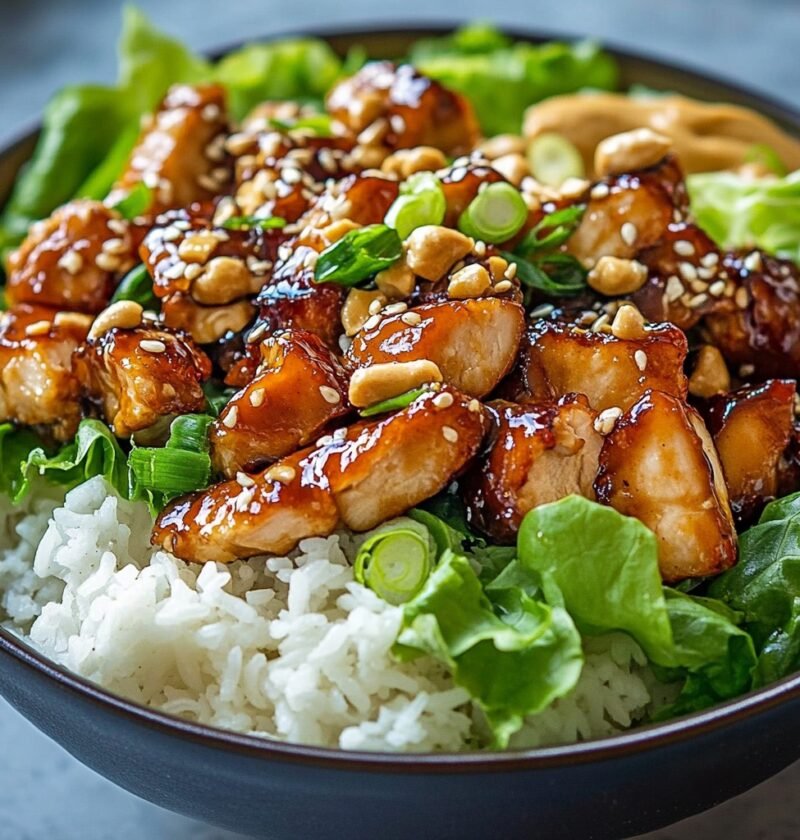
The Peanut Chicken Protein Bowl has rapidly become a favorite among health-conscious food enthusiasts and busy individuals seeking a balanced, nutrient-packed meal. Rooted in vibrant Asian-inspired cuisine, this dish brings together the rich, savory notes of peanut sauce with lean, protein-rich chicken breast and a medley of fresh, colorful vegetables.
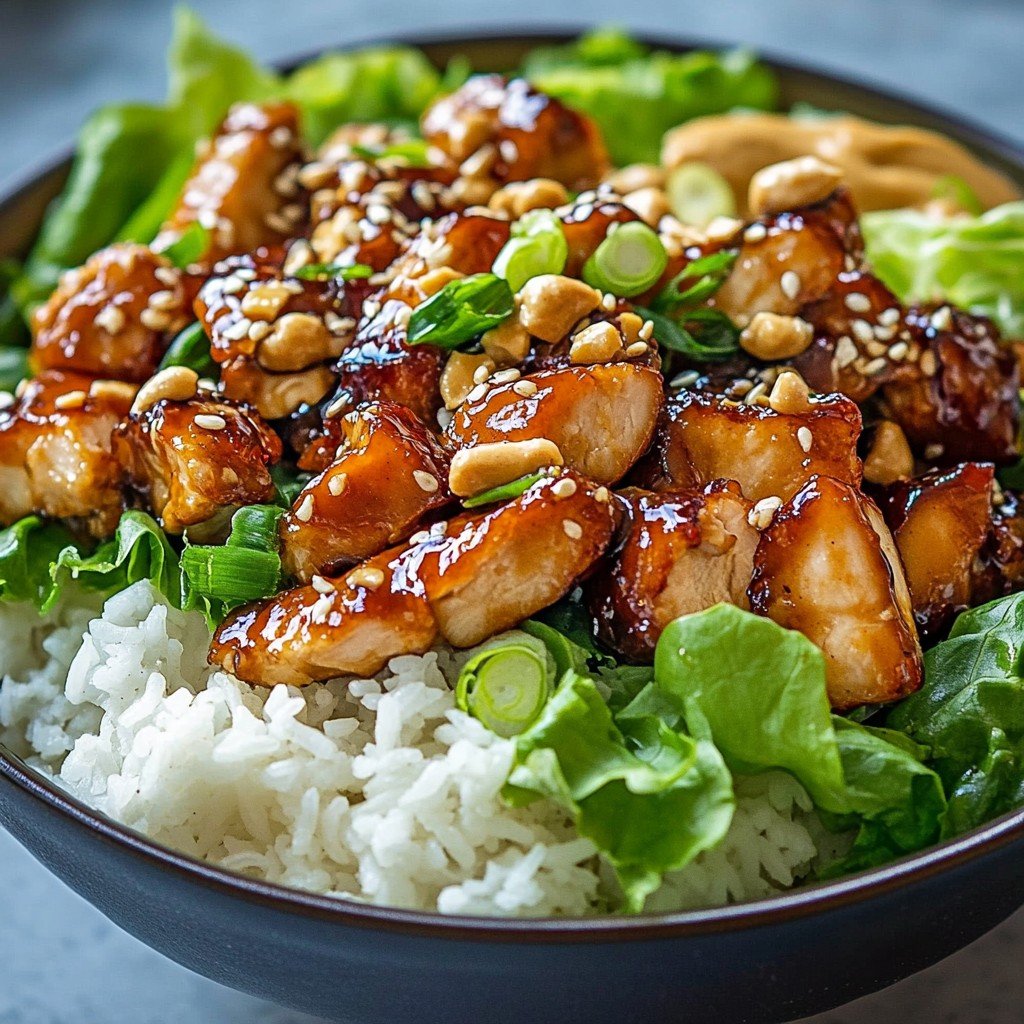
As the name suggests, the Peanut Chicken Protein Bowl is designed to deliver a powerful punch of protein while also offering healthy fats, complex carbohydrates, and essential vitamins and minerals.
The marriage of tender chicken and creamy peanut sauce is not a new concept—in fact, peanut-sauced chicken dishes are beloved staples in Southeast Asian kitchens, especially in Thai and Indonesian cooking, where satay and gado-gado often steal the spotlight.
However, the modern protein bowl adaptation elevates the traditional flavors by integrating a variety of wholesome grains like brown rice or quinoa and fresh greens for crunch and nutrition.
The balanced composition of the Peanut Chicken Protein Bowl satisfies both taste and dietary needs, making it ideal for athletes, families, or anyone looking to maintain a well-rounded diet.
Whether you are meal-prepping for the week or preparing a delicious dinner, this bowl is sure to become a reliable go-to in your recipe rotation.
From the deeply satisfying peanut sauce to the customizable toppings and sides, discover why the Peanut Chicken Protein Bowl is so beloved by foodies and nutritionists alike.
Ingredients
- 2 boneless, skinless chicken breasts, cut into bite-sized pieces
- 1 cup cooked brown rice or quinoa
- 1 tablespoon olive oil
- 1 cup broccoli florets
- 1 red bell pepper, sliced thin
- 1 cup shredded carrots
- 1/2 cup shelled edamame, steamed
- 2 green onions, sliced
- 1/4 cup fresh cilantro, chopped
- 1/4 cup roasted peanuts, chopped (optional)
- 1 tablespoon sesame seeds (optional)
- Salt and black pepper, to taste
- For the peanut sauce:
- 1/4 cup creamy peanut butter
- 2 tablespoons soy sauce or tamari
- 1 tablespoon honey or maple syrup
- 1 tablespoon rice vinegar
- 1 teaspoon toasted sesame oil
- 1 garlic clove, minced
- 1 teaspoon grated fresh ginger
- 2-3 tablespoons warm water (to thin the sauce if needed)
Instructions
- In a medium bowl, whisk together all peanut sauce ingredients, adding warm water as needed to reach a creamy, pourable consistency. Set aside.
- Season the chicken pieces with salt and black pepper.
- Heat the olive oil in a large skillet over medium-high heat. Add chicken and sauté until cooked through and golden brown, about 6-8 minutes. Remove from the pan and set aside.
- In the same skillet, add broccoli florets and red bell pepper slices. Cook, stirring occasionally, until vegetables are just tender but still crisp, about 3-4 minutes.
- Add shredded carrots and shelled edamame to the skillet; cook for an additional 2 minutes until heated through.
- Return the cooked chicken to the skillet and pour half the peanut sauce over top. Toss everything together until well coated. Remove from heat.
- Divide the cooked brown rice or quinoa between two bowls.
- Top each bowl with the chicken and vegetable mixture.
- Drizzle with the remaining peanut sauce.
- Garnish with green onions, cilantro, chopped peanuts, and sesame seeds as desired.
- Serve immediately and enjoy your Peanut Chicken Protein Bowl while warm.
Nutritional Information
The Peanut Chicken Protein Bowl is thoughtfully crafted to deliver a balanced and nutrient-rich meal that fuels both your body and mind. A typical serving contains approximately 480-550 calories, making it a satiating option for lunch or dinner.
Each bowl boasts an impressive 32-38 grams of high-quality protein thanks to the combination of lean chicken and edamame. The peanut sauce provides a healthy dose of monounsaturated fats, supporting heart health and satiety, while ingredients like brown rice or quinoa offer slow-release complex carbohydrates for sustained energy.
The colorful vegetables, such as broccoli, bell peppers, and carrots, are rich in antioxidants, vitamins A and C, fiber, and minerals like magnesium and potassium. The use of fresh ginger and garlic in the peanut sauce not only adds a flavorful kick but also contributes anti-inflammatory and immune-boosting benefits.
With minimal saturated fat and plenty of fiber, this bowl supports digestive wellness and helps keep cholesterol levels in check. For those watching sodium intake, using reduced-sodium soy sauce or tamari can keep the dish heart-friendly.
Whether you are eating for muscle recovery, weight management, or general health, the Peanut Chicken Protein Bowl is a delicious and nutritious choice that aligns with a variety of dietary goals.
Wine and Beverage Pairings
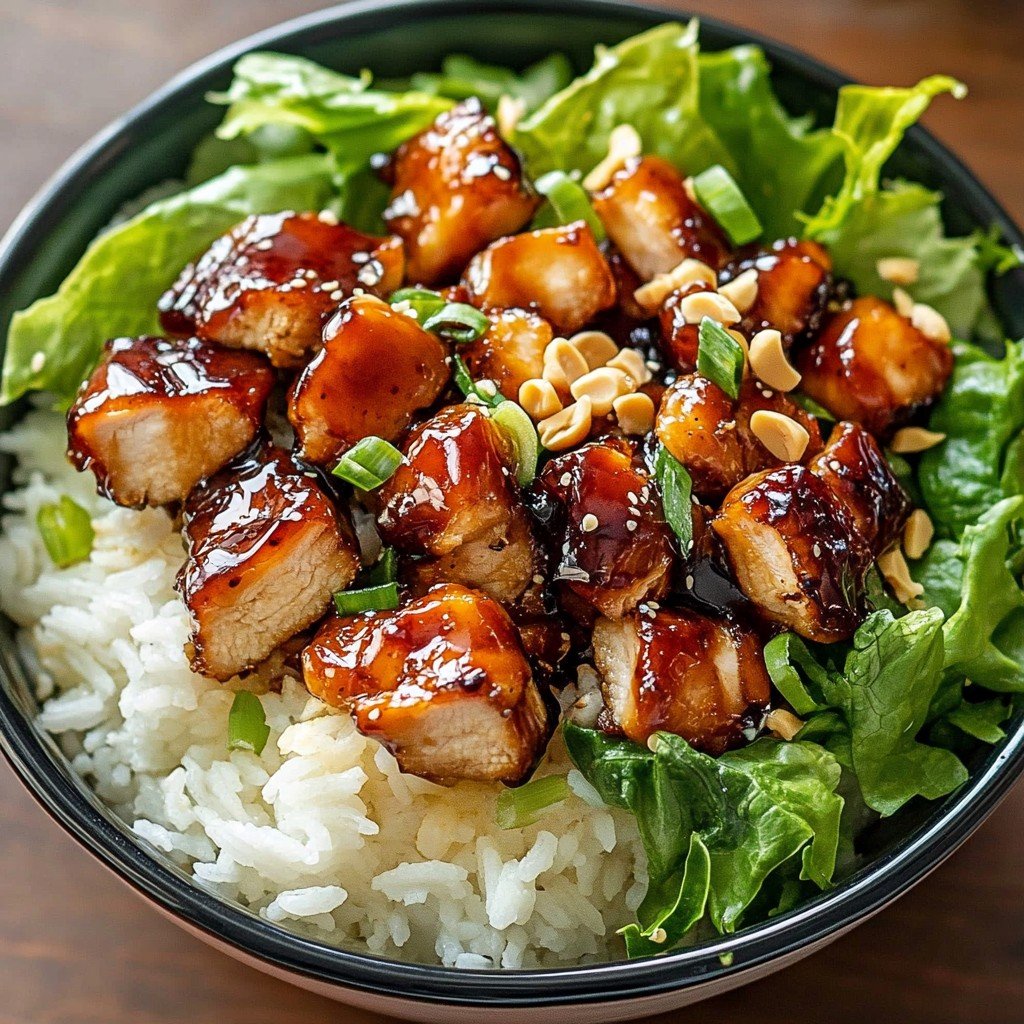
The Peanut Chicken Protein Bowl pairs wonderfully with crisp, aromatic white wines such as Sauvignon Blanc or Riesling, as their acidity balances the richness of the peanut sauce. A well-chilled glass of Chardonnay also complements the savory-sweet undertones of the dish.
For non-alcoholic options, iced green tea or a sparkling lime-infused water can refresh the palate between bites. For those seeking a more robust flavor, homemade lemonade with fresh ginger ties in well with the ginger notes in the bowl.
Coconut water serves as a hydrating, slightly sweet contrast to the savory components. Choose your beverage based on whether you want to accentuate the peanut flavor or cleanse your palate.
Cooking Tips and Variations
There are many ways to personalize your Peanut Chicken Protein Bowl, ensuring it fits your tastes, dietary needs, and pantry staples. For extra spice, add a dash of sriracha or chili flakes to the peanut sauce, or toss in sliced jalapeños as a topping.
If you prefer dark meat, swap chicken breast for boneless, skinless thighs for added juiciness. For a lower-carb option, replace brown rice with cauliflower rice or a bed of crisp salad greens. Vegetarians can substitute tofu or tempeh for chicken—the peanut sauce works beautifully with both plant-based proteins.
Roasting the vegetables rather than sautéing can bring a deeper, caramelized flavor, while grilling the chicken infuses the bowl with a smokier touch. For a nut-free version, sunflower seed butter replaces peanut butter nicely, and pumpkin seeds make a crunchy topping.
If you meal prep, keep the sauce and bowl components separate until serving to maintain the best texture. Store leftovers in airtight containers in the refrigerator for up to 3 days. Double the peanut sauce recipe and use it as a dip or marinade throughout your week.
Remember, presentation matters: arrange the vegetables and toppings in colorful sections to make every bowl feel vibrant and appetizing.
Serving Suggestions
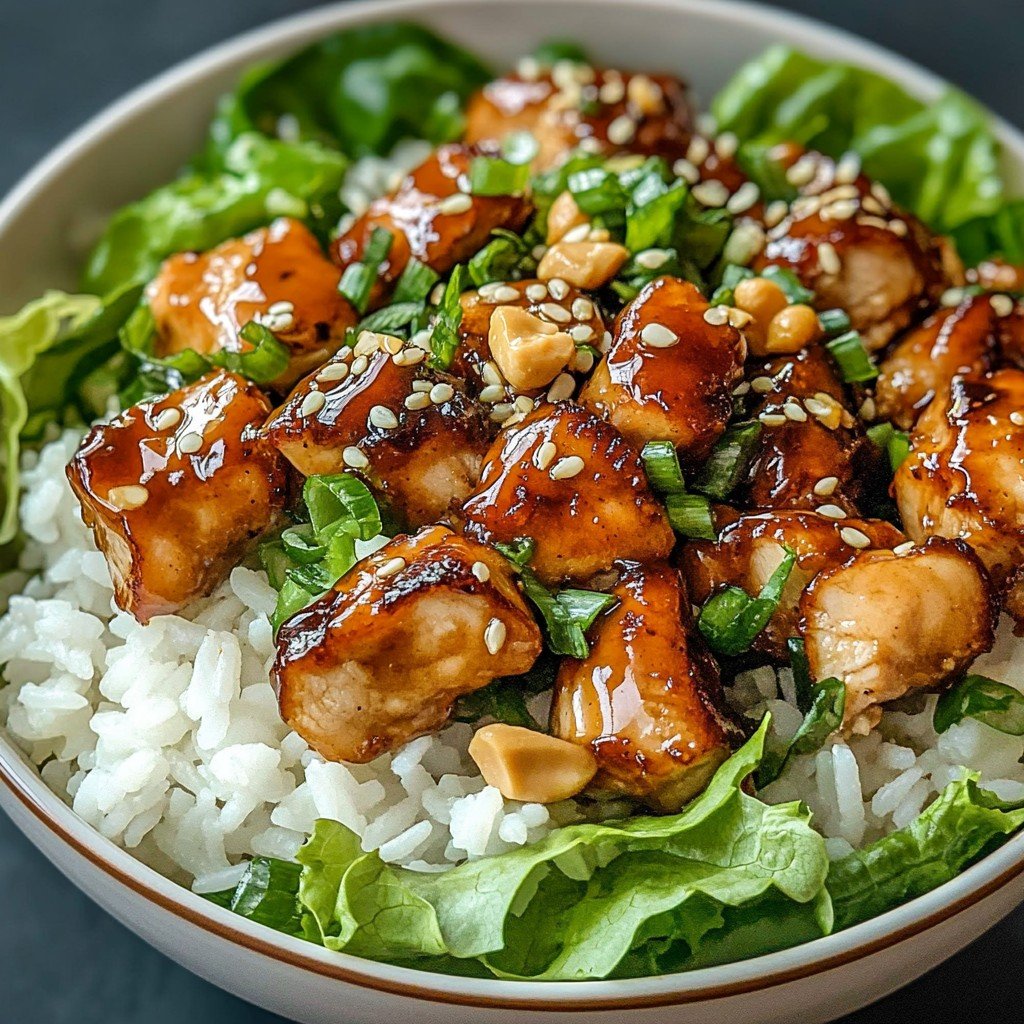
For best results, serve the Peanut Chicken Protein Bowl in roomy, shallow bowls that allow the ingredients to be showcased in distinct, colorful sections. This not only enhances visual appeal but also allows eaters to blend flavors and textures as they prefer.
When presenting to guests or family members, offer extra garnishes such as chopped roasted peanuts, lime wedges, additional fresh cilantro, and a side of extra peanut sauce.
For meal prepping in advance, layer the cooked rice or quinoa on the bottom, add a barrier of sautéed vegetables, place the cooked chicken, and keep garnishes and peanut sauce separate until reheating and ready to eat.
For a complete meal, pair the bowl with a light side salad of mixed greens dressed in a simple sesame vinaigrette or serve with steamed dumplings for a more indulgent spread. The bowl can also be packed into meal-prep containers for grab-and-go lunches that keep their flavor and freshness.
To create a family-style dinner, arrange all the components buffet-style, letting everyone build their personalized Peanut Chicken Protein Bowl with their preferred ratios of protein, grains, veggies, and sauce. This also encourages picky eaters to try new vegetables and flavors in a fun, interactive setting.
Health Benefits
The Peanut Chicken Protein Bowl is more than just delicious; it's packed with a host of health benefits supported by each nutrient-dense component. Lean chicken provides a high-quality source of complete protein, which is essential for muscle repair, hormonal health, and immune support.
The peanut butter and peanuts add good-for-you fats such as oleic acid, which contributes to cardiovascular wellness and keeps you feeling full longer. Whole grains, like brown rice and quinoa, offer complex carbs, fiber, and trace minerals, aiding in sustained energy and digestive health.
The array of vibrant vegetables not only brings color and crunch but also supplies antioxidants like vitamin C, vitamin A, and beta-carotene, boosting immunity and cellular protection. Edamame, a plant-based protein and fiber powerhouse, supports heart and digestive health.
Ginger and garlic infuse powerful anti-inflammatory, antimicrobial, and detoxifying properties, promoting overall well-being. The balanced macronutrient profile of the Peanut Chicken Protein Bowl helps stabilize blood sugar, making it a smart option for those managing diabetes or looking to prevent energy crashes.
By customizing the grain, protein, and sauce, the bowl is easily adapted to various dietary preferences, including gluten-free and dairy-free lifestyles.
Frequently Asked Questions
Yes, you can prepare the Peanut Chicken Protein Bowl ahead for meal prep. Store components separately and combine with sauce just before eating to preserve freshness and texture.
Simply substitute the chicken with tofu or tempeh. Press and cube tofu before pan-searing for best texture, and prepare as you would the chicken.
You can use jasmine rice, basmati rice, farro, barley, or even cauliflower rice for a lower-carb option. Choose your favorite based on taste and dietary needs.
Absolutely! Substitute sunflower seed butter for peanut butter in the sauce, and use pumpkin or sunflower seeds as a crunchy garnish instead of peanuts.
The base peanut sauce in this recipe is mild, but you can add sriracha, chili flakes, or a fresh chili pepper to increase heat to your liking.
The Peanut Chicken Protein Bowl stands out as a nutritious, flavorful, and highly satisfying meal that brings together the best of Asian-inspired cuisine with modern, health-conscious twists. Its customizable nature ensures that it can fit effortlessly into a variety of dietary lifestyles and busy routines. Whether you’re cooking for a family, meal-prepping for yourself, or entertaining guests, this delicious protein bowl offers a perfect balance of taste, texture, and nutrition. With simple preparation steps and easily adaptable ingredients, the Peanut Chicken Protein Bowl is sure to earn a permanent spot in your meal rotation. Discover the joys of nourishing your body and pleasing your tastebuds with this vibrant, protein-packed dish.
Ingredients
- 2 boneless, skinless chicken breasts, cut into bite-sized pieces
- 1 cup cooked brown rice or quinoa
- 1 tablespoon olive oil
- 1 cup broccoli florets
- 1 red bell pepper, sliced thin
- 1 cup shredded carrots
- 1/2 cup shelled edamame, steamed
- 2 green onions, sliced
- 1/4 cup fresh cilantro, chopped
- 1/4 cup roasted peanuts, chopped (optional)
- 1 tablespoon sesame seeds (optional)
- Salt and black pepper, to taste
- For the peanut sauce:
- 1/4 cup creamy peanut butter
- 2 tablespoons soy sauce or tamari
- 1 tablespoon honey or maple syrup
- 1 tablespoon rice vinegar
- 1 teaspoon toasted sesame oil
- 1 garlic clove, minced
- 1 teaspoon grated fresh ginger
- 2-3 tablespoons warm water (to thin the sauce if needed)
Instructions
-
1In a medium bowl, whisk together all peanut sauce ingredients, adding warm water as needed to reach a creamy, pourable consistency. Set aside.
-
2Season the chicken pieces with salt and black pepper.
-
3Heat the olive oil in a large skillet over medium-high heat. Add chicken and sauté until cooked through and golden brown, about 6-8 minutes. Remove from the pan and set aside.
-
4In the same skillet, add broccoli florets and red bell pepper slices. Cook, stirring occasionally, until vegetables are just tender but still crisp, about 3-4 minutes.
-
5Add shredded carrots and shelled edamame to the skillet; cook for an additional 2 minutes until heated through.
-
6Return the cooked chicken to the skillet and pour half the peanut sauce over top. Toss everything together until well coated. Remove from heat.
-
7Divide the cooked brown rice or quinoa between two bowls.
-
8Top each bowl with the chicken and vegetable mixture.
-
9Drizzle with the remaining peanut sauce.
-
10Garnish with green onions, cilantro, chopped peanuts, and sesame seeds as desired.
-
11Serve immediately and enjoy your Peanut Chicken Protein Bowl while warm.
Approximate Information for One Serving
Nutrition Disclaimers
Number of total servings shown is approximate. Actual number of servings will depend on your preferred portion sizes.
Nutritional values shown are general guidelines and reflect information for 1 serving using the ingredients listed, not including any optional ingredients. Actual macros may vary slightly depending on specific brands and types of ingredients used.
To determine the weight of one serving, prepare the recipe as instructed. Weigh the finished recipe, then divide the weight of the finished recipe (not including the weight of the container the food is in) by the desired number of servings. Result will be the weight of one serving.
Did you make this recipe?
Please consider Pinning it!