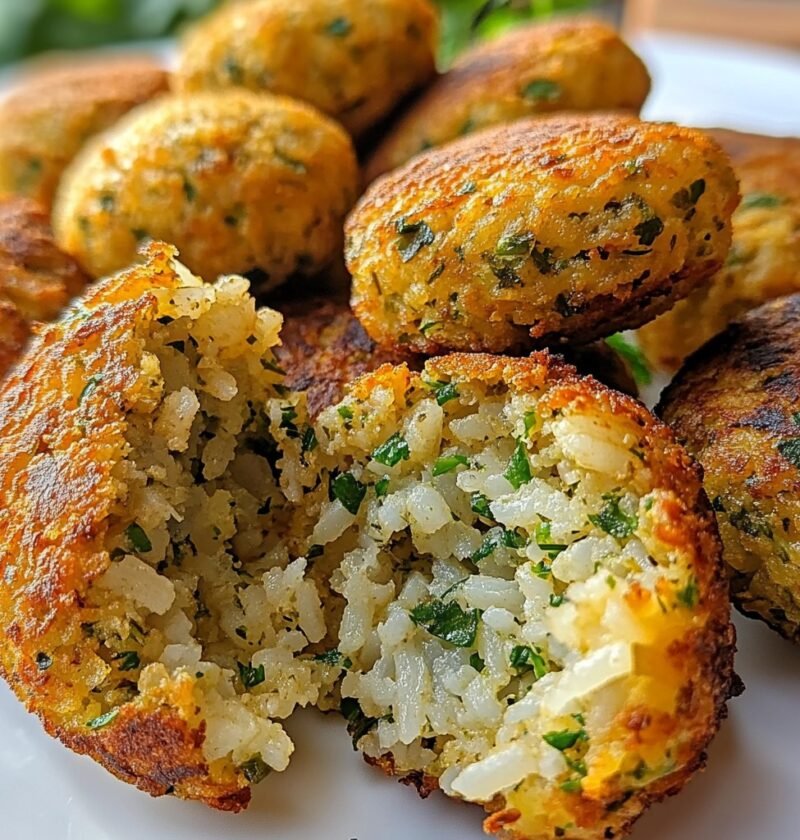
Quick Falafel is a classic Middle Eastern dish that has found its way into kitchens all over the world, thanks to its irresistible flavor and satisfying texture.
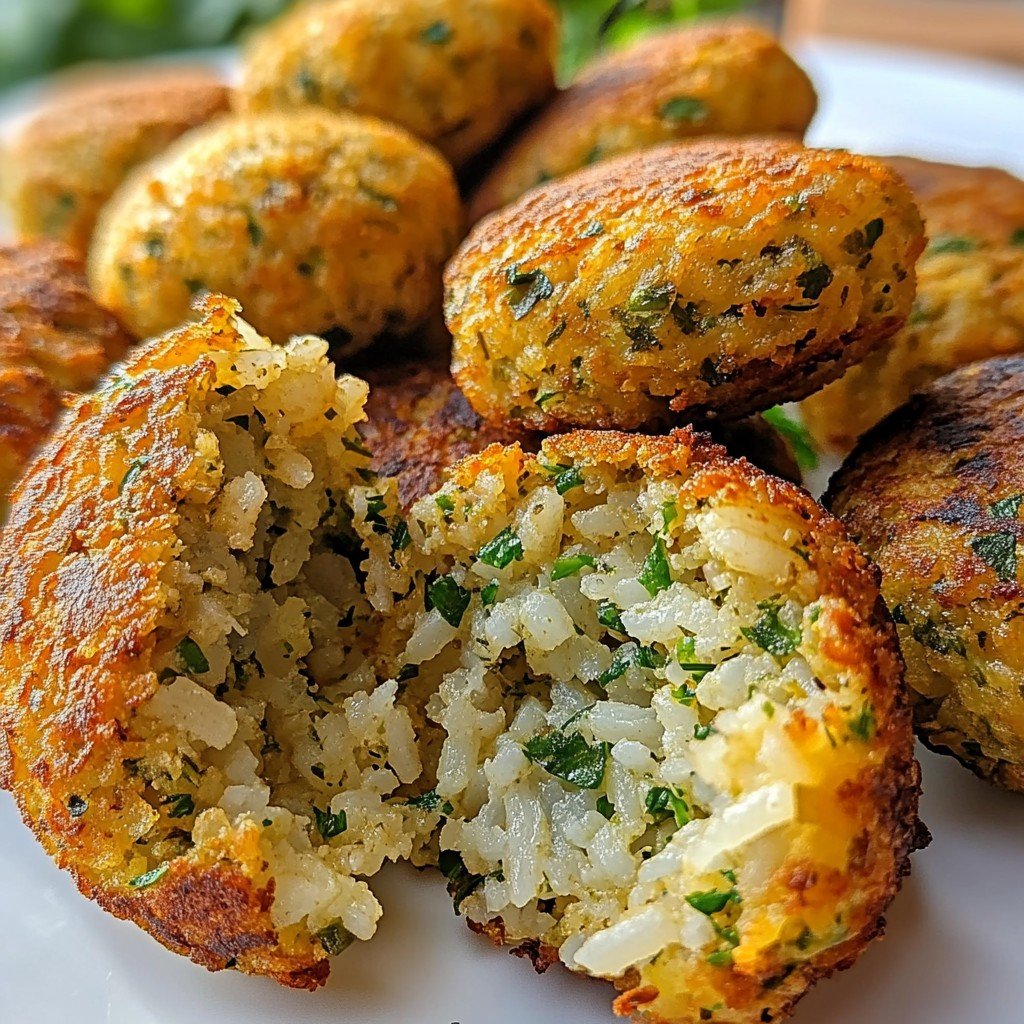
Traditionally made with soaked raw chickpeas or fava beans, fresh herbs, and a distinctive blend of spices, falafel is fried to golden perfection and served in pita with fresh veggies and sauces.
As dietary preferences shift and time becomes a precious commodity, more home cooks are seeking fast, convenient, and healthy versions of their favorite recipes.
This is where quick falafel stands out — providing all the authentic taste and aroma of the original dish but in a fraction of the traditional preparation time.
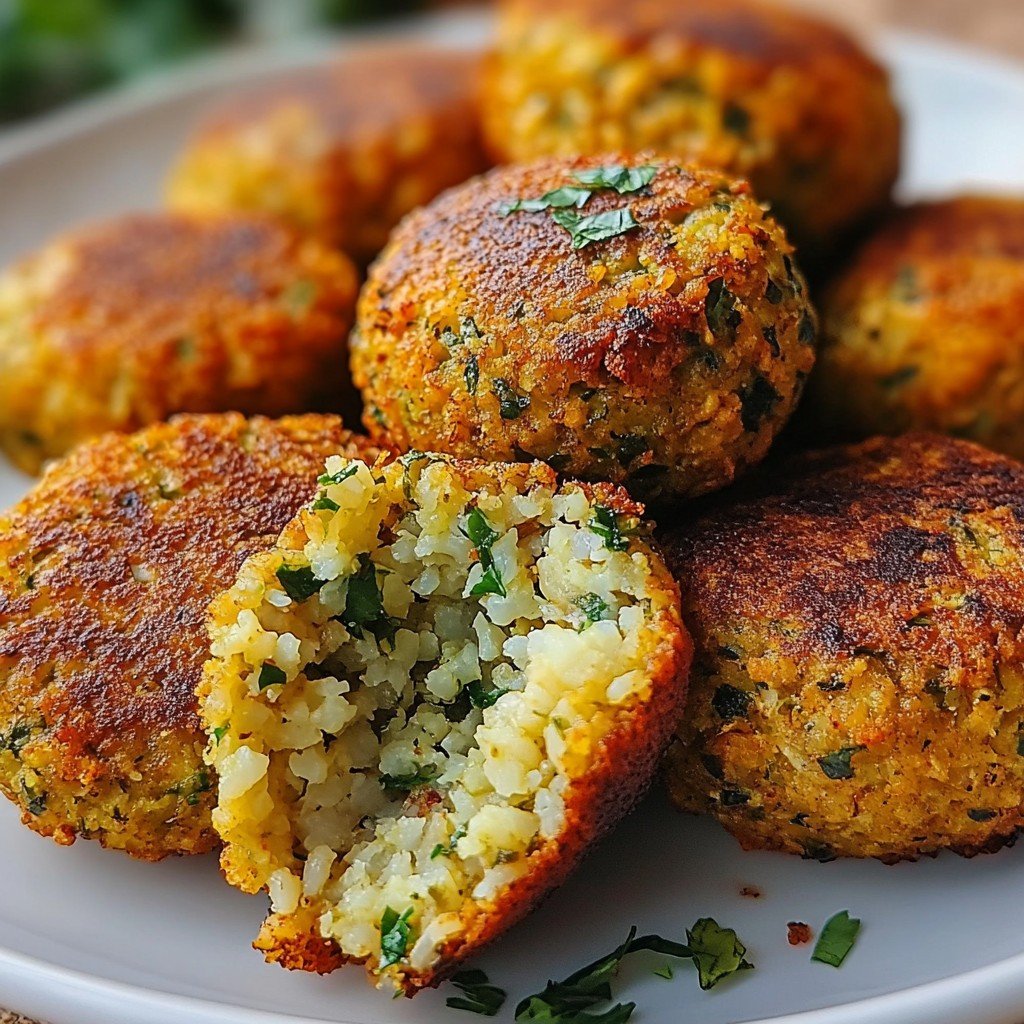
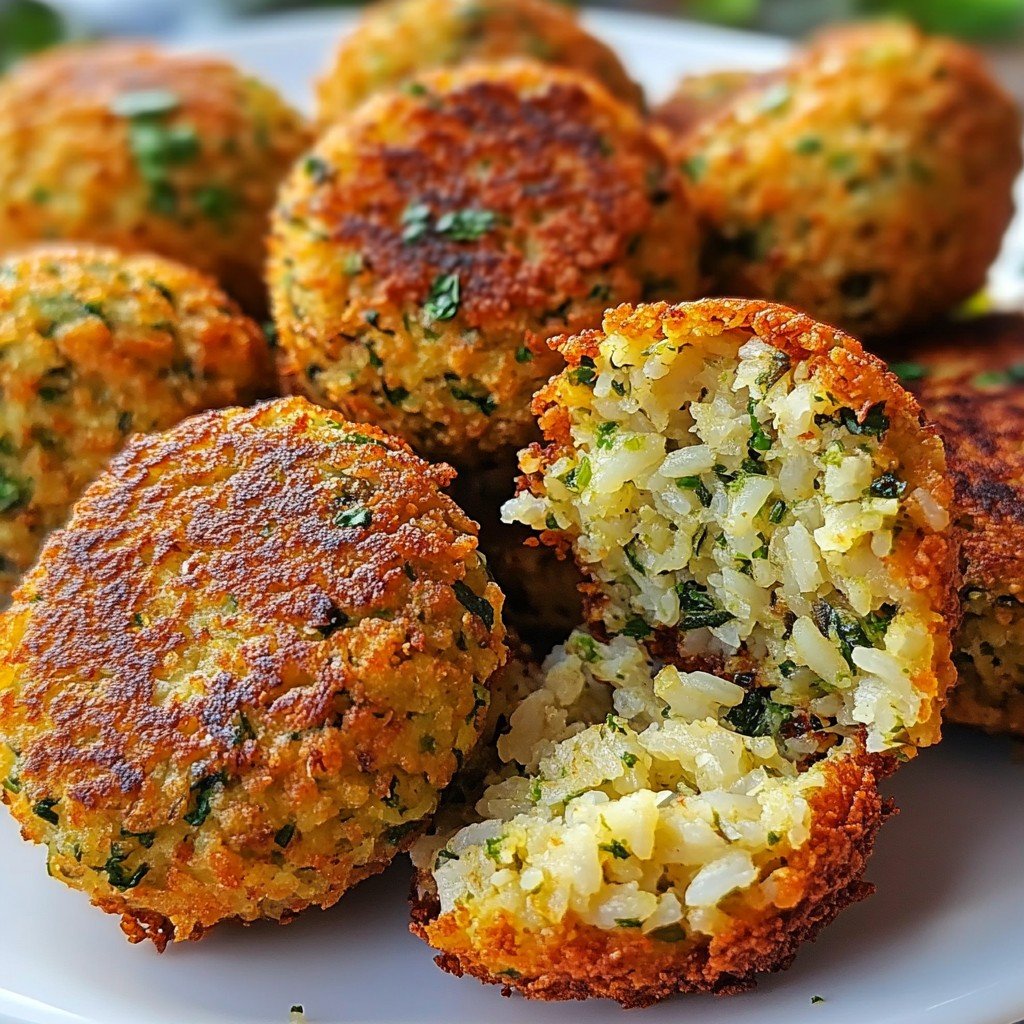
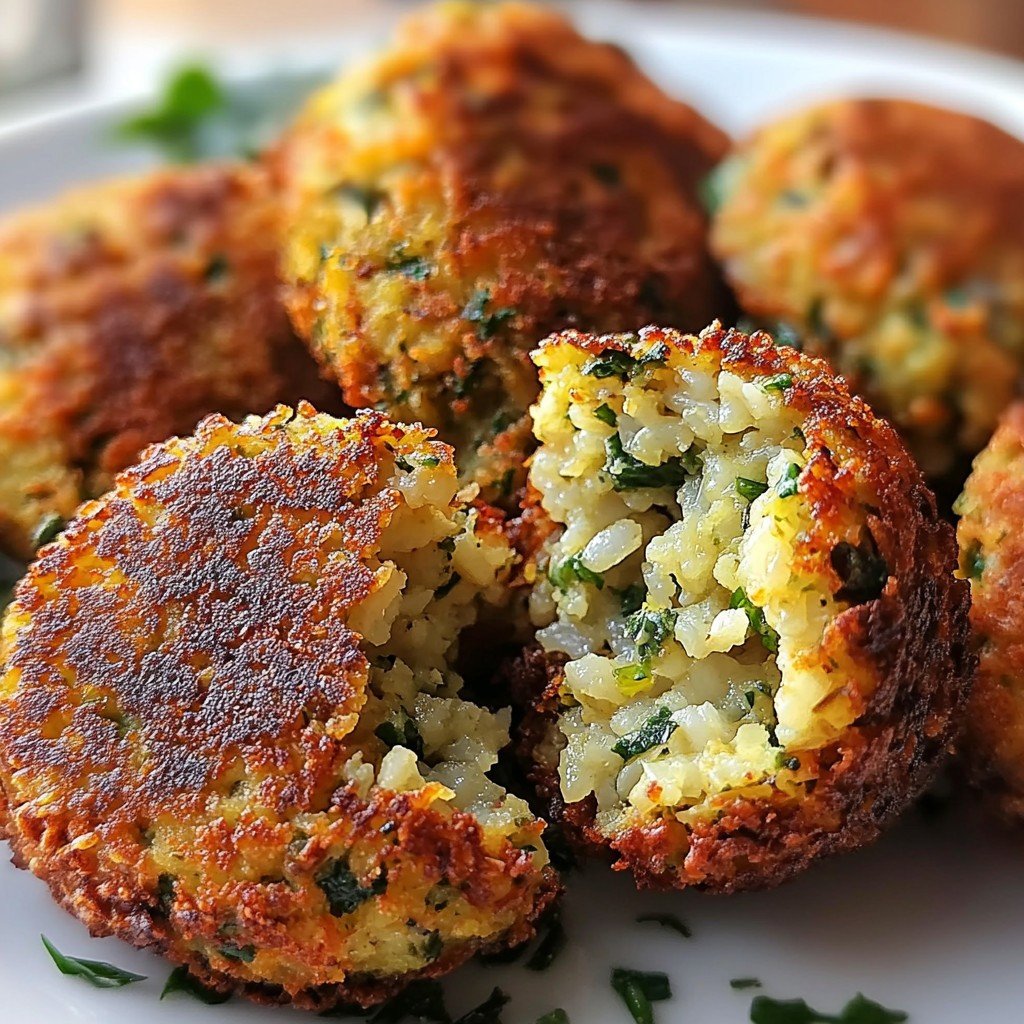
By blending canned (but well-drained) chickpeas with aromatic herbs, onion, garlic, cumin, and coriander, you can achieve a moist, fluffy interior and crispy exterior without the overnight soaking.
Rich in plant-based protein, naturally vegan, and gluten-free when made with the right flour, quick falafel is as versatile as it is flavorful, making it a perfect dish for lunches, weeknight dinners, or even party appetizers.
Whether you've enjoyed falafel straight from a street vendor in the Middle East, or are experiencing it for the first time, this quick falafel recipe will capture all the complex flavors you crave — in just minutes.
Ingredients
- 1 can (15 oz) chickpeas, drained and rinsed
- 1 small onion, roughly chopped
- 3 cloves garlic, peeled
- 1/4 cup fresh parsley leaves
- 1/4 cup fresh cilantro leaves
- 1 teaspoon ground cumin
- 1 teaspoon ground coriander
- 1/2 teaspoon chili powder or cayenne (optional, for heat)
- 1/2 teaspoon baking powder
- 3 tablespoons all-purpose flour (or chickpea flour for gluten-free)
- 1 teaspoon salt
- 1/2 teaspoon freshly ground black pepper
- Vegetable oil, for frying
Instructions
- In a food processor, add the drained chickpeas, onion, garlic, parsley, and cilantro. Pulse until the mixture is finely chopped but not pureed. Scrape down the sides as needed.
- Add cumin, coriander, chili powder (if using), baking powder, flour, salt, and pepper. Pulse again until the mixture is well combined and holds together when pressed. If the mix feels too wet, add a bit more flour; if too dry, add a teaspoon of water.
- Transfer the mixture to a bowl, cover, and refrigerate for at least 20-30 minutes to help the falafel firm up. This step makes shaping easier and prevents them from falling apart during cooking.
- Use your hands or a falafel scoop to shape the mixture into small balls or patties, about 1 to 1.5 inches in diameter.
- Heat about 1 inch of vegetable oil in a deep skillet or saucepan over medium heat. Once the oil reaches 350°F (175°C), carefully add the falafel balls in batches, avoiding overcrowding.
- Fry the falafel for 2-3 minutes per side, turning once, until deep golden brown and crisp. Remove with a slotted spoon and drain on paper towels.
- Serve hot, tucked into pita bread with salad, pickles, and tahini sauce or your favorite accompaniments.
Nutritional Information
Quick Falafel is a nutritious option for those seeking healthy and satiating meals without sacrificing flavor. Each serving (about 3-4 falafel balls) delivers a generous amount of plant-based protein primarily from chickpeas, making it a substantial source of energy for vegans, vegetarians, and omnivores alike.
Chickpeas are loaded with dietary fiber, which supports digestive health, promotes feelings of fullness, and helps maintain balanced blood sugar levels. The recipe is naturally low in saturated fat, provided you use a healthy oil for frying and adhere to recommended portion sizes.
The addition of fresh herbs doubles as a source of antioxidants and beneficial phytonutrients, while the spices provide anti-inflammatory effects. Unlike store-bought or restaurant falafel, which can sometimes be high in sodium and preservative additives, making it at home allows you to control the salt content and avoid unnecessary preservatives.
If you opt for baking or air frying instead of traditional deep frying, the calorie and fat content can be further reduced, making this quick falafel even lighter while still maintaining its irresistible texture.
Overall, quick falafel is a well-balanced dish that supports heart health, muscle maintenance, and weight management goals — all while satisfying your taste buds with every bite.
Wine and Beverage Pairings
Quick Falafel pairs beautifully with chilled beverages that can balance the spices and complement the fresh herbs. For a non-alcoholic choice, try serving with a tangy homemade lemonade, cucumber-mint cooler, or iced hibiscus tea, which all offer a refreshing contrast to the warm spices.
If you prefer wine, opt for a crisp white such as Sauvignon Blanc or Pinot Grigio, both of which have bright acidity that cuts through the richness of fried dishes. Light beers, like a pilsner or wheat beer, also work well to cleanse the palate between bites.
For more traditional pairings, a glass of Ayran (a savory yogurt-based drink) provides both hydration and a creamy counterpoint to the dish's flavors.
Cooking Tips and Variations
For achieving the best results with quick falafel, it's important to thoroughly drain and pat dry the canned chickpeas to prevent excess moisture from making the mixture loose.
Using fresh herbs like parsley and cilantro is recommended for their bright, fresh flavor, but you can substitute or mix basil and dill for a unique twist. If you prefer your falafel spicy, increase the amount of chili powder or finely dice a small green chili into the mix.
For an extra crunch, roll your falafel balls in sesame seeds before frying and watch as they turn golden and toasty.
If you wish to skip frying for a lower-calorie alternative, flatten the falafel mixture into small patties and bake them at 400°F (200°C) on a parchment-lined tray, or use an air fryer for a similar effect. To make a gluten-free version, simply substitute chickpea flour for all-purpose flour.
For a fun variation, mix in grated carrot, zucchini, or even a tablespoon of tahini into the batter for extra moisture and flavor. Remember, quick falafel is highly customizable, so feel free to experiment with different herbs and spices to match your family's preferences.
Serving Suggestions
Quick Falafel is incredibly versatile and adapts to almost any meal occasion. Traditionally, it is served tucked inside warm pita bread, topped with fresh lettuce, tomatoes, cucumbers, onion slices, and plenty of creamy tahini sauce.
For a more substantial platter, arrange the falafel alongside hummus, tabbouleh, crisp pickled vegetables, and warm flatbreads for dipping. If you're planning a lighter meal, serve the falafel over a vibrant salad with mixed greens, cherry tomatoes, radishes, and sliced avocados, drizzled with lemon-tahini dressing.
For party appetizers, mini falafel balls skewered with cherry tomatoes and cucumbers make for an eye-catching and healthy bite. Another popular idea is to create a meze board featuring quick falafel, baba ganoush, olives, cheeses, and pomegranate seeds.
Vegan and gluten-free diners can enjoy quick falafel in lettuce wraps or atop quinoa bowls, paired with plenty of fresh herbs. For lunchboxes or meal prep, pack the falafel with rice, grains, or roasted vegetables, storing sauces separately to keep them crisp.
No matter how you serve your quick falafel, be sure to offer a variety of fresh and pickled toppings for a personalized, flavorful meal.
Health Benefits
Quick Falafel is a healthful addition to any diet, offering a powerful blend of plant-based protein, fiber, and micronutrients with relatively low saturated fat. Chickpeas are the star ingredient, revered for their role in balancing blood sugar, enhancing satiety, and supporting heart health due to their rich soluble fiber content.
The inclusion of fresh herbs like parsley and cilantro boosts the antioxidant and vitamin content, providing vitamins A, C, and K as well as beneficial plant compounds. Traditional Middle Eastern spices like cumin and coriander are known for their anti-inflammatory and digestive properties.
When prepared with minimal oil through baking or air frying, quick falafel becomes even lighter, making it suitable for those monitoring their calorie intake.
Since the recipe is naturally vegan and can be made gluten-free, it accommodates a range of dietary preferences and allergies, providing an excellent alternative protein source for those who avoid animal products.
In addition, quick falafel is free from cholesterol and can be adapted for sodium-sensitive individuals by reducing the added salt. Altogether, quick falafel delivers flavor, nutrition, and satisfaction, making it an ideal staple for a balanced, healthy lifestyle.
Frequently Asked Questions
Quick falafel is designed for speed, so canned chickpeas are the best choice to save time. However, you can use dried chickpeas if you soak them overnight and cook until tender, though that will increase your prep time.
Yes, for a lighter version, shape the falafel into patties and either bake at 400°F (200°C) until golden brown or cook in an air fryer. The texture will be less crispy than fried, but still delicious.
Simply swap the all-purpose flour with chickpea flour, rice flour, or another gluten-free alternative. The taste and texture remain excellent.
Yes, shape the falafel balls and freeze them on a tray until solid. Transfer to a freezer bag and store for up to 3 months. Fry or bake from frozen, adding a few extra minutes to the cooking time.
This often happens if the mixture is too wet or not finely combined. Be sure to drain and pat the chickpeas dry, and add extra flour as needed to create a sticky mix that holds together well.
Quick Falafel is a true culinary gem, offering the authentic flavors of the Middle East in a simple, time-saving format. By using everyday pantry staples and fresh herbs, you can craft falafel at home that is crispy on the outside, fluffy inside, and packed with bold seasoning. Whether you are preparing a hearty family dinner, a quick lunch, or a show-stopping platter for friends, this recipe guarantees delicious results with minimal effort. Its versatility, health benefits, and ability to cater to a variety of dietary needs make quick falafel a must-have in your kitchen repertoire. Try this recipe today and discover why quick falafel is loved by people all around the world.
Ingredients
- 1 can (15 oz) chickpeas, drained and rinsed
- 1 small onion, roughly chopped
- 3 cloves garlic, peeled
- 1/4 cup fresh parsley leaves
- 1/4 cup fresh cilantro leaves
- 1 teaspoon ground cumin
- 1 teaspoon ground coriander
- 1/2 teaspoon chili powder or cayenne (optional, for heat)
- 1/2 teaspoon baking powder
- 3 tablespoons all-purpose flour (or chickpea flour for gluten-free)
- 1 teaspoon salt
- 1/2 teaspoon freshly ground black pepper
- Vegetable oil, for frying
Instructions
-
1In a food processor, add the drained chickpeas, onion, garlic, parsley, and cilantro. Pulse until the mixture is finely chopped but not pureed. Scrape down the sides as needed.
-
2Add cumin, coriander, chili powder (if using), baking powder, flour, salt, and pepper. Pulse again until the mixture is well combined and holds together when pressed. If the mix feels too wet, add a bit more flour; if too dry, add a teaspoon of water.
-
3Transfer the mixture to a bowl, cover, and refrigerate for at least 20-30 minutes to help the falafel firm up. This step makes shaping easier and prevents them from falling apart during cooking.
-
4Use your hands or a falafel scoop to shape the mixture into small balls or patties, about 1 to 1.5 inches in diameter.
-
5Heat about 1 inch of vegetable oil in a deep skillet or saucepan over medium heat. Once the oil reaches 350°F (175°C), carefully add the falafel balls in batches, avoiding overcrowding.
-
6Fry the falafel for 2-3 minutes per side, turning once, until deep golden brown and crisp. Remove with a slotted spoon and drain on paper towels.
-
7Serve hot, tucked into pita bread with salad, pickles, and tahini sauce or your favorite accompaniments.
Approximate Information for One Serving
Nutrition Disclaimers
Number of total servings shown is approximate. Actual number of servings will depend on your preferred portion sizes.
Nutritional values shown are general guidelines and reflect information for 1 serving using the ingredients listed, not including any optional ingredients. Actual macros may vary slightly depending on specific brands and types of ingredients used.
To determine the weight of one serving, prepare the recipe as instructed. Weigh the finished recipe, then divide the weight of the finished recipe (not including the weight of the container the food is in) by the desired number of servings. Result will be the weight of one serving.
Did you make this recipe?
Please consider Pinning it!