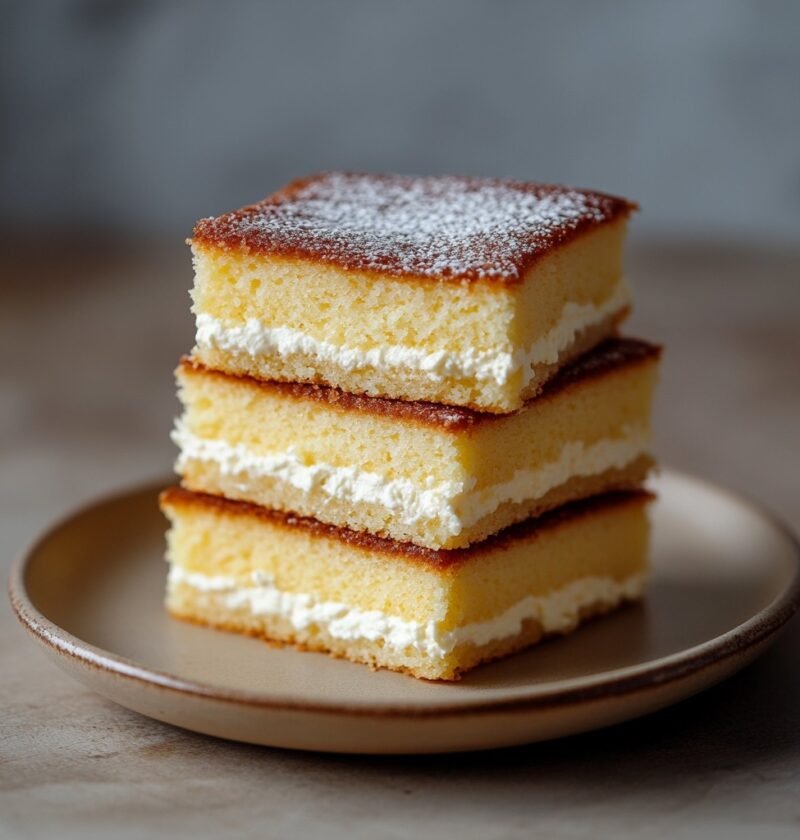
Ricotta Cake is a classic dessert that has captured the hearts and taste buds of cake lovers around the world. This delightful cake, known for its soft, creamy texture and rich flavor, has roots deeply embedded in Italian baking traditions.
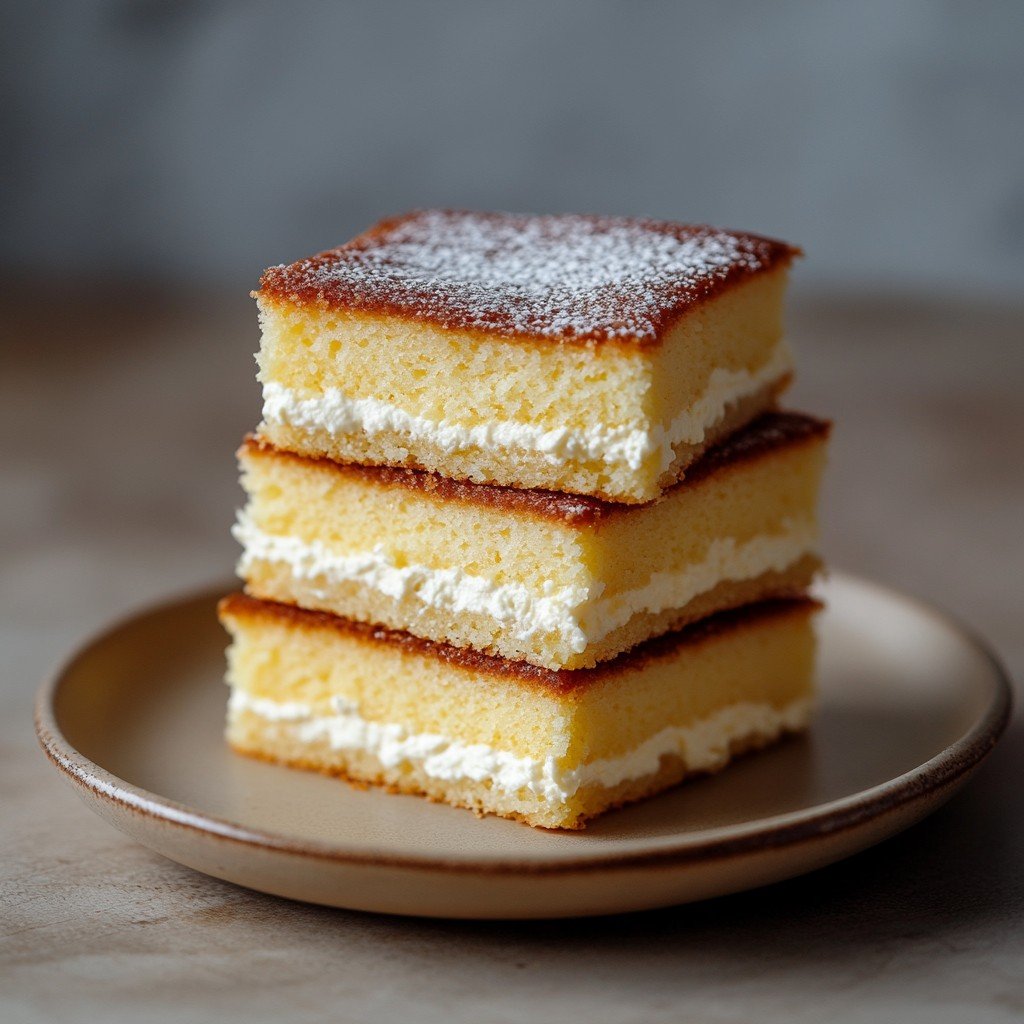
The star ingredient, ricotta cheese, lends moisture and a subtle tang that distinguishes ricotta cake from other desserts. Originating from Italian cuisine, ricotta cake began as a way to use surplus ricotta, turning a simple kitchen staple into something truly indulgent.
Over time, it became a celebration cake often enjoyed during special occasions, holidays, and family gatherings. Today, ricotta cake is appreciated not only for its simplicity but also for its versatility.
Its gentle sweetness and light texture make it the perfect treat for those who prefer their desserts not overly rich. Not only does ricotta cake taste divine, but it is also easy to prepare, requiring basic ingredients commonly found in most kitchens.
Whether you are exploring Italian desserts for the first time or seeking a new recipe to add to your home-baking repertoire, this ricotta cake recipe is sure to impress with its flavor, moistness, and ease of preparation.
From its storied history to its irresistible taste, ricotta cake remains a testament to the enduring appeal of Italian culinary heritage.
Ingredients
- 1 1/2 cups whole milk ricotta cheese (at room temperature)
- 3/4 cup granulated sugar
- 3 large eggs (at room temperature)
- 1/4 cup unsalted butter (melted and cooled)
- 1 teaspoon vanilla extract
- Finely grated zest of 1 lemon
- 1/2 teaspoon ground cinnamon
- 1 cup all-purpose flour
- 1 1/2 teaspoons baking powder
- 1/4 teaspoon salt
- Powdered sugar, for dusting (optional)
Instructions
- Preheat the oven to 350°F (175°C). Grease a 9-inch springform pan with butter or nonstick spray. Line the bottom with parchment paper for easy release.
- In a large mixing bowl, combine the ricotta cheese and granulated sugar. Beat with an electric mixer on medium speed until smooth and creamy, about 2 minutes.
- Add the eggs, one at a time, beating well after each addition. Mix in the melted butter, vanilla extract, lemon zest, and ground cinnamon. Blend until well incorporated.
- In a separate bowl, whisk together the all-purpose flour, baking powder, and salt. Gradually fold the dry ingredients into the ricotta mixture using a spatula or the mixer on low speed until just combined. Do not overmix.
- Pour the batter into the prepared pan and smooth the top with a spatula.
- Bake for 40-50 minutes or until the cake is lightly golden and a toothpick inserted into the center comes out clean or with just a few moist crumbs.
- Remove the cake from the oven and let it cool in the pan on a wire rack for 15 minutes. Carefully remove the cake from the springform pan and let it cool completely.
- Once the ricotta cake is fully cooled, dust lightly with powdered sugar before serving, if desired. Slice and enjoy.
Nutritional Information
Ricotta cake combines the indulgent texture of a traditional cake with the nutritional advantages of ricotta cheese, making it a more wholesome dessert option compared to many others. A typical slice (based on this recipe, when divided into ten servings) contains approximately 220-250 calories.
It offers a moderate protein content, thanks to the ricotta and eggs, providing around 7-9 grams per slice. The cake is lower in saturated fat than many butter-heavy desserts because ricotta imparts creaminess without requiring excessive amounts of oil or butter.
Cholesterol levels are moderate due to the inclusion of eggs and butter but can be managed by using part-skim ricotta or substituting some of the whole eggs with egg whites. Sugars are present predominantly from granulated sugar, but the recipe can be adjusted to decrease overall sweetness if desired.
The addition of lemon zest imparts trace vitamins and a refreshing flavor without any added calories. Gluten-wise, the cake does contain wheat flour, but it is possible to adapt the recipe with gluten-free flour if required.
As for micronutrients, ricotta is an excellent source of calcium, phosphorus, and vitamin A, all of which contribute to bone health and proper cell function.
The overall result is a dessert that balances sweetness and nutrition, making it a great option for those looking to enjoy a treat that isn’t overly indulgent. Of course, portion size is key when incorporating any dessert into a balanced diet.
Ricotta cake stands out as a lighter option compared to classic cheesecakes or butter-laden pound cakes, providing a more nutrient-rich and satisfying choice for dessert lovers.
Wine and Beverage Pairings
Ricotta cake has a delicate, creamy texture and subtle sweetness, making it an excellent pairing partner with a range of beverages. For a classic Italian finish, serve it with a glass of Moscato d’Asti or Vin Santo—both lightly sweet wines that complement the cake's flavor without overpowering it.
Coffee lovers can enjoy a slice alongside a freshly brewed espresso or cappuccino, mimicking the Italian tradition of enjoying coffee and dessert after a meal. Tea enthusiasts may opt for a fragrant Earl Grey or chamomile tea, which can accentuate the cake’s citrus and spice notes.
For a refreshing, non-alcoholic option, try sparkling water with a lemon twist or a homemade lemonade to balance the creaminess. Regardless of your beverage choice, the soft flavor profile of ricotta cake allows it to pair beautifully with many drinks, making it a versatile dessert for any occasion.
Cooking Tips and Variations
To achieve the best texture and flavor in your ricotta cake, always use whole milk ricotta cheese, as it lends superior creaminess compared to low-fat versions. Allow all your ingredients, especially eggs and ricotta, to come to room temperature for smoother blending and a more cohesive batter.
For a touch of added flavor, consider substituting lemon zest with orange zest or a few drops of almond extract. If you desire a richer cake, some bakers like to add 1/4 cup mini chocolate chips or a handful of fresh berries (such as blueberries or raspberries) to the batter.
Just fold them in at the last step to prevent streaking the batter. For those seeking a gluten-free version, replace the all-purpose flour with a one-to-one gluten-free baking blend, ensuring the consistency remains moist and tender.
Baking time may vary slightly, so keep an eye on the cake and do a toothpick test a few minutes before the recommended time is up. If the top begins to brown too quickly, lightly cover with foil for the remaining baking time.
Ricotta cake also tastes wonderful after being chilled in the refrigerator—just ensure it’s tightly wrapped to prevent it from absorbing any other flavors. With these tips and variations, you can customize your ricotta cake to fit your preferences and dietary needs, ensuring each bite is a delightful experience.
Serving Suggestions
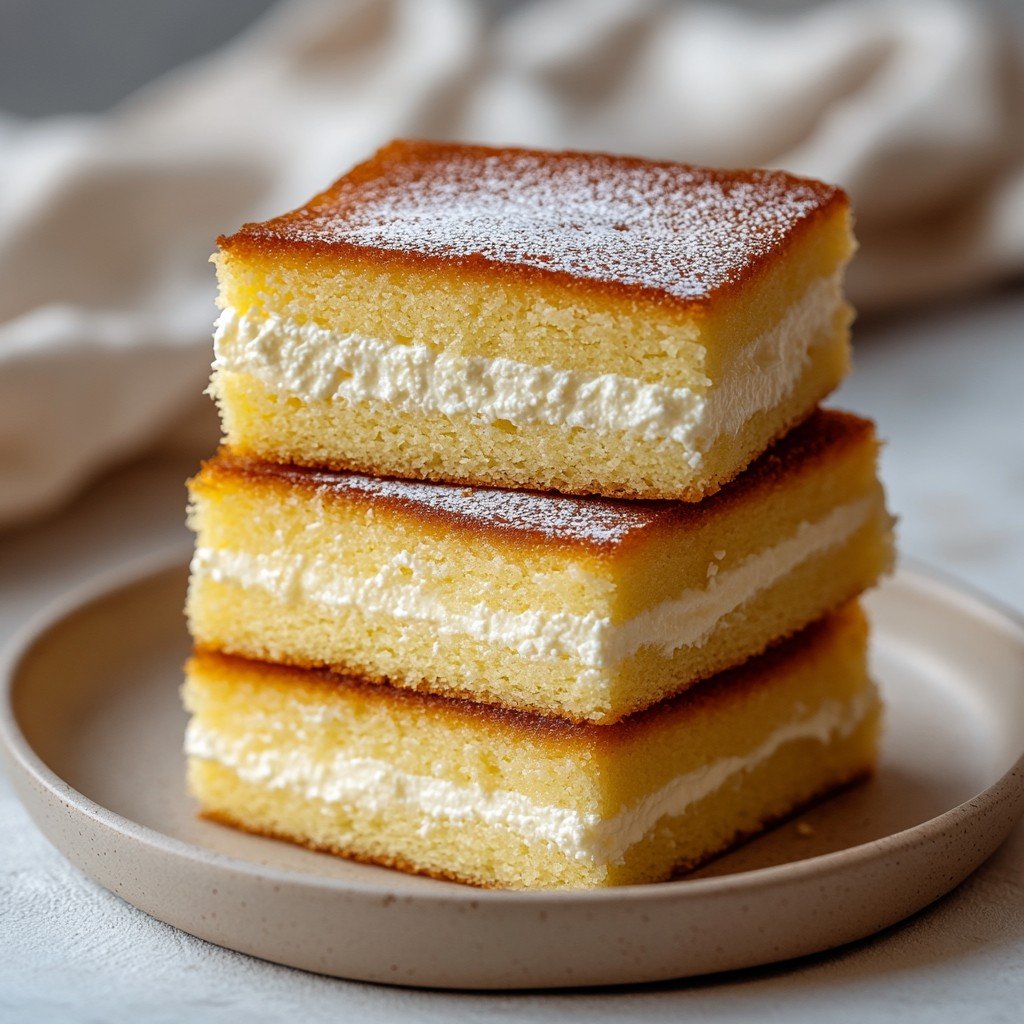
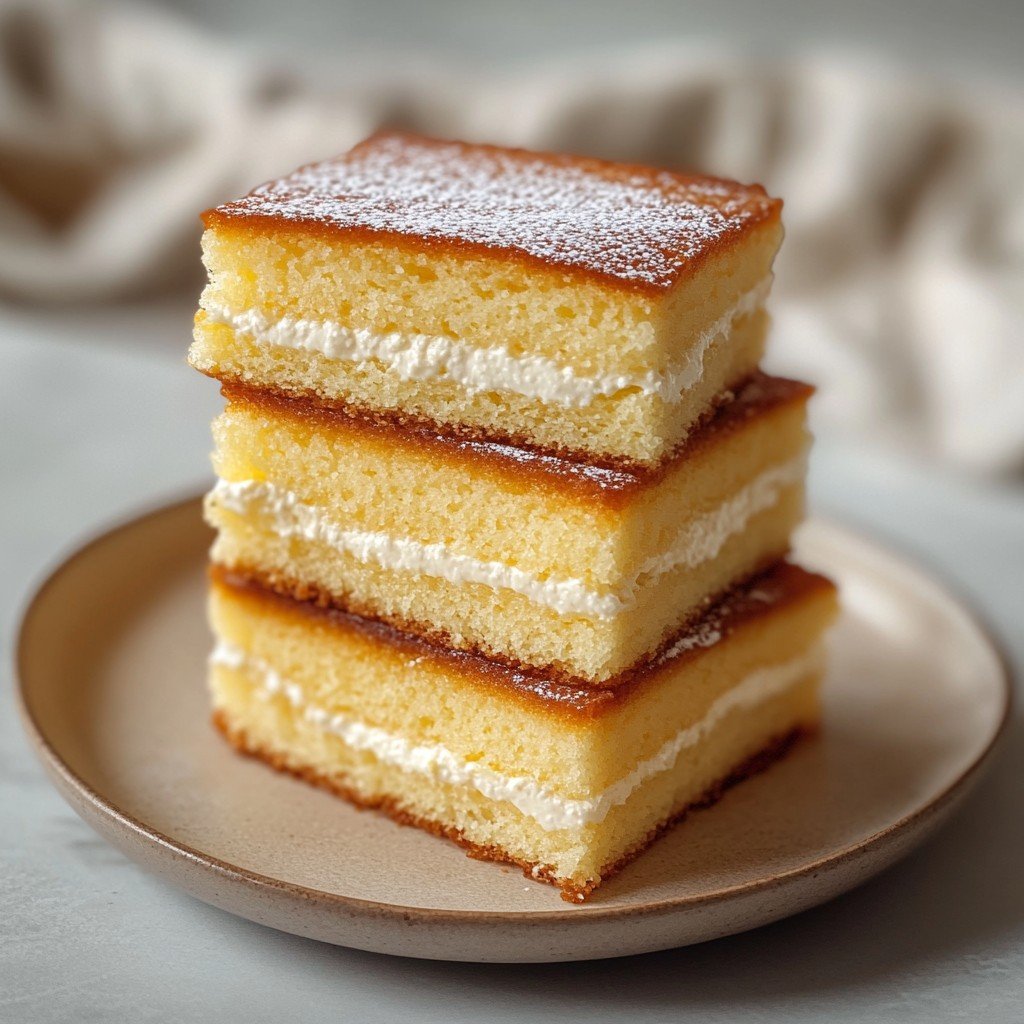
Ricotta cake shines as both an everyday dessert and a centerpiece for special occasions. To present your ricotta cake elegantly, dust the top with powdered sugar right before serving to create a classic, inviting look.
Slice the cake with a sharp, thin-bladed knife for clean edges, wiping the blade between slices to maintain a neat appearance.
This cake can be enjoyed plain, or you may add a dollop of freshly whipped cream and a few berries such as raspberries, strawberries, or blueberries for a festive touch. For a more decadent experience, drizzle each wedge with a spoonful of berry coulis or honey.
If serving at a dinner party or brunch, consider plating slices on small dessert dishes with fresh mint leaves for a pop of color. Ricotta cake is lovely at room temperature but can also be served chilled, which enhances its dense, creamy texture.
Store any leftovers in an airtight container in the refrigerator for up to three days. Its flavor often deepens after resting overnight, making it a fantastic make-ahead dessert.
Serve as a light finale to a rich Italian meal or alongside afternoon coffee for a memorable treat that is sure to please any crowd.
Health Benefits
Ricotta cake offers notable health benefits when compared to many traditional cakes, primarily due to the inclusion of ricotta cheese. Ricotta is a rich source of protein and essential amino acids, supporting muscle health and satiety.
It contains significantly less fat than cream cheese or mascarpone, especially if made with part-skim ricotta, making the cake lighter and less caloric. The calcium content in ricotta cheese is beneficial for maintaining strong bones and teeth, while eggs contribute important vitamins like B12 and choline.
By incorporating lemon zest and using a moderate amount of sugar, this cake avoids excessive sweetness and remains relatively balanced. For individuals looking to reduce saturated fat, swapping butter for a heart-healthy oil or using lower-fat ricotta is an easy adjustment.
Additionally, the use of whole ingredients and minimal processed components aligns ricotta cake closer to home-cooked, nutrient-rich desserts. When served in reasonable portions, ricotta cake fits into most nutritious eating patterns, providing both satisfaction and essential nutrients without excess calories or empty carbohydrates.
Frequently Asked Questions
Yes, ricotta cake is an excellent make-ahead dessert. In fact, its flavor and texture often improve after chilling overnight in the refrigerator. Simply cover the cake tightly with plastic wrap or store in an airtight container until ready to serve.
Absolutely. Once fully cooled, wrap individual slices or the whole cake tightly in plastic wrap and store in an airtight container or freezer bag for up to two months. Thaw in the refrigerator before serving.
You can substitute part-skim ricotta for whole milk ricotta if you prefer a lighter cake. The result may be slightly less rich, but the texture will still be moist and creamy. Ensure the ricotta is well-drained for the best results.
Yes, simply use a one-to-one gluten-free flour blend in place of regular all-purpose flour. Check that your baking powder is also gluten-free to be certain the cake is suitable for gluten-sensitive individuals.
Ricotta cake pairs beautifully with citrus zests like lemon or orange, vanilla, almond extract, fresh berries, or even chocolate chips. These flavors complement the cake's creamy, mild profile.
Ricotta cake is a charming and versatile dessert that captures the essence of Italian home baking. Its moist, creamy crumb and gentle sweetness make it an instant favorite for both casual family meals and elegant gatherings. Easy to prepare and adaptable to various tastes and dietary needs, ricotta cake offers the perfect balance of flavor, texture, and nutrition. Whether you serve it plain, with fruit, or a light dusting of powdered sugar, this cake is certain to delight your guests and loved ones. Add this ricotta cake recipe to your collection and experience the timeless appeal of a classic Italian treat.
Ingredients
- 1 1/2 cups whole milk ricotta cheese (at room temperature)
- 3/4 cup granulated sugar
- 3 large eggs (at room temperature)
- 1/4 cup unsalted butter (melted and cooled)
- 1 teaspoon vanilla extract
- Finely grated zest of 1 lemon
- 1/2 teaspoon ground cinnamon
- 1 cup all-purpose flour
- 1 1/2 teaspoons baking powder
- 1/4 teaspoon salt
- Powdered sugar, for dusting (optional)
Instructions
-
1Preheat the oven to 350°F (175°C). Grease a 9-inch springform pan with butter or nonstick spray. Line the bottom with parchment paper for easy release.
-
2In a large mixing bowl, combine the ricotta cheese and granulated sugar. Beat with an electric mixer on medium speed until smooth and creamy, about 2 minutes.
-
3Add the eggs, one at a time, beating well after each addition. Mix in the melted butter, vanilla extract, lemon zest, and ground cinnamon. Blend until well incorporated.
-
4In a separate bowl, whisk together the all-purpose flour, baking powder, and salt. Gradually fold the dry ingredients into the ricotta mixture using a spatula or the mixer on low speed until just combined. Do not overmix.
-
5Pour the batter into the prepared pan and smooth the top with a spatula.
-
6Bake for 40-50 minutes or until the cake is lightly golden and a toothpick inserted into the center comes out clean or with just a few moist crumbs.
-
7Remove the cake from the oven and let it cool in the pan on a wire rack for 15 minutes. Carefully remove the cake from the springform pan and let it cool completely.
-
8Once the ricotta cake is fully cooled, dust lightly with powdered sugar before serving, if desired. Slice and enjoy.
Approximate Information for One Serving
Nutrition Disclaimers
Number of total servings shown is approximate. Actual number of servings will depend on your preferred portion sizes.
Nutritional values shown are general guidelines and reflect information for 1 serving using the ingredients listed, not including any optional ingredients. Actual macros may vary slightly depending on specific brands and types of ingredients used.
To determine the weight of one serving, prepare the recipe as instructed. Weigh the finished recipe, then divide the weight of the finished recipe (not including the weight of the container the food is in) by the desired number of servings. Result will be the weight of one serving.
Did you make this recipe?
Please consider Pinning it!