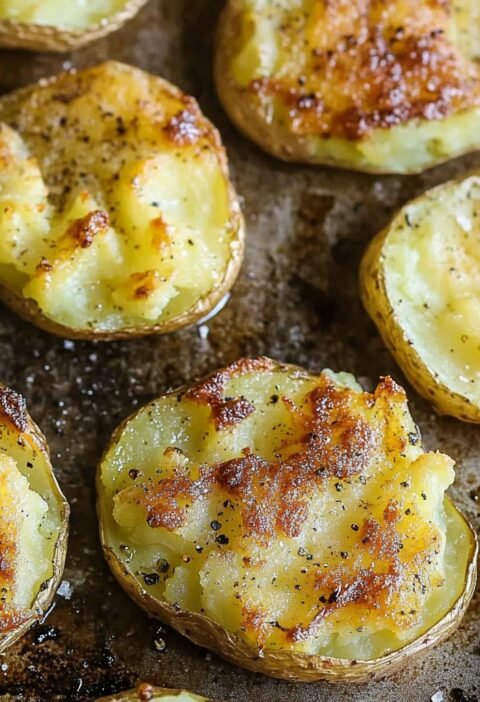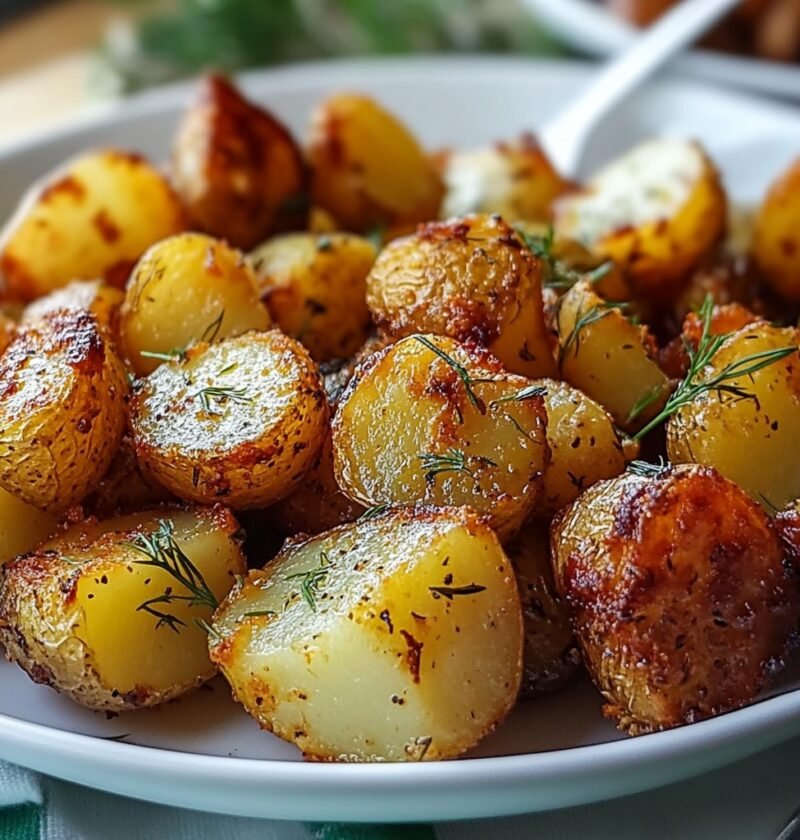
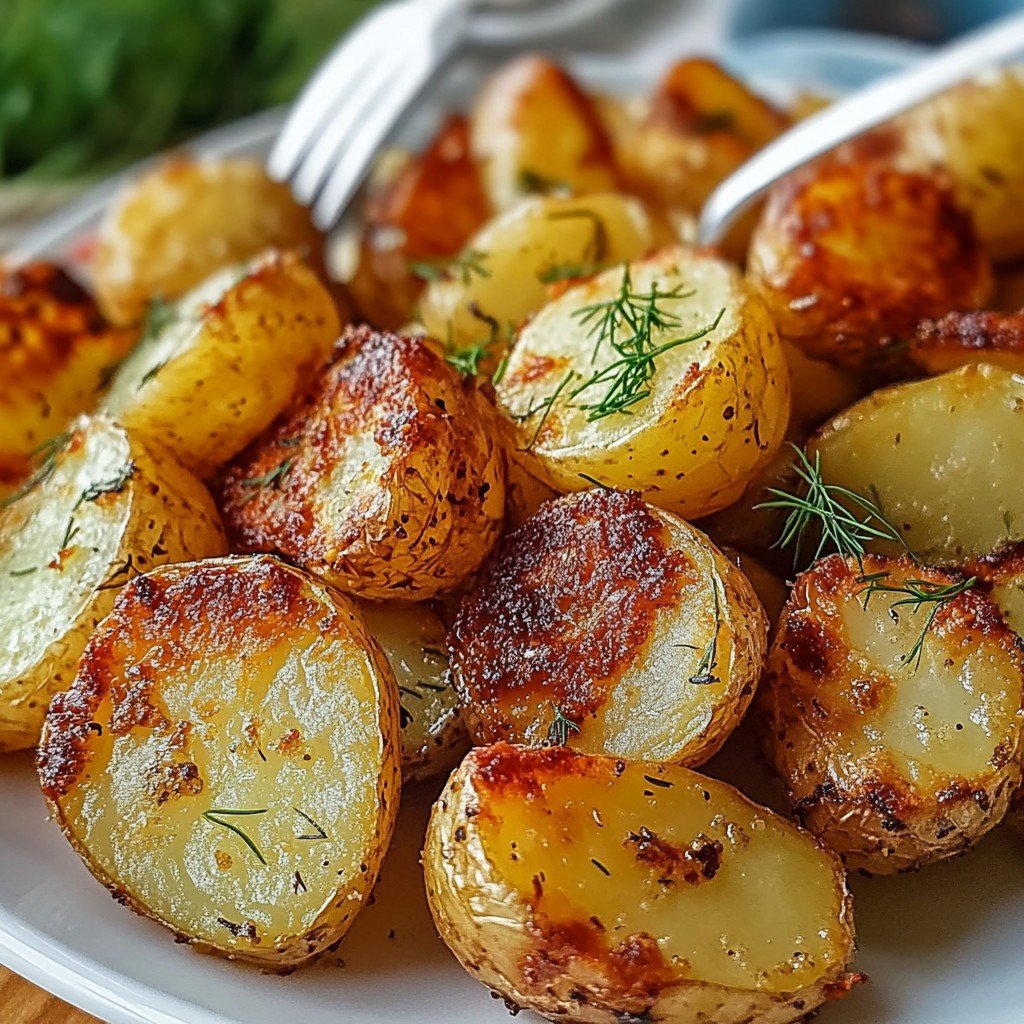
Roasted potatoes are a classic side dish cherished for their crispy exteriors and tender, fluffy interiors. Their simplicity allows them to accompany a wide array of main courses, making them a versatile staple in kitchens around the world.
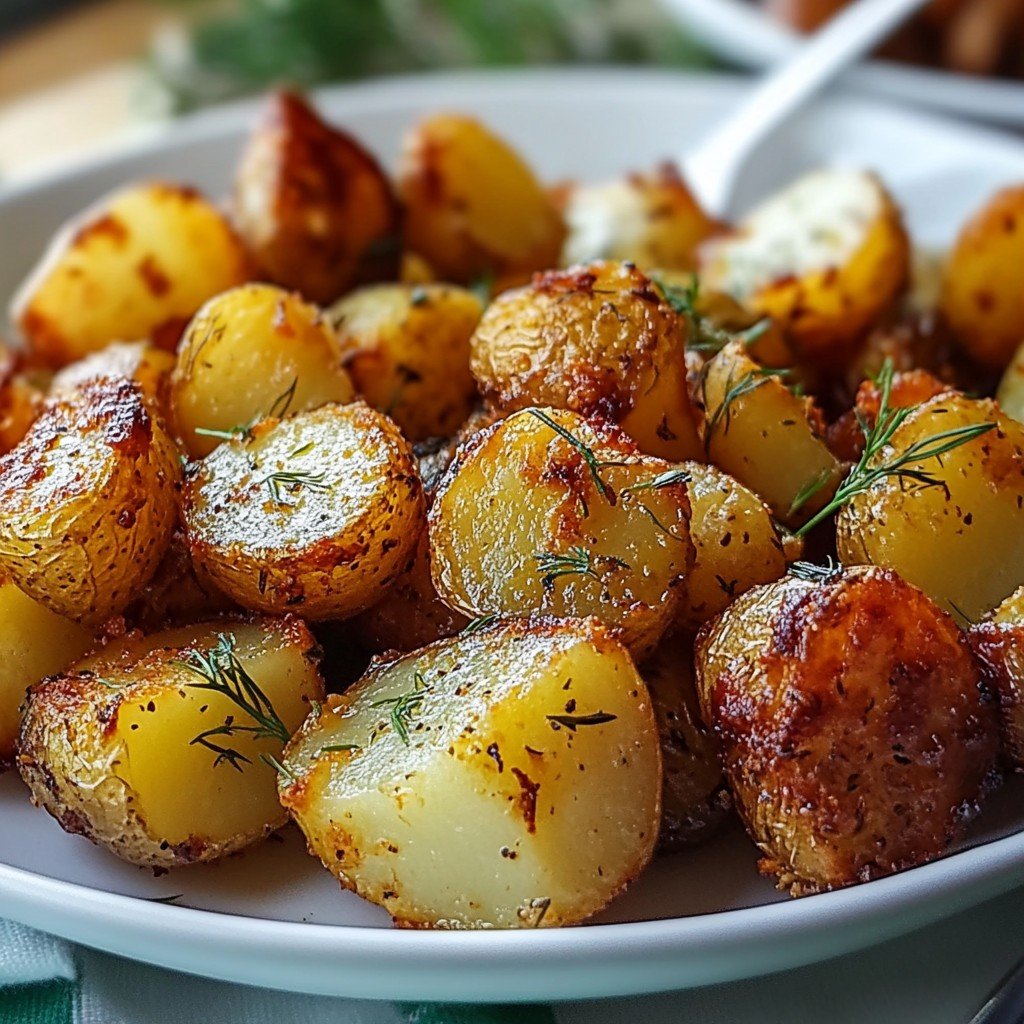
The allure of roasted potatoes lies in their texture—a crunchy golden shell with a creamy inside—created by the perfect combination of high oven heat and just the right amount of seasoning and oil.
Potatoes have been enjoyed for centuries, originating in South America before spreading across the globe and becoming a beloved ingredient in many cultures. Roasting, in particular, has stood the test of time due to its ability to enhance the natural flavor of potatoes while adding a delicious caramelized note.
Whether you’re seeking a comforting addition to a family dinner, a straightforward accompaniment to a festive roast, or a robust base for a brunch spread, roasted potatoes never disappoint. Their adaptability allows for countless variations, whether you add herbs, spices, garlic, or even a dash of parmesan.
As more people turn towards home-cooked, wholesome foods, mastering the art of roasting potatoes with simple ingredients is both satisfying and rewarding.
In this comprehensive guide, we’ll delve into every aspect of making the best roasted potatoes—from tips for achieving crisp perfection to creative variations and serving suggestions—ensuring your next batch delights everyone at the table.
Ingredients
- 2 pounds (900g) Yukon Gold or Russet potatoes
- 3 tablespoons olive oil
- 1 1/2 teaspoons sea salt
- 1/2 teaspoon freshly ground black pepper
- 1 teaspoon garlic powder (optional)
- 1 1/2 teaspoons dried rosemary or thyme (optional)
- 2 tablespoons chopped fresh parsley (for garnish)
Instructions
- Preheat your oven to 425°F (220°C) and line a baking sheet with parchment paper or lightly grease it.
- Wash, peel (if desired), and cut the potatoes into 1-inch cubes to ensure even roasting.
- Place the cubed potatoes in a large bowl and toss them with olive oil, sea salt, pepper, garlic powder, and dried herbs if using. Mix until all pieces are evenly coated.
- Arrange the potatoes on the prepared baking sheet in a single layer, making sure not to overcrowd them to achieve maximum crispiness.
- Roast in the preheated oven for 25-30 minutes, turning the potatoes halfway through the cooking time to brown all sides evenly.
- Check for doneness by inserting a fork; the potatoes should be golden and crisp outside and fork-tender inside.
- Remove from the oven, sprinkle with chopped fresh parsley, and serve immediately for best texture and flavor.
Nutritional Information
Roasted potatoes are not only a comforting and delicious side dish, but they also provide a range of essential nutrients when prepared using wholesome ingredients. A typical serving size, about one cup of roasted potatoes, delivers approximately 180-220 calories, making it a satisfying yet moderate accompaniment for various meals.
Most of these calories come from complex carbohydrates, which are the body's primary energy source, allowing for sustained energy release throughout the day. Potatoes are also naturally fat-free, with any dietary fat in roasted potatoes arising primarily from the added olive oil, which offers heart-healthy monounsaturated fats.
Olive oil additionally provides a dose of vitamin E and antioxidants. Roasted potatoes are a good source of dietary fiber, especially when the potato skins are left on, aiding in digestion and promoting a sense of fullness that can help with portion control.
Potatoes also contain important vitamins such as vitamin C, which supports immune health, and vitamin B6, essential for metabolism and brain function. Potassium is another standout mineral in potatoes, contributing to healthy blood pressure and muscle function.
By preparing roasted potatoes at home, you can control the amount of salt and oil, minimizing excess sodium and unhealthy fats.
For those monitoring their blood glucose, potatoes do have a moderate glycemic index, but when consumed in reasonable portions and balanced with protein or fiber-rich foods, can fit sensibly within most diets.
Overall, roasted potatoes offer a nutritious, satisfying, and wholesome addition to any meal when made with quality ingredients and minimal processed additions.
Wine and Beverage Pairings
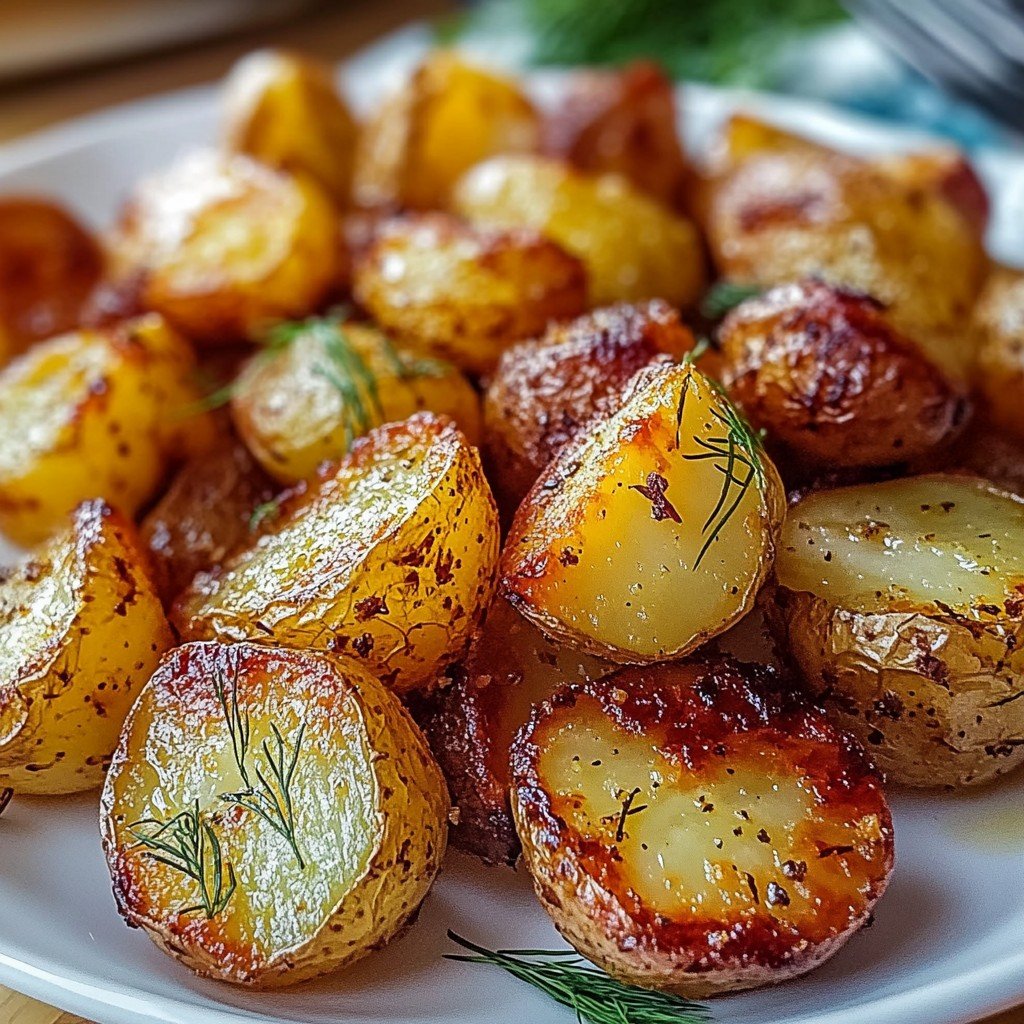
Roasted potatoes’ savory, golden flavor makes them remarkably versatile when it comes to beverage pairings. For wine, a dry white such as Sauvignon Blanc or a rich, unoaked Chardonnay complements the subtle earthiness of the potatoes.
For red wine enthusiasts, try a light-bodied Pinot Noir or Grenache, which pair well with both the potatoes and accompanying roasted meats. Beer lovers might enjoy a lager or pale ale, whose refreshing notes balance the dish’s richness.
If you prefer non-alcoholic beverages, a sparkling water with freshly squeezed lemon or a homemade iced tea can provide a sharp contrast to the warm, hearty potatoes, cleansing the palate between bites.
For an elevated brunch pairing, consider a classic mimosa or a citrus-infused mocktail for a burst of brightness alongside the comforting roasted potatoes.
Cooking Tips and Variations
To create irresistible roasted potatoes, a few strategic tips and variations can elevate both flavor and texture. First, ensure uniform potato pieces; cutting them into similar sizes allows even roasting and avoids some pieces burning while others undercook.
For ultra-crispy exteriors, parboil the potato cubes briefly—about five minutes—then drain and let them steam dry before tossing with oil and seasonings. This extra step gelatinizes the starches and supports the development of a crunchy surface. Use a heavy, preheated baking sheet if you love super-crispy roasted potatoes.
Spreading the potatoes out without overcrowding is crucial; crowded pans trap steam and hinder browning. Experiment with flavors by adding crushed garlic cloves, smoked paprika, cumin, or fresh herbs like rosemary, thyme, or parsley. For a decadent twist, finish with freshly grated parmesan or crumbled cooked bacon before serving.
To keep your roasted potatoes healthy, stick to heart-healthy oils like olive or avocado oil and limit the amount of added salt. Roast at a high temperature, such as 425°F (220°C), which promotes a golden, crunchy crust without over-drying the interior.
Lastly, for added convenience, roasted potatoes can be made ahead and briefly reheated in the oven to restore their crispness. By mastering these techniques and exploring creative additions, roasted potatoes can remain endlessly exciting and tailored to your preferences.
Serving Suggestions
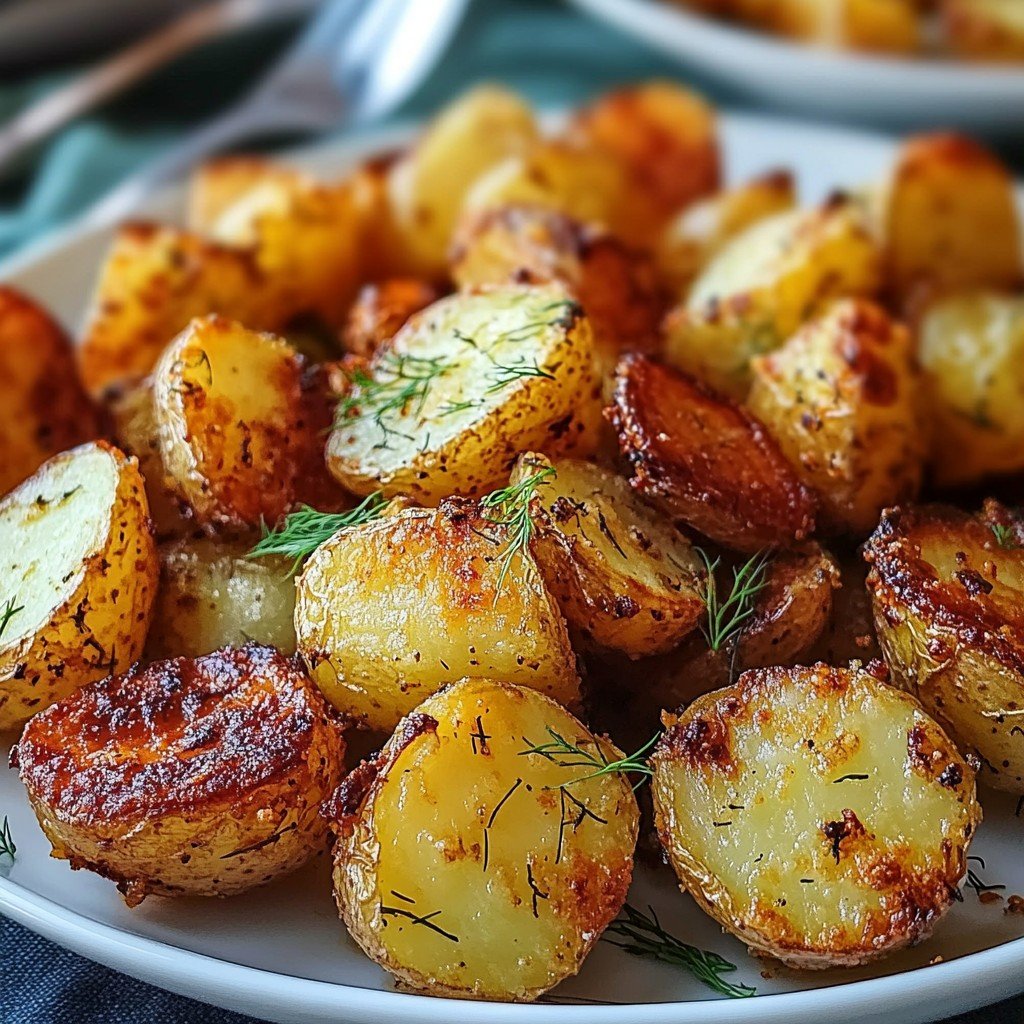
Roasted potatoes are an exceptionally adaptable side, fitting seamlessly into any meal of the day and serving as a crowd-pleaser for gatherings of all sizes. For breakfast or brunch, pair roasted potatoes with scrambled eggs, crispy bacon, or avocado toast for a hearty start to the morning.
At lunch, they add satisfying crunch and substance alongside a fresh garden salad, grilled chicken, or a veggie-packed sandwich. For dinner, roasted potatoes shine next to roasted meats such as chicken, beef, or pork, and also beautifully complement seafood dishes like baked salmon or grilled shrimp.
Their crisp edges and soft interiors elevate traditional comfort meals such as roast beef and gravy or herbed roast chicken.
For a vegetarian entrée, roasted potatoes can be served atop a bed of sautéed greens, tossed with roasted vegetables, or finished with a sprinkle of feta cheese and a drizzle of balsamic reduction.
For parties or holiday feasts, offer roasted potatoes in a large platter garnished with fresh herbs, allowing guests to help themselves.
They also make an ideal base for loaded potato bites or can be tossed with a tangy dressing and served at room temperature as part of a roasted vegetable salad.
Regardless of the occasion, presenting roasted potatoes fresh out of the oven ensures their irresistible aroma and texture captivate every diner.
Health Benefits
Roasted potatoes provide several health benefits, making them a nutritious addition to your regular menu when prepared thoughtfully. Potatoes are naturally rich in potassium, a mineral that plays an essential role in maintaining healthy blood pressure and cardiovascular function.
They are also a source of vitamin C, supporting immune health and skin integrity. The dietary fiber found particularly in potato skins enhances digestion and contributes to satiety, which can help manage cravings and support weight control.
Roasting potatoes in heart-healthy olive oil delivers beneficial monounsaturated fats and antioxidants known to reduce inflammation and contribute to overall cardiovascular well-being. When prepared with minimal salt and wholesome seasonings, roasted potatoes avoid the excess sodium and unhealthy additives often found in processed potato products.
Additionally, choosing a variety of potato types, including purple or red-skinned potatoes, increases the intake of antioxidant compounds such as anthocyanins. For those with dietary restrictions, potatoes are naturally gluten-free, making roasted potatoes a friendly option for many.
While potatoes do have a moderate glycemic index, enjoying them in balanced portions, especially paired with salads, lean proteins, or other fiber-rich foods, ensures they fit comfortably within most healthy eating patterns.
Frequently Asked Questions
For extra crispy roasted potatoes, cut your potatoes into even pieces, parboil them for 5 minutes, drain and let them dry, then toss with oil and seasonings. Make sure to spread them out on a hot, preheated baking sheet and avoid overcrowding the pan. Roast at a high temperature, such as 425°F (220°C), and turn halfway through.
Yes, you can use a variety of potatoes such as Yukon Gold, Russet, red potatoes, or even fingerlings. Each type offers slightly different textures and flavors, so feel free to experiment to find your favorite.
Peeling potatoes for roasted potatoes is optional. Keeping the skins on not only saves time but also adds extra fiber, nutrients, and a rustic texture to the finished dish.
Place leftover roasted potatoes in an airtight container and refrigerate for up to three days. To reheat, spread them out on a baking sheet and warm in a 400°F (200°C) oven for 10-15 minutes to restore their crispness.
Classic pairings include rosemary, thyme, garlic powder, paprika, and parsley. You can also try cumin, oregano, chives, or a sprinkle of parmesan for a unique twist.
Roasted potatoes are the epitome of comfort and versatility, easily becoming the highlight of any meal with their irresistible golden crunch and savory flavor. Mastering this recipe ensures you have a reliable side dish in your culinary arsenal, ready to complement anything from breakfast fare to hearty dinners or festive holiday spreads. With endless options for customizing seasonings and herbs, roasted potatoes never cease to capture taste buds and warm hearts. Whether served fresh out of the oven or made ahead for convenience, these potatoes offer both nutrition and satisfaction. Embrace the tradition and creativity of roasted potatoes and watch them become a regular, cherished feature at your table.
Ingredients
- 2 pounds (900g) Yukon Gold or Russet potatoes
- 3 tablespoons olive oil
- 1 1/2 teaspoons sea salt
- 1/2 teaspoon freshly ground black pepper
- 1 teaspoon garlic powder (optional)
- 1 1/2 teaspoons dried rosemary or thyme (optional)
- 2 tablespoons chopped fresh parsley (for garnish)
Instructions
-
1Preheat your oven to 425°F (220°C) and line a baking sheet with parchment paper or lightly grease it.
-
2Wash, peel (if desired), and cut the potatoes into 1-inch cubes to ensure even roasting.
-
3Place the cubed potatoes in a large bowl and toss them with olive oil, sea salt, pepper, garlic powder, and dried herbs if using. Mix until all pieces are evenly coated.
-
4Arrange the potatoes on the prepared baking sheet in a single layer, making sure not to overcrowd them to achieve maximum crispiness.
-
5Roast in the preheated oven for 25-30 minutes, turning the potatoes halfway through the cooking time to brown all sides evenly.
-
6Check for doneness by inserting a fork; the potatoes should be golden and crisp outside and fork-tender inside.
-
7Remove from the oven, sprinkle with chopped fresh parsley, and serve immediately for best texture and flavor.
Approximate Information for One Serving
Nutrition Disclaimers
Number of total servings shown is approximate. Actual number of servings will depend on your preferred portion sizes.
Nutritional values shown are general guidelines and reflect information for 1 serving using the ingredients listed, not including any optional ingredients. Actual macros may vary slightly depending on specific brands and types of ingredients used.
To determine the weight of one serving, prepare the recipe as instructed. Weigh the finished recipe, then divide the weight of the finished recipe (not including the weight of the container the food is in) by the desired number of servings. Result will be the weight of one serving.
Did you make this recipe?
Please consider Pinning it!