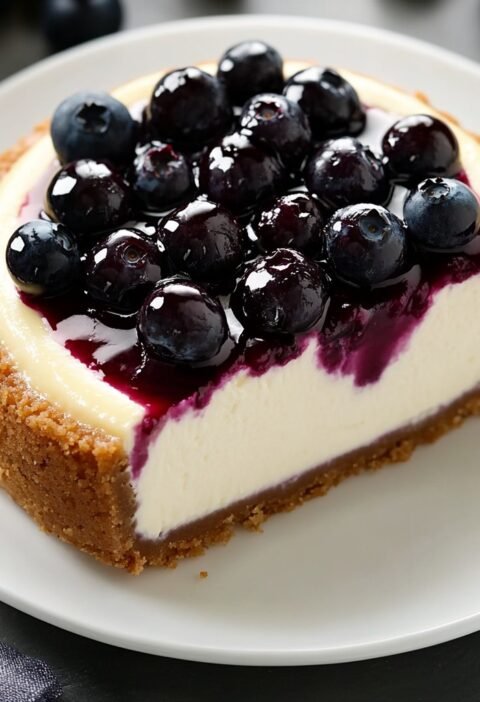
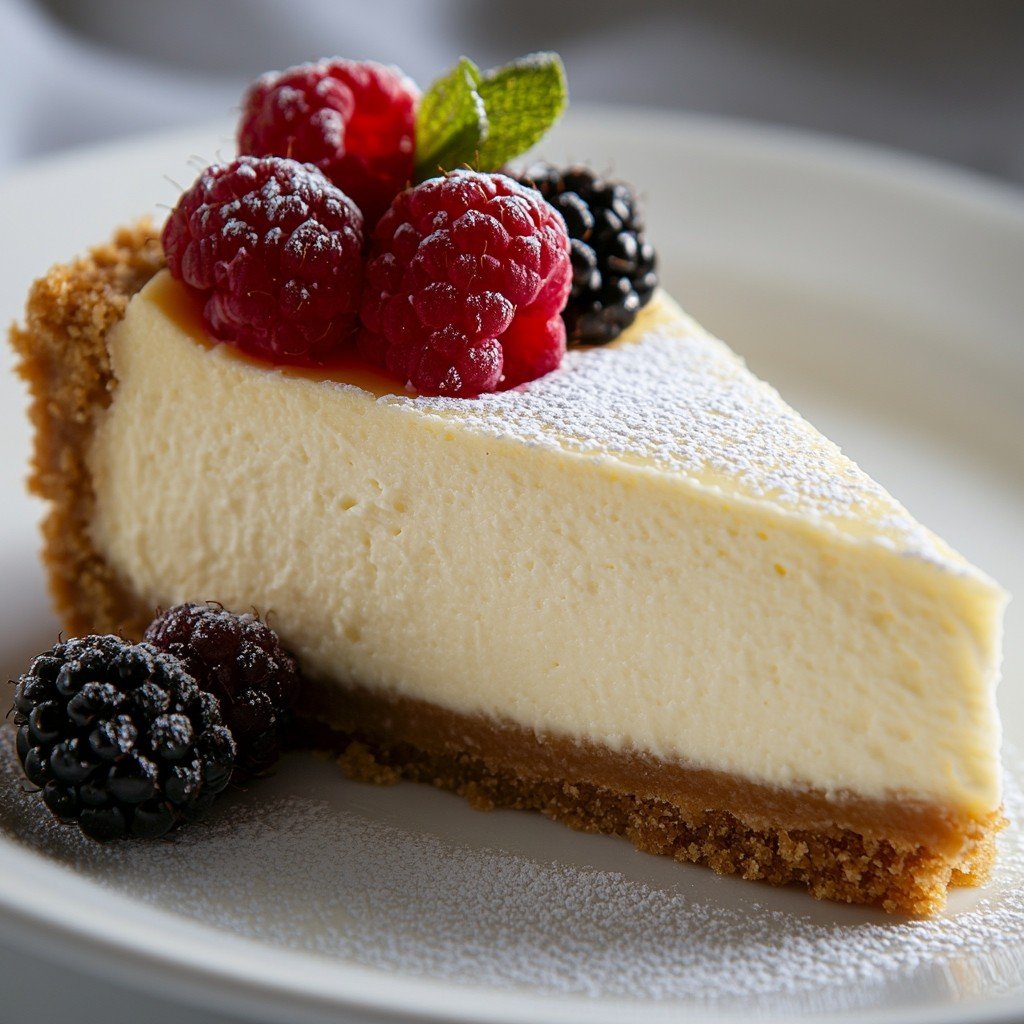
Sour cream cheesecake is a timeless dessert loved by cheesecake purists and food enthusiasts worldwide. With its signature smooth, creamy texture and a subtle tang that sets it apart from classic New York-style cheesecake, sour cream cheesecake offers a delightful balance of flavors.
The origins of cheesecake itself can be traced back thousands of years, with ancient Greeks preparing early cakes made from cheese.
The modern evolution, particularly with the incorporation of rich dairy elements like cream cheese and sour cream, took off in the United States, where bakers began experimenting with various textures and flavors.
Sour cream, known for its distinctive tartness, brings an extra layer of depth to the cheesecake, making the filling even creamier while gently cutting through the richness.
When baked within a crisp graham cracker crust and crowned with a simple sour cream topping, the result is an irresistibly elegant dessert suitable for any occasion — from a casual family dinner to festive gatherings.
This comprehensive guide to sour cream cheesecake provides you with everything needed: an authentic, foolproof recipe, the history behind the dessert, and practical tips for perfect results every time.
Whether you are a novice baker or a seasoned dessert lover, this article equips you to confidently craft a delectable sour cream cheesecake that will wow your guests and become a favored recipe in your collection.
Ingredients
- 1 and 1/2 cups graham cracker crumbs
- 1/4 cup granulated sugar (for crust)
- 1/2 cup unsalted butter, melted
- 24 oz (3 packages) cream cheese, softened
- 1 cup granulated sugar
- 1/4 teaspoon salt
- 1 teaspoon pure vanilla extract
- 4 large eggs
- 1 and 1/4 cups sour cream (for filling)
- 1 tablespoon all-purpose flour
- 1 cup sour cream (for topping)
- 2 tablespoons granulated sugar (for topping)
- 1/2 teaspoon vanilla extract (for topping)
Instructions
- Preheat the oven to 325°F (163°C). Grease a 9-inch springform pan and line the bottom with parchment paper for easier removal.
- In a medium bowl, combine the graham cracker crumbs, 1/4 cup sugar, and melted butter. Mix well until evenly moistened.
- Press the crumb mixture firmly into the bottom and slightly up the sides of the prepared pan. Bake the crust for 10 minutes, then set aside to cool.
- In a large mixing bowl, beat the softened cream cheese until smooth and fluffy, about 2 minutes.
- Add 1 cup sugar, salt, and vanilla extract to the cream cheese. Beat until fully incorporated, scraping down the sides of the bowl.
- Add eggs, one at a time, mixing on low speed to avoid overbeating. Scrape the bowl after each addition.
- Blend in 1 and 1/4 cups sour cream and flour until just combined and the batter is smooth.
- Pour the filling over the cooled crust and smooth the top with a spatula.
- Tap the pan gently on the counter to release any large air bubbles.
- Bake for 45-50 minutes, or until the edges are set and the center slightly jiggles when moved.
- Remove the cheesecake from the oven. Cool for 10 minutes, then spread the topping mixture (1 cup sour cream, 2 tablespoons sugar, 1/2 teaspoon vanilla) evenly over the cheesecake.
- Return to the oven and bake for an additional 10 minutes.
- Turn off the oven, crack the oven door, and let the cheesecake cool inside for 1 hour. This helps prevent cracks.
- Remove from the oven, cool to room temperature, and refrigerate, uncovered, for at least 4 hours or overnight.
- Run a thin knife around the edge before releasing the springform pan. Slice with a sharp knife, wiping between cuts for clean slices.
Nutritional Information
A single slice of sour cream cheesecake (1/12th of a 9-inch cheesecake) is a luscious treat that typically delivers about 380-420 calories, depending on specific ingredient choices and serving size. The primary contributors to the calorie count are cream cheese, sour cream, and the buttery graham cracker crust.
Each slice provides approximately 28-32 grams of fat, of which the majority is saturated fat from dairy. Carbohydrates generally fall between 30-35 grams per serving, primarily from graham crackers and sugar. Protein content ranges around 6-8 grams per slice, thanks to the egg and cheese content.
While sour cream cheesecake is certainly indulgent, it also offers nutritional value through essential nutrients like Vitamin A, calcium, and a modest dose of protein. Cream cheese and sour cream supply probiotics, which may aid digestive health.
However, due to the rich composition, it is best enjoyed in moderation, particularly for individuals monitoring calorie or saturated fat intake. For those aiming to reduce calories or fat, lower-fat cream cheese or sour cream can be substituted, though it may alter texture.
Overall, this dessert is a celebratory treat meant to bring joy to your table, perfect for special occasions and best enjoyed with balance in an otherwise well-rounded diet.
Wine and Beverage Pairings
Pairing beverages with sour cream cheesecake can enhance the dining experience. A classic choice is a lightly sweet dessert wine, such as Moscato d'Asti or Sauternes, which balances the tangy richness of the cheesecake.
For a non-alcoholic option, serve with fresh-brewed coffee or a delicate herbal tea like chamomile or jasmine, both of which gently cleanse the palate. For something festive, a glass of sparkling wine or Champagne pairs beautifully with the creamy, slightly tart bite of the cheesecake.
The bubbles help lighten each forkful, making this combination ideal for celebrations. If you prefer something more robust, an espresso or even a pour-over dark roast offers a complementary contrast, cutting through the decadent texture with every sip.
Cooking Tips and Variations
To achieve the perfect texture for your sour cream cheesecake, always start with softened cream cheese, ensuring it is completely smooth before adding other ingredients. Avoid over-mixing at any stage, especially after adding eggs, as over-beating can incorporate excess air and result in cracks.
For a creamy, crack-free surface, consider baking with a water bath: tightly wrap the pan in foil and set it in a larger baking dish filled with hot water before baking. While this step is optional, it provides extra insurance for an even bake.
For crust variation, substitute crushed digestive biscuits, vanilla wafers, or even chocolate cookies for a flavor twist. If you love a citrus flair, add a tablespoon of lemon zest or a teaspoon of lemon juice to the filling.
Make your cheesecake gluten-free by using gluten-free graham crackers and ensuring all ingredients are certified gluten-free. While the classic sour cream topping is traditional, you can elevate your cheesecake further with fresh berries, fruit compote, or a drizzle of caramel.
For best results, chill the baked cheesecake overnight to help the flavors meld and texture set. Always use a sharp knife dipped in hot water for clean slices.
Serving Suggestions
Sour cream cheesecake is most impressive when served well-chilled, with slices neatly cut using a knife dipped in hot water and wiped clean between slices.
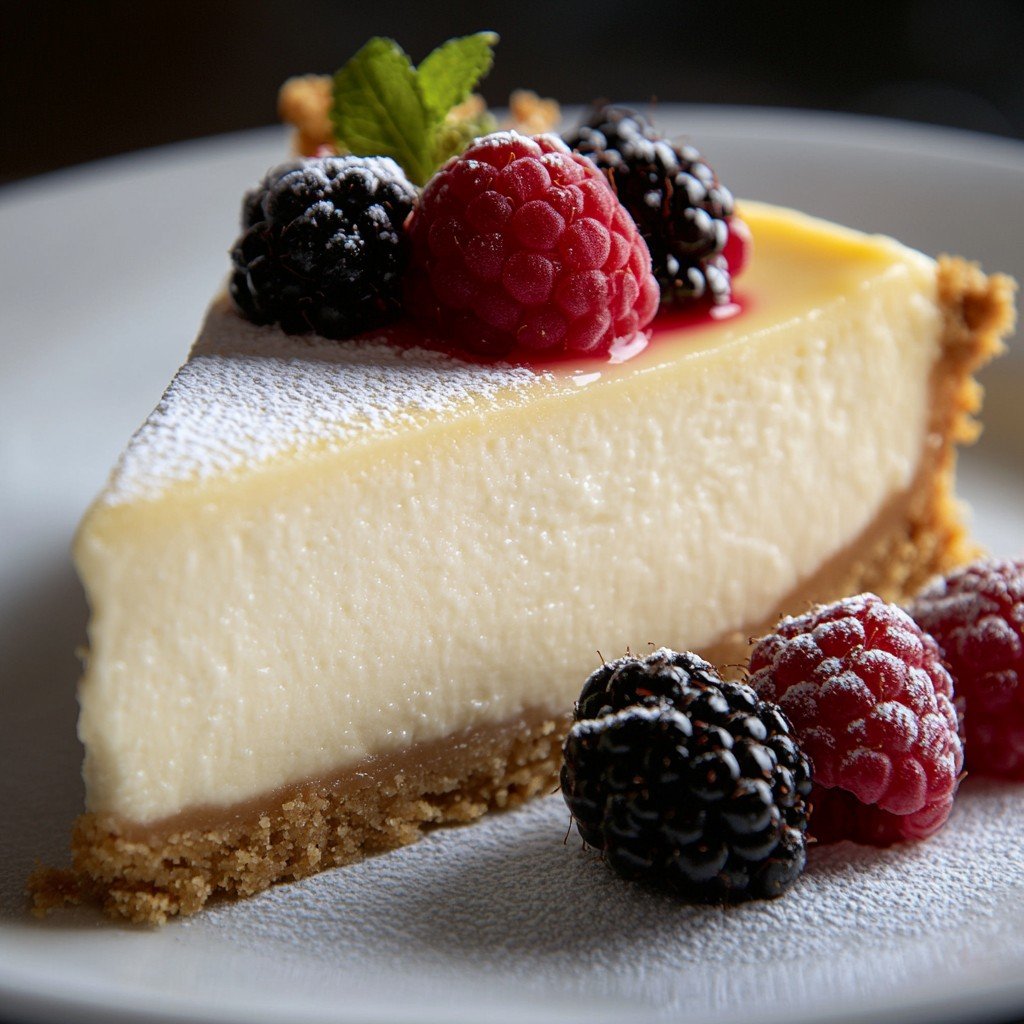
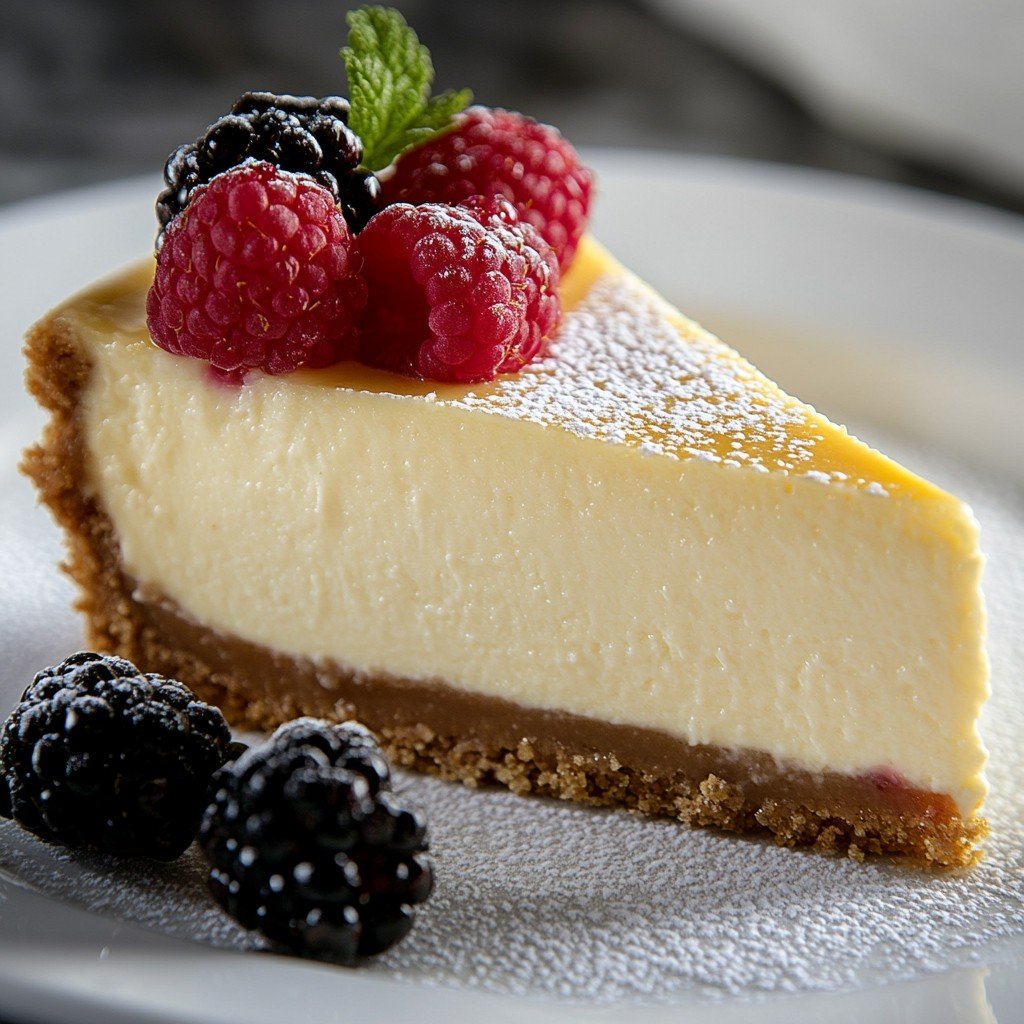
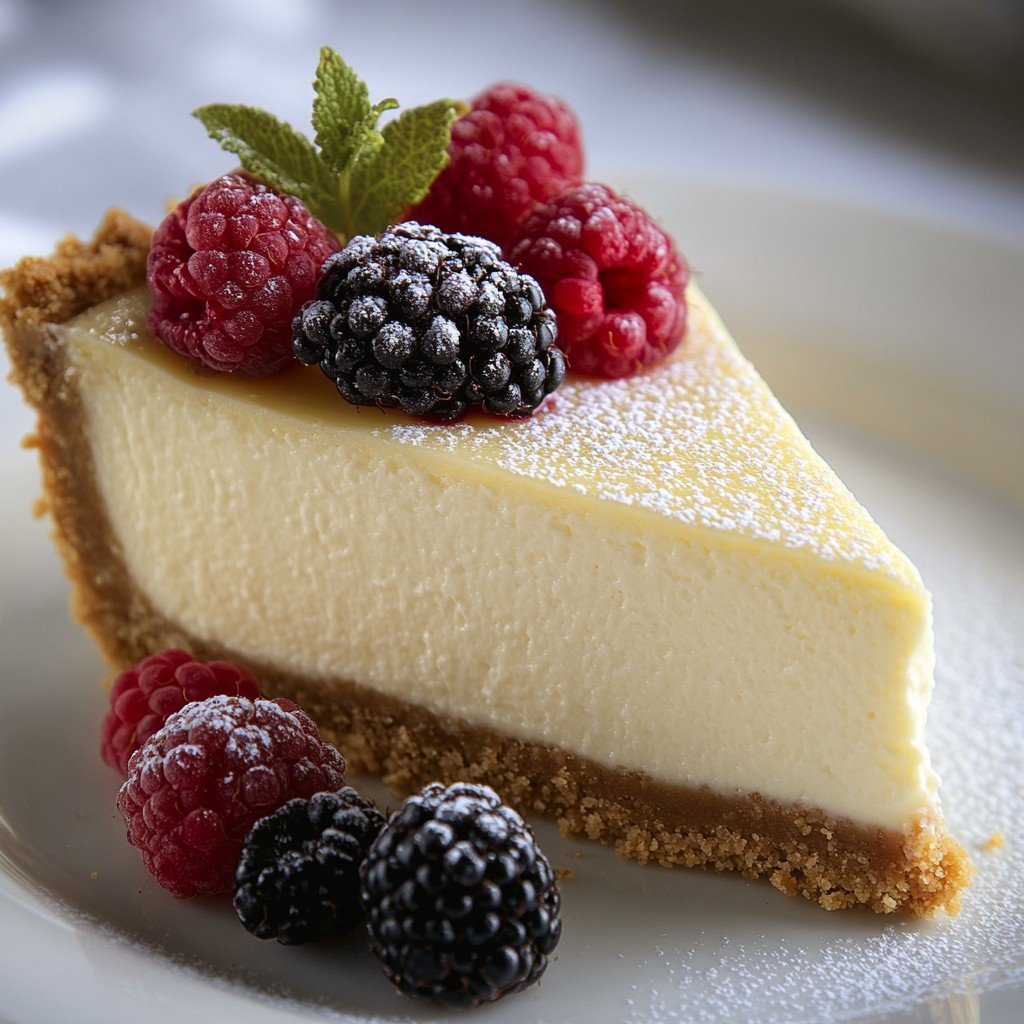
Present each piece on a dessert plate, optionally garnished with a few fresh berries, a mint sprig, or a drizzle of fruit coulis for an extra burst of color and flavor.
For formal dinners, serve cheesecake alongside a dollop of whipped cream and a thin wedge of lemon or orange on the side. To transform your cheesecake into a centerpiece, top the entire cake with a layer of glossy seasonal fruit, such as strawberries, blueberries, or kiwi.
Surround the platter with edible flowers for an elegant touch. This versatile dessert works beautifully at both casual gatherings and formal events, as its creamy texture and balanced sweetness appeal to nearly every palate. Accompany slices with coffee, tea, or your chosen beverage pairing.
Allow the cheesecake to sit at room temperature for about 10-15 minutes before slicing, which helps the texture soften slightly for a silkier mouthfeel. Avoid letting it sit out too long, especially in warm environments, to prevent melting or softening.
Leftovers should always be refrigerated, ideally covered in plastic wrap or in an airtight container to preserve freshness.
Health Benefits
Sour cream cheesecake, enjoyed in moderation, can be part of a balanced lifestyle. The key ingredients—sour cream, cream cheese, and eggs—deliver a range of nutritional benefits, including high-quality protein, calcium for bone health, and important vitamins such as Vitamin A and B12.
Sour cream offers probiotics, which may support gut health. However, because this dessert is high in saturated fat, calories, and refined sugar, it is best regarded as an occasional indulgence rather than a daily treat.
For those with dietary concerns, adapting the recipe with light cream cheese or lower-fat sour cream can reduce overall fat and calorie content; replacing sugar with a suitable sweetener can also be considered.
A homemade cheesecake, free from preservatives and artificial flavors, often boasts a cleaner label than many store-bought versions. Additionally, controlling portion size allows the enjoyment of its creamy luxury without overindulgence. Pairing with fresh fruit can add natural sweetness, fiber, and a vitamin boost.
Always consult with a healthcare professional if you have concerns about dairy or specific nutritional considerations, but rest assured, an occasional slice of sour cream cheesecake can have a place in most well-rounded diets.
Frequently Asked Questions
Yes, sour cream cheesecake freezes well. Allow the cheesecake to cool completely, chill it in the refrigerator, then wrap it tightly in plastic wrap and foil. Thaw overnight in the refrigerator before serving.
To prevent cracks, avoid over-mixing the batter once eggs are added, bake at a low temperature, and cool the cheesecake gradually. Baking with a water bath and not overbaking are helpful techniques as well.
Absolutely. Sour cream cheesecake can be made a day in advance and actually tastes better after chilling overnight, giving flavors time to meld and the texture to set.
You can substitute graham crackers with digestive biscuits, vanilla wafers, or crushed shortbread cookies for the crust. Adjust the sugar as needed depending on cookie sweetness.
Yes, simply use gluten-free cookies or crackers for the crust and ensure all other ingredients are certified gluten-free.
Making a rich and creamy sour cream cheesecake at home is an achievable goal for bakers of all experience levels. With its velvety smooth texture, lightly tangy flavor, and classic graham cracker crust, this dessert is a guaranteed crowd-pleaser for any gathering. By following the detailed steps, utilizing helpful tips, and exploring beverage pairings or creative toppings, you can personalize each cheesecake to your tastes. Whether celebrating a special occasion or sharing an everyday treat, sour cream cheesecake never fails to impress. Remember, the beauty of this cheesecake lies in its simplicity, making it a staple for home bakers and dessert enthusiasts alike. Enjoy every luxurious bite, knowing you are serving a slice of culinary tradition shaped by generations of innovation and flavor discovery.
Ingredients
- 1 and 1/2 cups graham cracker crumbs
- 1/4 cup granulated sugar (for crust)
- 1/2 cup unsalted butter, melted
- 24 oz (3 packages) cream cheese, softened
- 1 cup granulated sugar
- 1/4 teaspoon salt
- 1 teaspoon pure vanilla extract
- 4 large eggs
- 1 and 1/4 cups sour cream (for filling)
- 1 tablespoon all-purpose flour
- 1 cup sour cream (for topping)
- 2 tablespoons granulated sugar (for topping)
- 1/2 teaspoon vanilla extract (for topping)
Instructions
-
1Preheat the oven to 325°F (163°C). Grease a 9-inch springform pan and line the bottom with parchment paper for easier removal.
-
2In a medium bowl, combine the graham cracker crumbs, 1/4 cup sugar, and melted butter. Mix well until evenly moistened.
-
3Press the crumb mixture firmly into the bottom and slightly up the sides of the prepared pan. Bake the crust for 10 minutes, then set aside to cool.
-
4In a large mixing bowl, beat the softened cream cheese until smooth and fluffy, about 2 minutes.
-
5Add 1 cup sugar, salt, and vanilla extract to the cream cheese. Beat until fully incorporated, scraping down the sides of the bowl.
-
6Add eggs, one at a time, mixing on low speed to avoid overbeating. Scrape the bowl after each addition.
-
7Blend in 1 and 1/4 cups sour cream and flour until just combined and the batter is smooth.
-
8Pour the filling over the cooled crust and smooth the top with a spatula.
-
9Tap the pan gently on the counter to release any large air bubbles.
-
10Bake for 45-50 minutes, or until the edges are set and the center slightly jiggles when moved.
-
11Remove the cheesecake from the oven. Cool for 10 minutes, then spread the topping mixture (1 cup sour cream, 2 tablespoons sugar, 1/2 teaspoon vanilla) evenly over the cheesecake.
-
12Return to the oven and bake for an additional 10 minutes.
-
13Turn off the oven, crack the oven door, and let the cheesecake cool inside for 1 hour. This helps prevent cracks.
-
14Remove from the oven, cool to room temperature, and refrigerate, uncovered, for at least 4 hours or overnight.
-
15Run a thin knife around the edge before releasing the springform pan. Slice with a sharp knife, wiping between cuts for clean slices.
Approximate Information for One Serving
Nutrition Disclaimers
Number of total servings shown is approximate. Actual number of servings will depend on your preferred portion sizes.
Nutritional values shown are general guidelines and reflect information for 1 serving using the ingredients listed, not including any optional ingredients. Actual macros may vary slightly depending on specific brands and types of ingredients used.
To determine the weight of one serving, prepare the recipe as instructed. Weigh the finished recipe, then divide the weight of the finished recipe (not including the weight of the container the food is in) by the desired number of servings. Result will be the weight of one serving.
Did you make this recipe?
Please consider Pinning it!