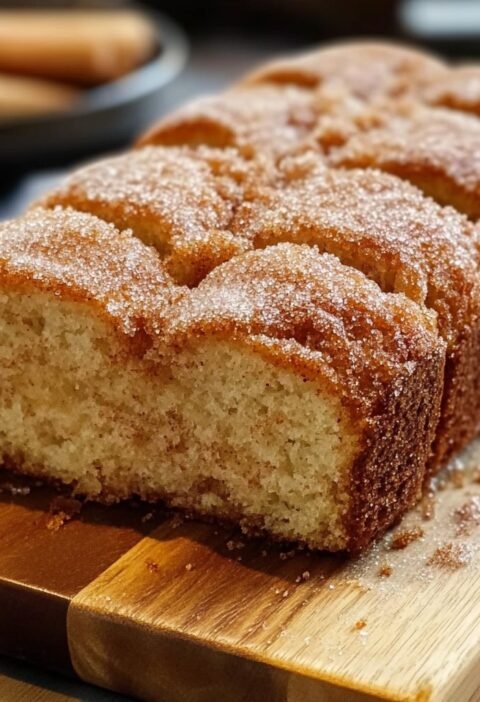
Starbucks Copycat Lemon Loaf is a beloved homemade take on the iconic lemon cake found at coffee shops worldwide. Few treats evoke a sense of nostalgia and comfort quite like the fragrant, moist lemon loaf topped with a sweet lemon glaze.

Favored for its perfect balance of tangy zest and buttery richness, this loaf has achieved cult status among Starbucks patrons craving a slice with their favorite coffee or tea.
The original Starbucks lemon loaf has earned admiration due to its moist crumb, pronounced lemon essence, and smooth glaze, but making this treat from scratch allows you to bring those café flavors into your own kitchen using simple ingredients.
Crafting your own Starbucks Copycat Lemon Loaf means you control quality, taste, and freshness, ensuring a rich, lemony experience every time. Whether enjoyed as a breakfast indulgence, an afternoon snack, or a dessert for entertaining, this bakery-style loaf impresses with its golden crust and luscious, tangy interior.
Lemon loaf cake recipes have been cherished for generations, with various iterations popping up in cookbooks and coffee shops alike. What makes this Starbucks copycat version so special is its ability to combine simplicity, affordability, and that unmistakable zesty flavor.
Homemade lemon loaf not only satisfies your craving for café-quality baked goods, it also fills your kitchen with the irresistible aroma of fresh citrus—a delight for both the senses and the soul.
By following this tried-and-true recipe, you’ll master the art of the Starbucks Copycat Lemon Loaf, astonishing your friends and family with every slice.
Ingredients
- 1 1/2 cups all-purpose flour
- 1 cup granulated sugar
- 1/2 teaspoon baking soda
- 1/2 teaspoon baking powder
- 1/2 teaspoon salt
- 3 large eggs, room temperature
- 1 cup sour cream
- 1/2 cup vegetable oil
- 2 tablespoons lemon zest (from 2 large lemons)
- 1/4 cup fresh lemon juice
- 1 teaspoon vanilla extract
- 1/2 teaspoon lemon extract
- For the glaze:
- 1 cup powdered sugar
- 2-3 tablespoons fresh lemon juice
Instructions
- Preheat your oven to 350°F (175°C). Grease and line a 9×5-inch loaf pan with parchment paper, leaving some overhang for easy removal.
- In a medium bowl, whisk together the flour, baking soda, baking powder, and salt. Set aside.
- In a large mixing bowl, combine the granulated sugar and lemon zest. Using your fingers, rub the zest into the sugar to release the lemon oils.
- Add the eggs to the sugar mixture and whisk until well combined and slightly pale.
- Whisk in the sour cream, vegetable oil, fresh lemon juice, vanilla extract, and lemon extract until the mixture is smooth.
- Add the dry ingredients to the wet mixture in two batches, stirring gently after each addition until just combined. Do not overmix.
- Pour the batter into the prepared loaf pan and smooth the top with a spatula.
- Bake for 50–60 minutes, or until a toothpick inserted into the center comes out clean or with a few moist crumbs.
- Let the loaf cool in the pan for 10–15 minutes, then transfer to a wire rack to cool completely.
- For the glaze, whisk the powdered sugar with 2 tablespoons lemon juice until smooth. Adjust consistency by adding a bit more lemon juice if needed.
- Drizzle the glaze generously over the cooled loaf. Let the glaze set before slicing and serving.
Nutritional Information
The Starbucks Copycat Lemon Loaf is a delightful treat but, like most bakery-style baked goods, it's best enjoyed in moderation. A typical slice (1/10th of the loaf) offers about 330 calories, which come from its delicate combination of flour, sugar, eggs, oil, and sour cream.
The loaf contains roughly 15 grams of fat per serving, including both saturated and unsaturated fats—primarily from the vegetable oil and sour cream. Carbohydrates are present at approximately 46 grams per slice, largely from the sugar and flour, giving the loaf its signature tender crumb and satisfying sweetness.
Protein content is moderate, averaging around 4 grams per serving due to the eggs and dairy. The real star nutritionally is the fresh lemon juice and zest, which provide a good dose of vitamin C and antioxidants, supporting your immune system and promoting healthy skin.
While the lemon loaf is not a low-calorie or low-sugar food, making it at home gives you more control over ingredient quality, such as using organic lemons or swapping in Greek yogurt for sour cream if you wish to reduce the fat content or boost protein.
Additionally, this loaf contains no artificial preservatives or colorings. To make it lighter, consider a smaller slice, and balance your intake with plenty of fresh fruit or vegetables throughout the day. Remember, this lemon loaf recipe is meant as an occasional, feel-good treat.

Wine and Beverage Pairings
A slice of this Starbucks Copycat Lemon Loaf pairs wonderfully with a range of beverages. Enjoy it with a classic hot tea, such as Earl Grey or English breakfast, whose subtle bitterness brings out the loaf's bright citrus notes.
For coffee lovers, a medium roast or lightly roasted blend matches the loaf's sweetness and lemony tang, providing a harmonious treat reminiscent of the Starbucks café experience.
If you're looking to serve it as a dessert, a sparkling Moscato or a chilled glass of Prosecco offers a sweet, bubbly complement that enhances the cake's vibrant flavor. For non-alcoholic options, a tall glass of homemade lemonade or a citrus-infused sparkling water creates a refreshing palate cleanser between bites.
Cooking Tips and Variations
Achieving that classic Starbucks Copycat Lemon Loaf texture starts with using fresh ingredients, especially lemons. Always select plump lemons with bright yellow skin for the zest and juice; these will impart maximum flavor and fragrance to your loaf.
Rubbing the lemon zest into the sugar before adding the other ingredients helps extract essential oils, deepening the lemony aroma and taste. For an extra moist crumb, ensure your eggs and sour cream are at room temperature before mixing.
If you want a fluffy, tender loaf, avoid overmixing the batter once you add the dry ingredients; stir until just combined to prevent a dense cake. To customize flavor, experiment with Meyer lemons for a sweeter, floral undertone, or add a touch of almond extract for complexity.
For gluten-free needs, substitute all-purpose flour with a 1:1 gluten-free blend. Greek yogurt may replace sour cream for a boost of protein and a slightly tangier profile. The glaze consistency can be adjusted: thicker for a bold, bakery-style top, or thinner for a light drizzle.
If you love crunch, sprinkle a handful of sliced almonds or poppy seeds over the glaze before it sets. For storage, wrap the cooled loaf tightly in plastic wrap or an airtight container to maintain freshness for up to four days, or freeze individual slices for busy mornings.
Finally, always let the loaf cool completely before glazing, as a warm loaf will cause the glaze to melt and run off.

Serving Suggestions
The Starbucks Copycat Lemon Loaf is versatile in presentation and suits a variety of occasions. For breakfast or brunch, slice the loaf into generous pieces and arrange alongside fresh seasonal berries and a bowl of Greek yogurt for added protein.
If entertaining for an afternoon tea or book club, cut the loaf into thin, elegant slices, serving it on a platter with tea sandwiches and petit fours for a sophisticated touch.
For a more indulgent dessert, serve each slice with a dollop of whipped cream or a scoop of lemon sorbet to heighten the citrus experience. The loaf also makes a thoughtful homemade gift; simply wrap cooled slices in parchment and tuck them into a decorative box or tin.
When planning to store leftovers, know that this loaf maintains its moisture for several days at room temperature (when properly wrapped), and individual slices can be frozen for quick, single-serve treats.
For special occasions, consider garnishing your glazed loaf with fresh lemon slices, edible flowers, or a dusting of powdered sugar for an eye-catching, celebration-worthy centerpiece. No matter the setting, this homemade Starbucks Copycat Lemon Loaf is sure to elevate any gathering with its bakery-fresh appeal.
Health Benefits
Although the Starbucks Copycat Lemon Loaf is intended as an occasional sweet treat, it brings some healthful elements to your kitchen table. Lemons are the star ingredient, rich in vitamin C, antioxidants, and flavonoids, all known for their ability to boost immunity, aid digestion, and fight inflammation.
Extracting zest ensures maximum citrus oil is infused, providing a burst of natural flavor without adding sugar. Preparing your own lemon loaf means you avoid artificial additives, preservatives, and trans-fats often found in store-bought bakery products.
There’s flexibility to make healthier modifications—swap in whole wheat or gluten-free flour for refined types, use Greek yogurt in place of sour cream to increase protein and probiotics, or reduce the sugar by up to 20% without significantly altering texture.
The use of healthy vegetable oil keeps saturated fat content relatively low compared to butter-based recipes. Remember, enjoying desserts like lemon loaf in moderation satisfies cravings and prevents feelings of deprivation.
Pair your slice with nutrient-rich sides like fruits or tea for a more balanced approach, and savor each bite with mindfulness.

Frequently Asked Questions
Yes, substitute the all-purpose flour with a 1:1 gluten-free baking mix. Ensure all other ingredients are gluten-free, and follow the same instructions for best results.
Wrap the cooled loaf tightly in plastic wrap or place in an airtight container. Store at room temperature for up to four days, or freeze individual slices for up to three months.
Overmixing the batter after adding the dry ingredients can lead to a dense loaf. Gently stir only until the ingredients are just combined for a light, tender crumb.
For the best flavor, fresh lemon juice is highly recommended, as it provides a brighter, more vibrant taste compared to bottled juice.
Yes, you can reduce the sugar by about 20% for a less sweet loaf. However, this may slightly affect the loaf's moisture and texture.
Recreating the iconic Starbucks Copycat Lemon Loaf at home is a joyful endeavor for any baking enthusiast. Not only does this recipe allow you to enjoy a beloved coffeehouse classic whenever the craving strikes, but it also provides the satisfaction of using fresh, wholesome ingredients tailored to your preferences. The moist crumb, vibrant citrus flavor, and glossy lemon glaze come together to make each slice irresistible, perfectly pairing with your favorite beverages or elevating your next gathering. With simple preparation tips, creative variations, and thoughtful storage suggestions, this lemon loaf is truly a bakery-worthy masterpiece you’ll be proud to share. Whether served for breakfast, tea time, dessert, or as a homemade gift, the Starbucks Copycat Lemon Loaf brings a touch of café luxury to any occasion—proving that the best treats are often those baked with love in your own kitchen.
Ingredients
- 1 1/2 cups all-purpose flour
- 1 cup granulated sugar
- 1/2 teaspoon baking soda
- 1/2 teaspoon baking powder
- 1/2 teaspoon salt
- 3 large eggs, room temperature
- 1 cup sour cream
- 1/2 cup vegetable oil
- 2 tablespoons lemon zest (from 2 large lemons)
- 1/4 cup fresh lemon juice
- 1 teaspoon vanilla extract
- 1/2 teaspoon lemon extract
- For the glaze:
- 1 cup powdered sugar
- 2-3 tablespoons fresh lemon juice
Instructions
-
1Preheat your oven to 350°F (175°C). Grease and line a 9×5-inch loaf pan with parchment paper, leaving some overhang for easy removal.
-
2In a medium bowl, whisk together the flour, baking soda, baking powder, and salt. Set aside.
-
3In a large mixing bowl, combine the granulated sugar and lemon zest. Using your fingers, rub the zest into the sugar to release the lemon oils.
-
4Add the eggs to the sugar mixture and whisk until well combined and slightly pale.
-
5Whisk in the sour cream, vegetable oil, fresh lemon juice, vanilla extract, and lemon extract until the mixture is smooth.
-
6Add the dry ingredients to the wet mixture in two batches, stirring gently after each addition until just combined. Do not overmix.
-
7Pour the batter into the prepared loaf pan and smooth the top with a spatula.
-
8Bake for 50–60 minutes, or until a toothpick inserted into the center comes out clean or with a few moist crumbs.
-
9Let the loaf cool in the pan for 10–15 minutes, then transfer to a wire rack to cool completely.
-
10For the glaze, whisk the powdered sugar with 2 tablespoons lemon juice until smooth. Adjust consistency by adding a bit more lemon juice if needed.
-
11Drizzle the glaze generously over the cooled loaf. Let the glaze set before slicing and serving.
Approximate Information for One Serving
Nutrition Disclaimers
Number of total servings shown is approximate. Actual number of servings will depend on your preferred portion sizes.
Nutritional values shown are general guidelines and reflect information for 1 serving using the ingredients listed, not including any optional ingredients. Actual macros may vary slightly depending on specific brands and types of ingredients used.
To determine the weight of one serving, prepare the recipe as instructed. Weigh the finished recipe, then divide the weight of the finished recipe (not including the weight of the container the food is in) by the desired number of servings. Result will be the weight of one serving.
Did you make this recipe?
Please consider Pinning it!