

Tartar sauce recipe is a phrase that instantly brings to mind images of golden fried fish, crispy seafood platters, and classic comfort foods enjoyed with family and friends. This creamy, tangy condiment has been a beloved staple in households and restaurants for generations.
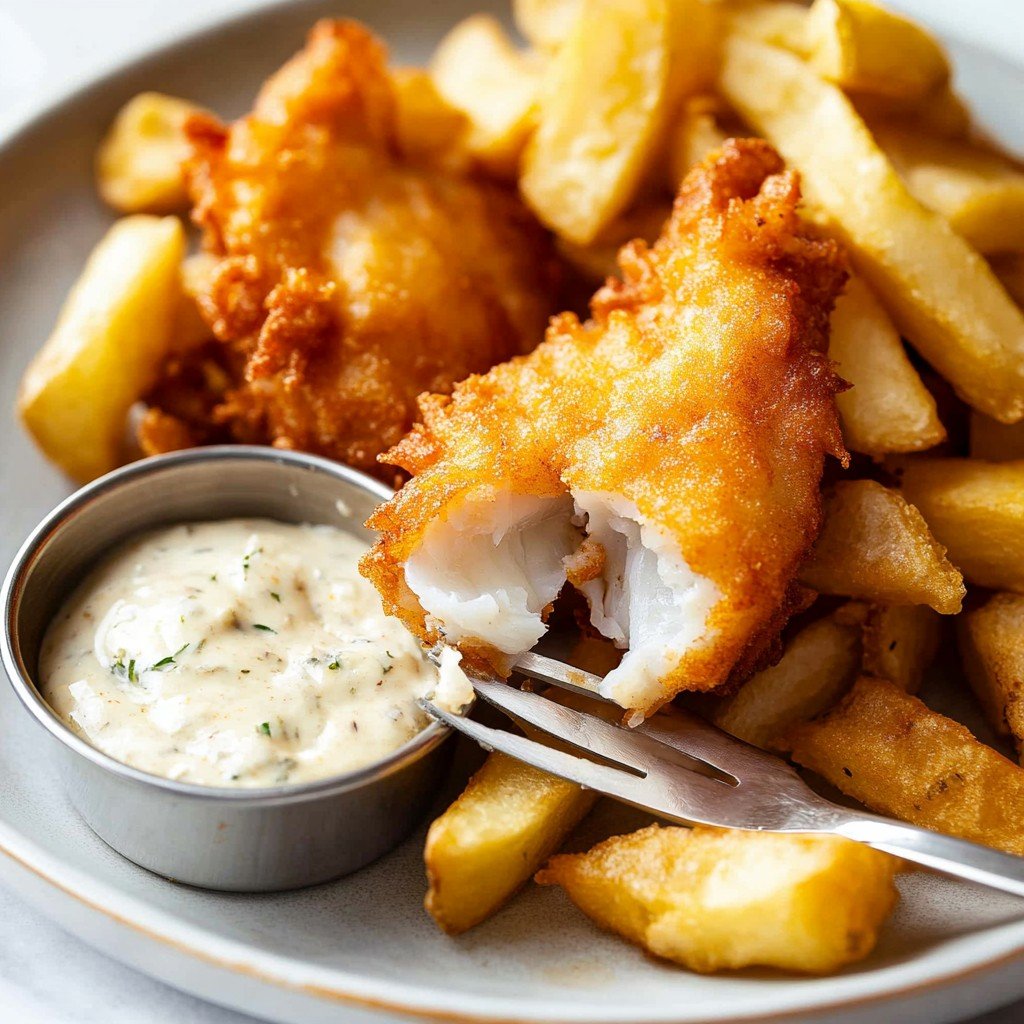
Its origins date back to the French sauce tartare, a remoulade innovation from 19th-century France that evolved into the creamy dip we know today.
The brilliance of this tartar sauce recipe lies in its simplicity and the balance of flavors—smooth mayonnaise provides a rich base, bright notes of lemon add freshness, and chopped pickles or capers deliver the tangy kick that makes every bite irresistible.
Whether you serve it with fried fish, shrimp, or even as a zingy sandwich spread, mastering the perfect tartar sauce recipe is a worthy kitchen skill that transforms any meal into something truly special.
This guide will delve into the history, essential ingredients, preparation steps, and tips for customizing your tartar sauce. Explore all aspects of the tartar sauce recipe in this comprehensive article, ideal for both newcomers to homemade sauces and seasoned cooks seeking to refine their skills.
Ingredients
- 1 cup mayonnaise (preferably full-fat for creaminess)
- 2 tablespoons dill pickles, finely chopped
- 1 tablespoon capers, drained and chopped
- 1 tablespoon fresh lemon juice
- 2 teaspoons Dijon mustard
- 1 tablespoon fresh parsley, chopped
- 1 teaspoon onion powder or 1 tablespoon finely minced onion
- 1/2 teaspoon garlic powder
- Salt and freshly ground black pepper, to taste
Instructions
- In a medium mixing bowl, combine mayonnaise, dill pickles, and capers.
- Add the lemon juice and Dijon mustard to the bowl, stirring until well incorporated.
- Mix in the chopped parsley, onion powder (or fresh onion), and garlic powder.
- Season the mixture lightly with salt and freshly ground black pepper. Taste and adjust seasoning as needed.
- For best flavor, cover the bowl and refrigerate the sauce for at least 30 minutes before serving. This allows the flavors to meld.
- Give the tartar sauce a final stir and serve cold. Store leftovers in an airtight container in the refrigerator for up to one week.
Nutritional Information
Tartar sauce is a delicious condiment that delivers both flavor and richness to a variety of dishes. A typical homemade tartar sauce recipe primarily consists of mayonnaise, which brings healthy fats, while the addition of pickles and capers contributes small amounts of fiber, vitamins, and minerals.
One two-tablespoon (about 30 grams) serving of homemade tartar sauce typically provides around 110-130 calories, with 12 grams of fat (most of it unsaturated), 1 gram of carbohydrates, less than 1 gram of protein, and negligible fiber.
Sodium content varies depending on the pickles and capers used, generally ranging from 180-250 milligrams per serving. If you opt for low-fat or olive oil-based mayonnaise, you can reduce the overall saturated fat content.
Homemade tartar sauce is also free from artificial preservatives and stabilizers commonly found in store-bought varieties, making it a healthier choice. While tartar sauce is not particularly high in protein or vitamins, using fresh lemon juice and herbs can boost its vitamin C and antioxidant content.
For those monitoring their calorie or fat intake, it's recommended to portion the sauce carefully and consider lighter mayonnaise varieties.
Wine and Beverage Pairings
Tartar sauce pairs beautifully with a variety of beverages, especially those that complement the briny, tangy nature of the sauce and the typically fried or savory foods it accompanies.
A crisp, cold white wine such as Sauvignon Blanc or Pinot Grigio enhances the flavors of both the sauce and seafood dishes. For beer lovers, light pilsners, wheat beers, and lagers are ideal choices because their refreshing taste contrasts the richness of fried foods topped with tartar sauce.
Sparkling water with a splash of lemon is an excellent non-alcoholic option that refreshes the palate between bites. When serving with heartier dishes, a glass of dry cider or a citrus-infused iced tea also makes a delightful pairing.
Cooking Tips and Variations
Achieving the perfect tartar sauce recipe hinges on both the quality of ingredients and the right balance of flavors. Always use the freshest mayonnaise, as it forms the foundation of the sauce. Traditional dill pickles are preferred, but you can experiment with sweet relish or bread-and-butter pickles for alternative nuances.
Finely chop all add-ins to ensure a smooth texture and harmonious mixing. Add a touch of Dijon mustard for subtle heat, or try substituting with whole-grain mustard for extra texture and depth.
If you enjoy a briny, more pronounced flavor, increasing the amount of capers or adding a splash of pickle brine can elevate the sauce further. Fresh herbs, such as parsley or dill, lend brightness and color—feel free to mix and match according to your preference.
For a lighter sauce, use Greek yogurt in place of some or all of the mayonnaise. To impart a spicy kick, stir in a pinch of cayenne, hot sauce, or minced jalapeños. Resting the sauce in the refrigerator for at least 30 minutes allows flavors to meld and intensify.
This versatile sauce is perfect not only for seafood but also as a dip for vegetables or a flavorful spread for sandwiches and wraps.
Serving Suggestions
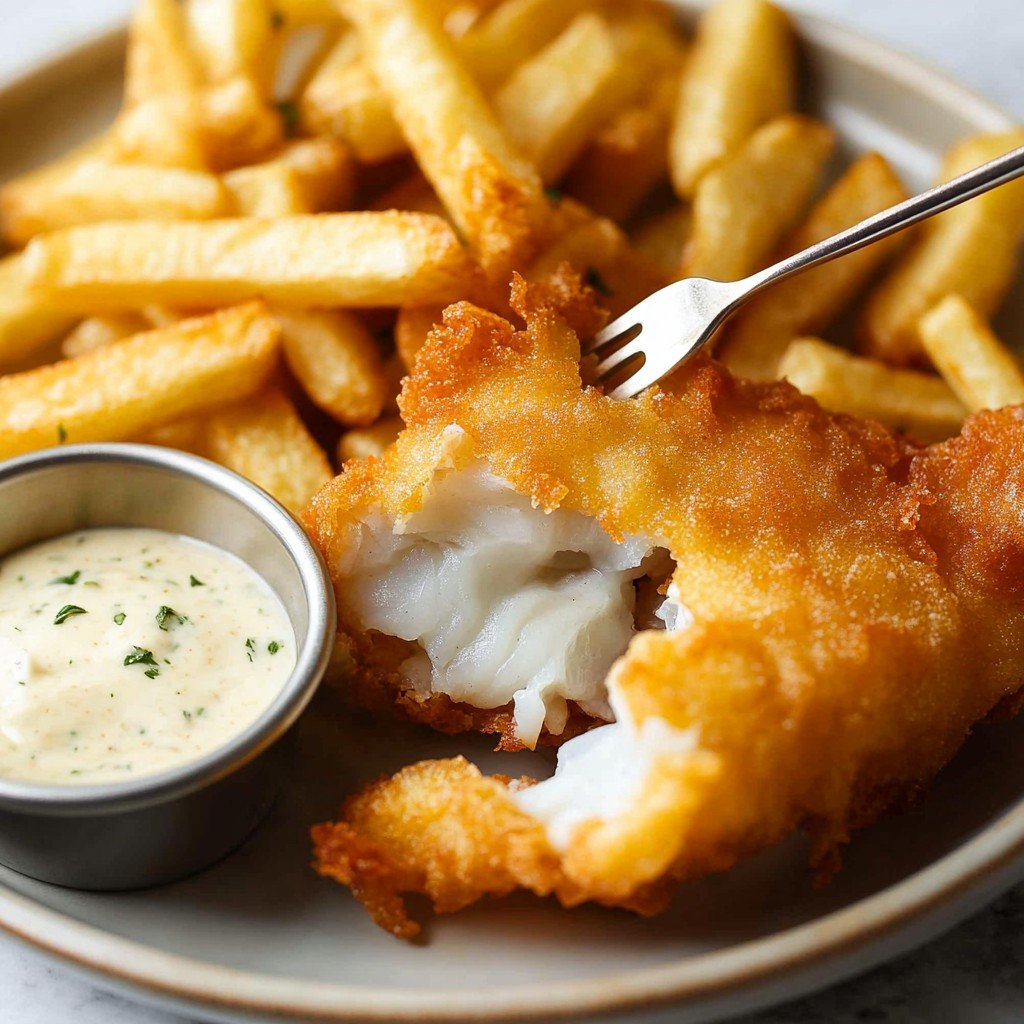
Tartar sauce recipe is highly versatile, making it the star condiment for a vast array of dishes. Traditionally, it is served alongside classic fried fish fillets, crispy fish and chips, or baked fish, where the creamy, tangy sauce complements the delicate texture and flavor of seafood.
For an elevated appetizer plate, pair tartar sauce with shrimp cocktail, calamari rings, or crab cakes—its brightness cuts through rich, fried exteriors perfectly. Tartar sauce also works splendidly as a dipping sauce for oven-baked fries, sweet potato wedges, or vegetable crudités, making it a crowd-pleaser for gatherings and parties.
Beyond seafood, try spreading tartar sauce on sandwiches, burgers, or wraps to add an extra layer of flavor. It excels as a condiment for roast chicken or grilled vegetables, offering a zesty touch that awakens the palate.
For picnics or outdoor barbecues, serve tartar sauce in a chilled ramekin alongside a platter of grilled fish or as a condiment for homemade fish tacos. With its broad appeal and customizable taste, this tartar sauce recipe promises to enhance nearly every dish it touches.
Health Benefits
While tartar sauce is known for its indulgent, creamy texture, preparing it at home offers notable health advantages. By making your own tartar sauce recipe, you control the quality and quantity of the ingredients, avoiding artificial additives, excess sugar, and preservatives commonly found in store-bought varieties.
Opting for olive oil-based or avocado oil mayonnaise can increase the sauce’s content of heart-healthy monounsaturated fats. The fresh lemon juice and parsley add a touch of vitamin C and antioxidants, which contribute to immune support and overall cellular health. Incorporating capers and pickles provides beneficial phytonutrients and trace minerals.
For those mindful of fat content, substituting part of the mayonnaise with Greek yogurt significantly lowers calories while adding protein and probiotics. Homemade tartar sauce can be tailored to reduce sodium by using low-sodium pickles and capers or by omitting added salt.
In moderation, tartar sauce is a flavorful way to enhance nutritious meals and increase satisfaction, which can lead to better portion control throughout the day. Remember to enjoy it as part of a balanced diet focused on whole foods and fresh ingredients.
Frequently Asked Questions
Yes, you can prepare tartar sauce up to three days ahead. Store it in a covered container in the refrigerator for best freshness and flavor.
Homemade tartar sauce is naturally gluten-free as long as all the ingredients, especially the mayonnaise and pickles, do not contain added gluten or wheat-based preservatives.
For a lighter or dairy-free version, substitute some or all of the mayonnaise with Greek yogurt, vegan mayo, or even blended silken tofu.
It is not recommended to freeze tartar sauce as the texture may separate and become watery upon thawing. For best results, keep it refrigerated and consume within a week.
To reduce tanginess, decrease the amount of lemon juice or pickles and balance the flavor with a small pinch of sugar or extra mayonnaise.
A homemade tartar sauce recipe is an essential addition to every cook’s repertoire. With its balance of creamy, tangy, and herbaceous notes, tartar sauce elevates everyday meals and special occasions alike. By crafting your own, you guarantee fresher flavor, healthier ingredients, and the satisfaction of creating a classic sauce tailored to your taste. Whether you enjoy yours with fish, chicken, or as a versatile dip, this tartar sauce recipe is sure to become a household favorite. Make it ahead, customize it to your liking, and savor the delightful flavors that only homemade condiments can provide.
Ingredients
- 1 cup mayonnaise (preferably full-fat for creaminess)
- 2 tablespoons dill pickles, finely chopped
- 1 tablespoon capers, drained and chopped
- 1 tablespoon fresh lemon juice
- 2 teaspoons Dijon mustard
- 1 tablespoon fresh parsley, chopped
- 1 teaspoon onion powder or 1 tablespoon finely minced onion
- 1/2 teaspoon garlic powder
- Salt and freshly ground black pepper, to taste
Instructions
-
1In a medium mixing bowl, combine mayonnaise, dill pickles, and capers.
-
2Add the lemon juice and Dijon mustard to the bowl, stirring until well incorporated.
-
3Mix in the chopped parsley, onion powder (or fresh onion), and garlic powder.
-
4Season the mixture lightly with salt and freshly ground black pepper. Taste and adjust seasoning as needed.
-
5For best flavor, cover the bowl and refrigerate the sauce for at least 30 minutes before serving. This allows the flavors to meld.
-
6Give the tartar sauce a final stir and serve cold. Store leftovers in an airtight container in the refrigerator for up to one week.
Approximate Information for One Serving
Nutrition Disclaimers
Number of total servings shown is approximate. Actual number of servings will depend on your preferred portion sizes.
Nutritional values shown are general guidelines and reflect information for 1 serving using the ingredients listed, not including any optional ingredients. Actual macros may vary slightly depending on specific brands and types of ingredients used.
To determine the weight of one serving, prepare the recipe as instructed. Weigh the finished recipe, then divide the weight of the finished recipe (not including the weight of the container the food is in) by the desired number of servings. Result will be the weight of one serving.
Did you make this recipe?
Please consider Pinning it!