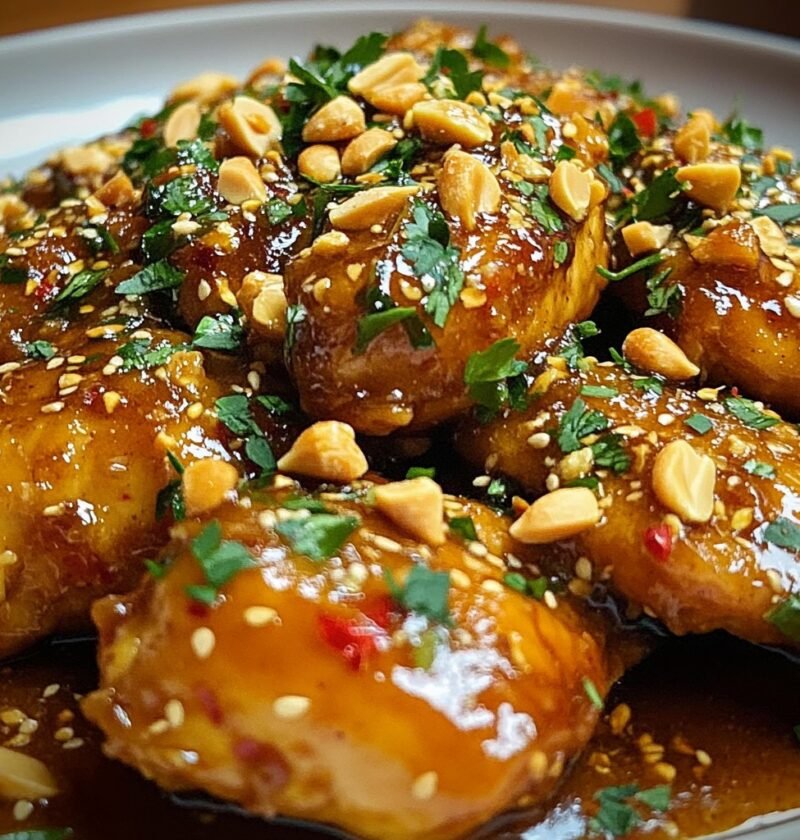
Thai Peanut Chicken is a world-renowned dish celebrated for its harmony of flavors and indulgent, creamy texture. Rooted in Thailand’s vibrant culinary history, Thai Peanut Chicken combines the unique richness of peanut sauce with tender chicken, infusing every bite with sweet, salty, tangy, and mildly spicy notes.
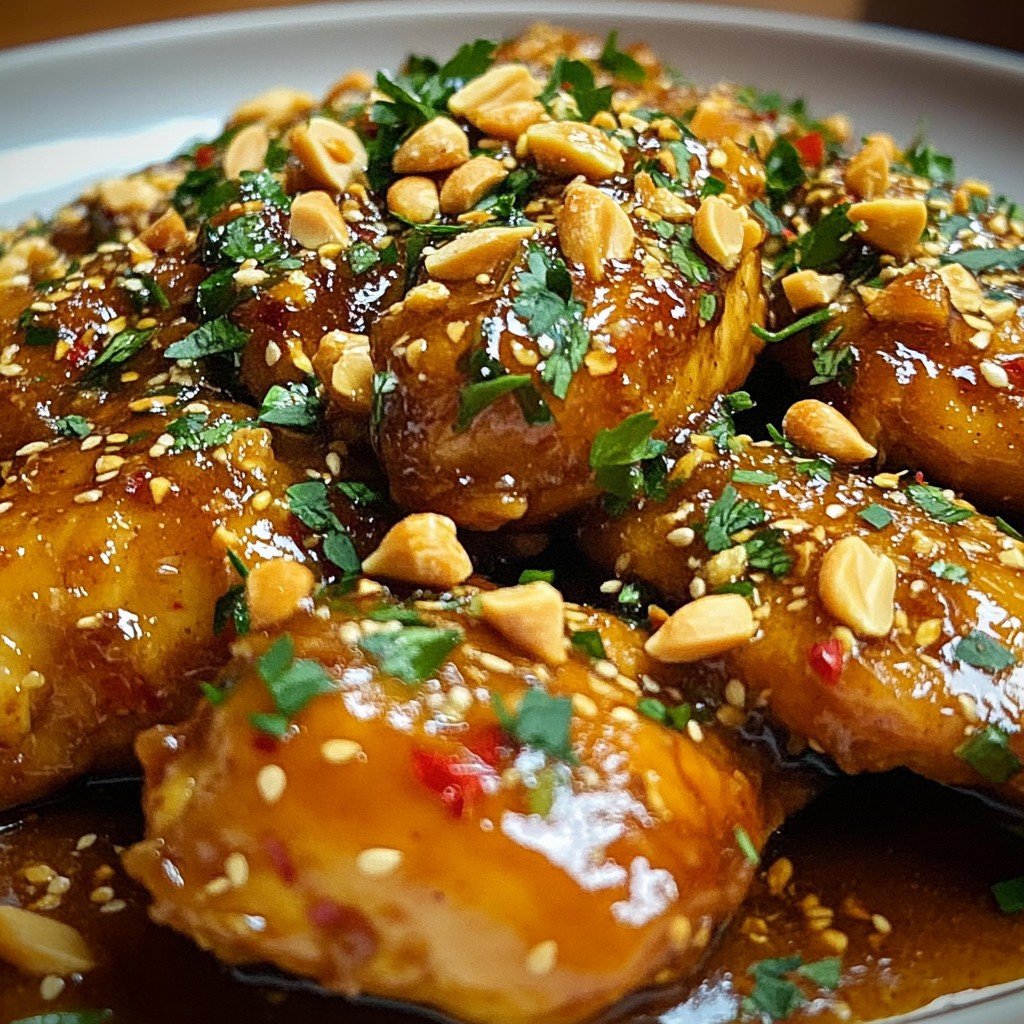
This iconic dish reflects the Thai philosophy of balancing elements, as you’ll experience the nutty depth of roasted peanuts, the freshness of lime, the umami from soy, and a delightful touch of heat.
While Thai Peanut Chicken is a popular favorite in restaurants worldwide, its origins are modest, with many Thai home cooks perfecting the recipe to suit their own tastes and local ingredients.
Traditionally, this delicious entrée is served as a part of a shared meal, often accompanied by jasmine rice or noodles, and perhaps a crisp salad or pickled vegetables.
Its global appeal is rooted not only in its flavor but also its adaptability and ease of preparation, making it a great choice for both weeknight dinners and special gatherings.
Whether you’re a seasoned chef or just beginning to explore Thai cuisine, this guide will help you master an authentic Thai Peanut Chicken with simple, accessible ingredients while ensuring a truly remarkable eating experience.
Dive in to discover everything you need to know about preparing, serving, and enjoying this crowd-pleaser, while understanding the cultural context and nutrition benefits tied to Thai Peanut Chicken.
Ingredients
- 1 ½ pounds boneless, skinless chicken breasts or thighs, cut into bite-sized pieces
- 2 tablespoons vegetable oil
- 1 medium onion, diced
- 3 garlic cloves, minced
- 1 tablespoon fresh ginger, grated
- 1 red bell pepper, sliced
- 1 cup unsweetened coconut milk
- ½ cup creamy peanut butter
- 3 tablespoons soy sauce
- 2 tablespoons fish sauce
- 2 tablespoons lime juice
- 1 tablespoon brown sugar
- 1 tablespoon sriracha or Thai chili sauce (adjust to taste)
- 1 teaspoon ground coriander
- ½ teaspoon ground cumin
- ½ teaspoon black pepper
- ¼ cup roasted peanuts, chopped, for garnish
- 2 green onions, sliced, for garnish
- Fresh cilantro, chopped, for garnish
- Lime wedges, for serving
- Jasmine rice or rice noodles, for serving
Instructions
- Heat the vegetable oil in a large skillet or wok over medium-high heat.
- Add the diced onion and sauté for 2 minutes until softened.
- Stir in the garlic and ginger, cooking for another minute until fragrant.
- Add the chicken pieces to the skillet, season with black pepper, and cook for 4-5 minutes or until lightly browned.
- Mix in the red bell pepper slices, continuing to stir-fry for another 2 minutes.
- In a separate bowl, whisk together coconut milk, peanut butter, soy sauce, fish sauce, lime juice, brown sugar, sriracha, coriander, and cumin until smooth and well combined.
- Pour the peanut sauce over the chicken and vegetables in the skillet.
- Reduce the heat to medium, cover, and simmer for 8-10 minutes until the chicken is cooked through and the sauce is thickened.
- Taste and adjust seasoning or heat, adding extra sriracha or lime juice if desired.
- Serve over steamed jasmine rice or rice noodles.
- Garnish with chopped roasted peanuts, sliced green onions, fresh cilantro, and lime wedges.
Nutritional Information
Thai Peanut Chicken is both indulgent and nourishing, offering a balanced nutritional profile that makes it a suitable choice for a hearty meal.
A typical serving (without rice or noodles) provides approximately 400-500 calories, with moderate fat content from the coconut milk and peanut butter, predominantly consisting of healthier unsaturated fats that promote heart health. Protein levels are high, as the chicken serves as a lean, muscle-building protein source.
The homemade peanut sauce delivers not only flavor but also essential minerals such as magnesium, potassium, and zinc, supporting various bodily functions and boosting immune health. Coconut milk adds some saturated fat, but in moderation, it offers antimicrobial and anti-inflammatory properties.
The addition of bell peppers and fresh herbs increases the vitamin C and antioxidant levels, enhancing the overall nutrition. The recipe is relatively low in carbohydrates unless served with rice or noodles, and can easily be adapted for low-carb diets.
Its fiber content supports digestion and satiety, especially when served with whole grain rice. For those monitoring sodium, consider using low-sodium soy sauce or reducing the fish sauce as required. The dish is naturally gluten-free if tamari is substituted for standard soy sauce.
Overall, Thai Peanut Chicken combines taste and nutrition, fitting into a variety of healthy eating regimens.
Wine and Beverage Pairings
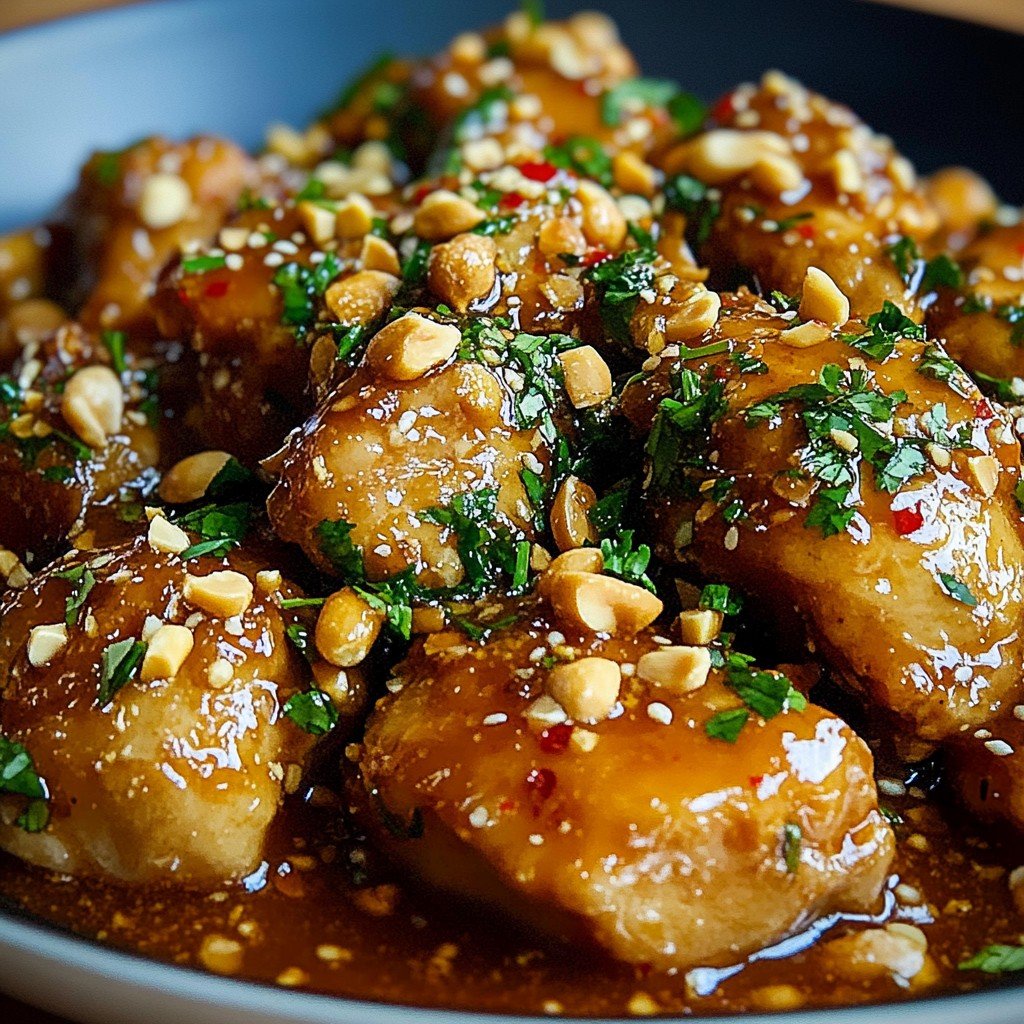
Thai Peanut Chicken marries well with a range of beverage options. For those seeking a wine pairing, an aromatic white such as Riesling or Gewürztraminer delivers a perfect balance, countering the dish’s subtle heat and complementing the creamy peanut sauce with floral and fruity notes.
A dry Rosé also offers lovely refreshment and a crisp finish. If you prefer beer, opt for a light, slightly sweet lager or a wheat beer, both of which balance the spice and richness of the sauce.
Non-alcoholic pairings include iced jasmine tea, sparkling water with a zest of lime, or a classic Thai iced tea, which echoes the dish’s sweet and aromatic profile. Serve any of these chilled for the most satisfying counterpoint to warm, flavorful Thai Peanut Chicken.
Cooking Tips and Variations
Achieving truly delicious Thai Peanut Chicken comes down to a few key techniques and thoughtful ingredient choices. First, use boneless and skinless chicken thighs for a more succulent texture, though breasts work well for a leaner option.
For a smoother sauce, whisk your peanut butter thoroughly with coconut milk before adding it to the skillet.
Adjust spice levels by modifying the amount of sriracha or Thai chili sauce to accommodate everyone at your table, and don’t hesitate to toss in fresh red chilies for extra heat if it suits your taste.
If peanuts are a concern, almond butter or sunflower seed butter provide excellent nut-free alternatives, ensuring allergy-friendly results without sacrificing flavor. For added depth and authenticity, consider adding a teaspoon of toasted sesame oil or a pinch of ground turmeric during cooking.
Experiment with vegetables—snow peas, snap peas, or shredded carrots work beautifully alongside bell peppers. The sauce can be easily doubled to coat noodles or rice should you prefer extra.
Leftovers keep well in the fridge for up to three days, and the sauce often becomes richer in flavor after resting overnight. Freeze in airtight containers for convenient meal prep, but add fresh garnishes after reheating for optimum freshness and crunch.
Serving Suggestions
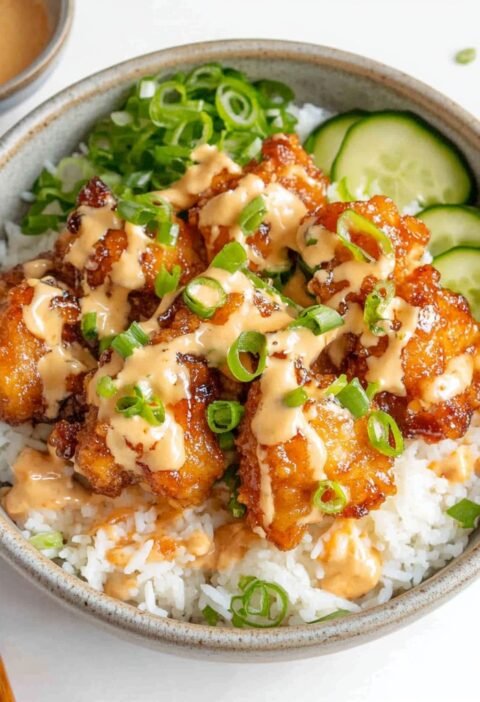
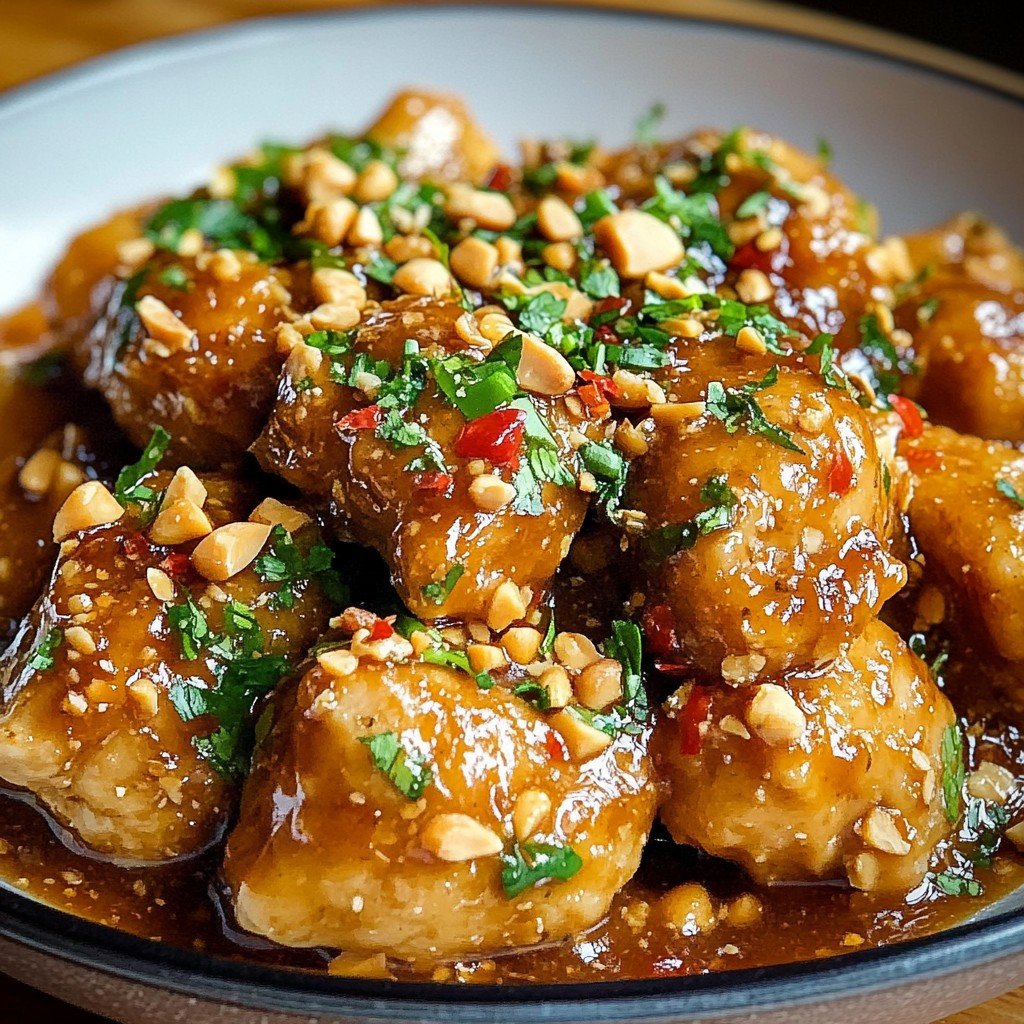
For the best dining experience, serve Thai Peanut Chicken hot, plated over a generous bed of fragrant jasmine rice or tender rice noodles. The subtle floral aroma of jasmine rice enhances the nutty, savory sauce, while noodles soak up every last drop of flavor.
Brighten the plate with a generous sprinkle of chopped peanuts, sliced green onions, and fresh cilantro leaves—not only do these add eye-catching color, but they also introduce layers of texture and additional bursts of flavor.
Offer fresh lime wedges on the side for diners who enjoy an extra lift of acidity and brightness.
To create a well-rounded meal, consider adding a crisp cucumber salad or a simple Thai papaya salad (som tam) for freshness, and perhaps a side of quick-pickled vegetables for a tangy interruption to the creamy sauce.
If serving family style, provide serving spoons for the chicken and bowls of rice and toppings so everyone can customize their plate. For a larger dinner gathering, Thai Peanut Chicken is perfect when accompanied by other Thai favorites such as spring rolls or a light soup starter.
This family-friendly dish appeals to all ages due to its mild sweetness and creamy consistency, and the customizable garnish bar lets everyone elevate their meal just the way they like.
Health Benefits
Thai Peanut Chicken offers a range of health benefits when enjoyed as part of a balanced diet. The chicken in the dish provides lean, high-quality protein essential for muscle maintenance, repair, and satiety.
Peanuts and peanut butter, apart from imparting their signature flavor to the sauce, supply monounsaturated fats which are beneficial for heart health and lower bad cholesterol. Coconut milk, though higher in saturated fat than traditional dairy, contains medium-chain triglycerides believed to be metabolized more efficiently than long-chain fatty acids.
The use of fresh herbs and vegetables like bell pepper, green onions, and cilantro increases antioxidant intake, which supports immune function, skin health, and inflammation reduction. Lime juice not only brightens flavor but also provides vitamin C and aids digestion.
By choosing low-sodium soy sauce and controlling added sugar, Thai Peanut Chicken can fit into sodium-aware and low-sugar diets. The recipe is also naturally gluten-free with minor ingredient swaps, making it inclusive for those with dietary restrictions.
When paired with brown rice or whole grains, you benefit from additional fiber, supporting digestive health and sustained energy release.
Frequently Asked Questions
Yes, Thai Peanut Chicken can be made in advance. The flavors continue to develop as the dish sits, making leftovers even more delicious. Store it in an airtight container in the refrigerator for up to three days. Reheat gently on the stove or in the microwave, and garnish with fresh toppings just before serving.
The base recipe is gluten-free except for the soy sauce. Simply swap in tamari or a certified gluten-free soy sauce, and the dish becomes suitable for those avoiding gluten.
For nut allergies or a different flavor, substitute peanut butter with almond butter, cashew butter, or sunflower seed butter. The result will be slightly different but still delicious and creamy.
The recipe as written has a mild to moderate heat level from the sriracha or chili sauce. Spice lovers can add more chili, while those preferring less heat can omit hot sauces entirely for a kid-friendly version.
Yes, the sauce and chicken freeze well together. Cool the dish fully before transferring to airtight containers, and freeze for up to 2-3 months. Thaw and reheat, adding fresh garnishes before serving.
Thai Peanut Chicken is an irresistible dish that’s easy to prepare yet impressive in flavor and presentation. With its roots in authentic Thai cuisine, this recipe showcases the versatile, delectable combination of tender chicken and rich, creamy peanut sauce balanced with aromatic herbs and spicy undertones. Its adaptability makes Thai Peanut Chicken suitable for various dietary needs and personal preferences, while its nutritional value ensures a satisfying, well-rounded meal. Whether you’re cooking for a busy weeknight or entertaining friends, this recipe offers a reliable guide to creating restaurant-quality Thai Peanut Chicken at home. Explore the suggested tips, health insights, drink pairings, and serving ideas to make your dining experience even more special. Having mastered this beloved classic, you’re sure to impress your guests and satisfy every craving for bold, balanced flavors.
Ingredients
- 1 ½ pounds boneless, skinless chicken breasts or thighs, cut into bite-sized pieces
- 2 tablespoons vegetable oil
- 1 medium onion, diced
- 3 garlic cloves, minced
- 1 tablespoon fresh ginger, grated
- 1 red bell pepper, sliced
- 1 cup unsweetened coconut milk
- ½ cup creamy peanut butter
- 3 tablespoons soy sauce
- 2 tablespoons fish sauce
- 2 tablespoons lime juice
- 1 tablespoon brown sugar
- 1 tablespoon sriracha or Thai chili sauce (adjust to taste)
- 1 teaspoon ground coriander
- ½ teaspoon ground cumin
- ½ teaspoon black pepper
- ¼ cup roasted peanuts, chopped, for garnish
- 2 green onions, sliced, for garnish
- Fresh cilantro, chopped, for garnish
- Lime wedges, for serving
- Jasmine rice or rice noodles, for serving
Instructions
-
1Heat the vegetable oil in a large skillet or wok over medium-high heat.
-
2Add the diced onion and sauté for 2 minutes until softened.
-
3Stir in the garlic and ginger, cooking for another minute until fragrant.
-
4Add the chicken pieces to the skillet, season with black pepper, and cook for 4-5 minutes or until lightly browned.
-
5Mix in the red bell pepper slices, continuing to stir-fry for another 2 minutes.
-
6In a separate bowl, whisk together coconut milk, peanut butter, soy sauce, fish sauce, lime juice, brown sugar, sriracha, coriander, and cumin until smooth and well combined.
-
7Pour the peanut sauce over the chicken and vegetables in the skillet.
-
8Reduce the heat to medium, cover, and simmer for 8-10 minutes until the chicken is cooked through and the sauce is thickened.
-
9Taste and adjust seasoning or heat, adding extra sriracha or lime juice if desired.
-
10Serve over steamed jasmine rice or rice noodles.
-
11Garnish with chopped roasted peanuts, sliced green onions, fresh cilantro, and lime wedges.
Approximate Information for One Serving
Nutrition Disclaimers
Number of total servings shown is approximate. Actual number of servings will depend on your preferred portion sizes.
Nutritional values shown are general guidelines and reflect information for 1 serving using the ingredients listed, not including any optional ingredients. Actual macros may vary slightly depending on specific brands and types of ingredients used.
To determine the weight of one serving, prepare the recipe as instructed. Weigh the finished recipe, then divide the weight of the finished recipe (not including the weight of the container the food is in) by the desired number of servings. Result will be the weight of one serving.
Did you make this recipe?
Please consider Pinning it!