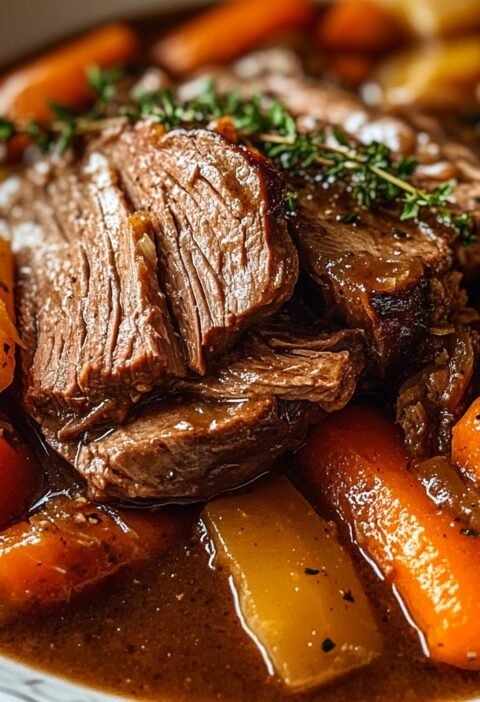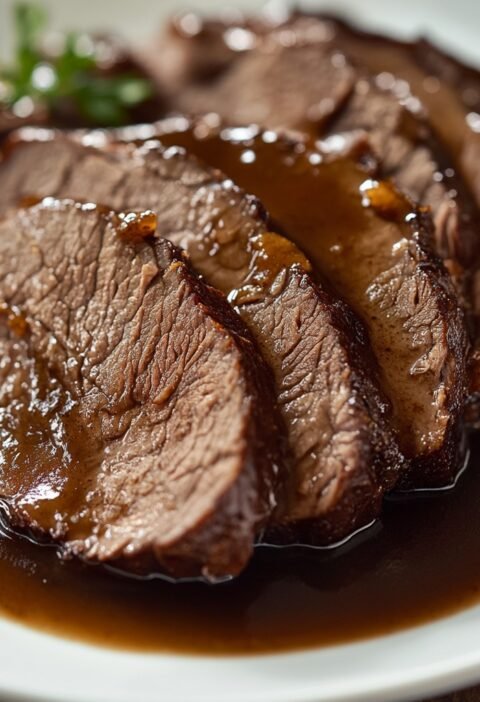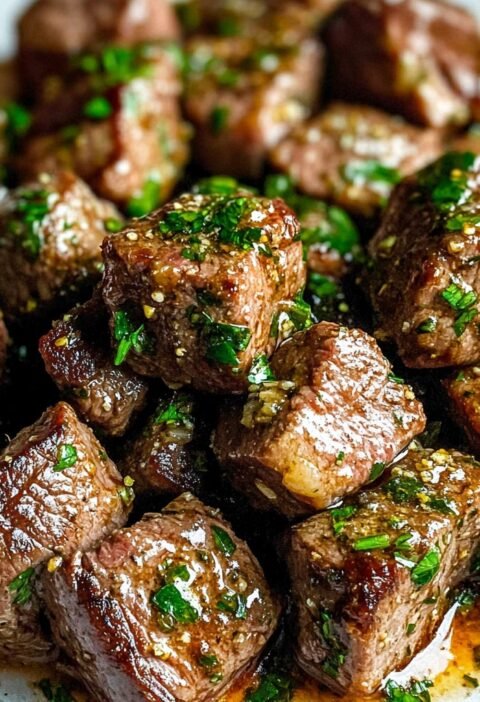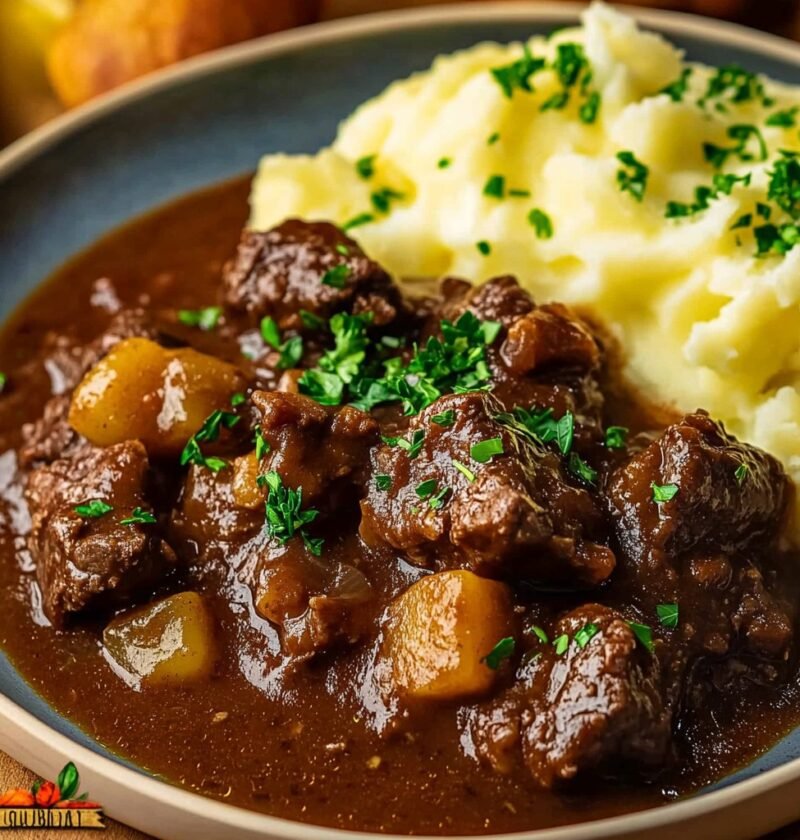
Traditional German Goulash has established itself as a beloved comfort food in Germany and across Central Europe. The roots of this hearty dish are deeply entwined with the culinary traditions of Eastern and Central Europe, specifically originating from Hungary where goulash began as a simple meat stew for herdsmen.
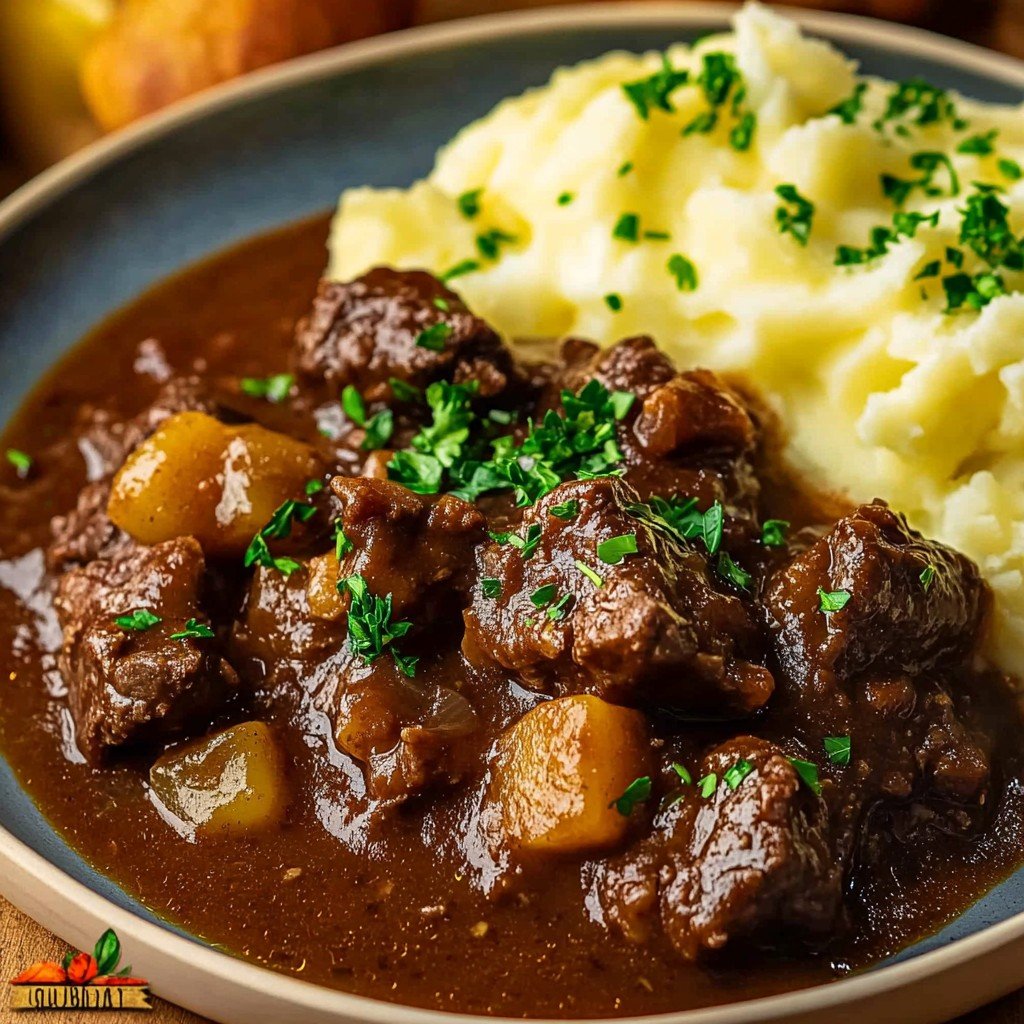
German cuisine adopted and personalized this dish, developing its unique variation that emphasizes tender beef, flavorful vegetables, and a robust paprika-infused sauce. For generations, Traditional German Goulash has been a staple at family gatherings and festive occasions, known for its aromatic blend of spices and warming nature.
The key to a perfect German goulash lies in slow cooking, allowing the flavors of the beef, paprika, onions, and bell peppers to meld into a deliciously thick, flavorful sauce. The dish is usually served with broad noodles, potatoes, or rustic bread, making it both filling and satisfying.
Whether enjoyed on a chilly evening or served as the centerpiece at a family feast, Traditional German Goulash embodies the culinary spirit of German home cooking.
This recipe captures the essence of Traditional German Goulash, combining time-tested ingredients with practical tips to ensure you can recreate this classic comfort food in your own kitchen.
Ingredients
- 2 pounds beef chuck, cut into 1-inch cubes
- 2 tablespoons vegetable oil
- 3 large onions, finely chopped
- 3 cloves garlic, minced
- 2 tablespoons sweet Hungarian paprika
- 1 teaspoon hot paprika (optional)
- 2 tablespoons tomato paste
- 2 large red bell peppers, diced
- 2 carrots, sliced
- 1 teaspoon caraway seeds
- 4 cups beef broth
- 1 bay leaf
- 1 teaspoon marjoram
- Salt and freshly ground black pepper to taste
- 1 tablespoon flour (optional, for thickening)
- Fresh parsley, chopped (for garnish)
Instructions
- Heat the vegetable oil in a large heavy-bottomed pot or Dutch oven over medium-high heat.
- Add the beef cubes in batches, browning them on all sides. Remove the browned beef and set aside.
- Reduce heat to medium, add onions, and sauté until soft and golden, about 10 minutes.
- Stir in the garlic, paprika (both sweet and hot), caraway seeds, and tomato paste. Cook for 2 minutes until fragrant, ensuring not to burn the paprika.
- Add the bell peppers and carrots, sautéing for an additional 5 minutes.
- Return the browned beef to the pot with any juices. Sprinkle in the marjoram and season with salt and pepper.
- Pour in the beef broth, ensuring the meat and vegetables are just covered. Add the bay leaf.
- Bring the mixture to a boil, then reduce the heat to low. Cover and simmer for about 2 to 2.5 hours or until the beef is fork-tender, stirring occasionally.
- If a thicker consistency is desired, mix flour with a little cold water and stir into the goulash. Simmer uncovered for an additional 10 minutes until thickened.
- Adjust seasoning with salt and pepper as needed. Remove the bay leaf before serving.
- Garnish with chopped parsley and serve hot with noodles, potatoes, or rustic bread.
Nutritional Information
Traditional German Goulash is not only rich in flavor but also provides a balanced meal when served with wholesome accompaniments. A standard serving (about 1.5 cups) of German goulash contains approximately 350 to 400 calories, largely depending on the cut of beef and the added vegetables.
Protein content is high, with about 28 grams per serving, supporting muscle maintenance and satiety. The dish offers around 18 grams of fat, primarily from the beef and cooking oil, while the saturated fat content can be moderated by trimming excess fat off the meat.
Carbohydrates are moderate, typically ranging from 15 to 18 grams per serving, stemming from the onions, carrots, and peppers. The fiber content is enhanced by the vegetables, contributing to healthy digestion, and the sodium level is adjustable based on the amount of added salt and broth.
Key vitamins and minerals found in Traditional German Goulash include vitamin A (from carrots and peppers), vitamin C (from bell peppers and tomatoes), iron, zinc, and B vitamins (provided by beef and vegetables).
For those wishing to lower calorie or fat intake, leaner cuts of beef, less oil, and additional vegetables can be incorporated without sacrificing flavor. Paired with a side of steamed vegetables or whole grains, this dish becomes a well-rounded meal that suits a variety of dietary preferences.
Wine and Beverage Pairings
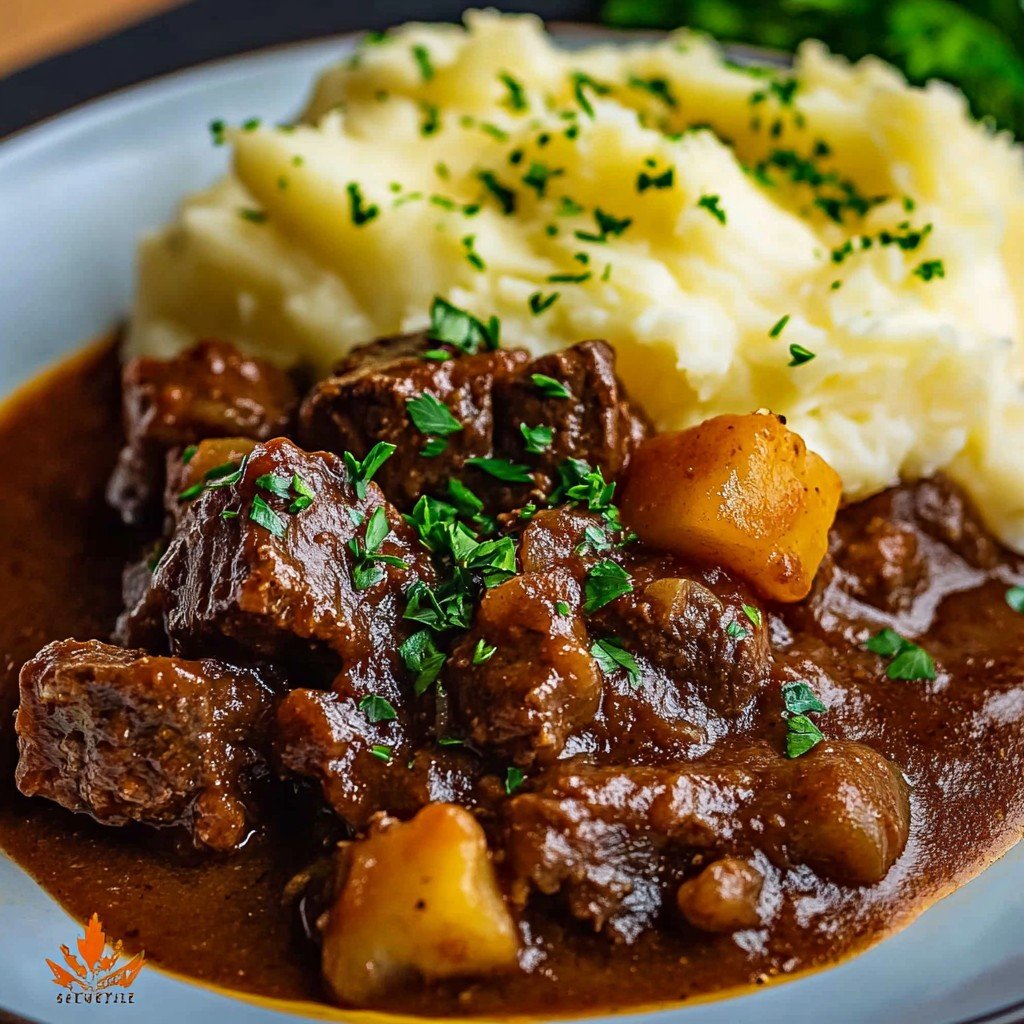
For an optimal pairing with Traditional German Goulash, select beverages that complement the dish’s robust, savory flavors. Red wines with moderate tannins and good acidity, such as a German Dornfelder or Spätburgunder (Pinot Noir), pair perfectly, enhancing the rich paprika and beef nuances without overpowering them.
Alternatively, a dry Riesling offers a refreshing contrast and lifts the vibrant notes of the sauce. For beer lovers, a dark German lager, such as Dunkel or Schwarzbier, balances the goulash’s spiciness and depth.
Non-alcoholic options like sparkling apple cider or a tart cherry juice make delightful, family-friendly choices that mirror the hearty spirit of the meal.
Cooking Tips and Variations
To craft the most authentic Traditional German Goulash, always opt for well-marbled beef chuck, as it holds up beautifully to long, slow cooking and develops a rich, tender texture. The onions are vital, not only for flavor but for creating a natural sweetness that balances the paprika.
Sauté the onions sufficiently until they're golden and soft, as undercooked onions may leave a harsh note. The classic German spice combination includes both sweet and hot paprika; using high-quality Hungarian paprika makes a significant difference in the dish’s depth.
Adjust the amount of hot paprika to suit your desired spiciness. If you wish for a thicker sauce, dusting the beef lightly with flour before searing helps create a more velvety texture, or stir in a small amount of flour-slurry near the end.
For richer flavor, substitute part of the beef broth with red wine. For variations, mushrooms or potatoes can be added to the stew for extra heartiness. Some regional German goulash recipes incorporate diced tomatoes or a splash of vinegar for a hint of tang.
To make Traditional German Goulash gluten-free, omit flour or substitute with a gluten-free thickener. The goulash can be made a day in advance; resting overnight allows the flavors to intensify, resulting in an even more savory experience.
Serve with crusty German bread or over spaetzle for tradition, or with rice or mashed potatoes for modern comfort.
Serving Suggestions
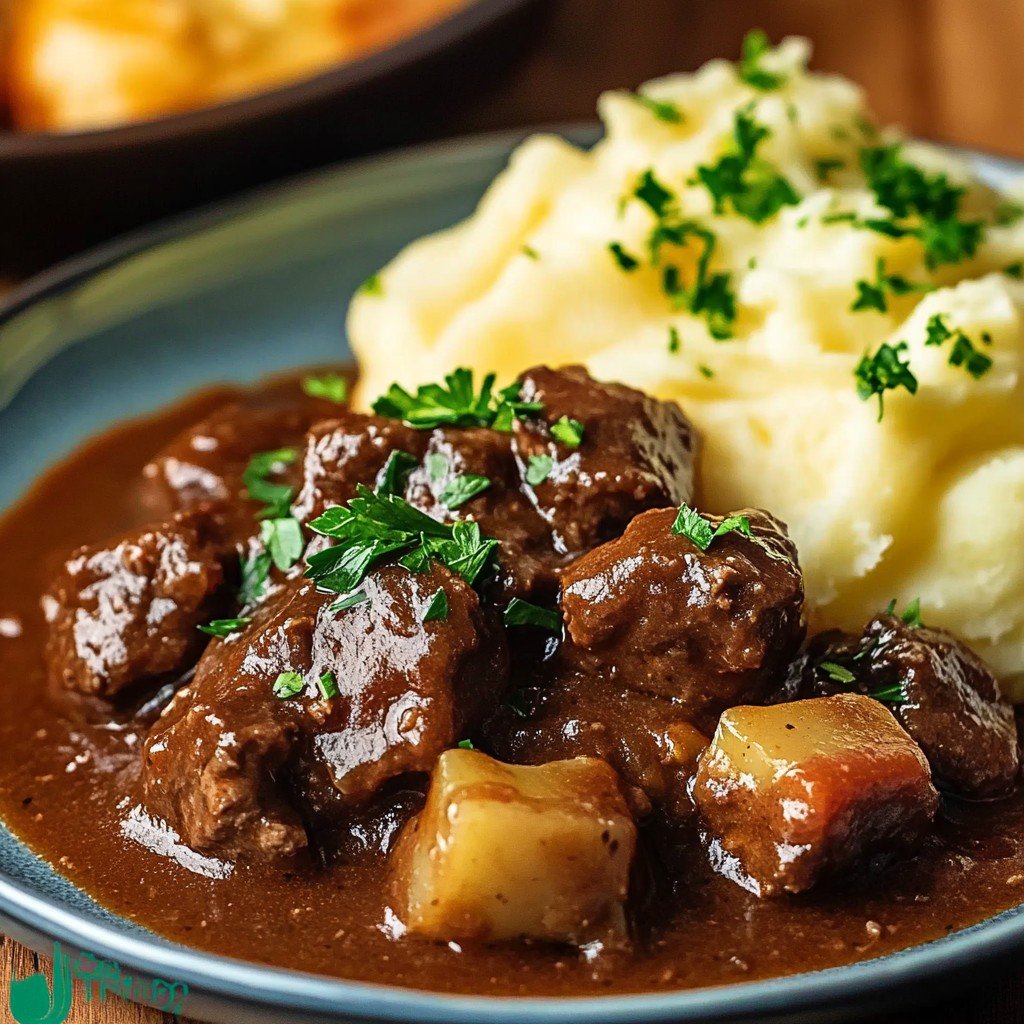
Traditional German Goulash is both versatile and satisfying, making it an excellent centerpiece for casual family dinners or festive gatherings. Serve this goulash piping hot, ladled generously into wide bowls, letting the tender chunks of beef and colorful vegetables shine.
Commonly, it is accompanied by traditional sides such as spaetzle (German egg noodles), creamy mashed potatoes, or rustic rye bread, each perfectly suited to soak up the flavorful sauce.
For a complete meal, include a crisp green salad with a tart vinaigrette or a side of braised red cabbage to provide freshness and contrast to the rich goulash. If entertaining, set out a spread of pickled vegetables or gherkins alongside, which add brightness and complement the stew’s deeper notes.
When serving a crowd, keep the goulash warm in a slow cooker or chafing dish, allowing guests to help themselves. Garnish each portion with freshly chopped parsley or a dollop of sour cream for added visual appeal and a creamy finish.
For an authentic German ambiance, serve the meal alongside a selection of German beers or wines, and consider adding pretzels for a festive touch. Whether enjoyed at a weeknight supper or a celebratory feast, Traditional German Goulash is sure to comfort and satisfy all.
Health Benefits
Traditional German Goulash offers several health benefits when prepared with quality ingredients and mindful techniques.
The lean beef used in goulash is a valuable source of high-quality protein, essential for muscle building and maintenance, as well as iron and vitamin B12, which are critical for healthy red blood cells and energy production.
The hearty addition of vegetables like carrots, peppers, and onions contributes valuable dietary fiber, antioxidants, vitamin C, and beta-carotene, supporting immune health and digestion. Caraway seeds and garlic, classic to this recipe, provide anti-inflammatory and antibacterial properties, while paprika is known for its antioxidants and potential to support eye health.
By adjusting the amount of salt and opting for low-sodium broth, it’s easy to tailor the dish for heart health. You can further boost the nutritional profile by adding extra vegetables or using whole food accompaniments like brown rice or whole grain bread.
As with all hearty stews, moderation is key—the balanced protein, moderate fat, and nourishing vegetables make Traditional German Goulash a wholesome, satisfying meal when enjoyed as part of a varied diet.
Frequently Asked Questions
Yes, Traditional German Goulash often tastes even better the next day as the flavors have more time to meld. Store it in the refrigerator for up to 3 days and reheat gently before serving.
This dish freezes exceptionally well. Allow the goulash to cool completely, portion it into airtight containers, and freeze for up to 3 months. Thaw overnight in the refrigerator and reheat on the stove.
While beef is traditional, you can substitute with pork shoulder for a similar texture and flavor. Chicken can also be used for a lighter version, but adjust cooking time to avoid overcooking the poultry.
Opt for high-quality sweet Hungarian paprika for the base, with an optional portion of hot paprika if you enjoy a bit of heat. The paprika gives the dish its distinct flavor and vibrant color.
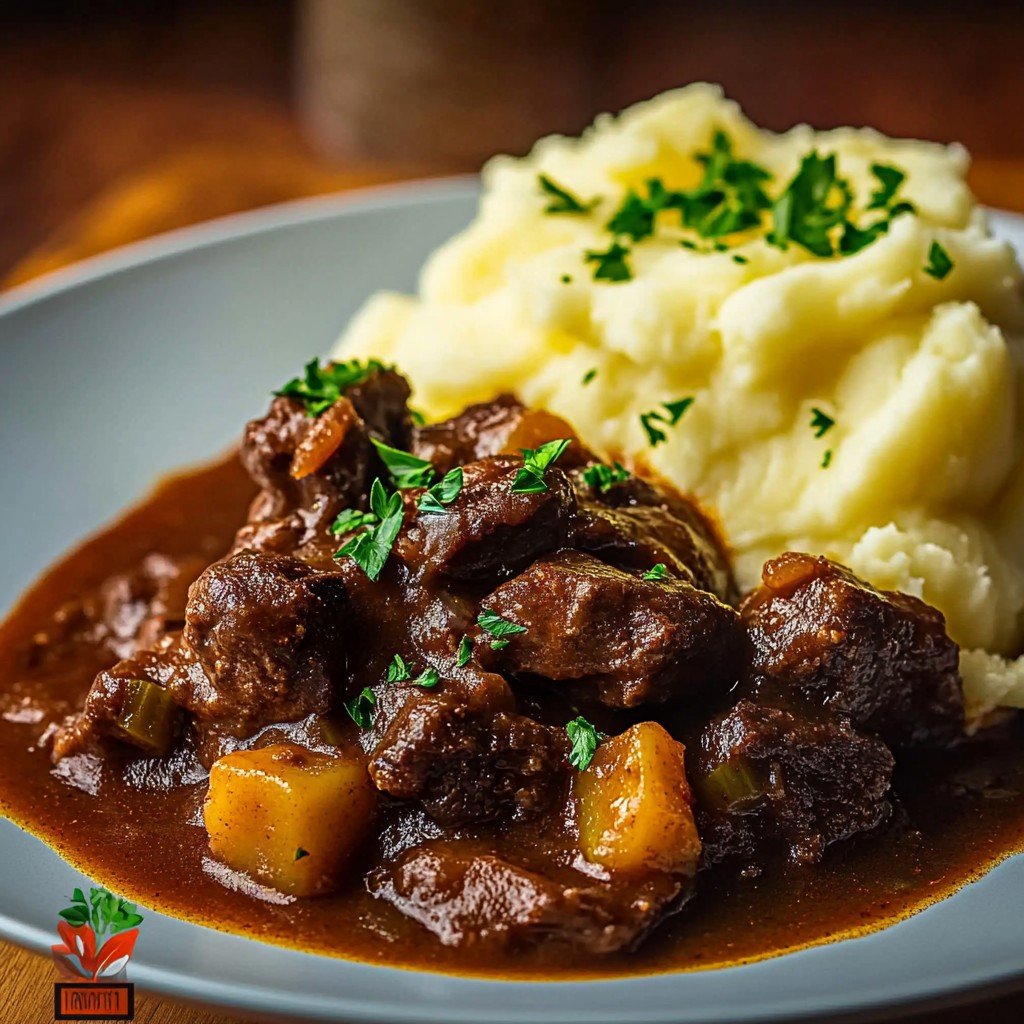
Traditional sides include spaetzle, broad noodles, mashed potatoes, or rustic bread. For added nutrition, serve with a fresh salad or steamed green vegetables.
In summary, Traditional German Goulash remains one of the most cherished comfort foods in German cuisine, celebrated for its deep, layered flavors and heartwarming qualities. This timeless stew captures both the robust character and culinary tradition of Germany, providing nourishment and joy with every bite. Whether you are preparing it for a festive gathering or a cozy family meal, this authentic recipe ensures that your Traditional German Goulash will be flavorful, satisfying, and memorable. By following this guide, you can master the art of making Traditional German Goulash and bring the taste of Germany to your table, creating new memories around this classic dish.
Ingredients
- 2 pounds beef chuck, cut into 1-inch cubes
- 2 tablespoons vegetable oil
- 3 large onions, finely chopped
- 3 cloves garlic, minced
- 2 tablespoons sweet Hungarian paprika
- 1 teaspoon hot paprika (optional)
- 2 tablespoons tomato paste
- 2 large red bell peppers, diced
- 2 carrots, sliced
- 1 teaspoon caraway seeds
- 4 cups beef broth
- 1 bay leaf
- 1 teaspoon marjoram
- Salt and freshly ground black pepper to taste
- 1 tablespoon flour (optional, for thickening)
- Fresh parsley, chopped (for garnish)
Instructions
-
1Heat the vegetable oil in a large heavy-bottomed pot or Dutch oven over medium-high heat.
-
2Add the beef cubes in batches, browning them on all sides. Remove the browned beef and set aside.
-
3Reduce heat to medium, add onions, and sauté until soft and golden, about 10 minutes.
-
4Stir in the garlic, paprika (both sweet and hot), caraway seeds, and tomato paste. Cook for 2 minutes until fragrant, ensuring not to burn the paprika.
-
5Add the bell peppers and carrots, sautéing for an additional 5 minutes.
-
6Return the browned beef to the pot with any juices. Sprinkle in the marjoram and season with salt and pepper.
-
7Pour in the beef broth, ensuring the meat and vegetables are just covered. Add the bay leaf.
-
8Bring the mixture to a boil, then reduce the heat to low. Cover and simmer for about 2 to 2.5 hours or until the beef is fork-tender, stirring occasionally.
-
9If a thicker consistency is desired, mix flour with a little cold water and stir into the goulash. Simmer uncovered for an additional 10 minutes until thickened.
-
10Adjust seasoning with salt and pepper as needed. Remove the bay leaf before serving.
-
11Garnish with chopped parsley and serve hot with noodles, potatoes, or rustic bread.
Approximate Information for One Serving
Nutrition Disclaimers
Number of total servings shown is approximate. Actual number of servings will depend on your preferred portion sizes.
Nutritional values shown are general guidelines and reflect information for 1 serving using the ingredients listed, not including any optional ingredients. Actual macros may vary slightly depending on specific brands and types of ingredients used.
To determine the weight of one serving, prepare the recipe as instructed. Weigh the finished recipe, then divide the weight of the finished recipe (not including the weight of the container the food is in) by the desired number of servings. Result will be the weight of one serving.
Did you make this recipe?
Please consider Pinning it!