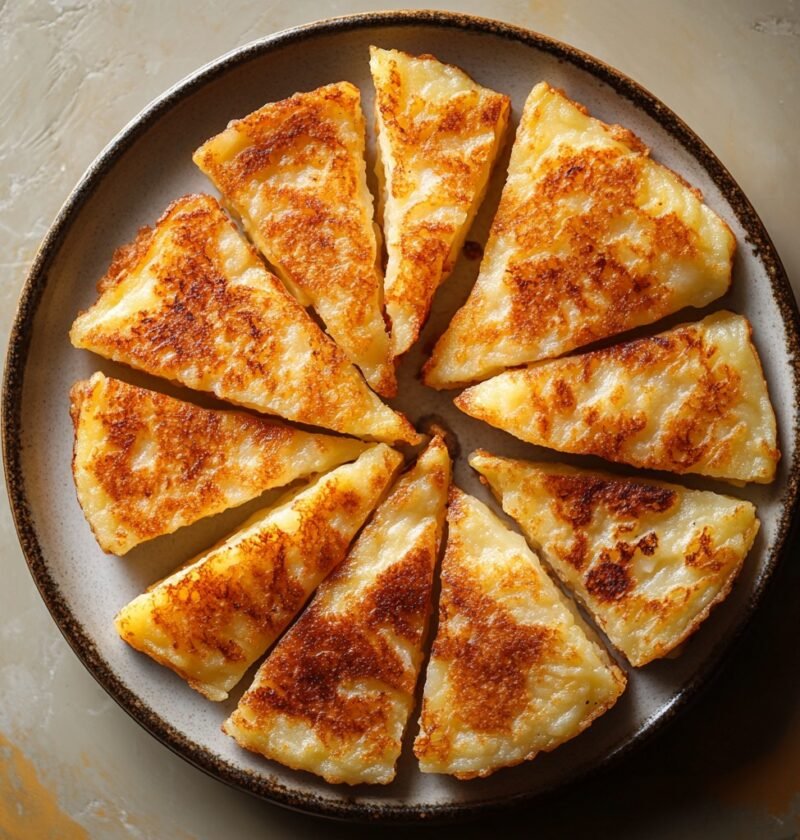
Traditional Potato Farls are a beloved staple in Irish cuisine that have delighted generations with their simple, rustic charm and comforting, starchy goodness. Originating from the heart of Ireland, potato farls are sometimes called potato cakes or potato bread, and they're an essential element of a classic Ulster fry.
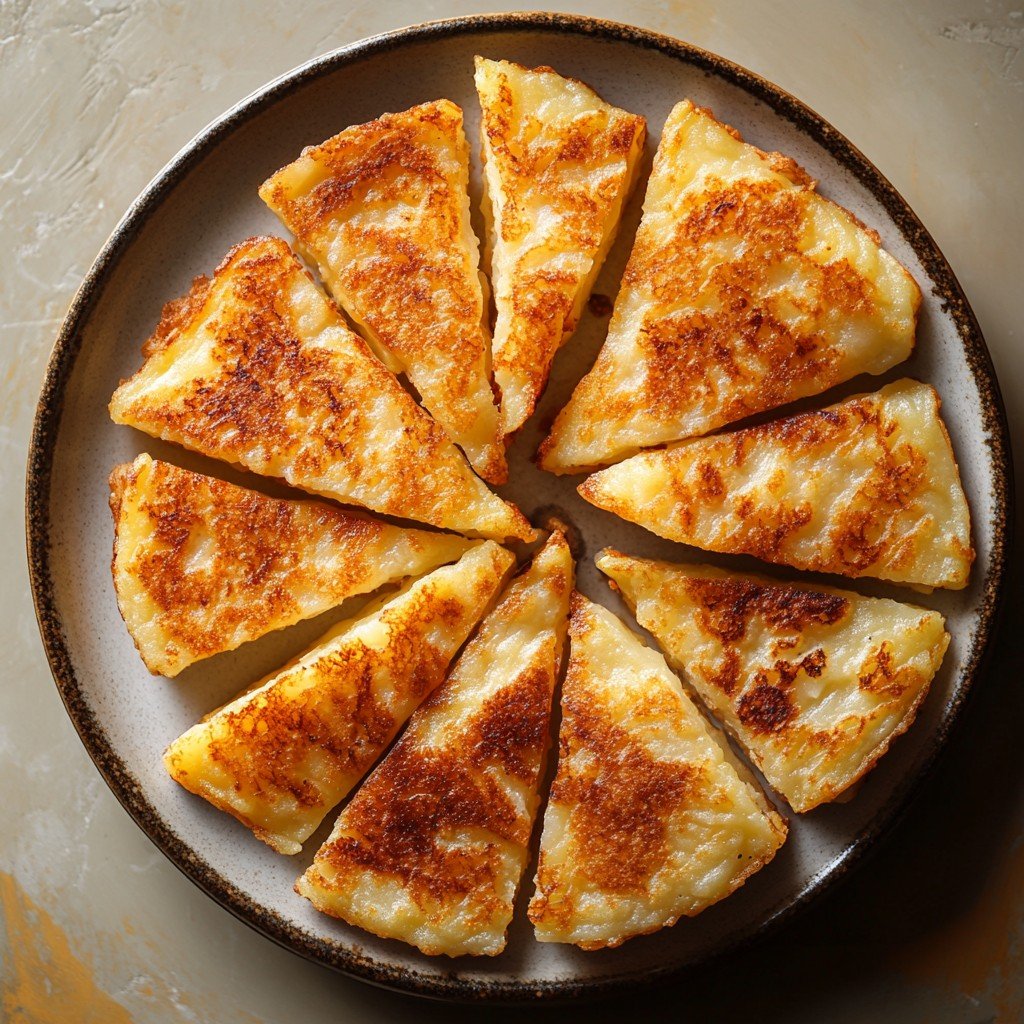
Rooted in history, these hearty treats became popular in the 19th century when potatoes became a mainstay of the Irish diet. Families would use leftover potatoes to create a filling breakfast or quick supper, maximizing sustenance and minimizing waste.
Today, potato farls are enjoyed not only for their delicious taste but also for their nostalgic value. Made simply from mashed potatoes, flour, butter, and a pinch of seasoning, these golden, pan-fried breads are soft inside and slightly crisp outside.
Served hot, they pair perfectly with eggs, bacon, or even just a knob of creamy Irish butter. Whether you’re looking to reconnect with your Irish roots or introduce authentic Irish flavors to your breakfast table, making traditional potato farls at home is an enjoyable and rewarding experience.
In this detailed recipe article, you’ll explore the origins, ingredients, step-by-step instructions, nutritional insights, and tips for perfecting potato farls. Plus, you’ll find serving suggestions and beverage pairings to elevate your Irish-inspired meal.
Ingredients
- 500 g (about 1 lb) floury potatoes (e.g., Maris Piper or Russet)
- 50 g (about 3 1/2 tbsp) unsalted butter, plus extra for frying
- 100-120 g (about 3/4–1 cup) plain flour, plus extra for dusting
- 1/2 tsp salt
- 1/4 tsp freshly ground black pepper
Instructions
- Peel the potatoes and cut them into evenly sized chunks. Place them in a large saucepan, cover with cold water, add a pinch of salt, and bring to a boil.
- Simmer the potatoes for 15-20 minutes, or until they are tender and easily pierced with a fork. Drain thoroughly and allow the potatoes to steam dry for a couple of minutes.
- Mash the hot potatoes until smooth, ensuring there are no lumps. While the potatoes are still warm, add the butter and mash again until fully incorporated.
- Season with salt and freshly ground black pepper. Gradually add in the flour, mixing gently, until a soft, non-sticky dough forms. You might need slightly more or less flour, depending on the moisture content of your potatoes.
- Lightly dust your work surface with flour and turn the dough out. Gently knead a couple of times to bring everything together, being careful not to overwork the dough.
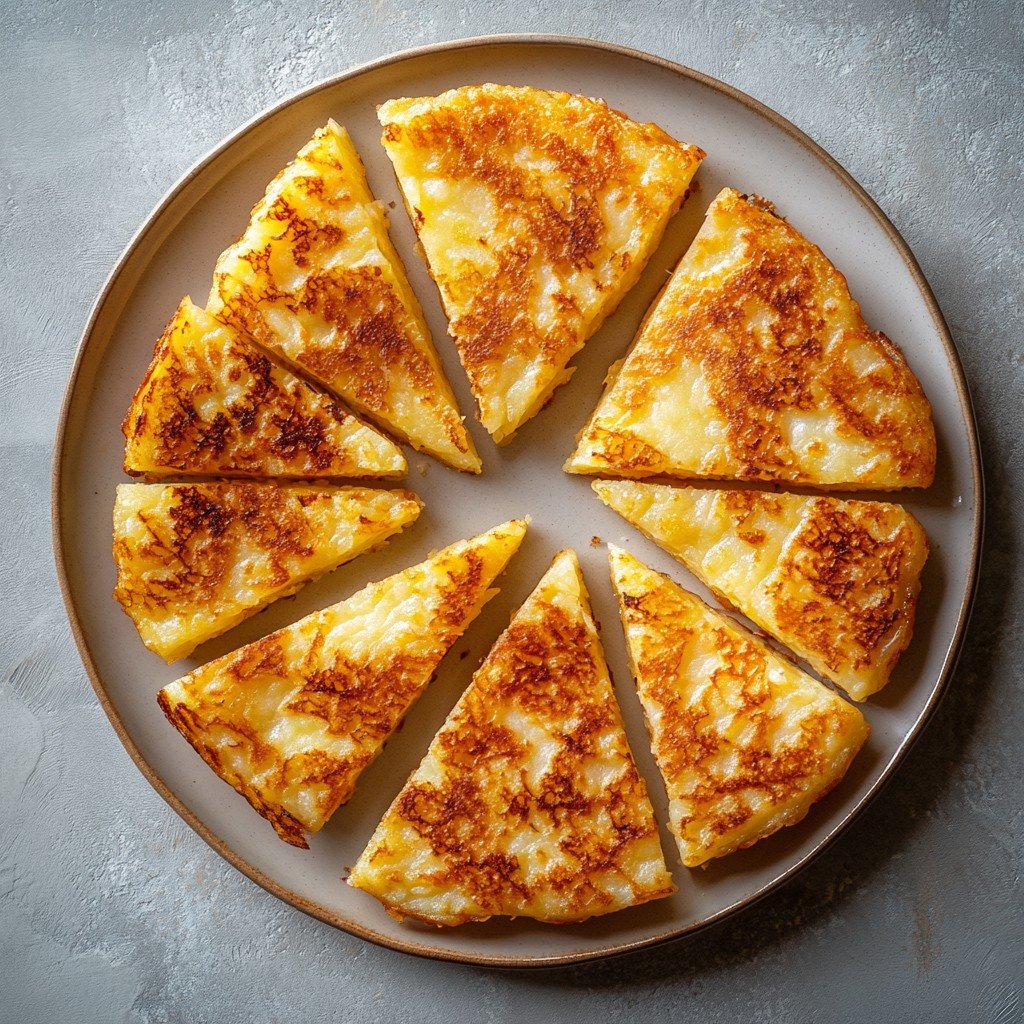
- Shape the dough into a round that’s about 1 cm (1/2 inch) thick. Using a sharp knife, cut the round into four equal wedges, or 'farls.' (Alternatively, you can cut the dough into circles using a biscuit cutter.)
- Melt a little extra butter (or oil for a crispier finish) in a large, heavy-based skillet or nonstick frying pan over medium heat.
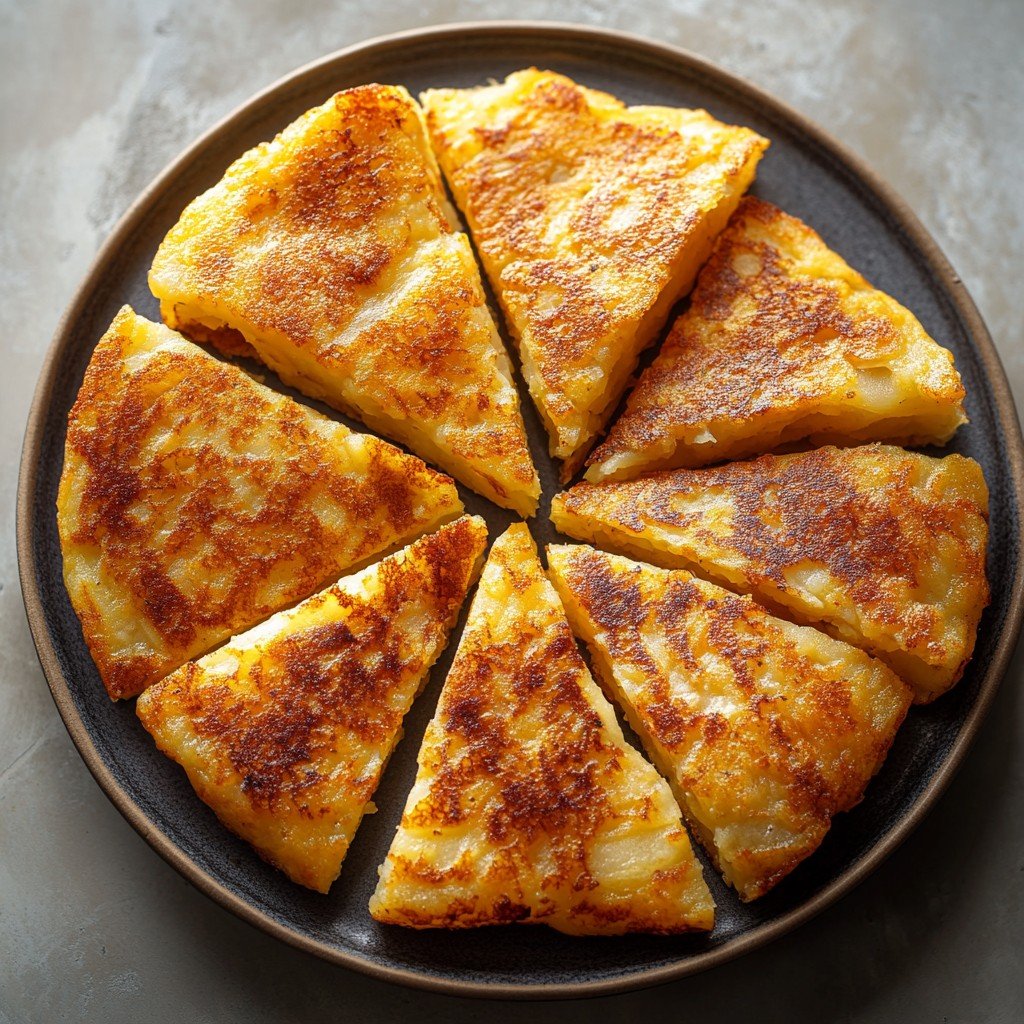
- Carefully transfer the farls to the hot pan. Cook for 4-5 minutes per side, or until golden brown and slightly crisp. Cook in batches if necessary, avoiding overcrowding the pan.
- Serve the traditional potato farls warm, slathered with more butter, or as part of a full Irish breakfast.
Nutritional Information
Potato farls are not only delicious but also provide a satisfying, energy-rich addition to any meal. A typical serving of traditional potato farls (one wedge, approximately 80g) contains about 120-150 calories, depending on the exact size and the amount of butter used for frying.
The majority of those calories are derived from carbohydrates, primarily provided by the potatoes and flour. One farl contains approximately 25-30 grams of carbohydrates, 2-3 grams of protein, and approximately 2-4 grams of fat.
The dietary fiber content of potato farls is moderate—potatoes are a good source of soluble fiber, which can support digestive health, provide a feeling of fullness, and help regulate blood sugar levels.
By using unsalted butter and adjusting the quantity, you can manage the fat and sodium content of the recipe. If you wish to further enhance the nutritional value, consider using whole wheat flour for added fiber, or using less butter when frying.
Despite being comfort food, potato farls are lower in calories and fat than many other breakfast items, and offer vitamins and minerals such as Vitamin C, potassium, and small amounts of iron. When served alongside protein-rich dishes like eggs or smoked fish, they create a well-rounded and nourishing meal.
Wine and Beverage Pairings
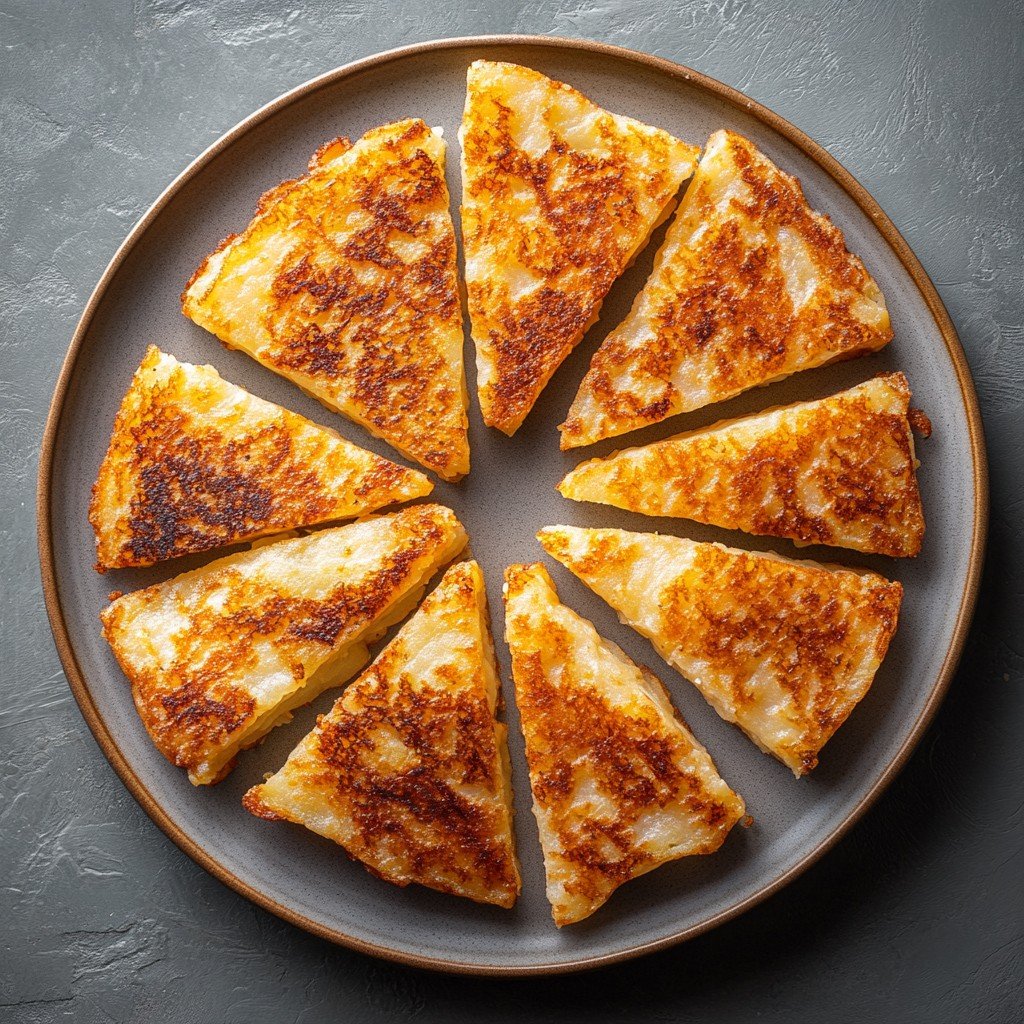
Traditional potato farls pair beautifully with a variety of beverages. For breakfast or brunch, serve them alongside freshly brewed Irish breakfast tea or a robust cup of coffee.
If you’re enjoying them as part of a more substantial meal, consider pairing with a crisp, dry white wine such as Sauvignon Blanc, Chardonnay, or even a sparkling Prosecco. For a non-alcoholic option, a glass of fresh-pressed apple juice complements the flavors beautifully and adds a sweet, refreshing contrast.
In an authentic Irish setting, nothing beats serving potato farls with a pint of Guinness or an Irish cider, especially during festive occasions.
Cooking Tips and Variations
For the best traditional potato farls, use floury potatoes, such as Maris Piper or Russet, as their texture leads to a fluffier and lighter interior. Make sure your potatoes are mashed while hot—this makes for a smoother, lump-free dough and ensures the butter melts in evenly.
If your dough feels too sticky, gradually add a little more flour; if it’s too dry, a splash of milk or an extra pat of butter can bring it together. Avoid overworking the dough, as this can result in dense farls.
Potato farls are very versatile—try adding finely chopped chives, spring onions, or cheese to the dough for extra flavor and variety. For a slightly healthier version, you can substitute part of the plain flour with wholemeal flour, or use olive oil in place of butter for frying.
If you want a crispier finish, dust the farls with a little extra flour before frying, or finish them in a hot oven for 5 minutes after pan-frying.
Leftover farls can be cooled, stored in an airtight container, and reheated in a toaster or skillet the next day, making them ideal for meal prep. For a gluten-free version, use a gluten-free flour blend.
Finally, experiment with different shapes—though traditional farls are triangular, you can make small rounds or use a cookie cutter for fun presentation.
Serving Suggestions
Traditional potato farls are a versatile addition to the table, loved for their ability to soak up sauces and accompany a wide range of dishes.
The classic way to serve potato farls is as part of a full Irish breakfast—paired with rashers of bacon, sausages, grilled tomatoes, black pudding, fried eggs, and sometimes baked beans.
Their mild flavor and comforting texture also make them suitable for lunchtime sandwiches: simply split the farls and fill them with smoked salmon, cream cheese, or sliced ham for a hearty meal.
For a lighter touch, serve warm potato farls on the side of soups and stews, using them to mop up rich broths or gravies.
They make a wonderful base for canapés or small bites: cut cooled farls into bite-sized pieces and top with crème fraîche, chives, or smoked fish for a sophisticated appetizer.
Potato farls can also be enjoyed plainly, slathered with salted butter or sprinkled with sea salt and fresh herbs, making them a universal favorite for any time of day. They are particularly popular at holiday breakfasts and brunches, adding nostalgic warmth and comfort to festive gatherings.
Whether enjoyed as a standalone snack or as the centerpiece of a family breakfast spread, traditional potato farls bring a taste of Irish tradition to every occasion.
Health Benefits
Potatoes are naturally gluten-free, low in fat, and a good source of energy, making them a nutritious staple. When prepared with minimal added fat, traditional potato farls offer a lower-calorie alternative to fried bread or pastries often found in breakfast spreads.
They provide essential nutrients, including vitamin C, which supports immune health, and potassium, which plays a vital role in cardiovascular function and fluid balance. The moderate fiber content of potatoes helps promote digestive health and can assist in maintaining a healthy weight by increasing feelings of satiety.
Using whole wheat flour or reducing the amount of butter used in the recipe can further improve the health profile of your farls. Plus, homemade potato farls offer the benefit of controlling ingredients, allowing you to minimize sodium and avoid preservatives.
Enjoyed as part of a balanced meal, traditional potato farls can contribute to a nourishing and sustaining start to the day, providing both comfort and nutritional value.
Frequently Asked Questions
Yes, potato farls can be made ahead of time. After cooking, allow them to cool completely, then store in an airtight container in the refrigerator for up to 2-3 days. Reheat in a skillet or toaster for best results.
Absolutely. Once cooled, wrap the farls individually in plastic wrap or parchment paper, then place in a freezer bag. Freeze for up to 1 month. Reheat straight from frozen in a dry skillet or toaster.
Floury potatoes like Maris Piper or Russet are ideal for traditional potato farls, as they mash smoothly and create a light, fluffy texture.
Traditional potato farls use plain wheat flour, so they are not naturally gluten-free. However, you can substitute a gluten-free flour blend for a suitable alternative.
Potato farls are typically served as part of a full Irish breakfast alongside eggs, sausages, and bacon, but they’re also delicious with soups, stews, or simply buttered as a snack.
Traditional potato farls are a testament to Ireland’s culinary heritage—simple, hearty, and endlessly satisfying. Whether served as part of a festive breakfast, paired with soups and stews, or enjoyed on their own with fresh butter, these versatile classics embody comfort and tradition. With just a few everyday ingredients and straightforward steps, you can bring the authentic flavors of Ireland into your kitchen. Explore different variations, experiment with serving styles, and make traditional potato farls a cherished addition to your family's table. From their rich history to their comforting taste, traditional potato farls continue to unite generations around delicious, homemade food.
Ingredients
- 500 g (about 1 lb) floury potatoes (e.g., Maris Piper or Russet)
- 50 g (about 3 1/2 tbsp) unsalted butter, plus extra for frying
- 100-120 g (about 3/4–1 cup) plain flour, plus extra for dusting
- 1/2 tsp salt
- 1/4 tsp freshly ground black pepper
Instructions
-
1Peel the potatoes and cut them into evenly sized chunks. Place them in a large saucepan, cover with cold water, add a pinch of salt, and bring to a boil.
-
2Simmer the potatoes for 15-20 minutes, or until they are tender and easily pierced with a fork. Drain thoroughly and allow the potatoes to steam dry for a couple of minutes.
-
3Mash the hot potatoes until smooth, ensuring there are no lumps. While the potatoes are still warm, add the butter and mash again until fully incorporated.
-
4Season with salt and freshly ground black pepper. Gradually add in the flour, mixing gently, until a soft, non-sticky dough forms. You might need slightly more or less flour, depending on the moisture content of your potatoes.
-
5Lightly dust your work surface with flour and turn the dough out. Gently knead a couple of times to bring everything together, being careful not to overwork the dough.
-
6Shape the dough into a round that’s about 1 cm (1/2 inch) thick. Using a sharp knife, cut the round into four equal wedges, or ‘farls.’ (Alternatively, you can cut the dough into circles using a biscuit cutter.)
-
7Melt a little extra butter (or oil for a crispier finish) in a large, heavy-based skillet or nonstick frying pan over medium heat.
-
8Carefully transfer the farls to the hot pan. Cook for 4-5 minutes per side, or until golden brown and slightly crisp. Cook in batches if necessary, avoiding overcrowding the pan.
-
9Serve the traditional potato farls warm, slathered with more butter, or as part of a full Irish breakfast.
Approximate Information for One Serving
Nutrition Disclaimers
Number of total servings shown is approximate. Actual number of servings will depend on your preferred portion sizes.
Nutritional values shown are general guidelines and reflect information for 1 serving using the ingredients listed, not including any optional ingredients. Actual macros may vary slightly depending on specific brands and types of ingredients used.
To determine the weight of one serving, prepare the recipe as instructed. Weigh the finished recipe, then divide the weight of the finished recipe (not including the weight of the container the food is in) by the desired number of servings. Result will be the weight of one serving.
Did you make this recipe?
Please consider Pinning it!