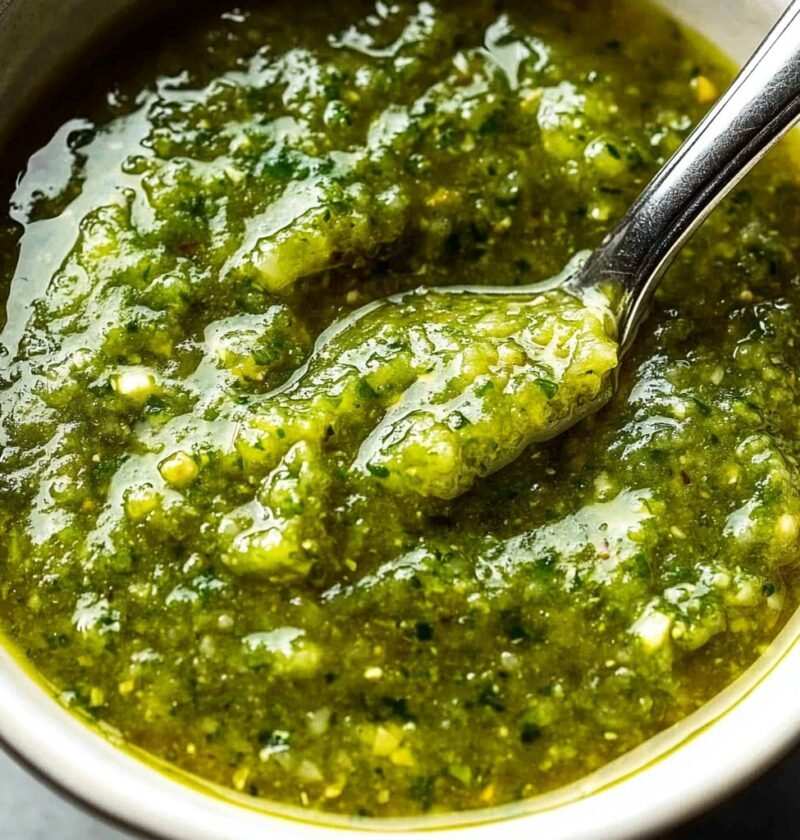
As the warm sun breathes life into blossoming gardens and farmers’ markets overflow with vibrant produce, there’s no better way to celebrate spring than with Salsa Verde Fresh Spring Recipes. Salsa verde, literally translating to "green sauce," has roots that stretch back centuries, originating in the heart of Mexican cuisine.
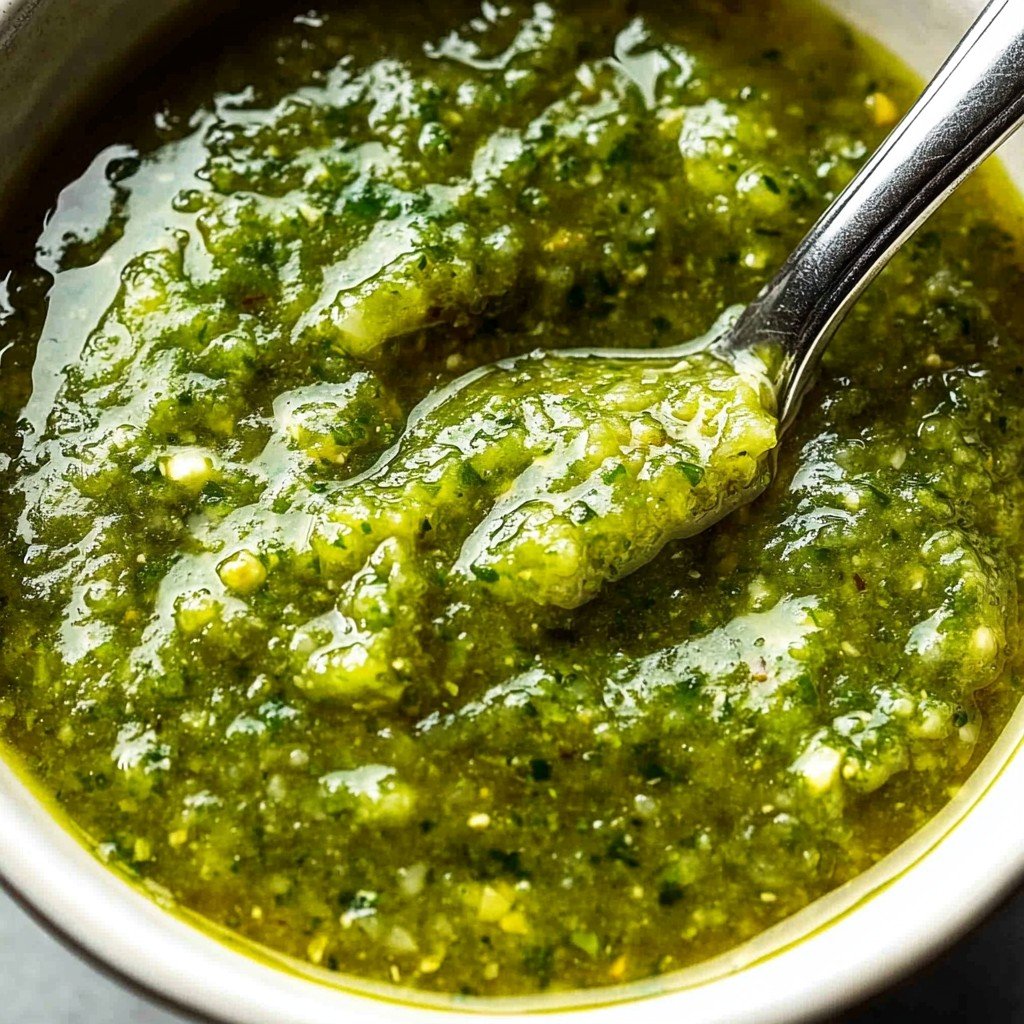
This zesty condiment harnesses the fresh flavors of tomatillos, herbs, and chilies—ingredients that capture the very essence of spring harvest. Increasingly cherished beyond its native Mexico, salsa verde has found its place in kitchens around the world, loved for its bright taste, beautiful color, and culinary versatility.
What makes salsa verde truly stand out among fresh spring recipes is its remarkable balance of tang, heat, and herbal notes, all achieved using wholesome, garden-fresh ingredients. Tomatillos, the cornerstone of this sauce, deliver a unique, citrusy punch, while leafy cilantro and parsley weave in complexity and freshness.
Jalapeños or serrano chilies contribute just the right amount of kick, while smooth olive oil, crisp onion, and garlic round out the flavors.
Perfect as a vibrant topper for tacos, a dip for crunchy veggies, or a marinade for grilled fare, salsa verde complements nearly every spring meal you can dream up.
This guide explores not only how to prepare an authentic salsa verde but also dives deep into serving ideas, nutrition, beverage pairings, and health benefits—making it your go-to resource for Salsa Verde Fresh Spring Recipes that brighten any season.
Ingredients
- 1 pound fresh tomatillos, husked and rinsed
- 2-3 fresh jalapeños or serrano chilies, stemmed (seeded for less heat)
- 1 cup fresh cilantro leaves
- 1/2 cup fresh parsley leaves
- 2 cloves garlic, peeled
- 1 small white onion, diced
- 3 tablespoons freshly squeezed lime juice
- 1 tablespoon olive oil
- 1 teaspoon kosher salt
- 1/2 teaspoon freshly ground black pepper
- 1 ripe avocado (optional, for creamy variation)
Instructions
- Set your oven broiler to high or preheat a grill to medium-high. Arrange the tomatillos and chilies on a sturdy baking sheet or directly on the grill grate. Spacing them evenly prevents steaming and ensures thorough charring.
- Roast the tomatillos and chilies, turning every couple of minutes, until their skins are darkened, blistered, and the flesh softens—this usually takes between 6 to 8 minutes. The charring adds a vital depth of flavor, so don’t shy away from those darker spots.
- Once they are roasted, transfer the tomatillos and chilies into a blender or food processor. Give them a few minutes to cool slightly, as this makes blending safer and helps retain the herbs' freshness when added.
- Add the cilantro leaves, parsley leaves, peeled garlic cloves, diced onion, fresh lime juice, olive oil, kosher salt, and black pepper to the blender. Introduce all the components together to allow a fuller melding of flavors.
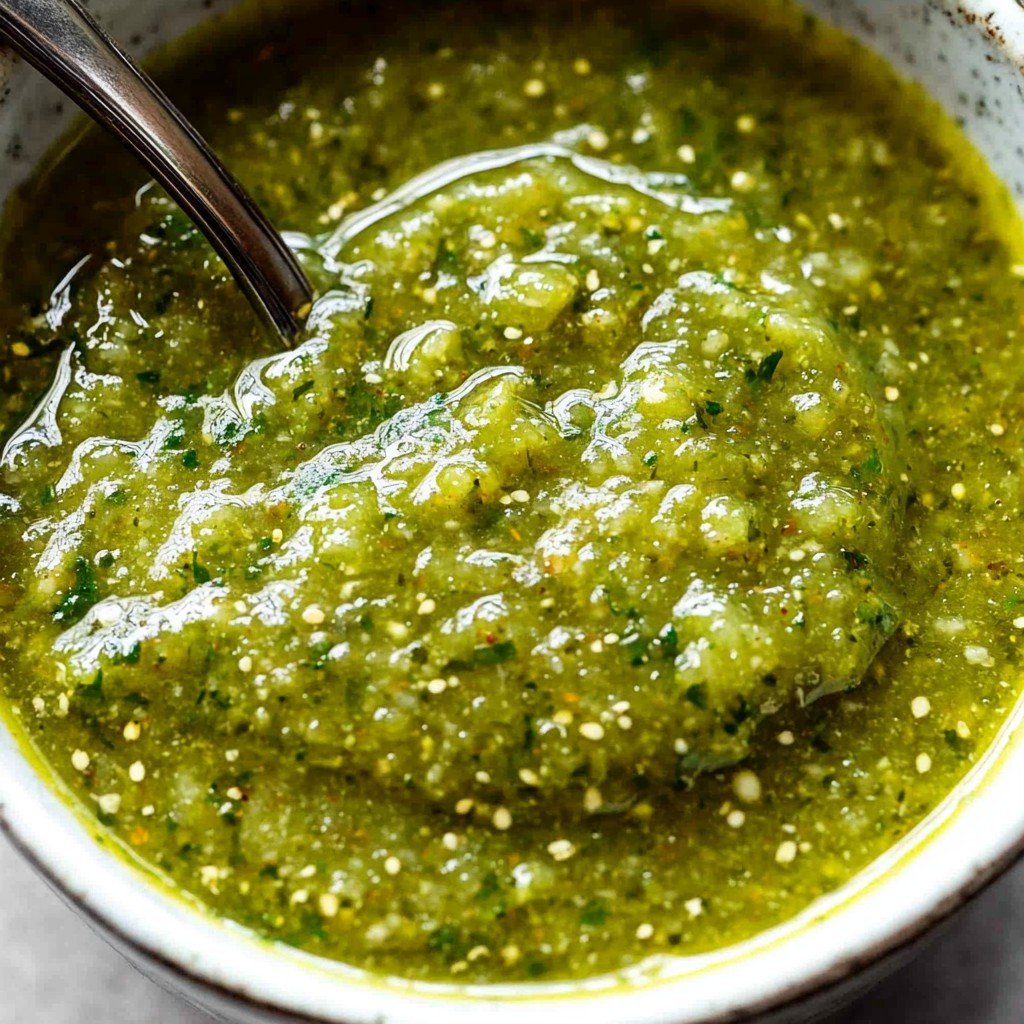
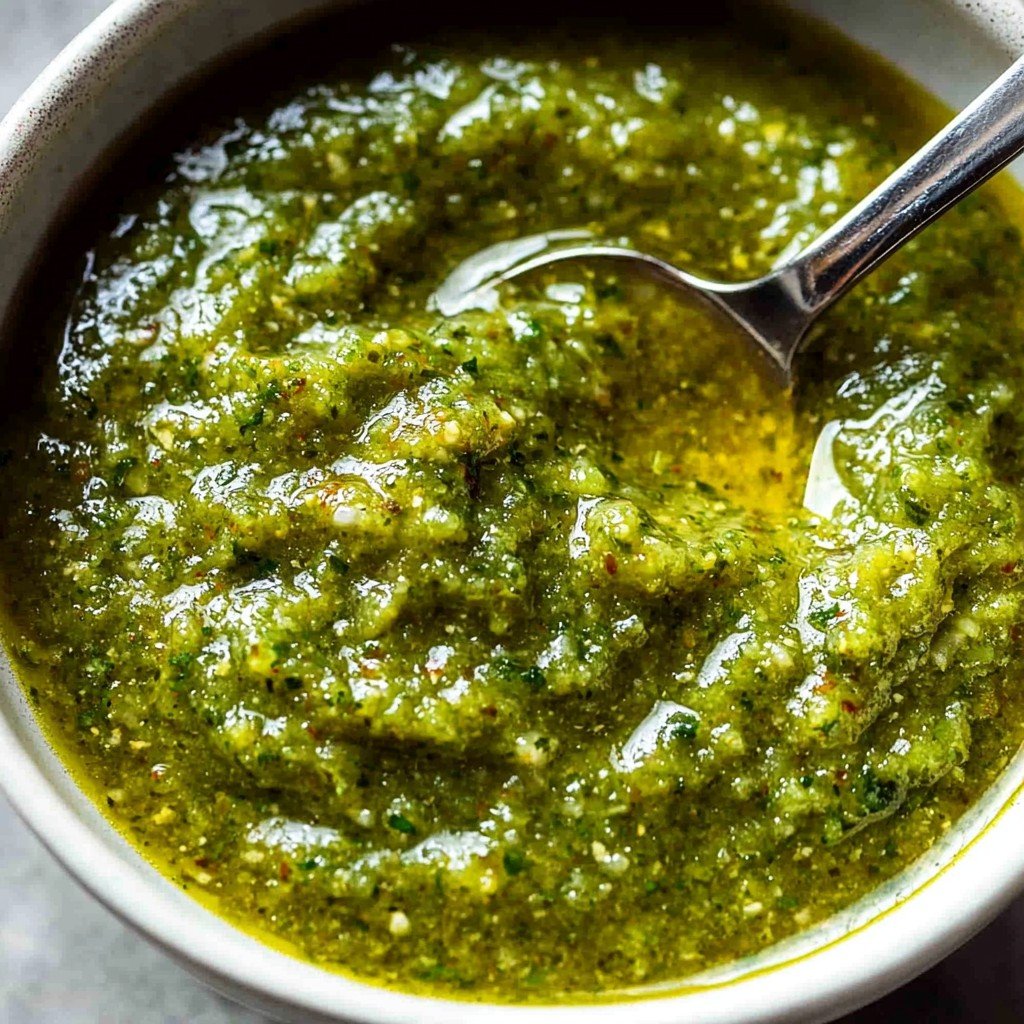
- Process the mixture until your desired texture is achieved. For a silky, pourable salsa verde, blend thoroughly until no large chunks remain. If you prefer a rustic, chunkier style, use pulse bursts and check after several pulses.
- Taste the salsa and consider adjusting the seasoning. More salt, lime juice, or black pepper can heighten the brightness or bring other flavors forward, depending on your palate.
- For a creamy twist, add the ripe avocado to the blender and blend again until the salsa takes on a rich, smooth consistency. This step is optional but adds a delightful dimension to the salsa verde.
- Transfer the freshly blended salsa verde to a serving bowl, cover it, and refrigerate for at least 30 minutes. Chilling not only cools the salsa but also allows the flavors to deepen and harmonize.
- Serve the salsa verde with your favorite springtime dishes, as a topping for tacos, grilled meats, or a zesty dip for fresh vegetables. Enjoy the burst of spring flavor in every bite!
Nutritional Information
Salsa verde is not only vibrant and delicious but also packs a nutritional punch, making it a guilt-free addition to many meals. At the core, tomatillos are low in calories but high in essential nutrients such as vitamin C, potassium, and dietary fiber, supporting immune function, digestion, and heart health.
Jalapeños and serrano chilies contribute to metabolism-boosting capsaicin as well as vitamins A and C, both valuable antioxidants. Fresh cilantro and parsley amp up the nutrient profile even more, supplying vitamin K for bone health, along with beneficial phytonutrients that may reduce inflammation.
Onion and garlic, both revered for their healthy plant compounds, offer additional vitamins, minerals, and potential cardiovascular benefits. Olive oil, included in moderation, provides heart-healthy monounsaturated fats and aids in nutrient absorption from the greens and tomatillos.
The addition of avocado, if you opt for the creamy variation, increases the content of fiber and good fats, making the salsa even more satiating and nourishing.
A typical serving (about 2 tablespoons) of this salsa verde is likely to contain around 25-35 calories, less than 2 grams of fat, 3-5 grams of carbohydrates, negligible sugars, and about 1 gram of fiber if avocado is included. It is gluten-free, vegan, and free from added sugars.
Salsa verde is a great way to enhance meals without overloading on calories, making it suitable for weight management and most health-conscious diets. The combination of vitamins, minerals, and antioxidants helps support overall wellness and adds excitement to your plate.
Wine and Beverage Pairings
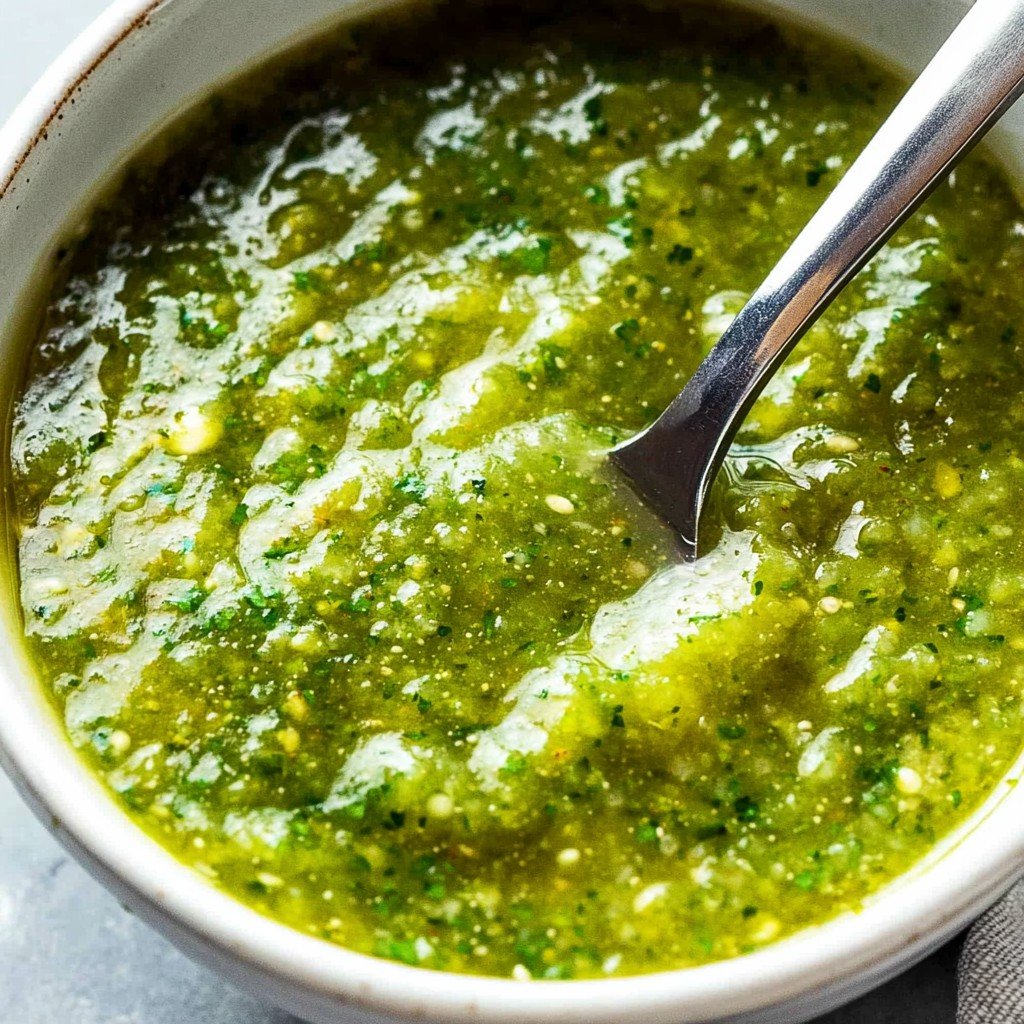
Salsa Verde Fresh Spring Recipes deliver zesty, herbal notes and a lively touch of spice that pairs perfectly with a range of refreshing spring beverages.
For a classic combination, opt for a crisp white wine such as Sauvignon Blanc or a young, unoaked Chardonnay; these wines offer enough acidity to balance the sauce's tang while cleansing the palate between bites.
Mexican beer—think light and lager-style options—provides a bubbly, thirst-quenching complement that cools any lingering heat from the chilies. If you prefer non-alcoholic pairings, a fizzy lime or citrus soda, freshly squeezed limeade, or a chilled cucumber agua fresca naturally harmonize with salsa verde's bright flavors.
For spring celebrations, consider serving an infused water with mint and citrus, or a non-alcoholic mojito, for guests of all ages. These beverages amplify the garden-fresh experience central to Salsa Verde Fresh Spring Recipes.
Cooking Tips and Variations
Crafting the ultimate Salsa Verde Fresh Spring Recipes calls for a few pro tips and creative twists to ensure your salsa is both authentic and suited to your personal taste.
First, sourcing fresh tomatillos is essential; their unique tartness is irreplaceable, though if they're unavailable, try to find canned tomatillos as a backup. For roasting, placing tomatillos and chilies directly under the broiler or over open flames achieves a smokier finish, enhancing complexity.
Adjusting the heat level is easy—use more or fewer chilies, and remove seeds for a milder salsa. Fresh herbs should be washed and dried thoroughly to keep the salsa from becoming watery. When blending, stop and scrape down the sides to ensure every ingredient is fully incorporated.
If using avocado, select one that is just ripe for the smoothest, creamiest texture. Experiment with variations by adding a few leaves of mint for extra freshness or a handful of pumpkin seeds to boost nuttiness.
Leftover salsa verde keeps in an airtight container in the refrigerator for up to five days. If you're planning a picnic or potluck, pack the salsa verde in a cold thermos to retain its vibrant green color.
For a slightly different flavor profile, swap out the lime juice for lemon or add a touch of zest. Remember, allowing the salsa to rest after blending is key—this patience pays off with deeper, more harmonized flavors.
Don't be afraid to get creative: this salsa shines not only as a dip but as a marinade or salad dressing base. Explore how Salsa Verde Fresh Spring Recipes can act as a springboard for custom creations in your kitchen.
Serving Suggestions
Salsa Verde Fresh Spring Recipes shine in a host of delicious, spring-inspired ways that bring zest and color to your table. For the ultimate taco night, drizzle salsa verde over grilled chicken, steak, or roasted vegetable tacos—its tangy and herbaceous profile elevates every bite.
Try spooning salsa verde atop grilled fish fillets, such as tilapia or snapper, to infuse delicate seafood with a punch of garden-fresh flavor. Looking for vegetarian options?
Use salsa verde as a lively dip for crunchy crudités—think radishes, jicama, carrots, and sugar snap peas—or as a finishing sauce for grain bowls bursting with quinoa, black beans, roasted corn, and leafy greens.
For al fresco brunches, spread salsa verde onto avocado toast or serve it alongside poached eggs for a bright, citrusy twist. This salsa also acts as a delicious marinade for springtime grilling—coat chicken or shrimp before roasting, then garnish with more salsa once cooked for extra layers of flavor.
Try swirling salsa verde into plain Greek yogurt for an herby dip, or use it as a dressing for potato salad, pasta salad, or roasted new potatoes.
The possibilities are endless, making Salsa Verde Fresh Spring Recipes an essential, versatile condiment for meals shared outdoors, picnics, barbecues, and festive spring spreads.
Health Benefits
Incorporating Salsa Verde Fresh Spring Recipes into your regular meal rotation offers a host of health benefits. With its base of tomatillos, rich in immune-boosting vitamin C and fiber, salsa verde supports digestive and immune health while helping to manage cholesterol levels.
The inclusion of cilantro and parsley brings an abundance of phytonutrients, especially vitamin K for bone strength and flavonoids that offer anti-inflammatory effects. The capsaicin found in jalapeños and serrano chilies has been linked in studies to improved metabolism and pain relief, and may help manage blood sugar.
Adding avocado in the creamy variation provides heart-healthy monounsaturated fats, further supporting cardiovascular function. Antioxidant-rich herbs and pungent alliums like onion and garlic contribute to cell protection, while olive oil aids in nutrient absorption without overloading the salsa with excess calories.
This combination makes salsa verde not only a vibrant, flavorful choice but also a healthful one. It's naturally low in calories, contains no cholesterol, and suits vegan, gluten-free, and dairy-free diets.
Making salsa verde from scratch means you control the salt—and can avoid any preservatives or additives commonly found in store-bought versions. Enjoy the delicious, energizing flavors of Salsa Verde Fresh Spring Recipes as part of a balanced, wholesome diet.
Frequently Asked Questions
Absolutely! Salsa verde develops deeper, more harmonious flavors after a few hours in the fridge. Make it up to 5 days in advance and store it in an airtight container for best freshness.
The heat level depends on the chilies and whether you remove the seeds. Use fewer chilies or remove seeds for a milder salsa, and add more or try hotter chilies for increased spice.
While fresh tomatillos are ideal, canned tomatillos can be used in a pinch. Rinse them well and follow the same roasting and blending procedure. The flavor will be slightly different, but still delicious.
Salsa verde can be frozen for up to two months. For best texture, freeze without avocado and add it fresh upon thawing. Thaw overnight in the refrigerator before using.
Leftover salsa verde is extremely versatile: toss with roasted vegetables, stir into rice or soups, use as a salad dressing base, or dollop onto eggs or grain bowls.
Salsa Verde Fresh Spring Recipes capture the very spirit of the season, offering a perfect marriage of tangy tomatillos, lively chilies, and aromatic herbs. This versatile, zesty condiment breathes life into April picnics, festive brunches, and weeknight dinners alike, while also supporting a healthful diet. Whether you prefer it chunky or creamy, mild or spicy, salsa verde brings a garden-fresh pop of flavor to every meal. With make-ahead options, endless customizations, and a bounty of serving styles, you’ll find yourself reaching for this green gold again and again. Let Salsa Verde Fresh Spring Recipes be your inspiration as you celebrate the tastes and abundance of spring.
Ingredients
- 1 pound fresh tomatillos, husked and rinsed
- 2-3 fresh jalapeños or serrano chilies, stemmed (seeded for less heat)
- 1 cup fresh cilantro leaves
- 1/2 cup fresh parsley leaves
- 2 cloves garlic, peeled
- 1 small white onion, diced
- 3 tablespoons freshly squeezed lime juice
- 1 tablespoon olive oil
- 1 teaspoon kosher salt
- 1/2 teaspoon freshly ground black pepper
- 1 ripe avocado (optional, for creamy variation)
Instructions
-
1Set your oven broiler to high or preheat a grill to medium-high. Arrange the tomatillos and chilies on a sturdy baking sheet or directly on the grill grate. Spacing them evenly prevents steaming and ensures thorough charring.
-
2Roast the tomatillos and chilies, turning every couple of minutes, until their skins are darkened, blistered, and the flesh softens—this usually takes between 6 to 8 minutes. The charring adds a vital depth of flavor, so don’t shy away from those darker spots.
-
3Once they are roasted, transfer the tomatillos and chilies into a blender or food processor. Give them a few minutes to cool slightly, as this makes blending safer and helps retain the herbs’ freshness when added.
-
4Add the cilantro leaves, parsley leaves, peeled garlic cloves, diced onion, fresh lime juice, olive oil, kosher salt, and black pepper to the blender. Introduce all the components together to allow a fuller melding of flavors.
-
5Process the mixture until your desired texture is achieved. For a silky, pourable salsa verde, blend thoroughly until no large chunks remain. If you prefer a rustic, chunkier style, use pulse bursts and check after several pulses.
-
6Taste the salsa and consider adjusting the seasoning. More salt, lime juice, or black pepper can heighten the brightness or bring other flavors forward, depending on your palate.
-
7For a creamy twist, add the ripe avocado to the blender and blend again until the salsa takes on a rich, smooth consistency. This step is optional but adds a delightful dimension to the salsa verde.
-
8Transfer the freshly blended salsa verde to a serving bowl, cover it, and refrigerate for at least 30 minutes. Chilling not only cools the salsa but also allows the flavors to deepen and harmonize.
-
9Serve the salsa verde with your favorite springtime dishes, as a topping for tacos, grilled meats, or a zesty dip for fresh vegetables. Enjoy the burst of spring flavor in every bite!
Approximate Information for One Serving
Nutrition Disclaimers
Number of total servings shown is approximate. Actual number of servings will depend on your preferred portion sizes.
Nutritional values shown are general guidelines and reflect information for 1 serving using the ingredients listed, not including any optional ingredients. Actual macros may vary slightly depending on specific brands and types of ingredients used.
To determine the weight of one serving, prepare the recipe as instructed. Weigh the finished recipe, then divide the weight of the finished recipe (not including the weight of the container the food is in) by the desired number of servings. Result will be the weight of one serving.
Did you make this recipe?
Please consider Pinning it!